West African smoking equipment
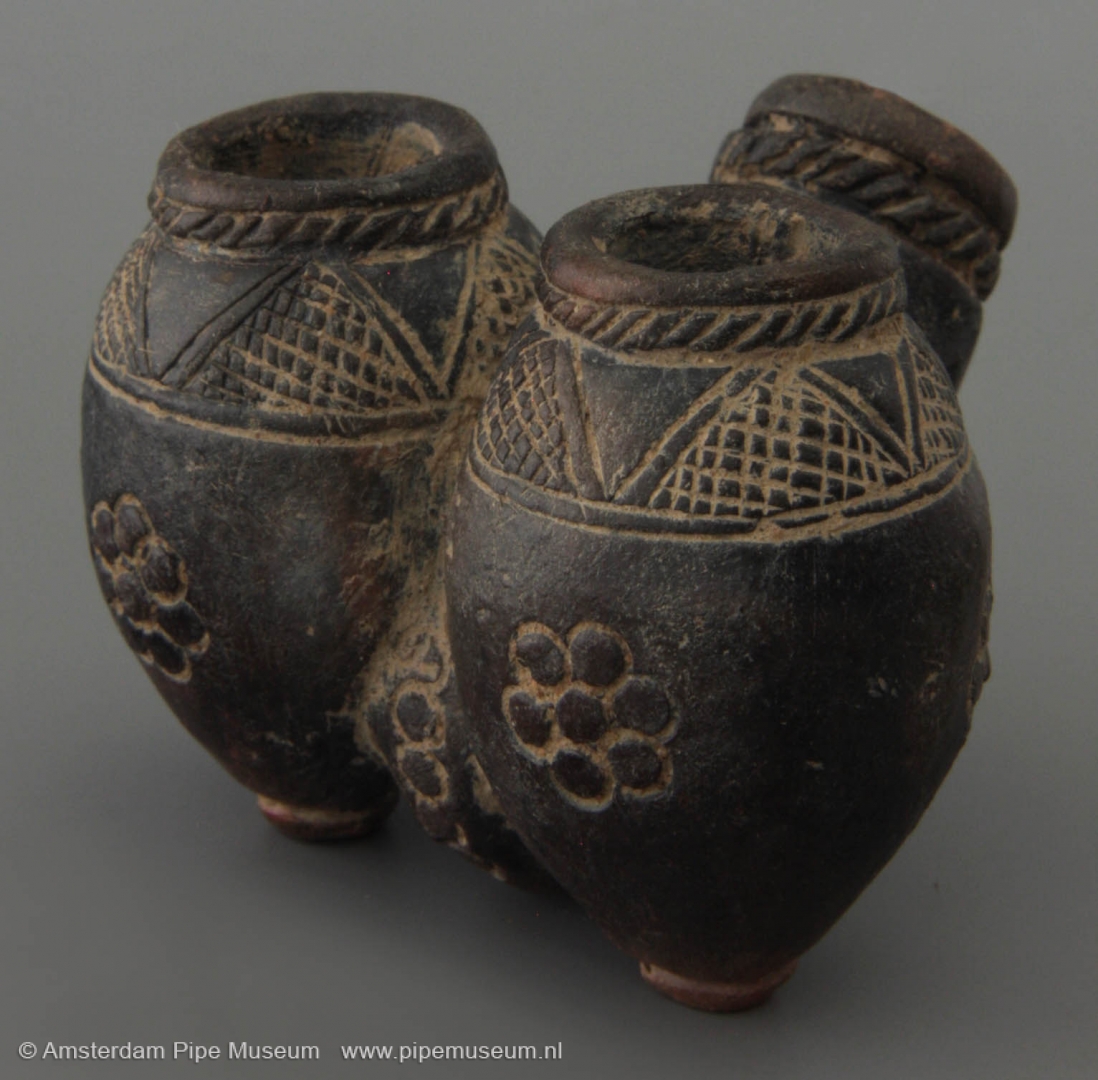
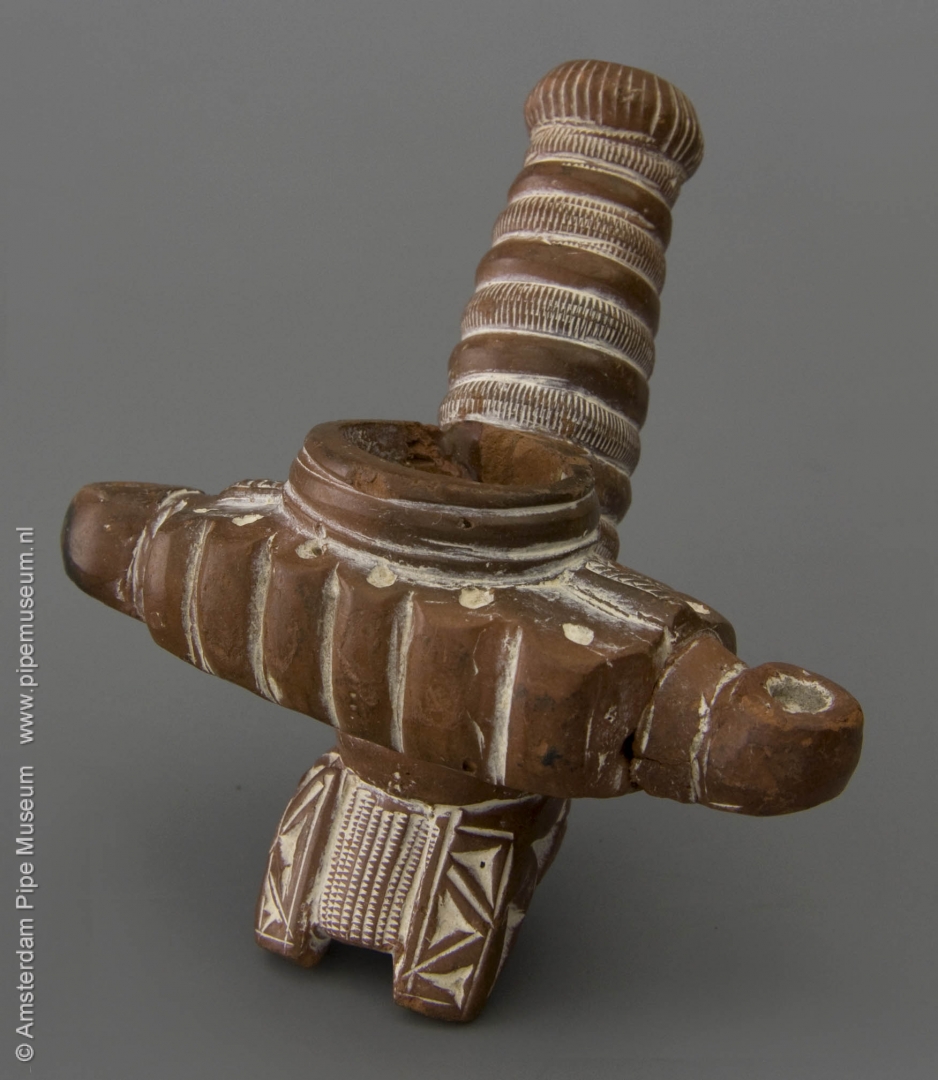
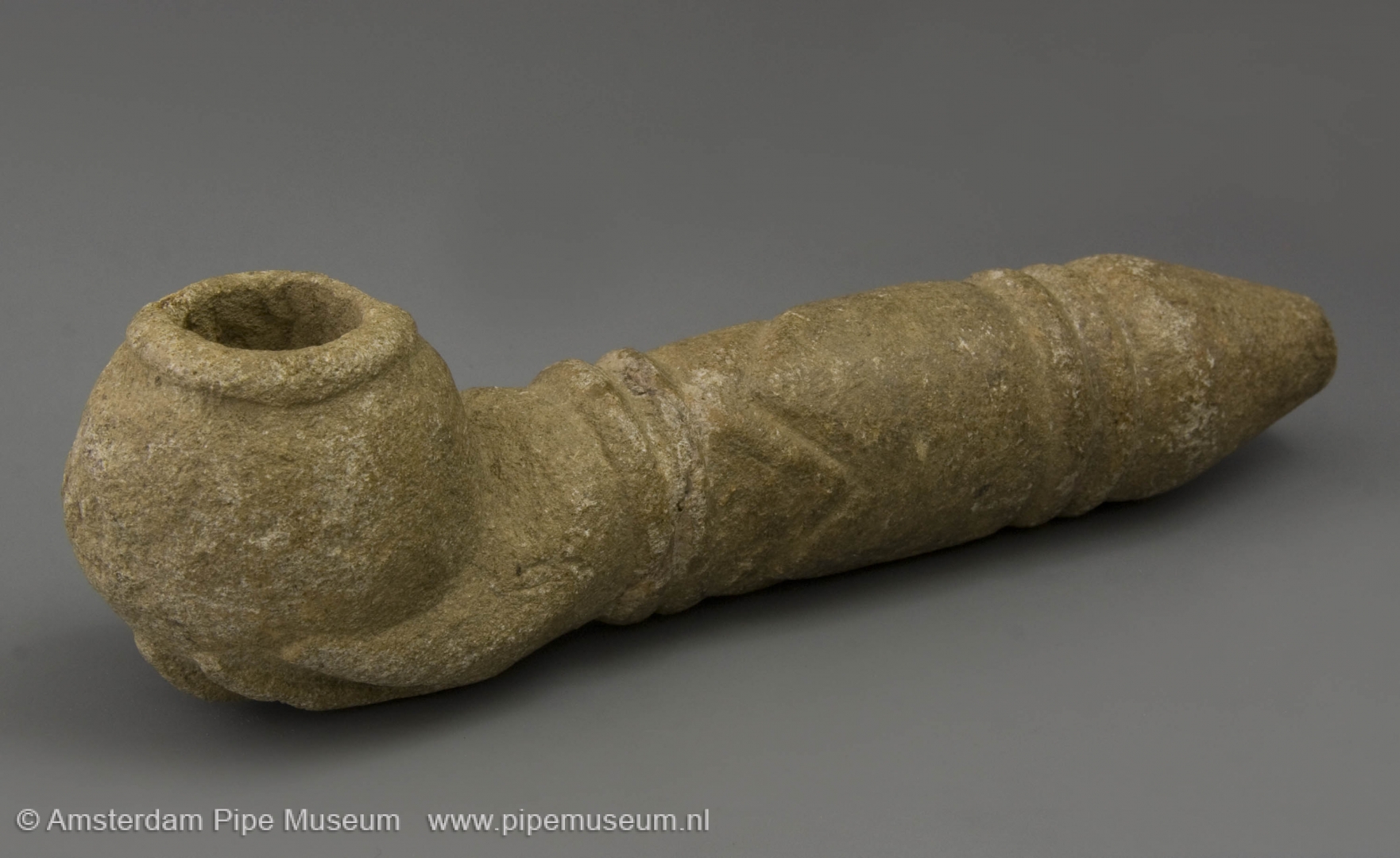
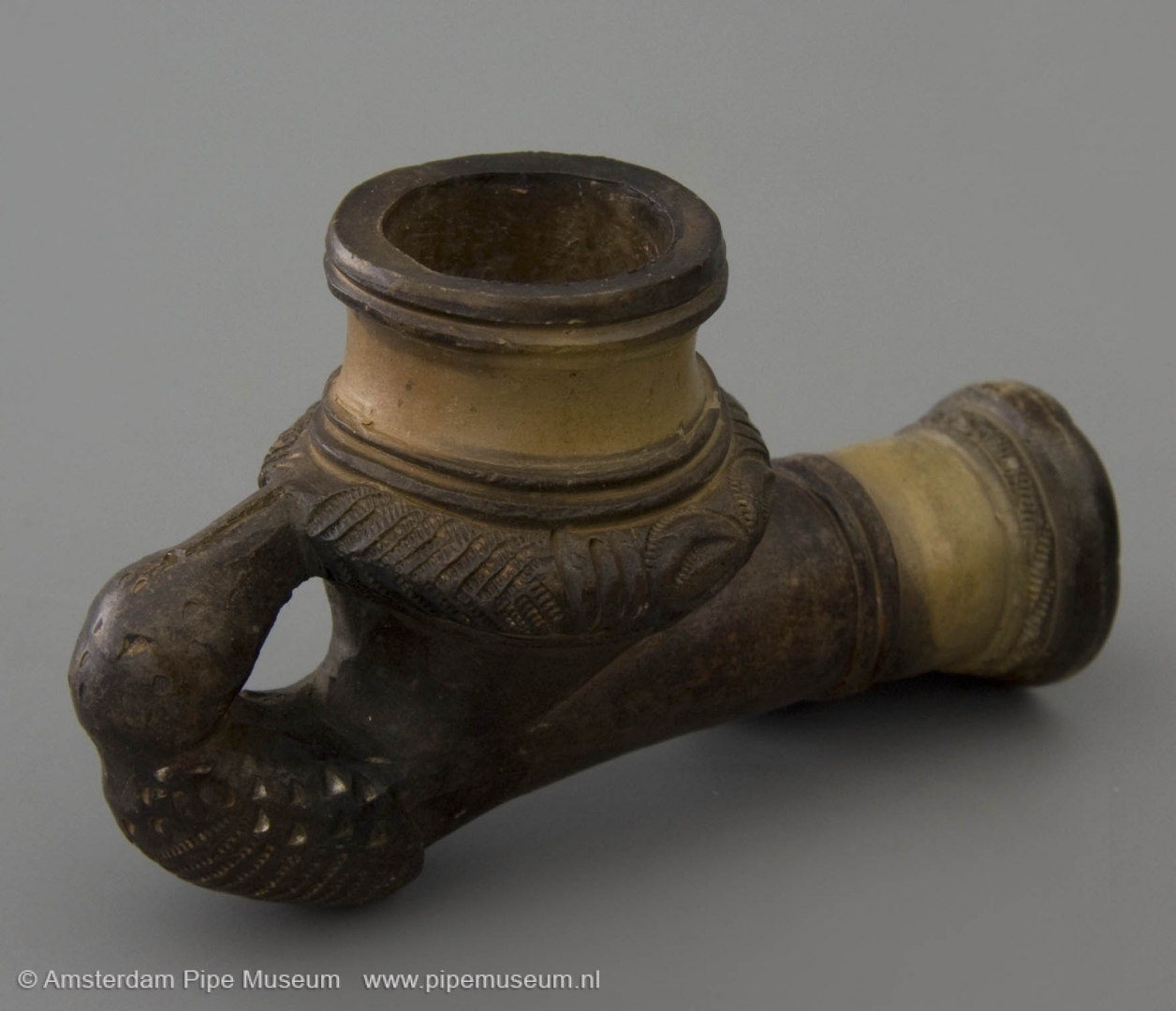
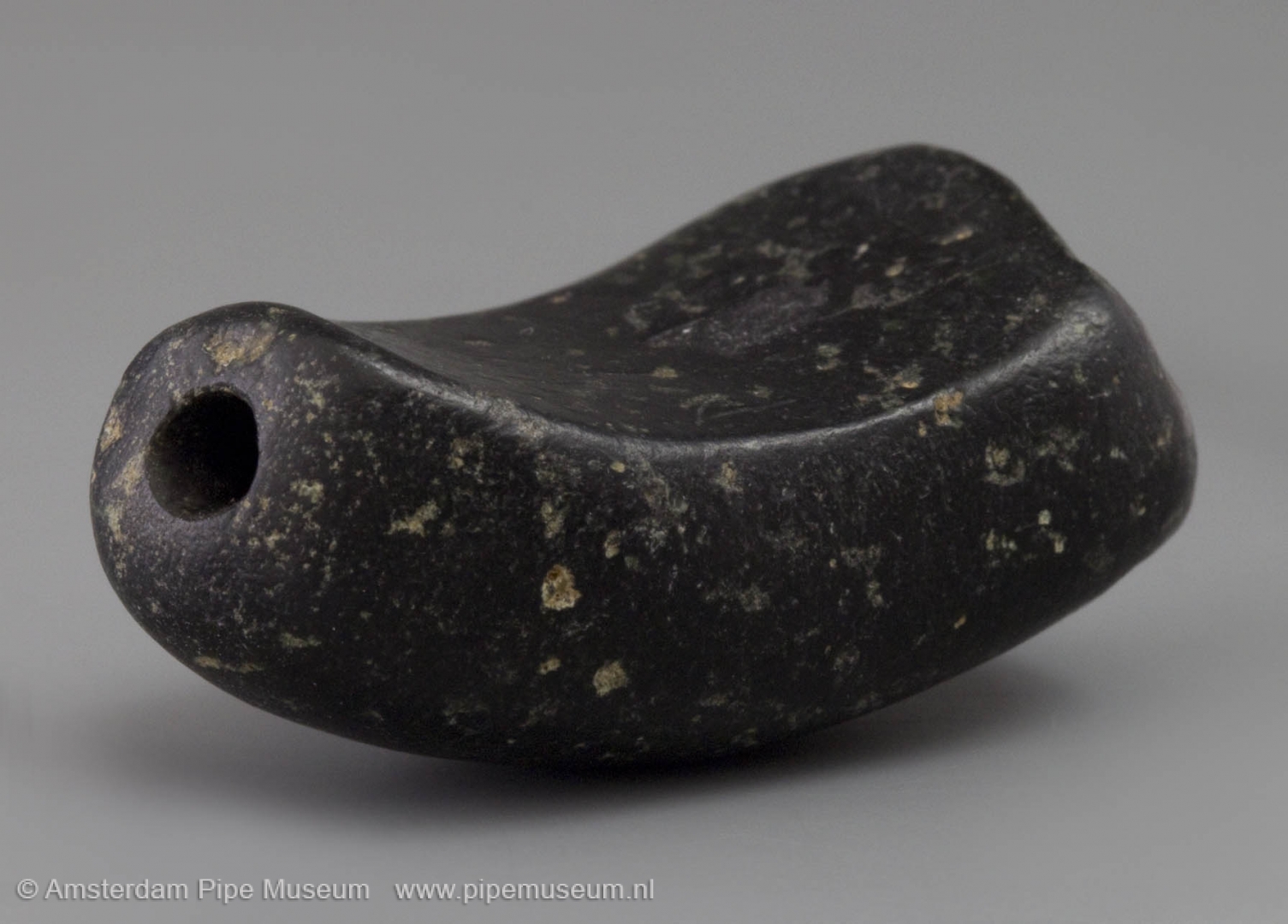
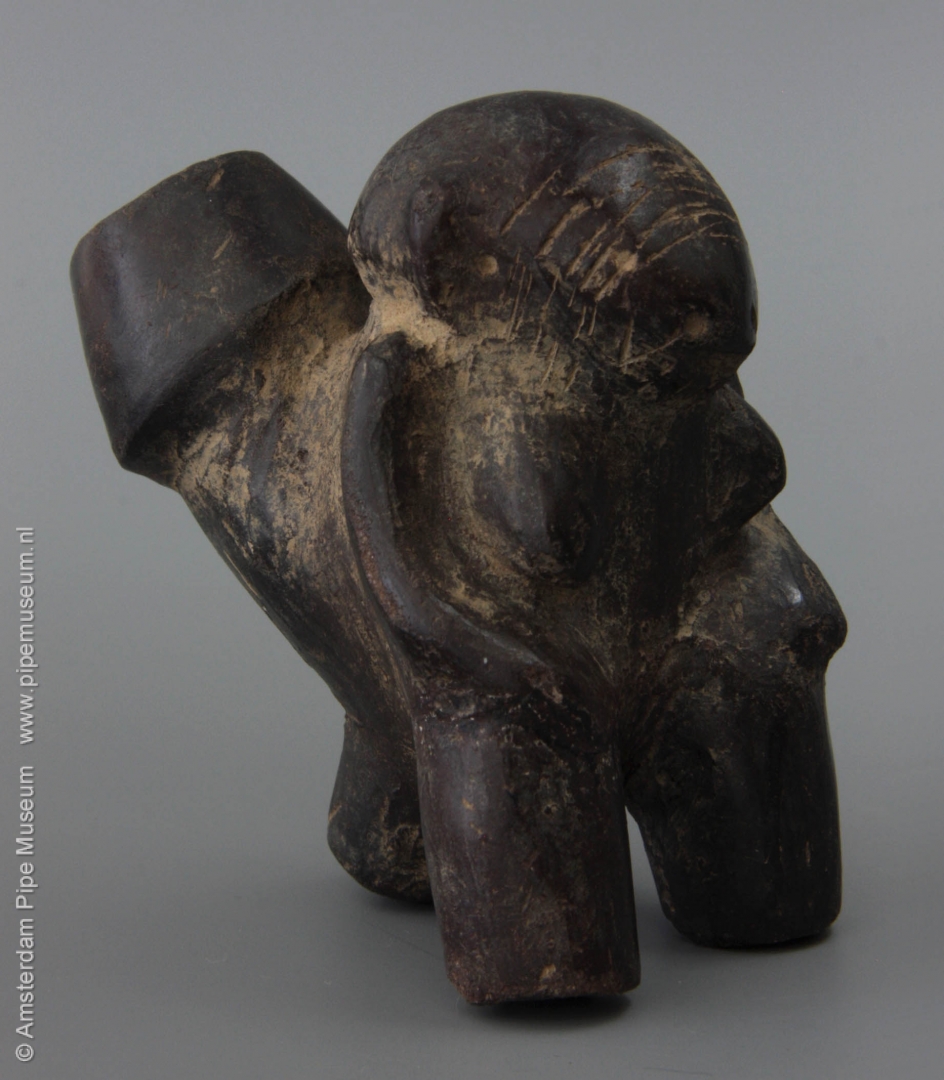
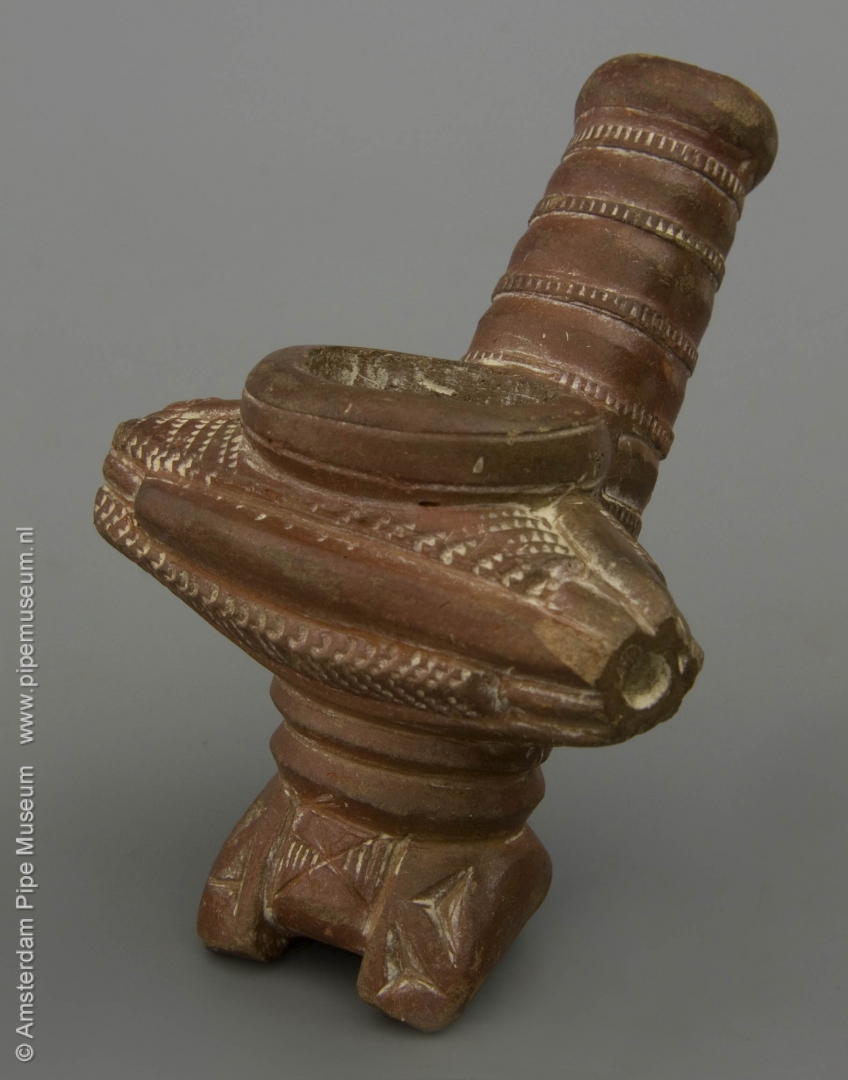
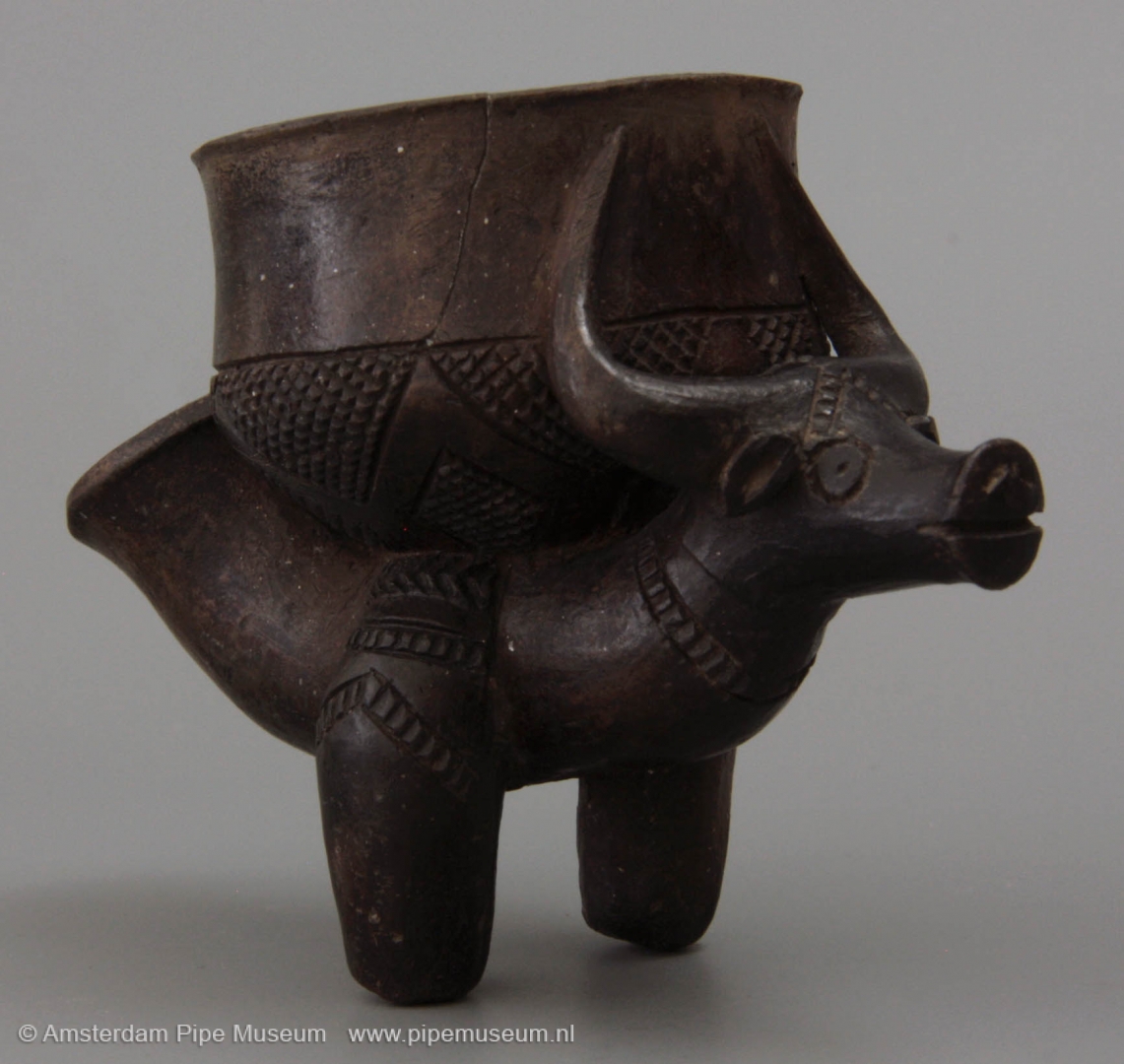
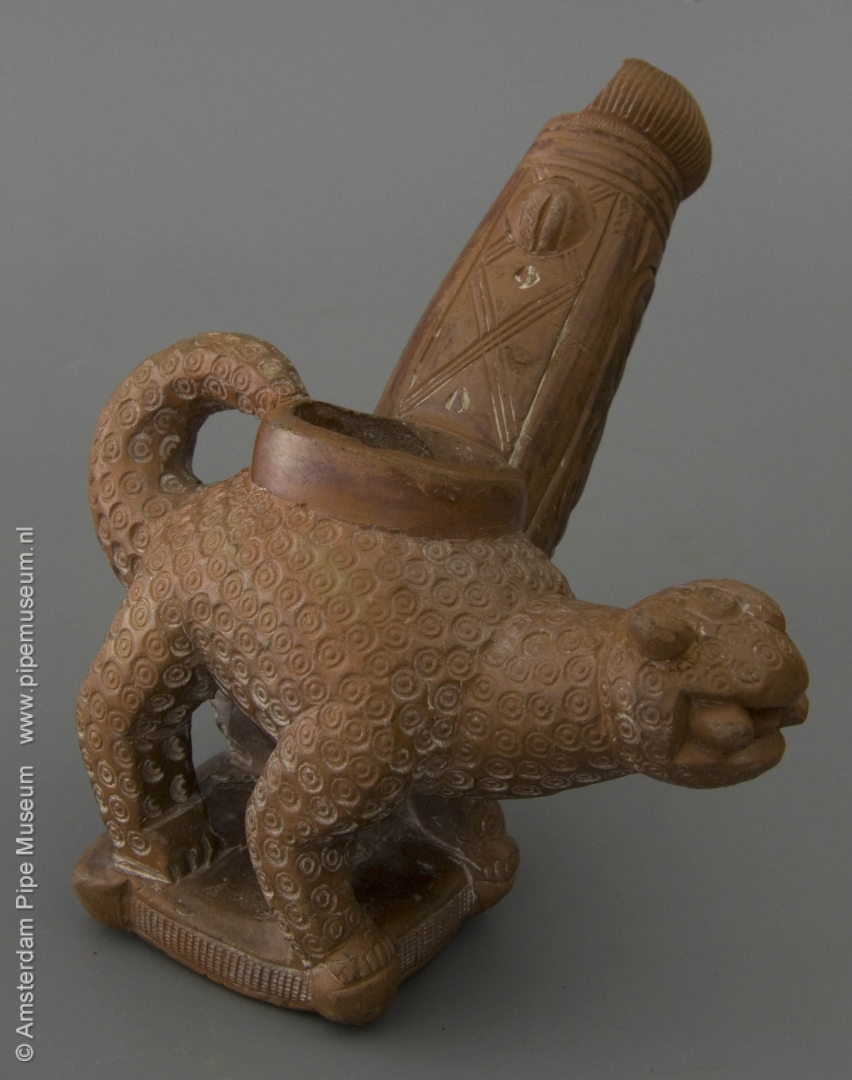
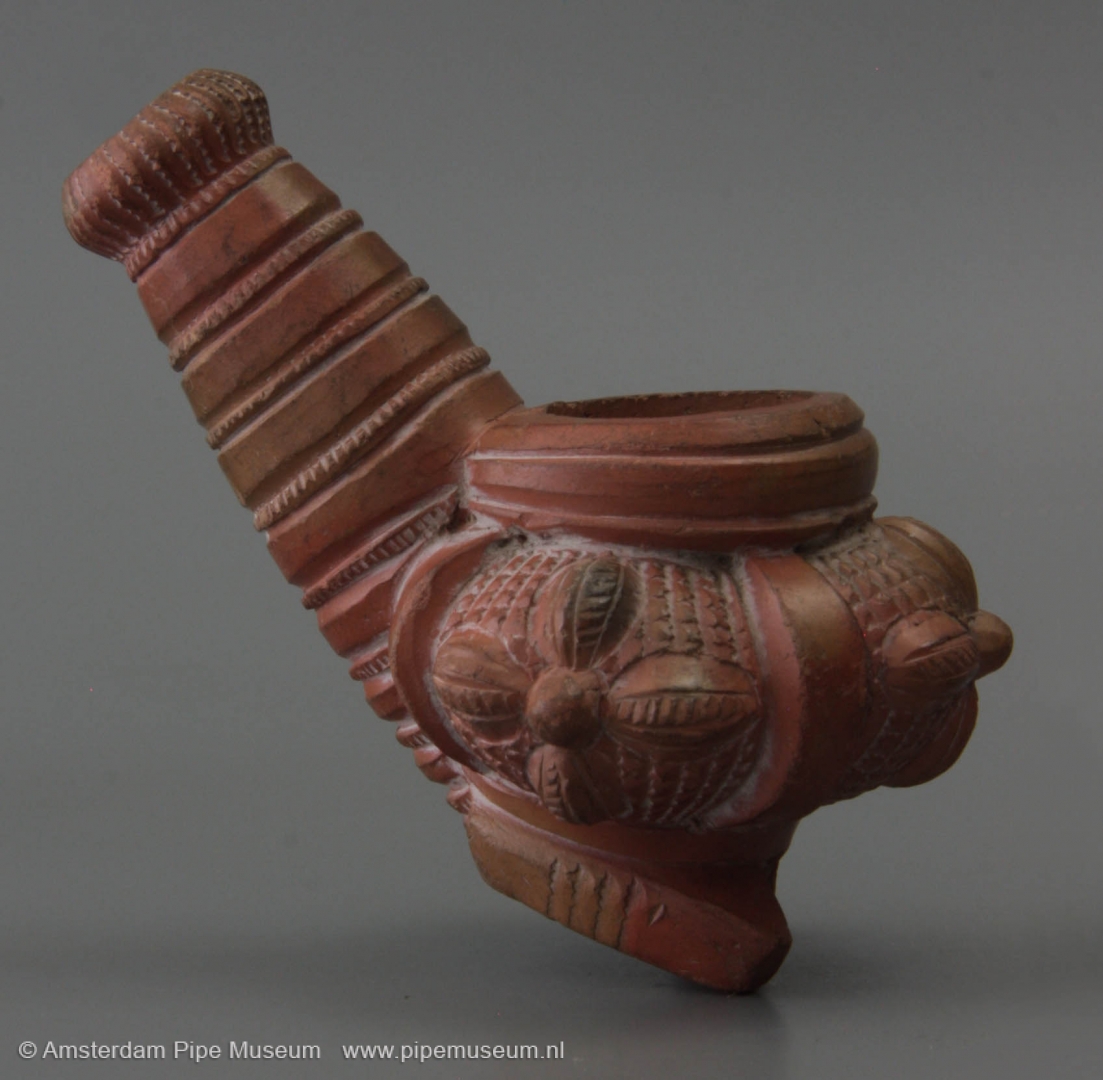
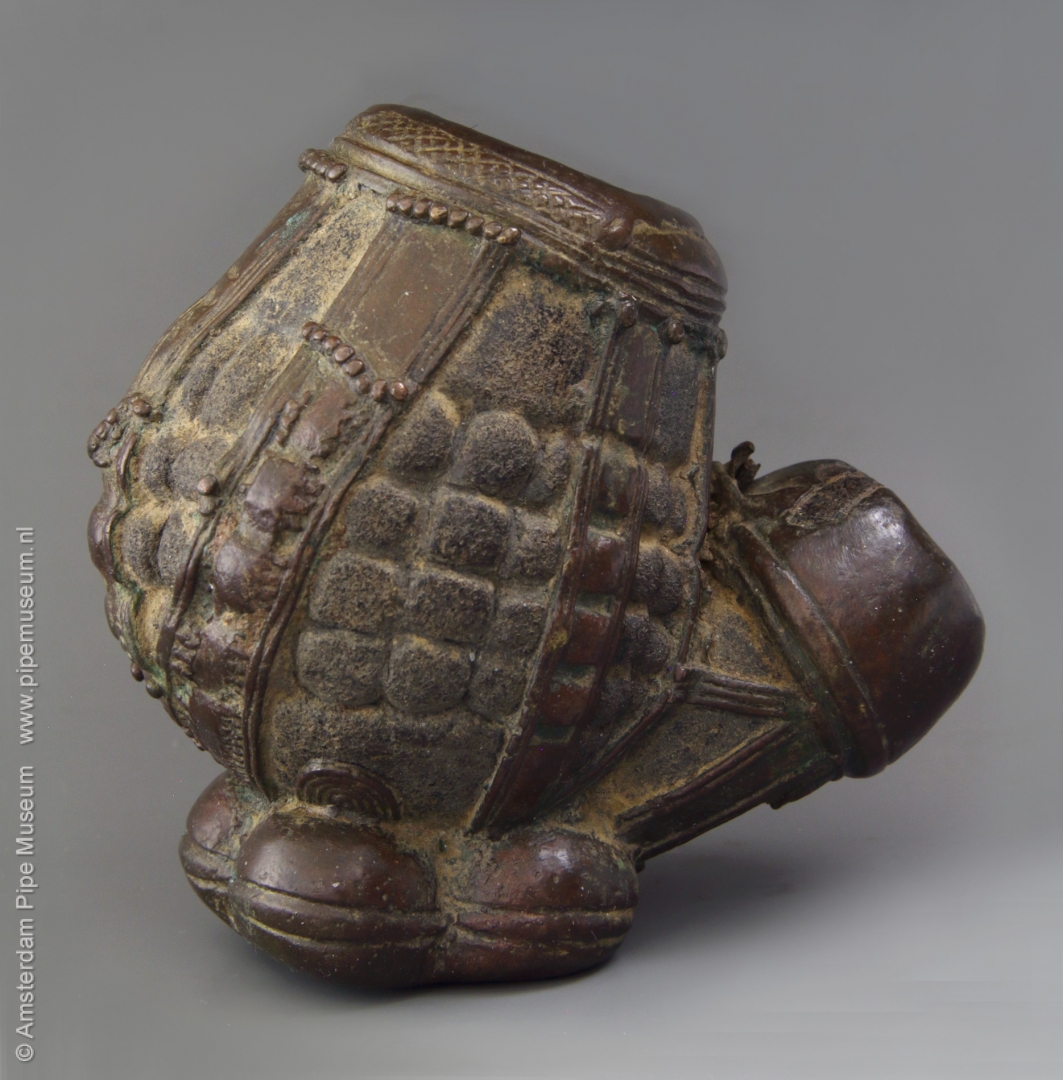
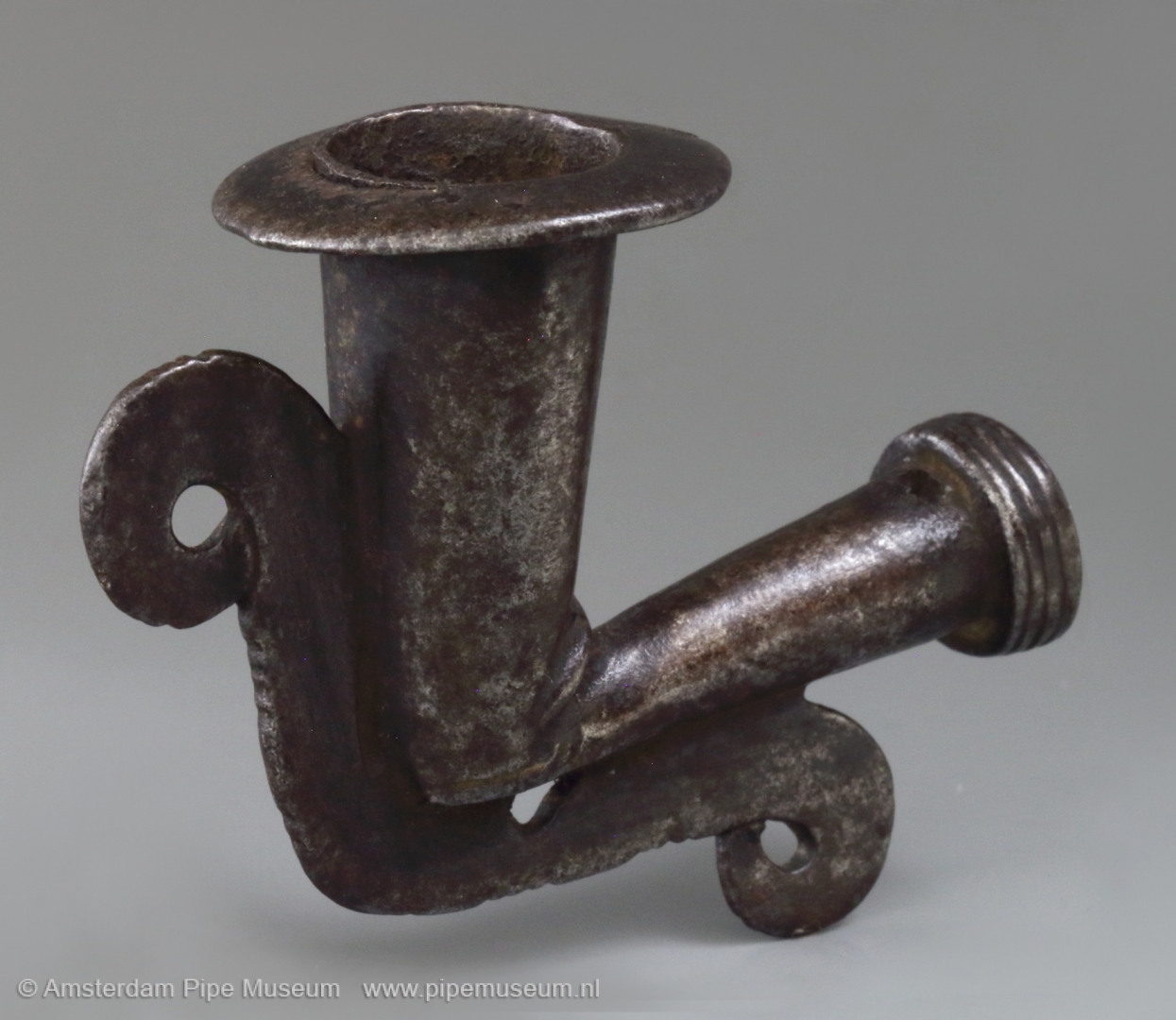
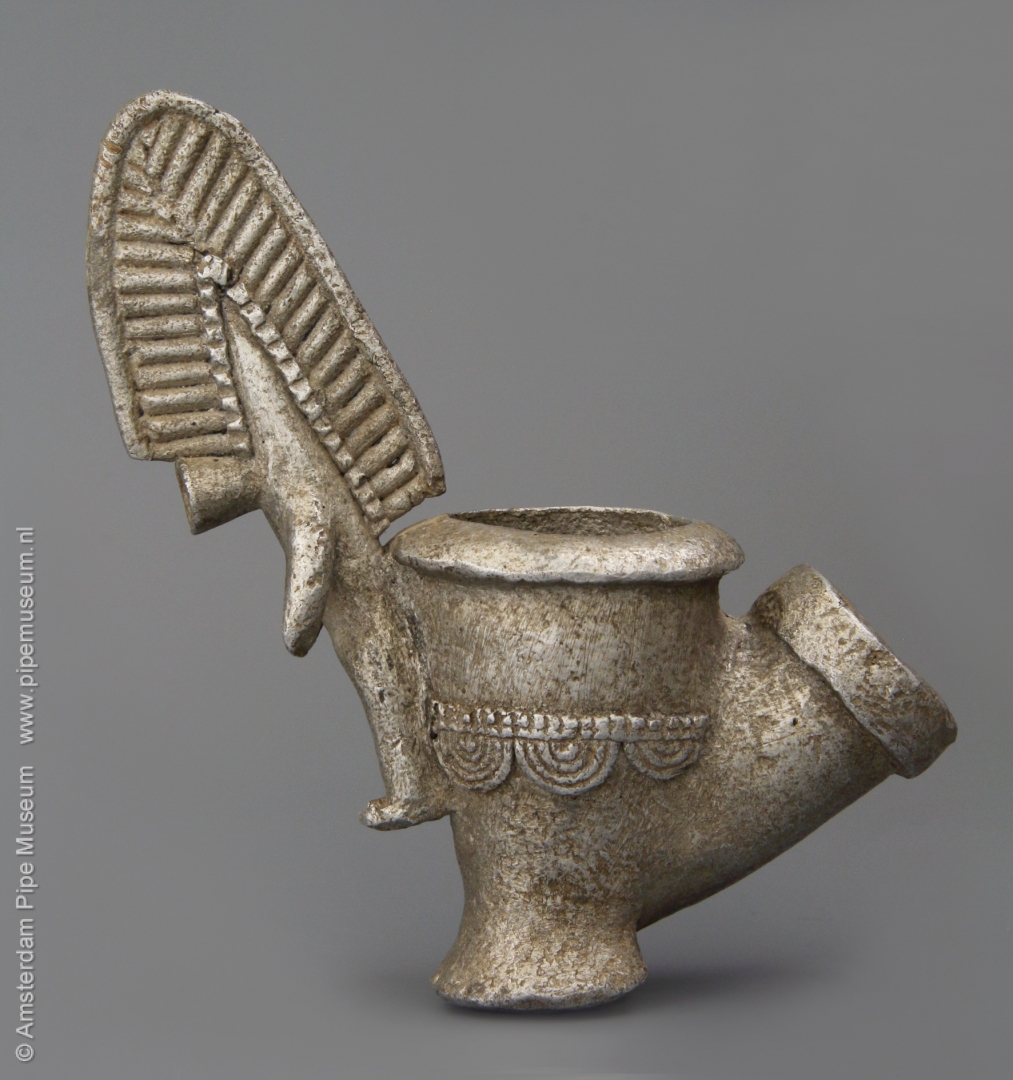
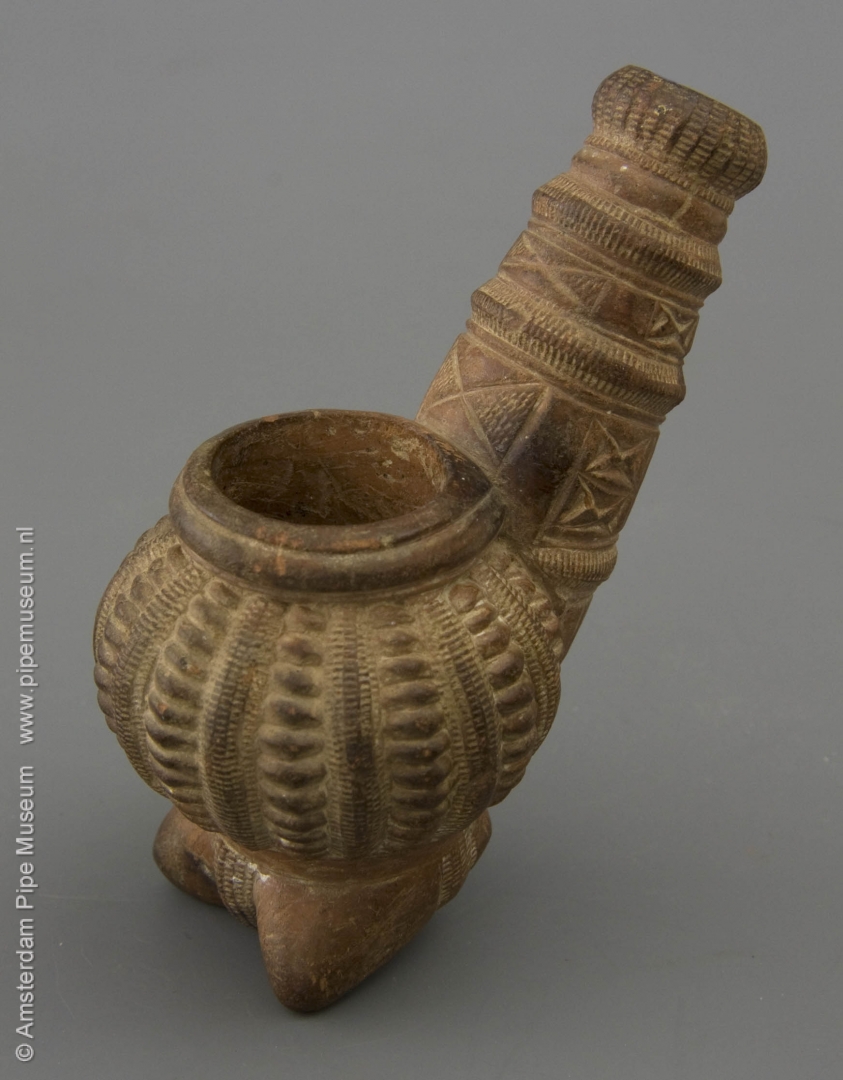
In West Africa, different cultures have their own tradition of pipe smoking. Ghana knows the greatest variation. The pipes of the Ashanti, better known as the gold people, were modeled in fine clay. The figural decorations on their tobacco pipes were related to popular proverbs. Such pipes have been made in the same way for centuries. Unfortunately, the tradition was lost at the beginning of the twentieth century.
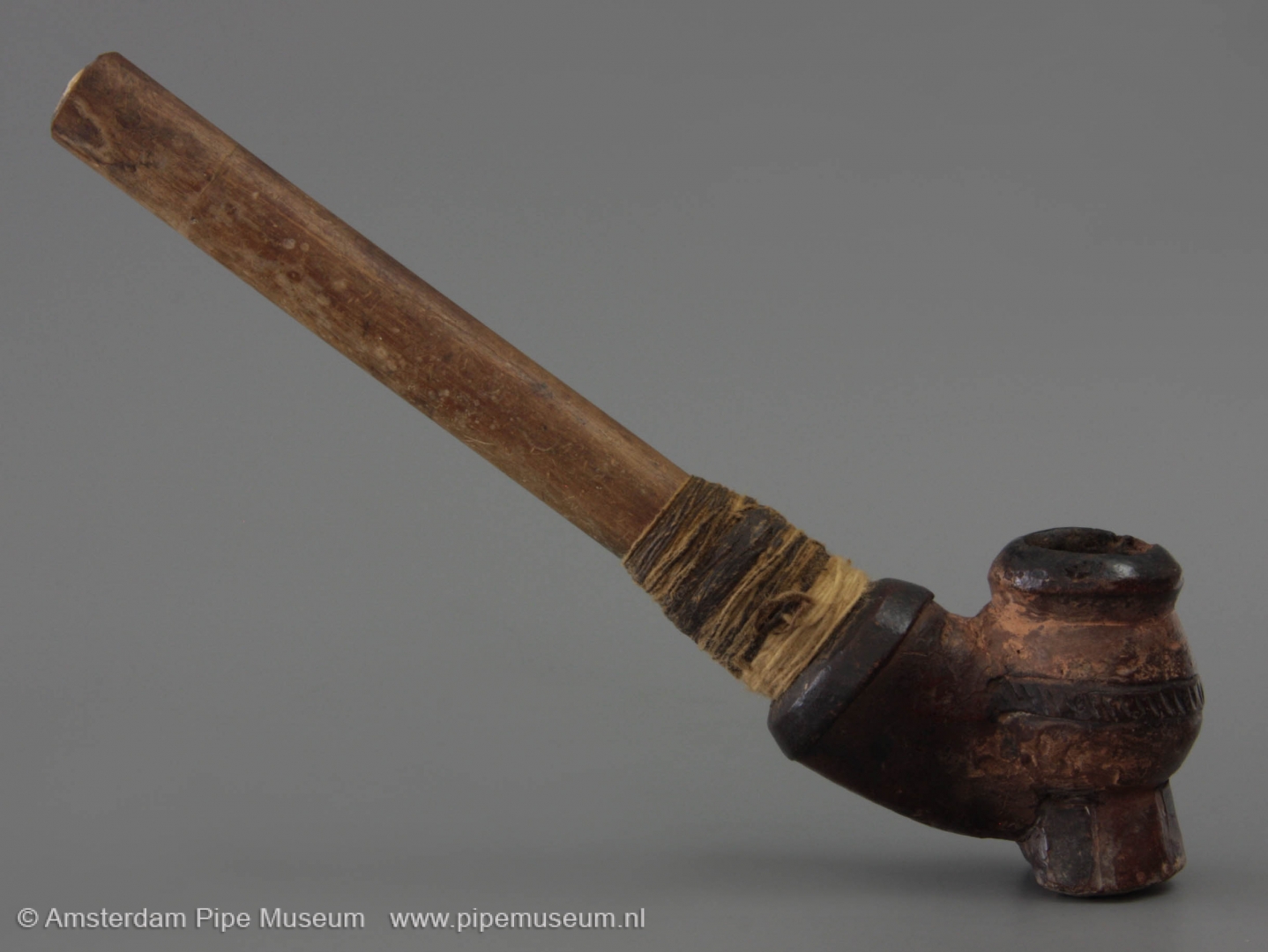
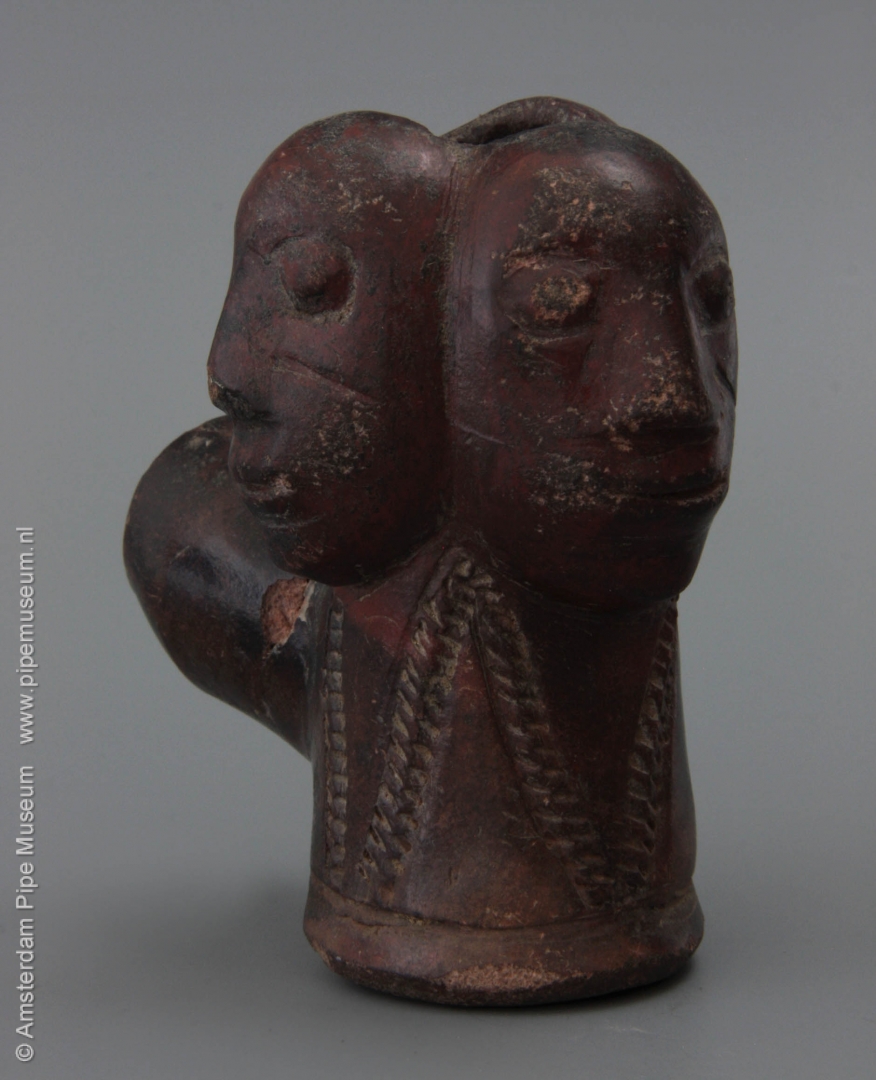
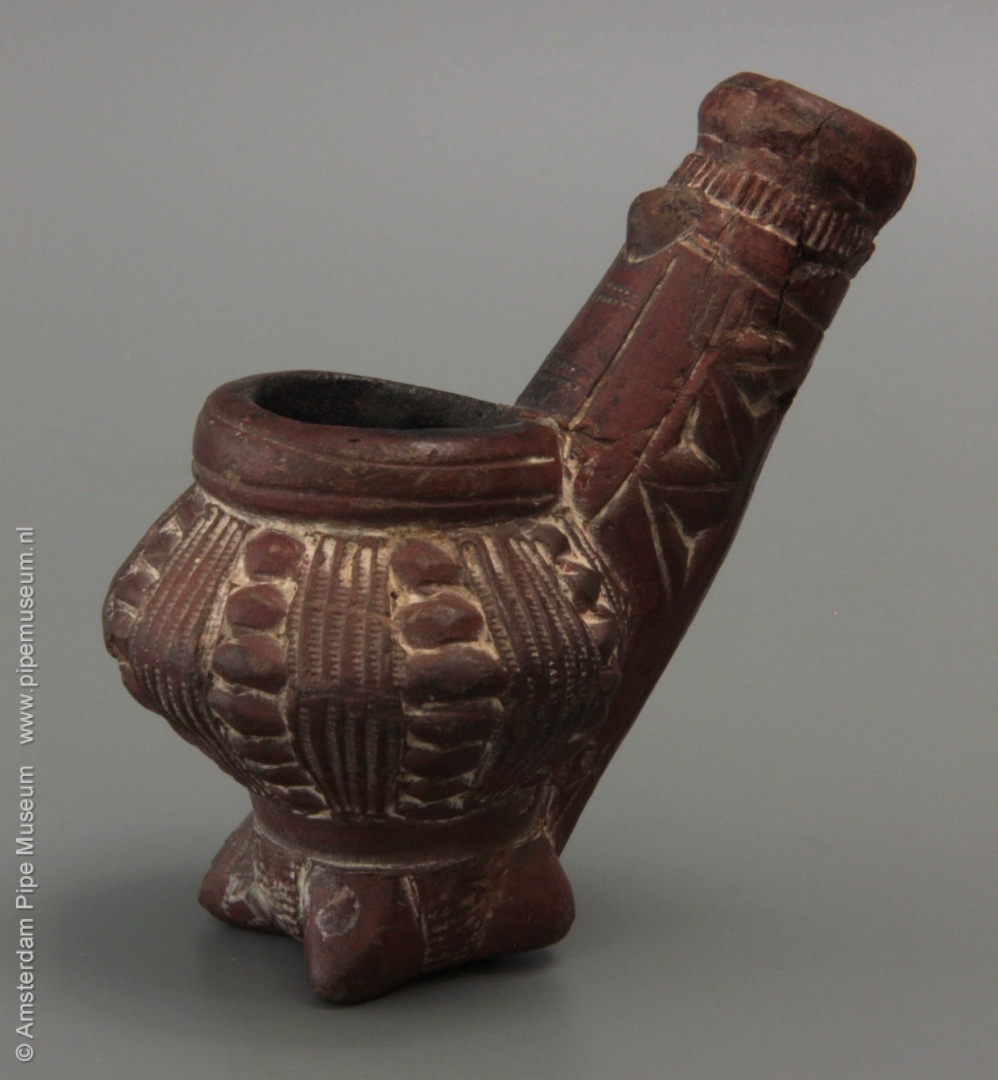
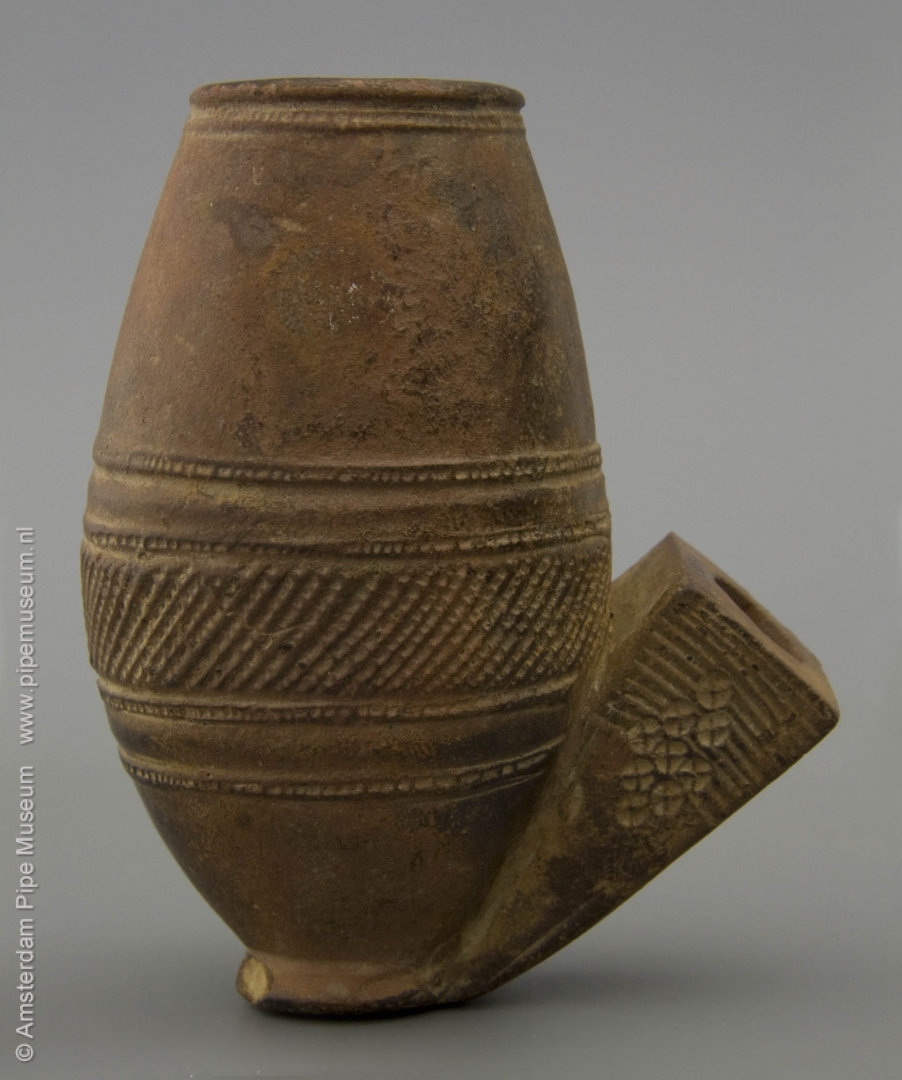
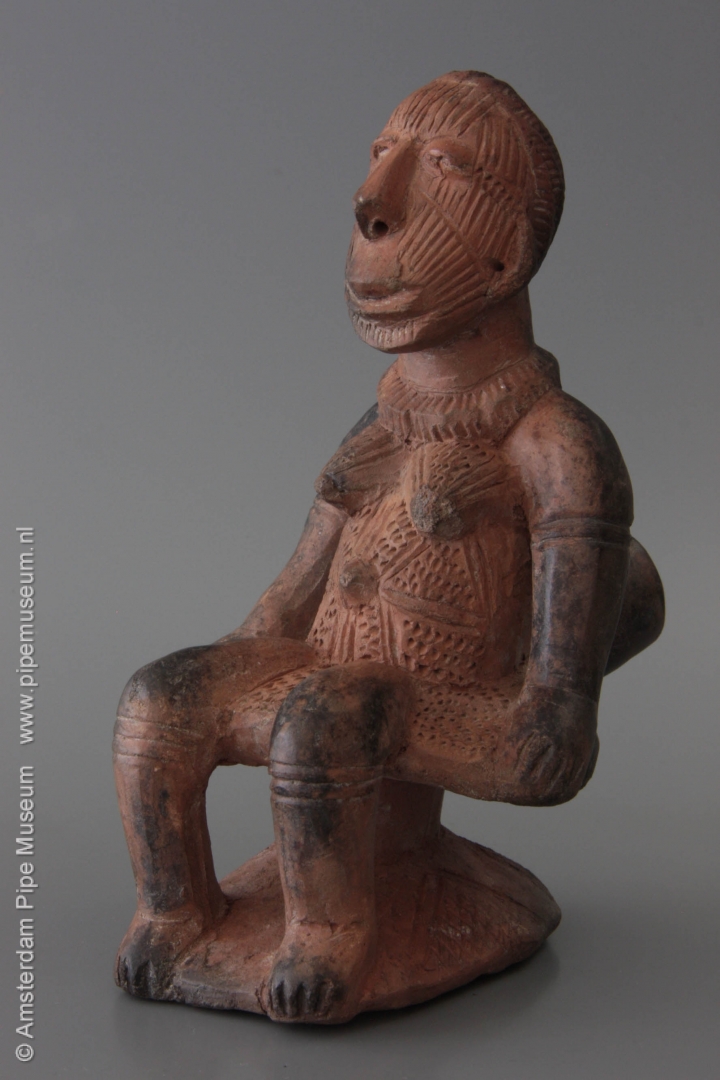
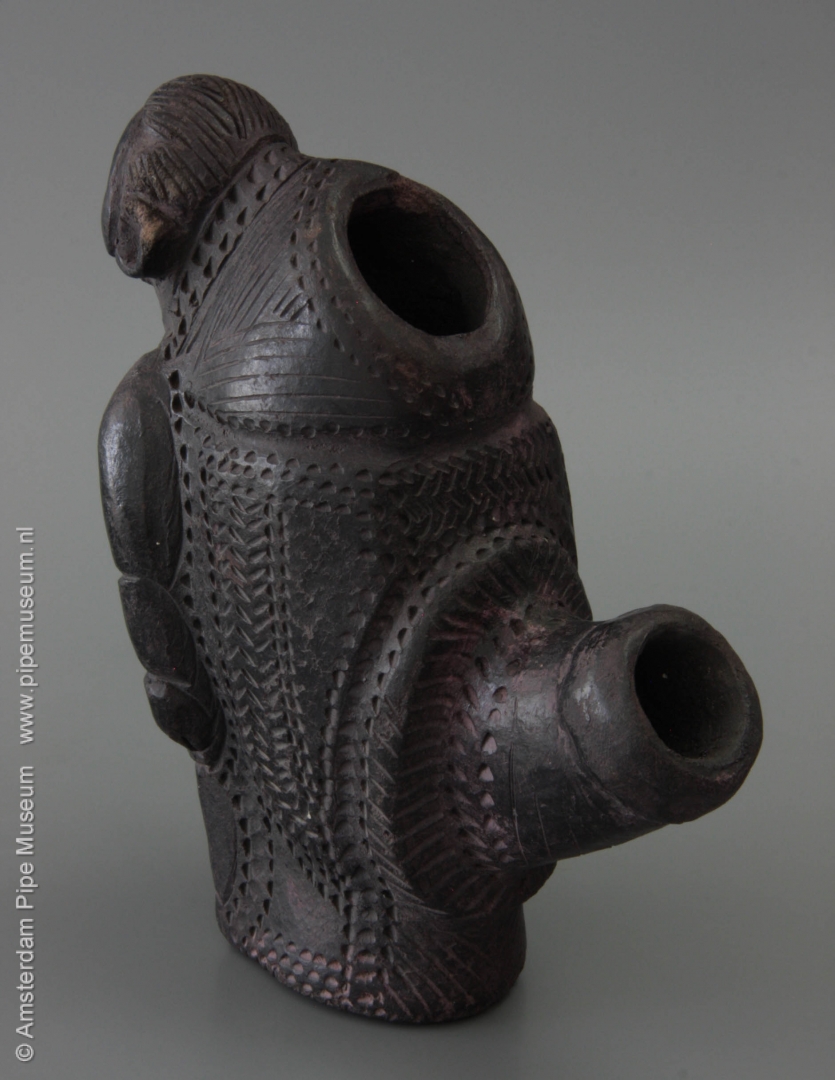
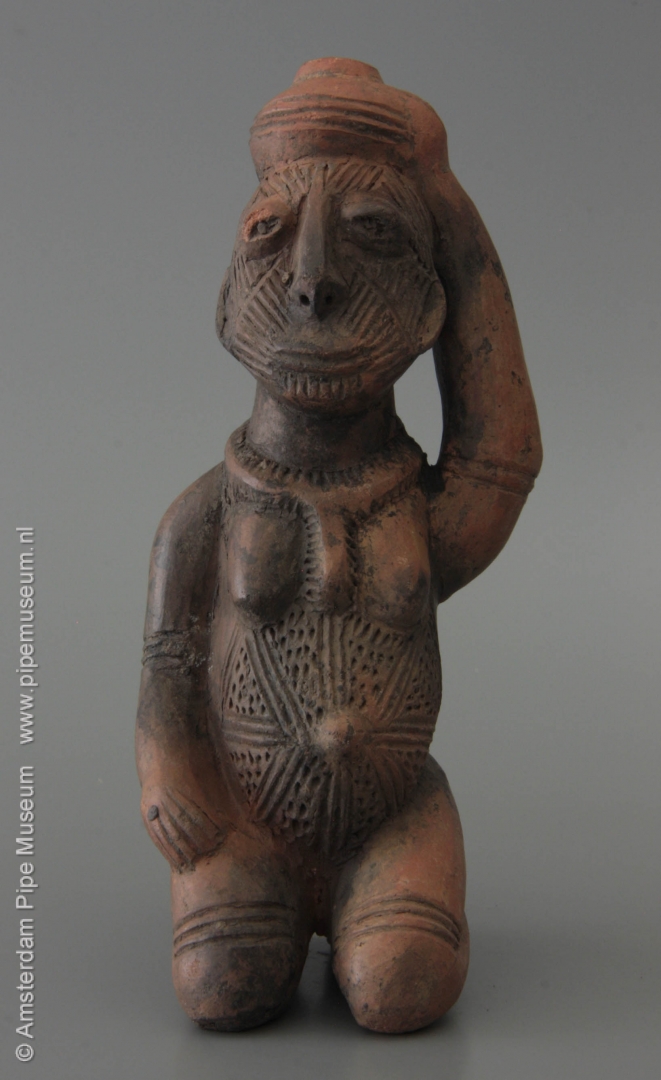
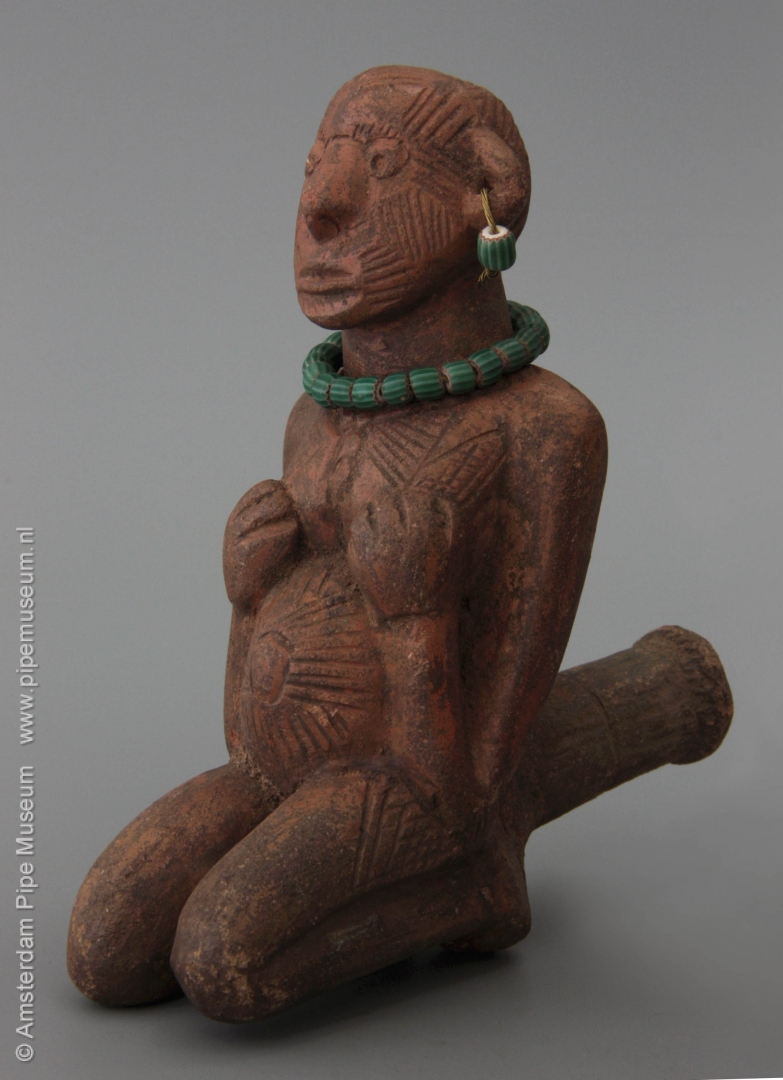
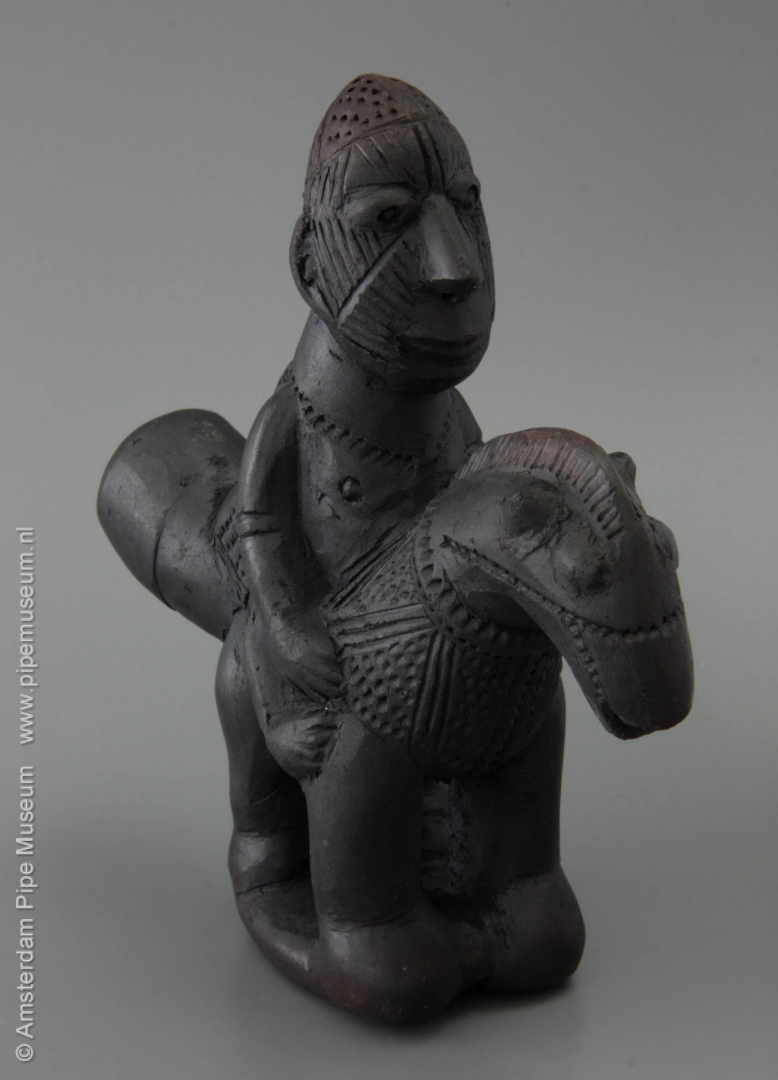
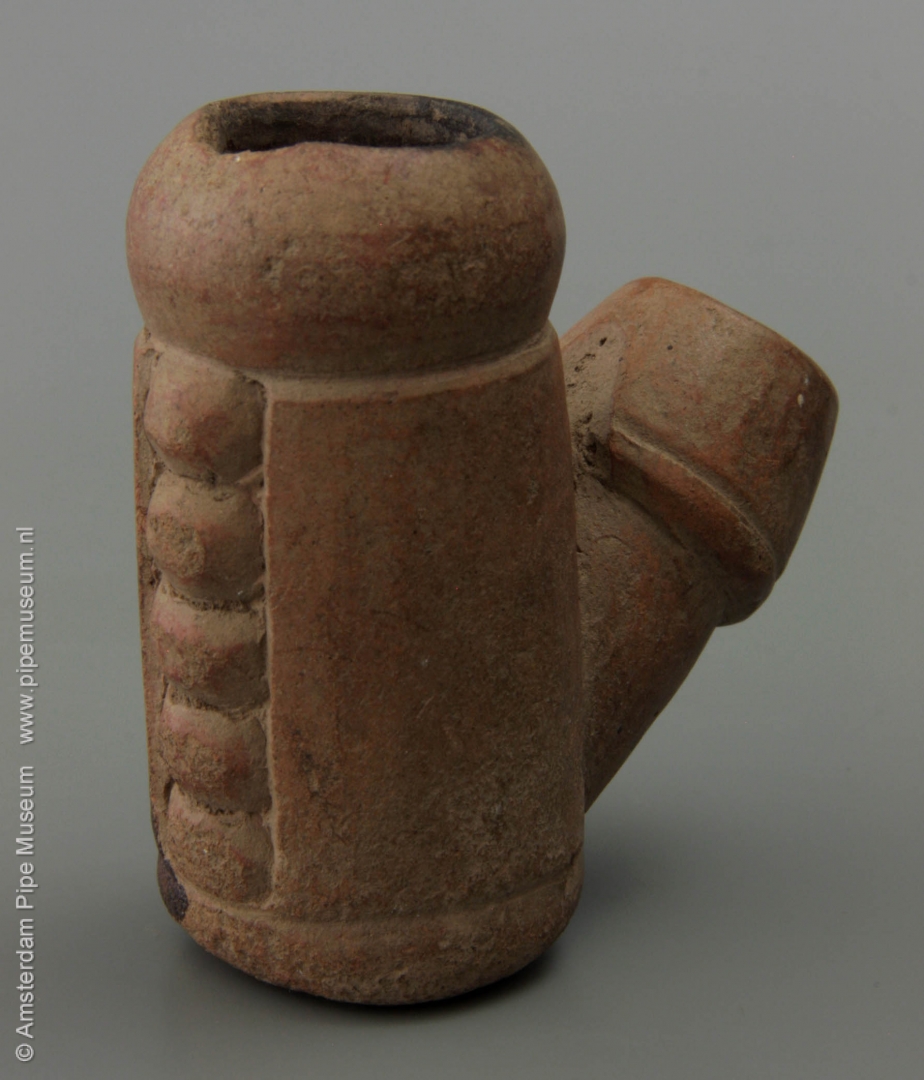
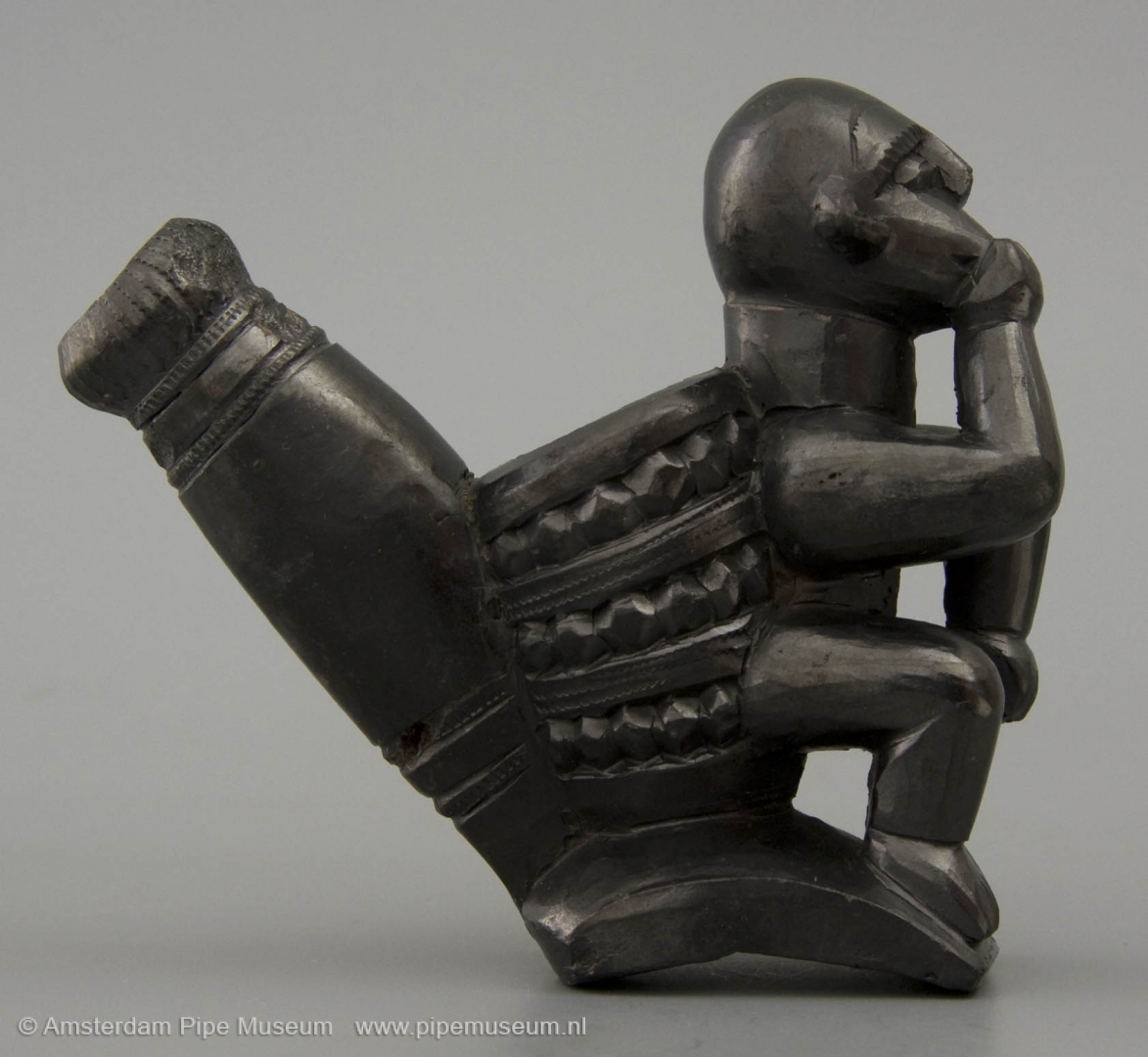
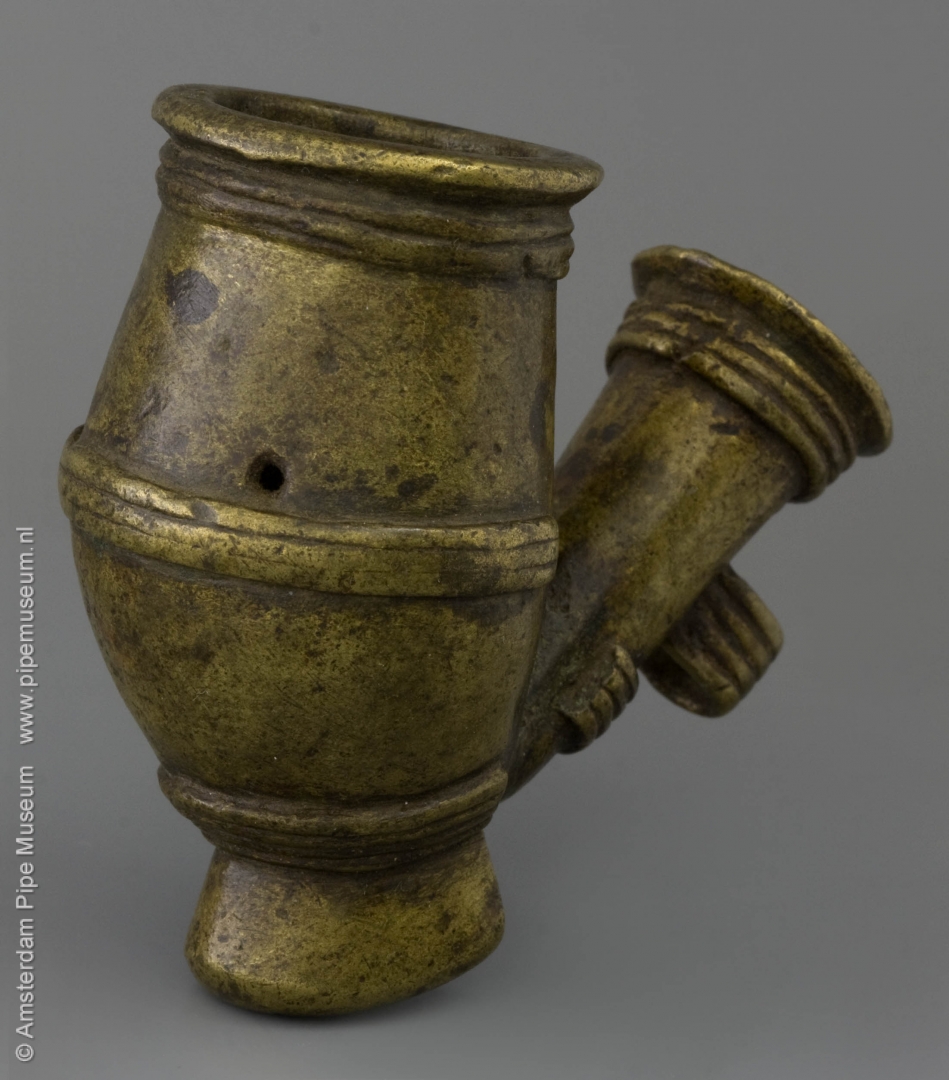
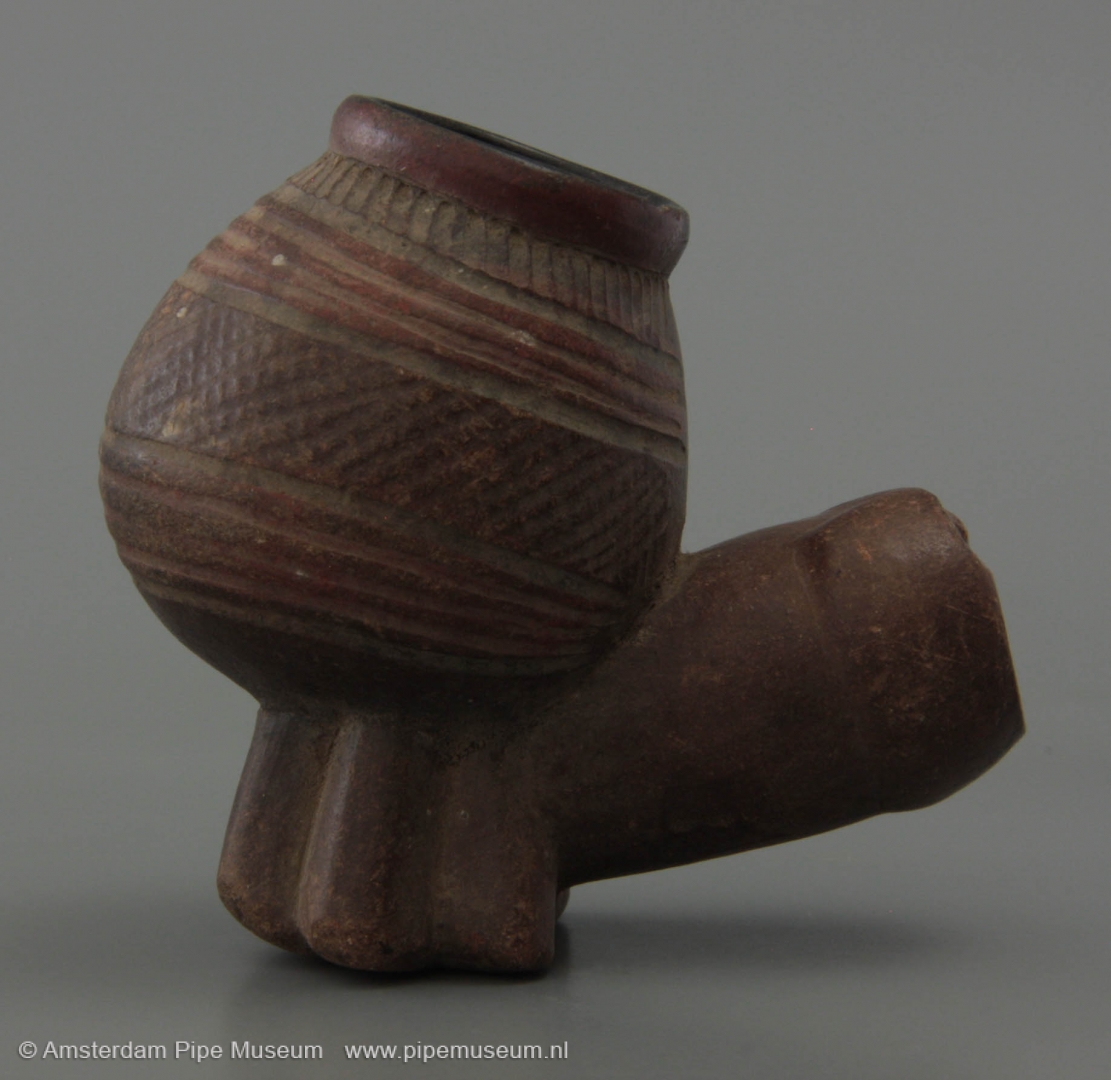
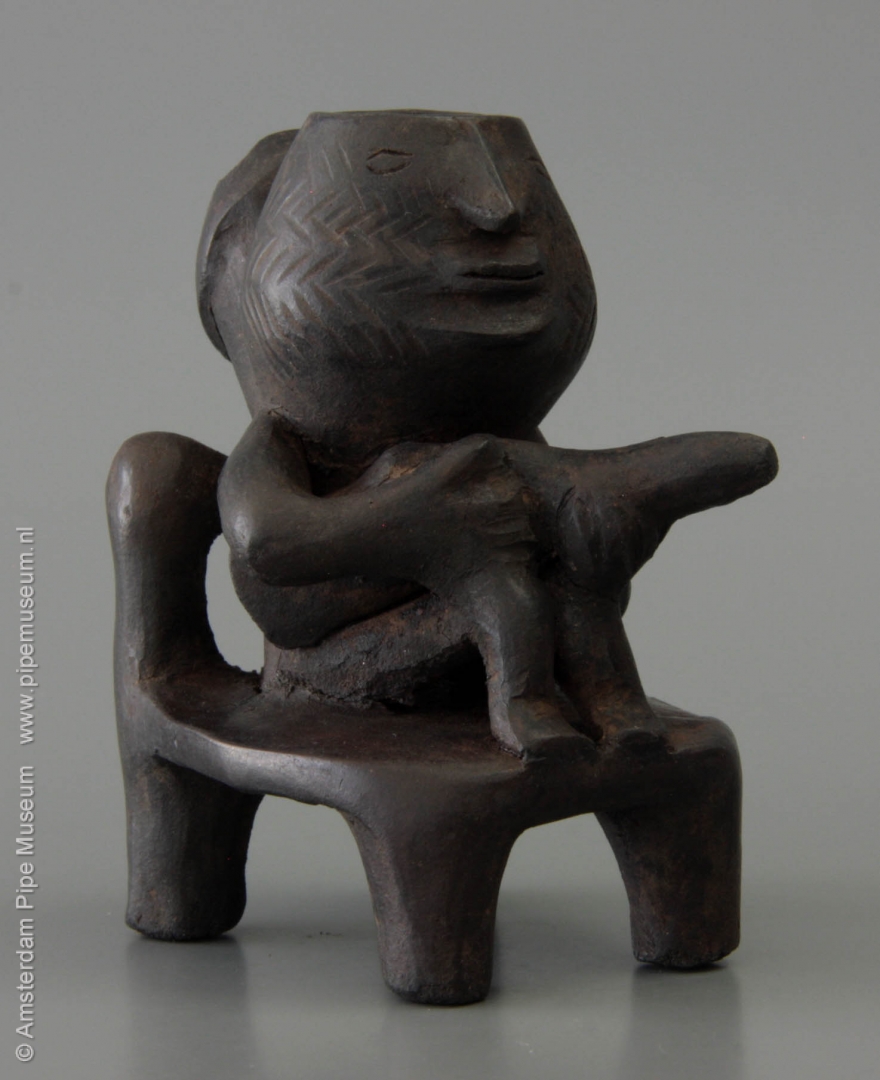
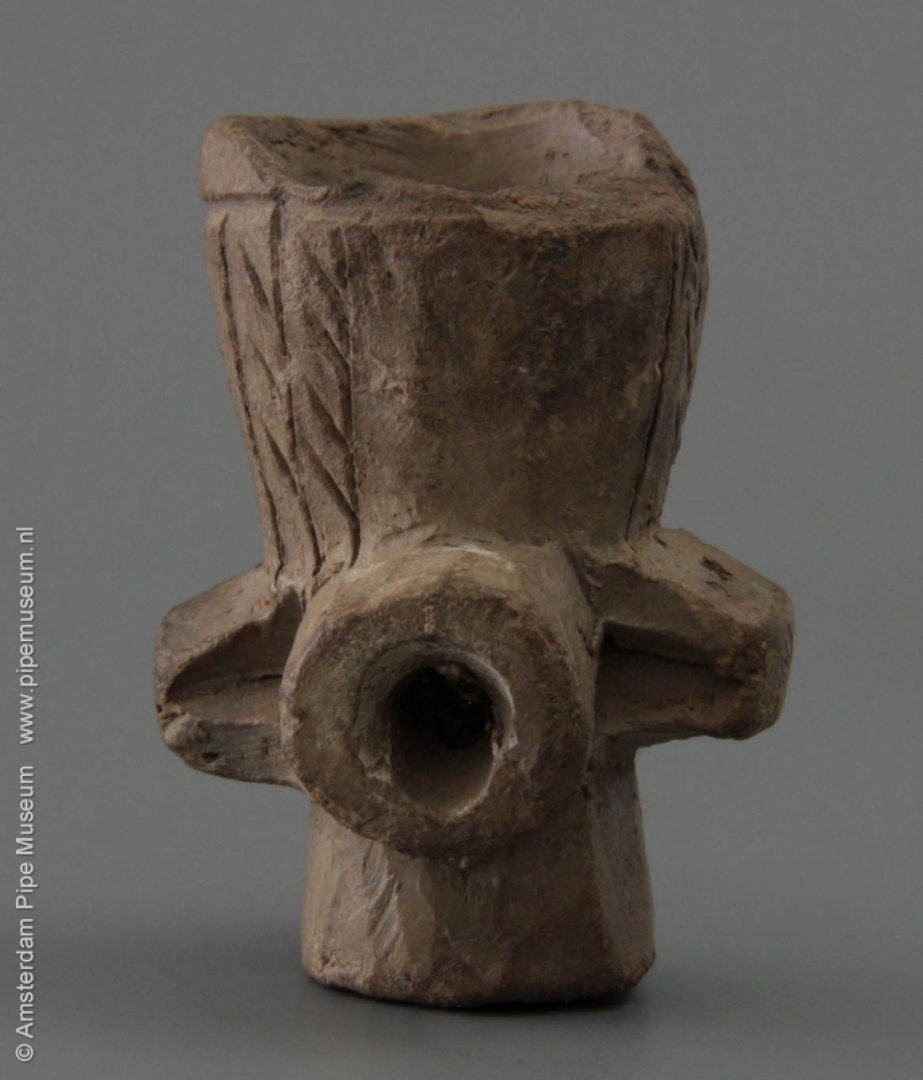
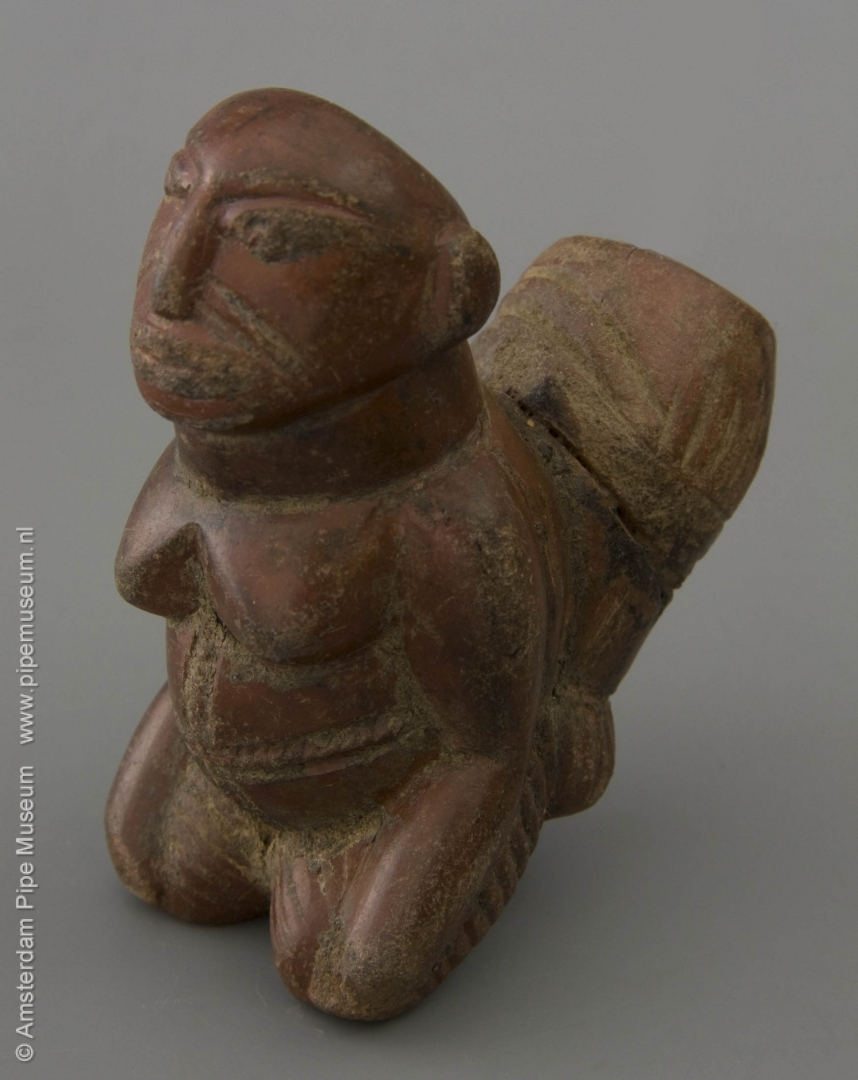
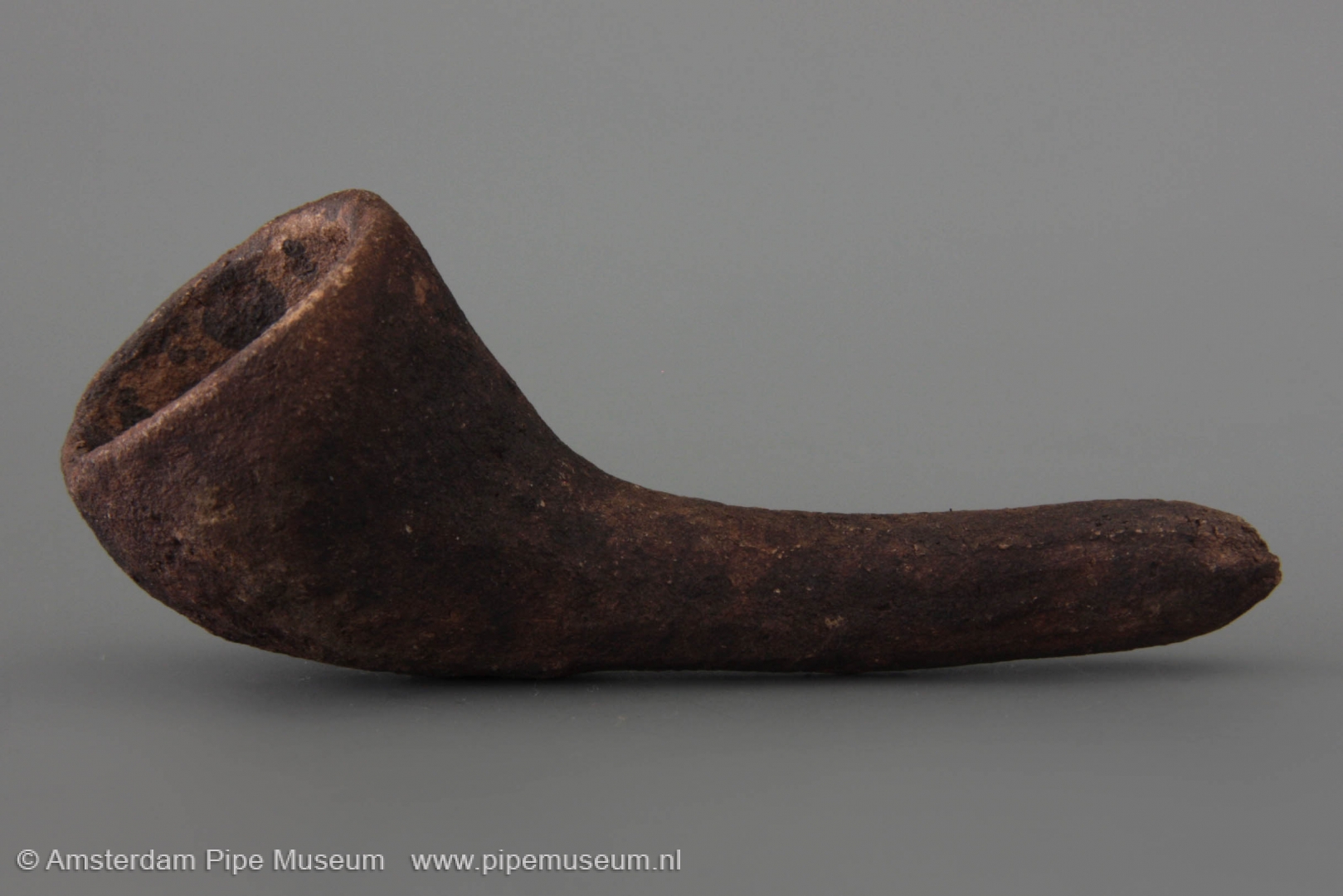
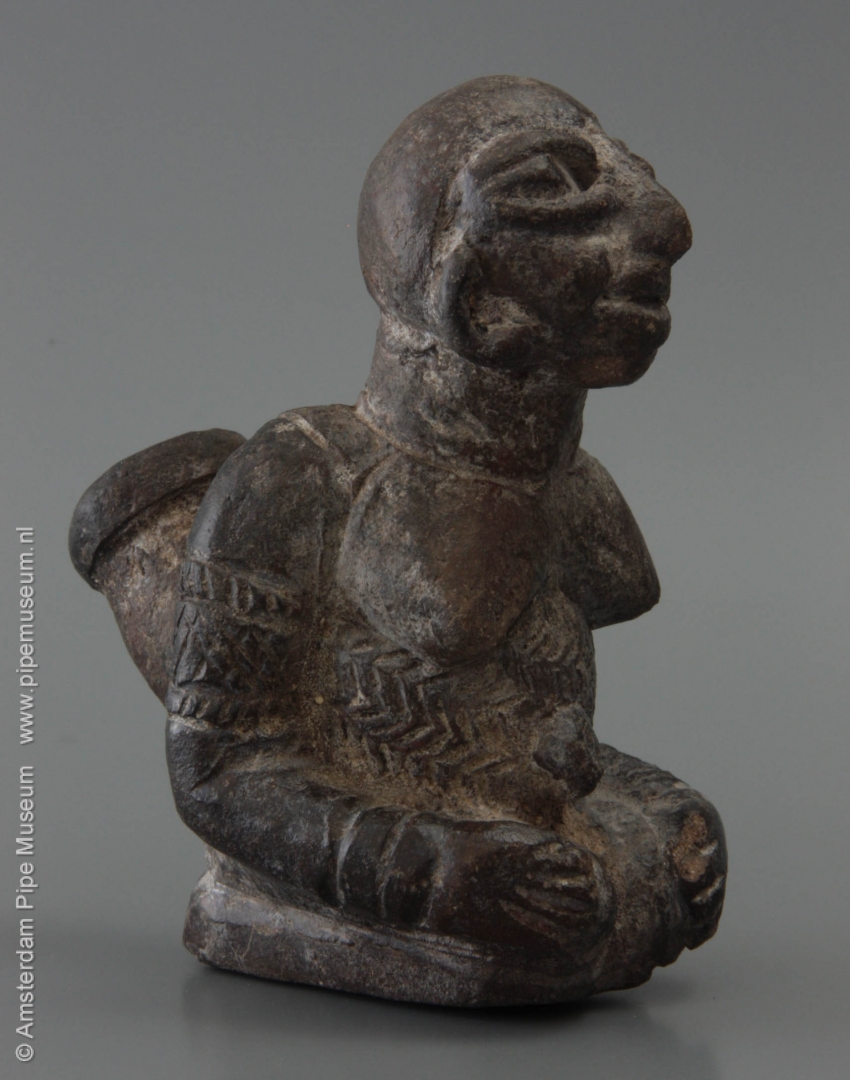
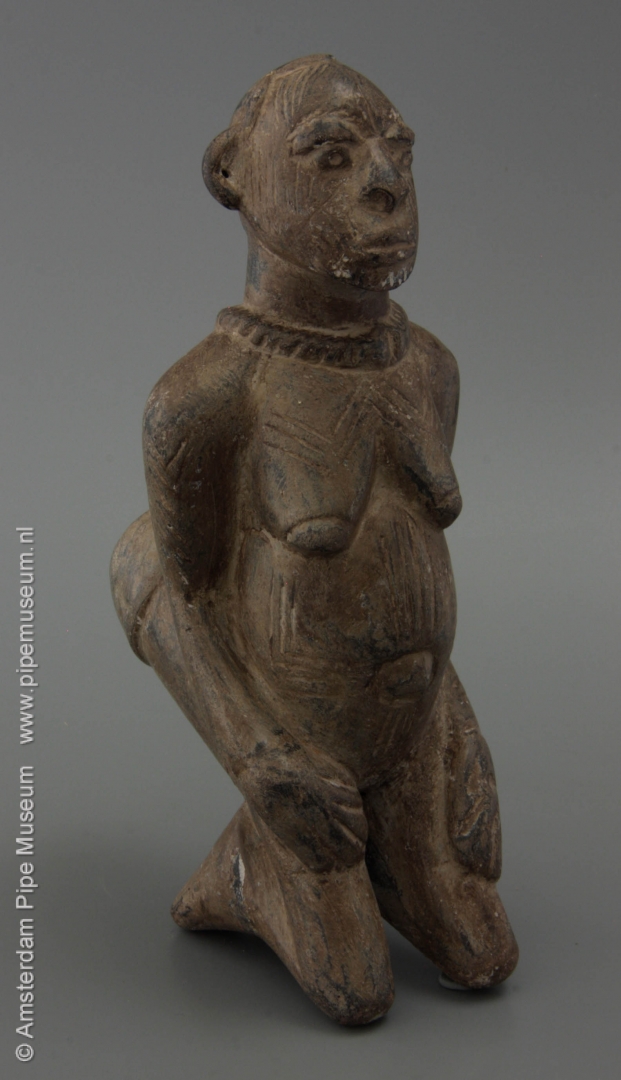
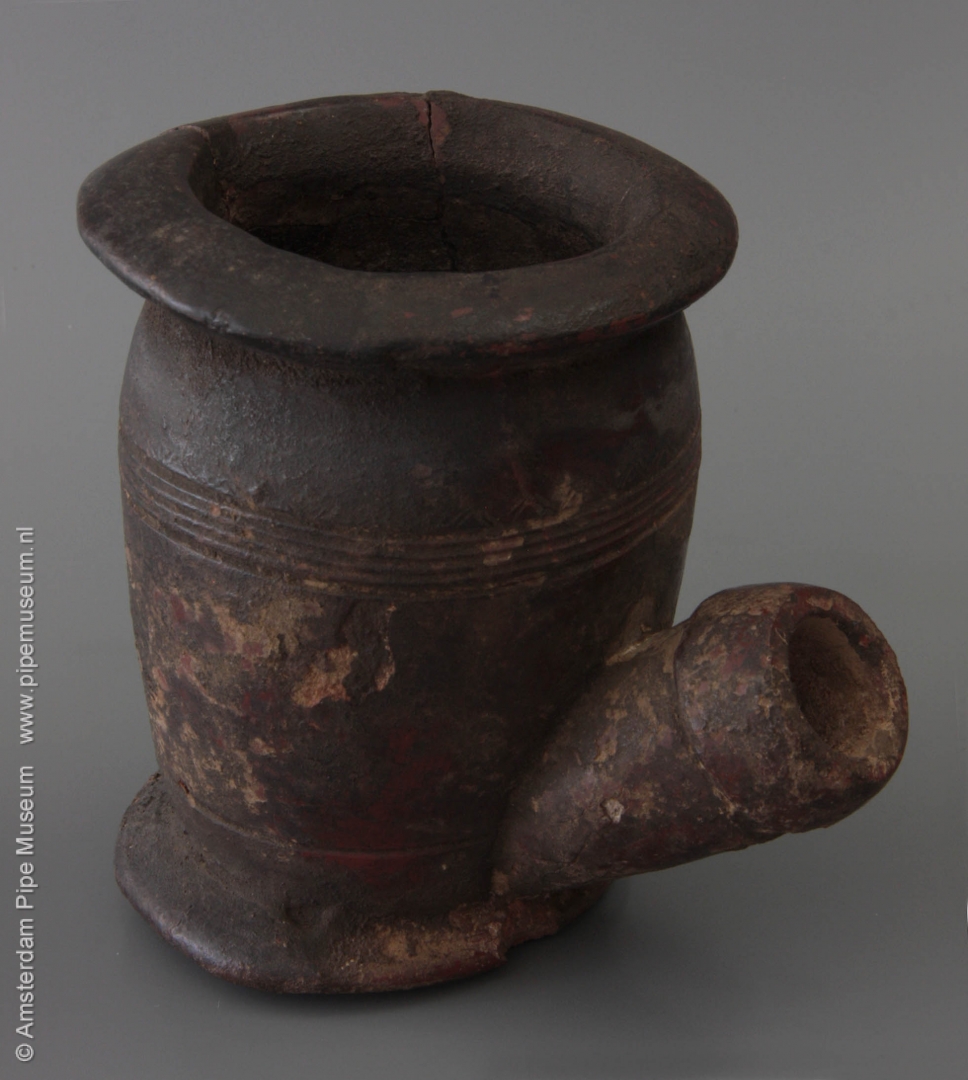
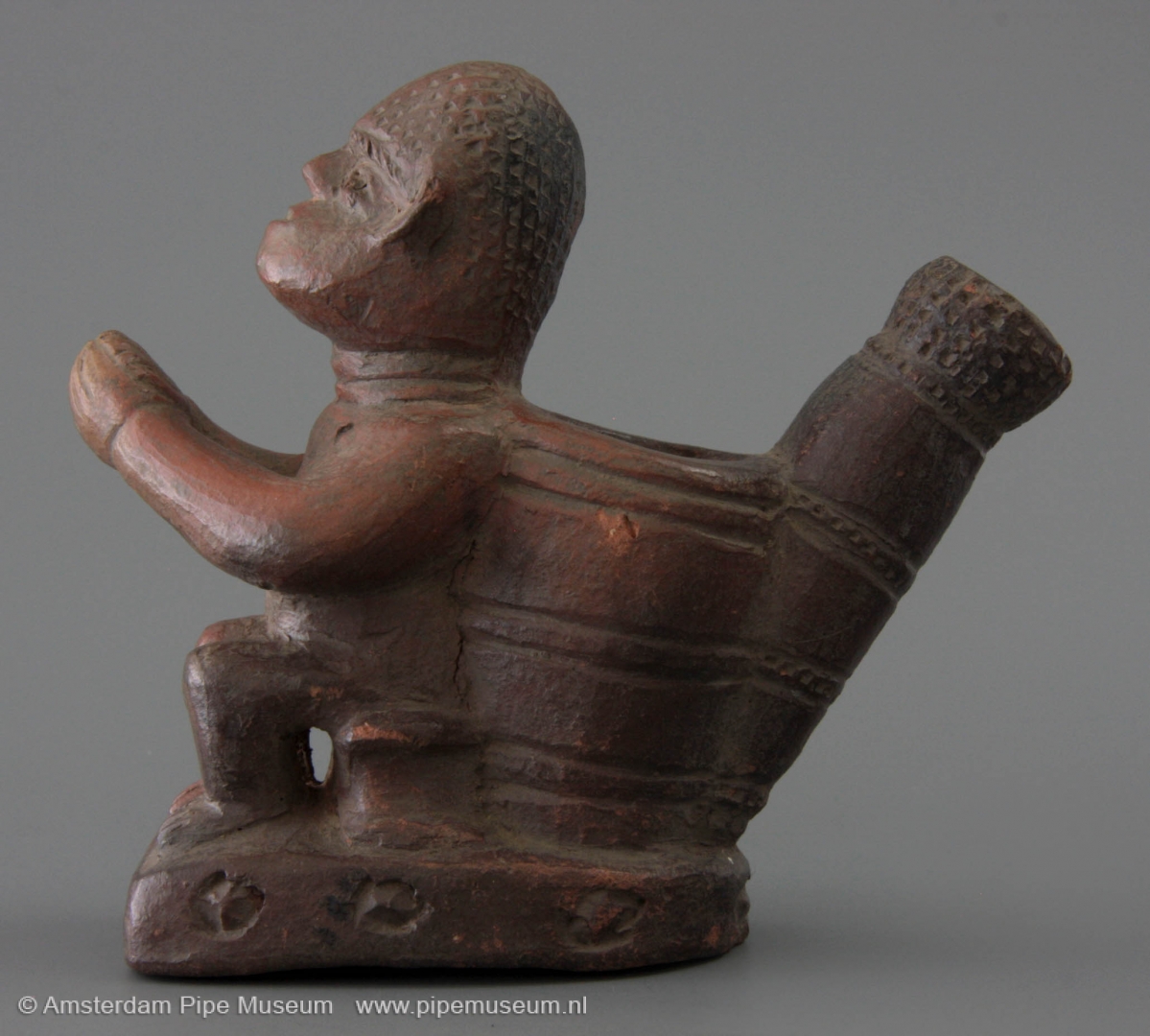
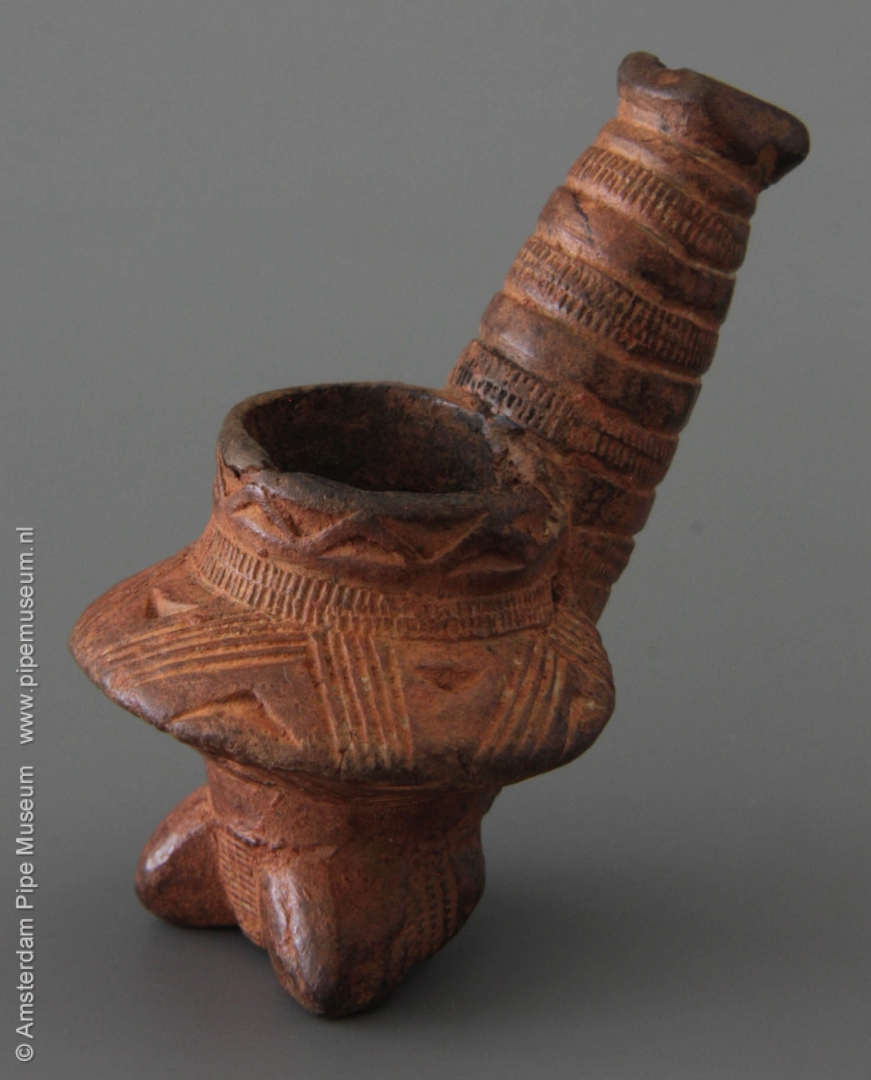
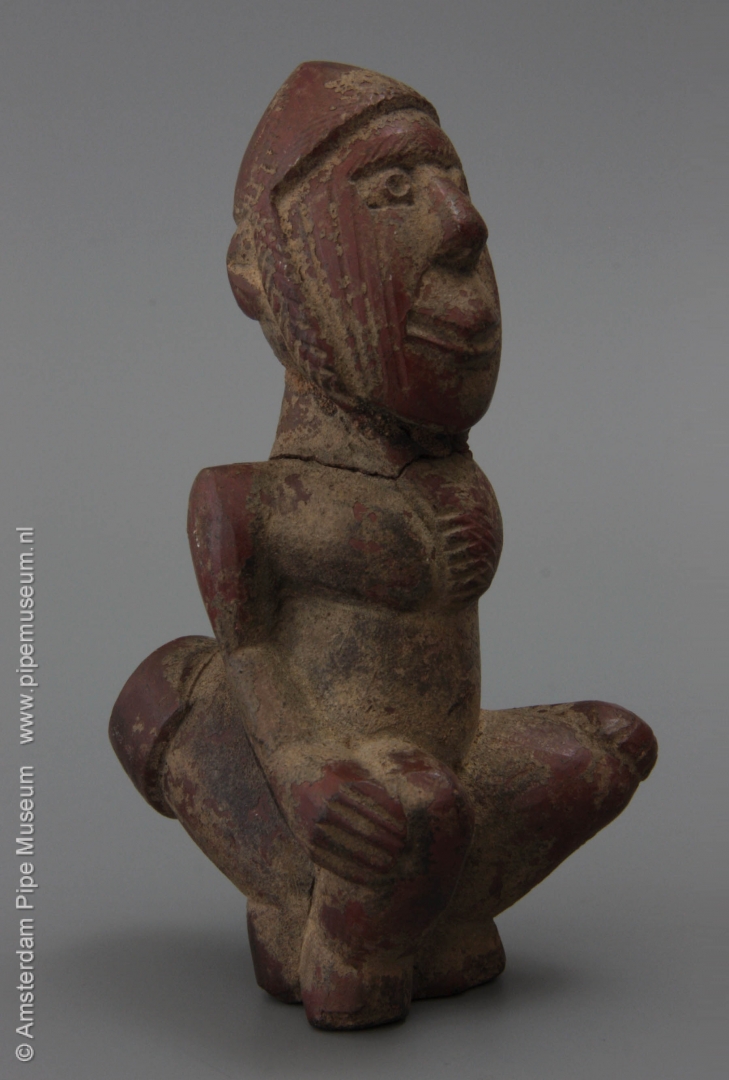
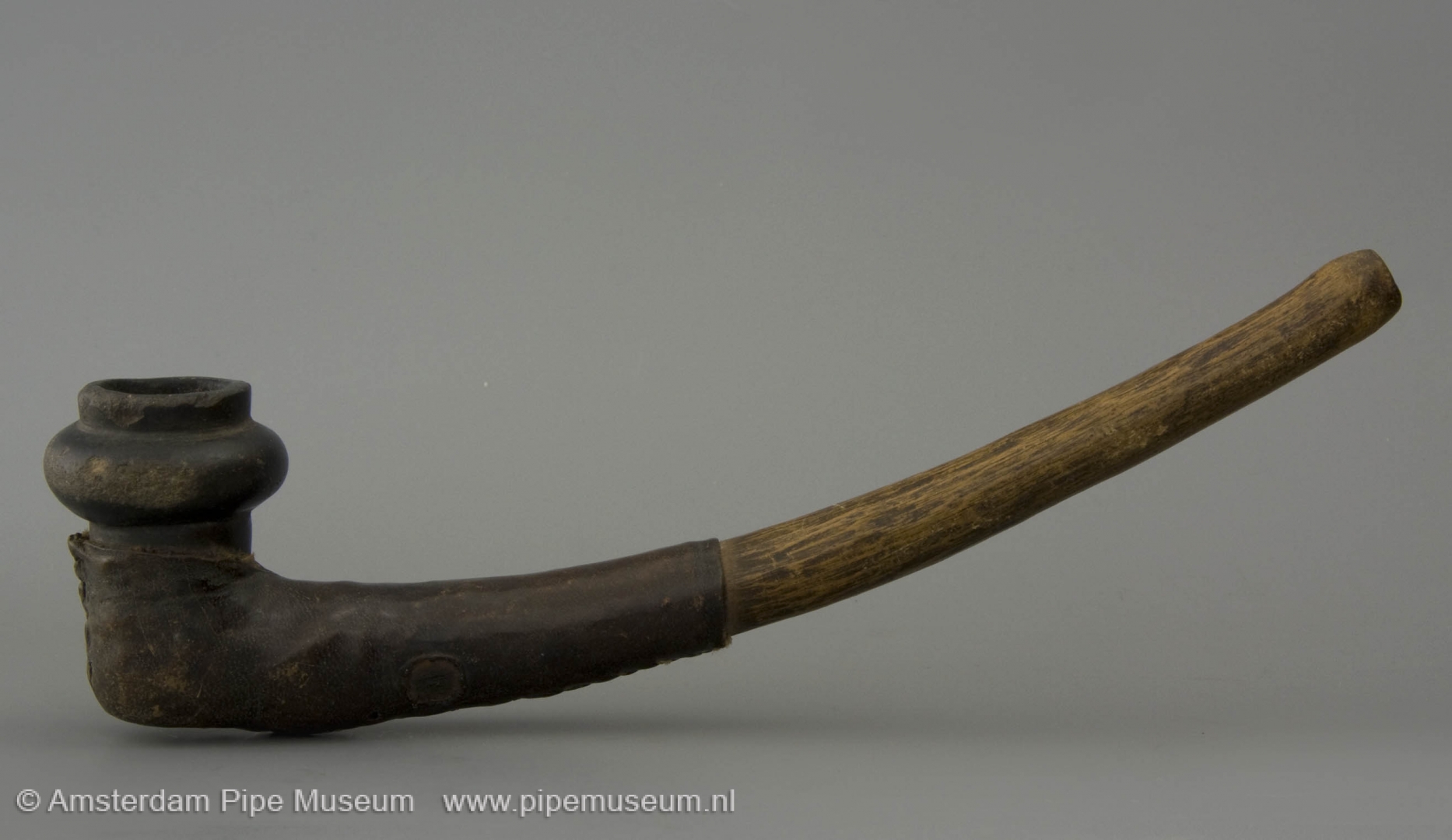
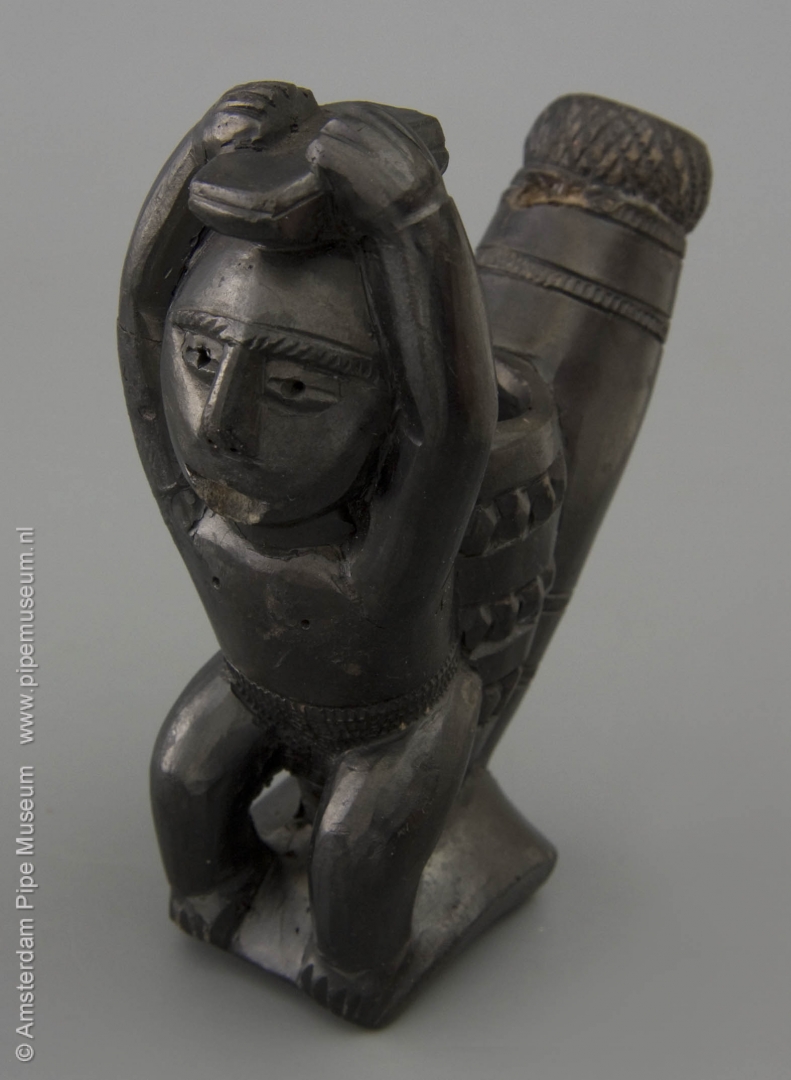
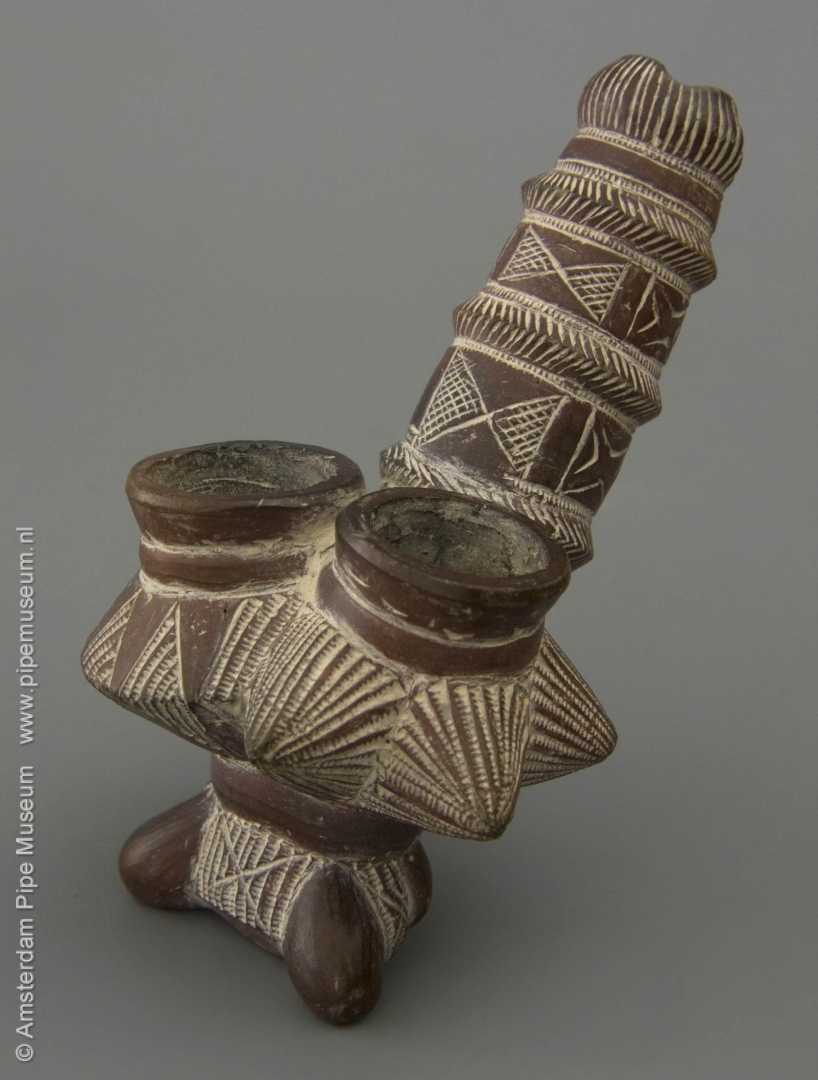
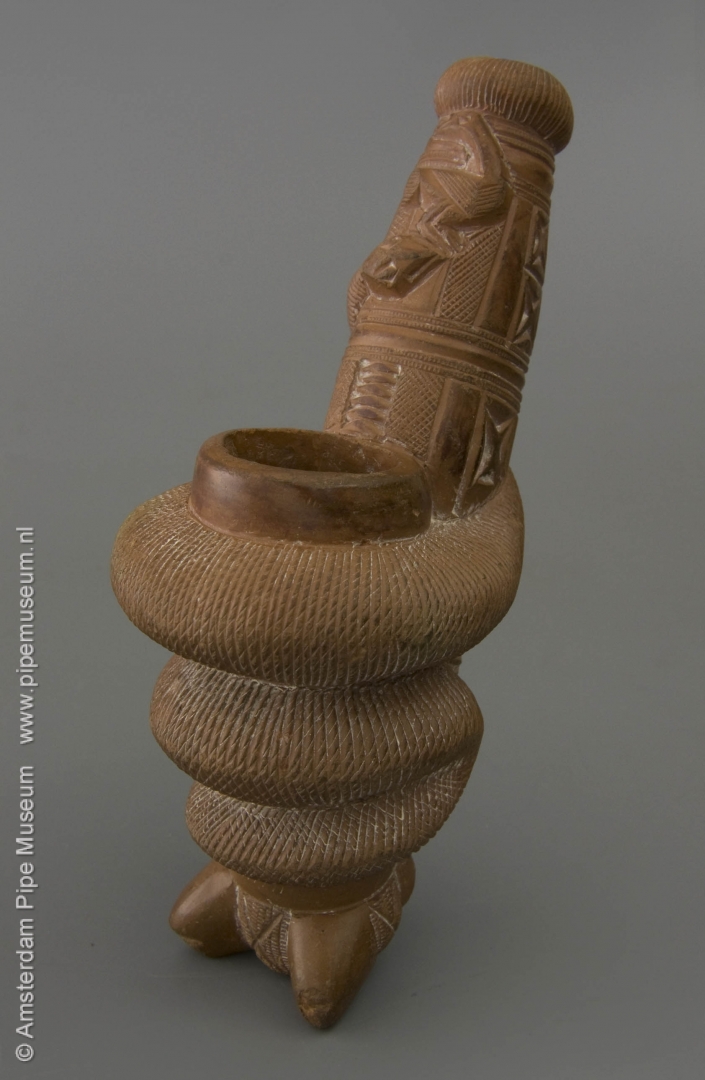
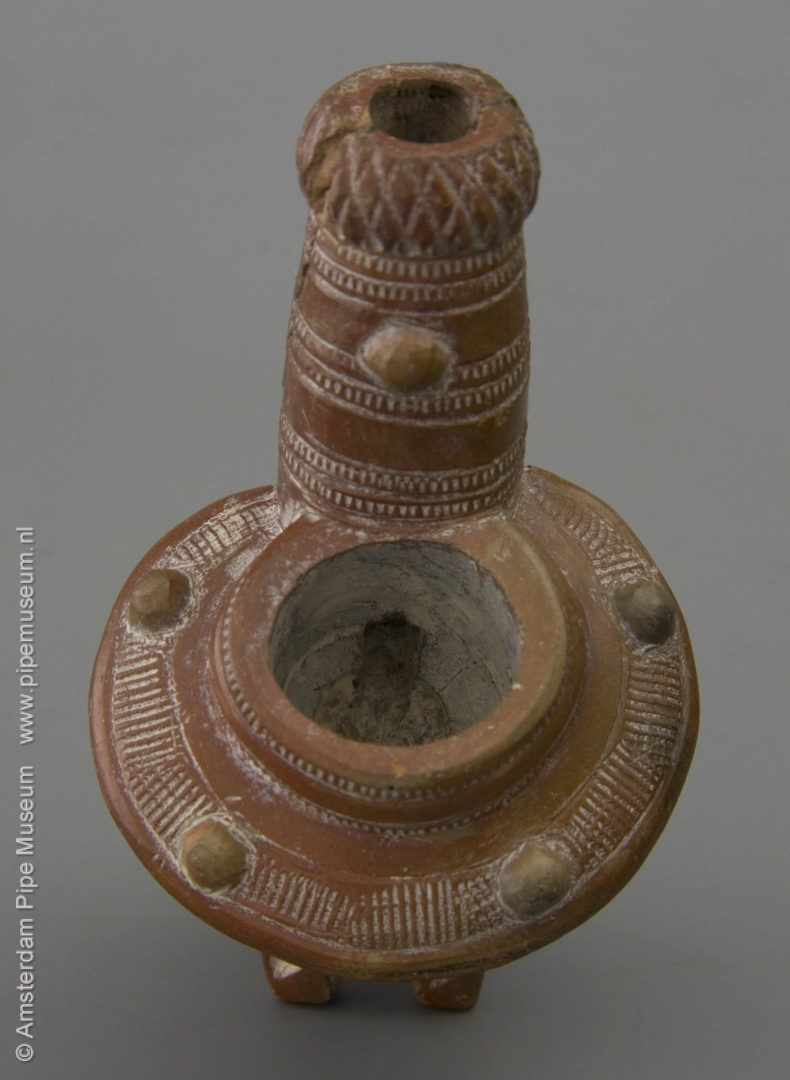
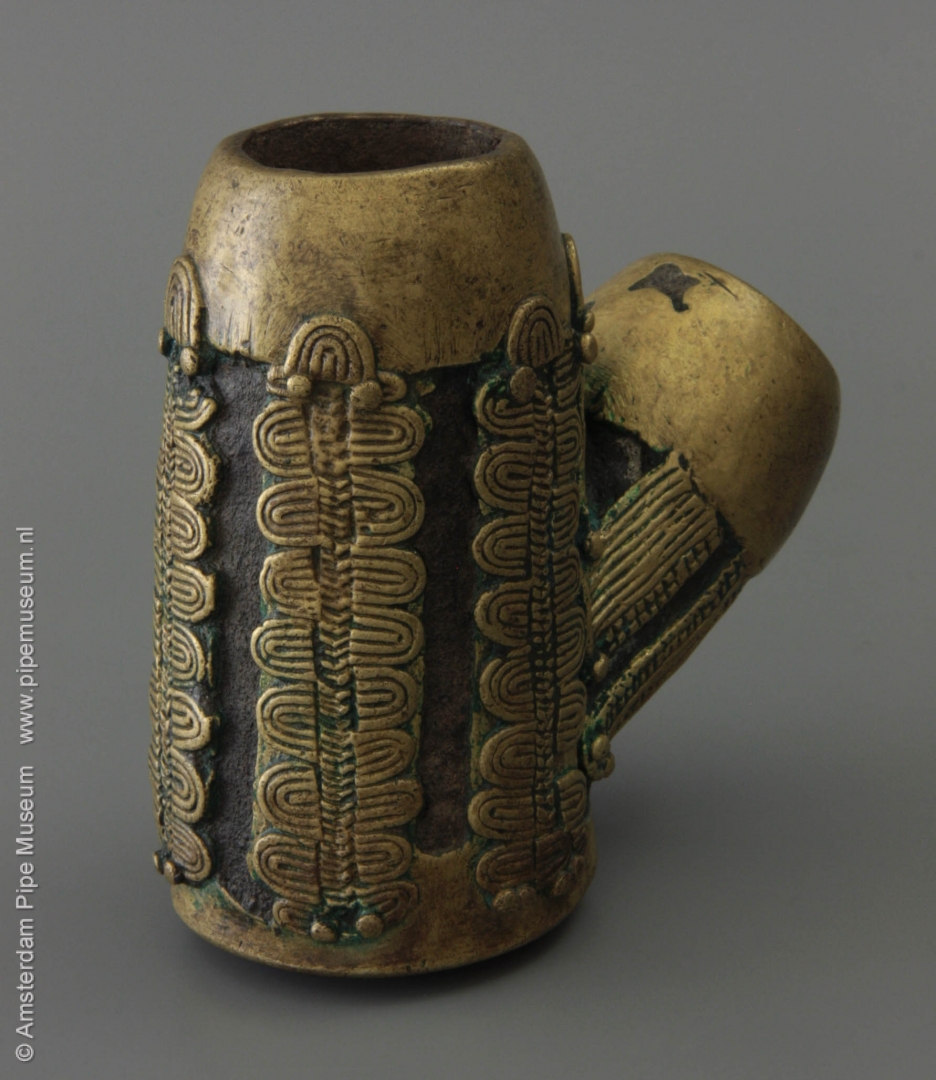
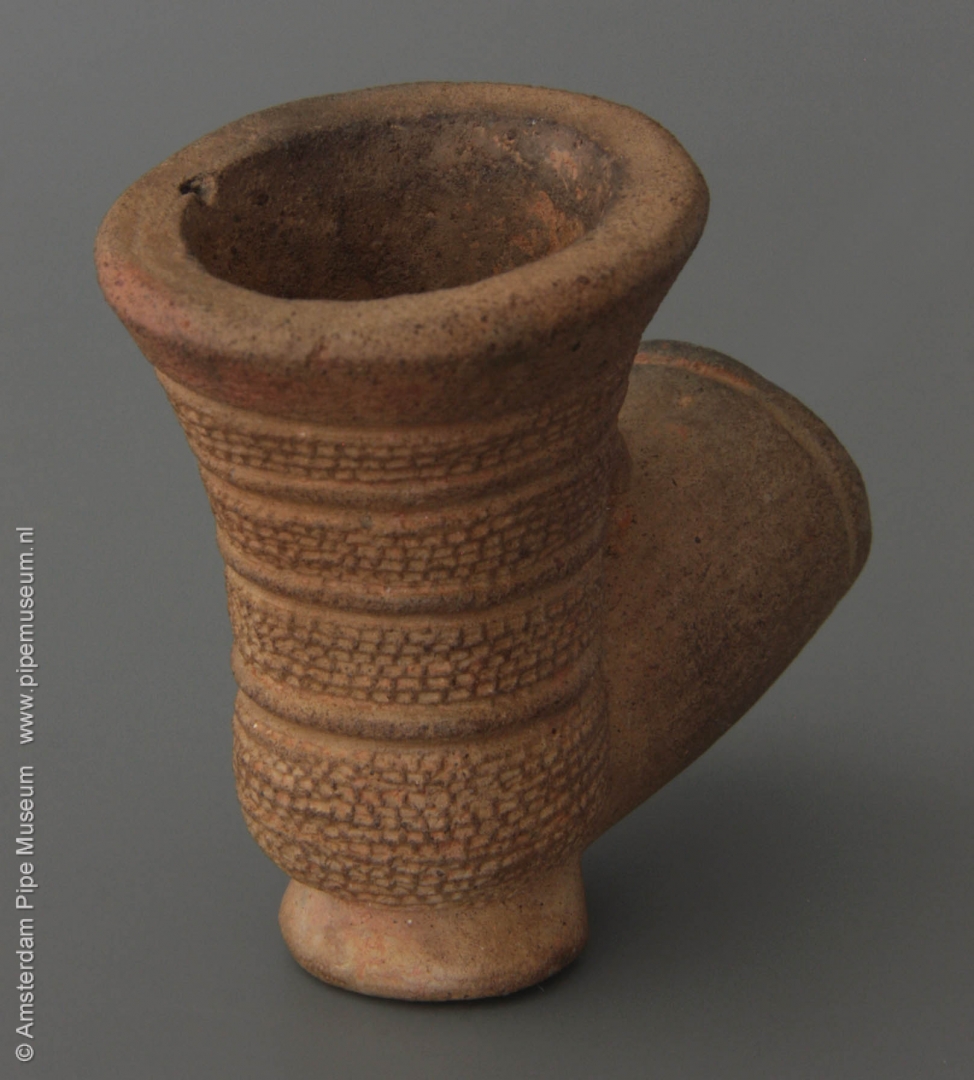
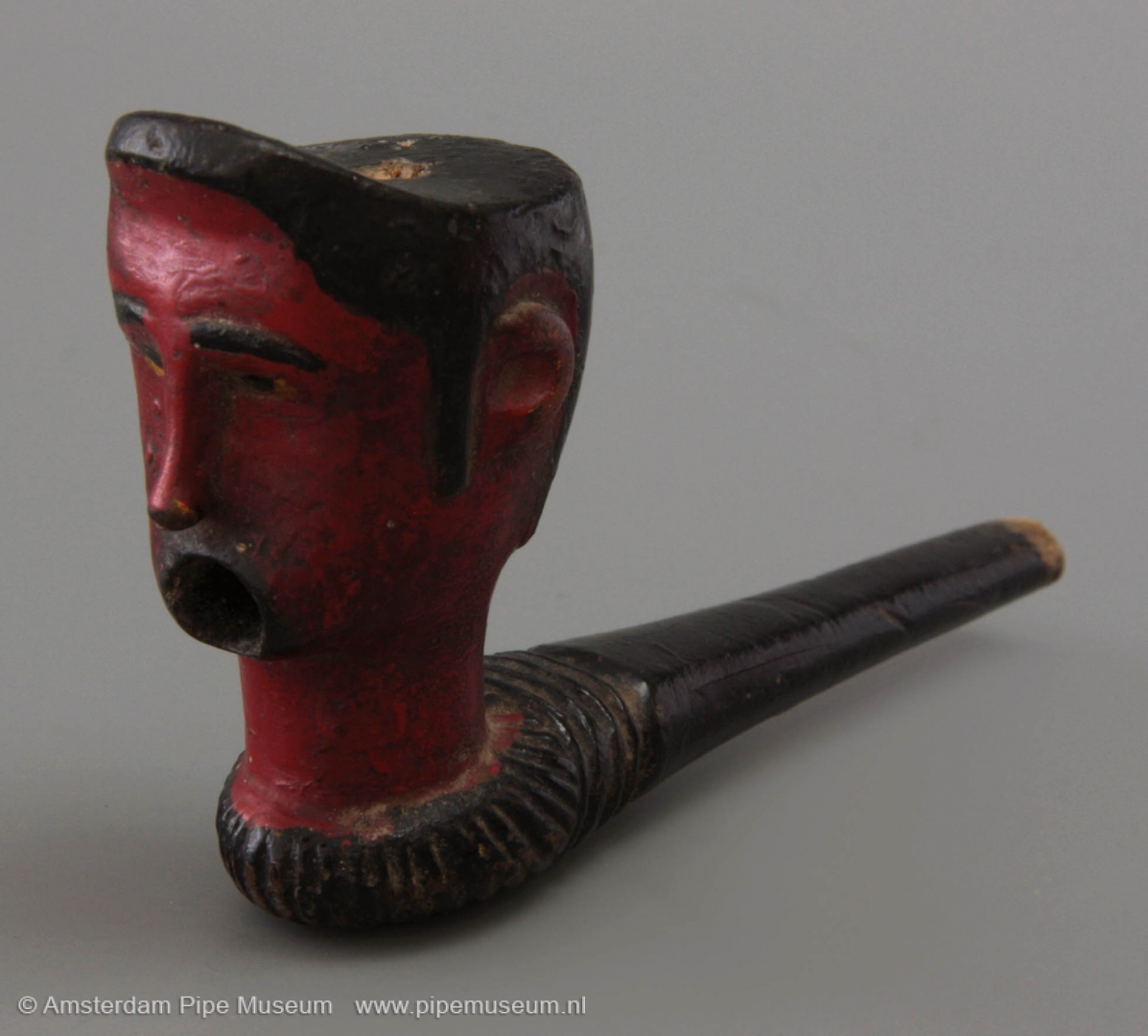
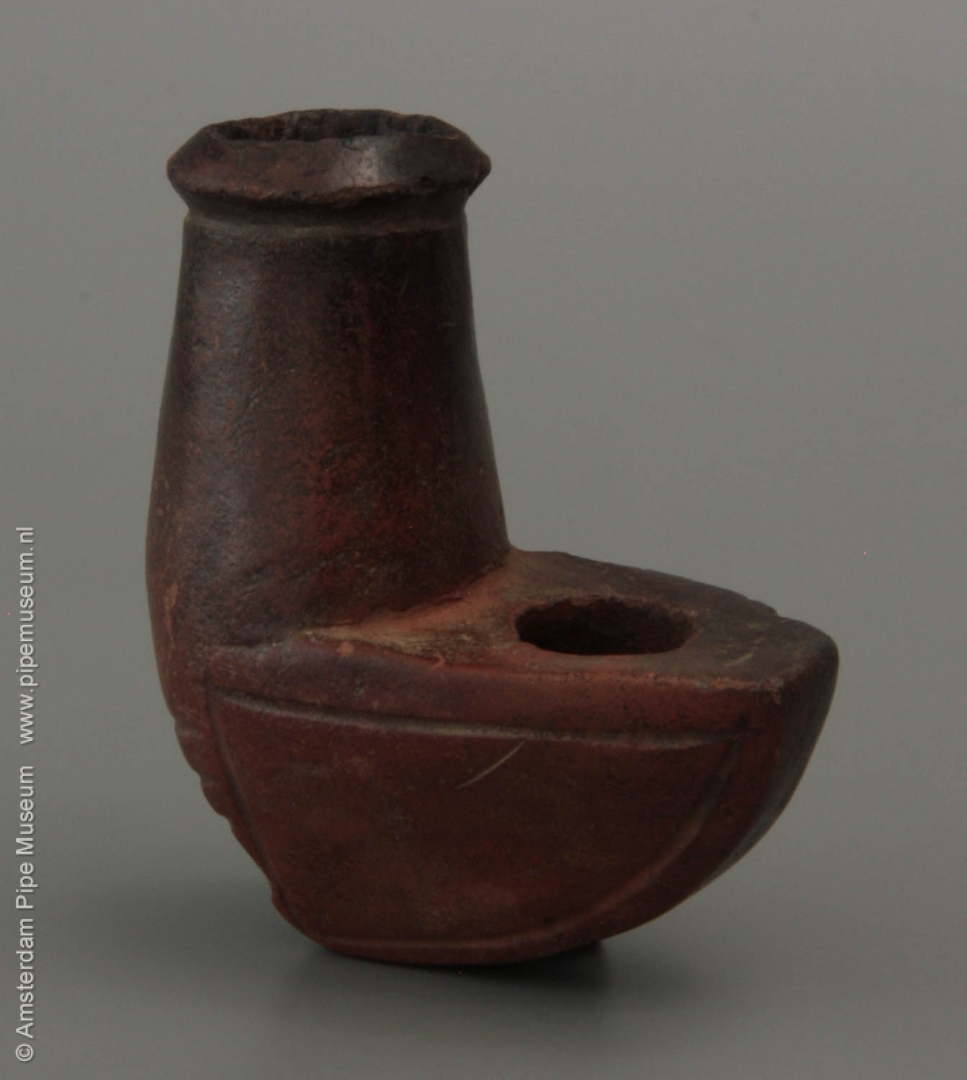
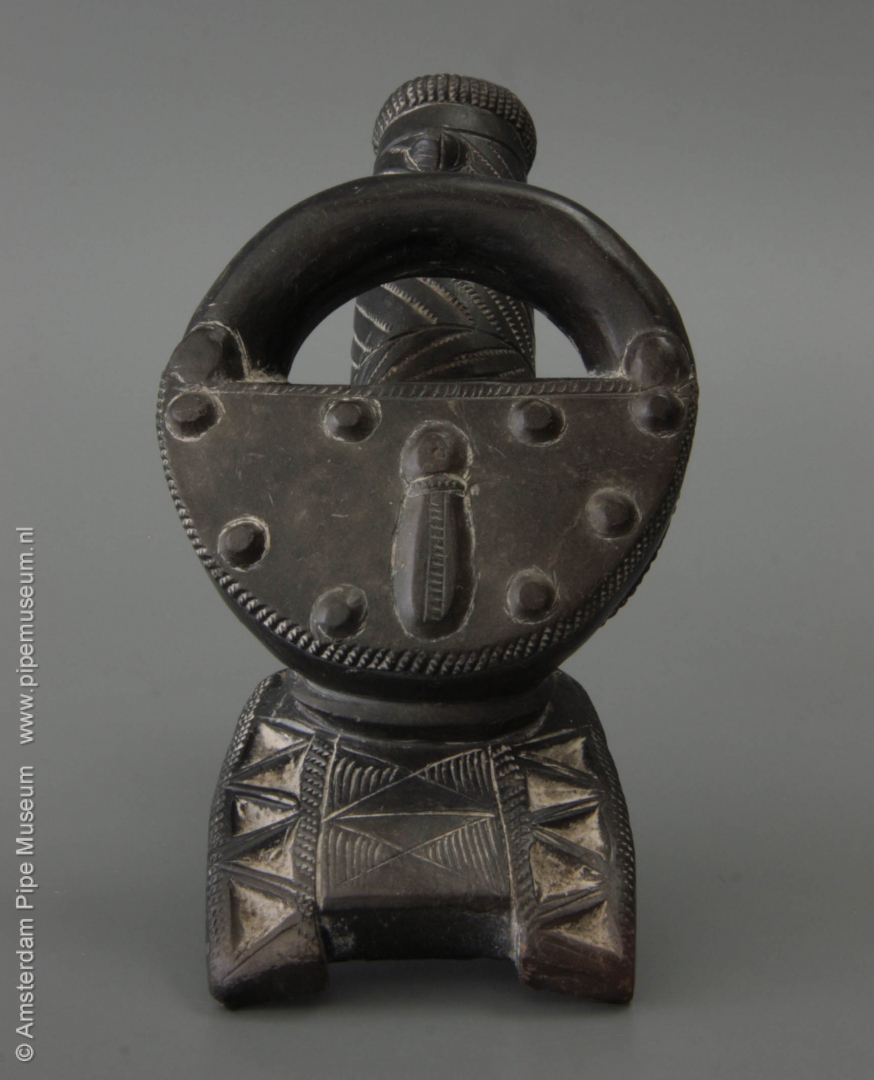
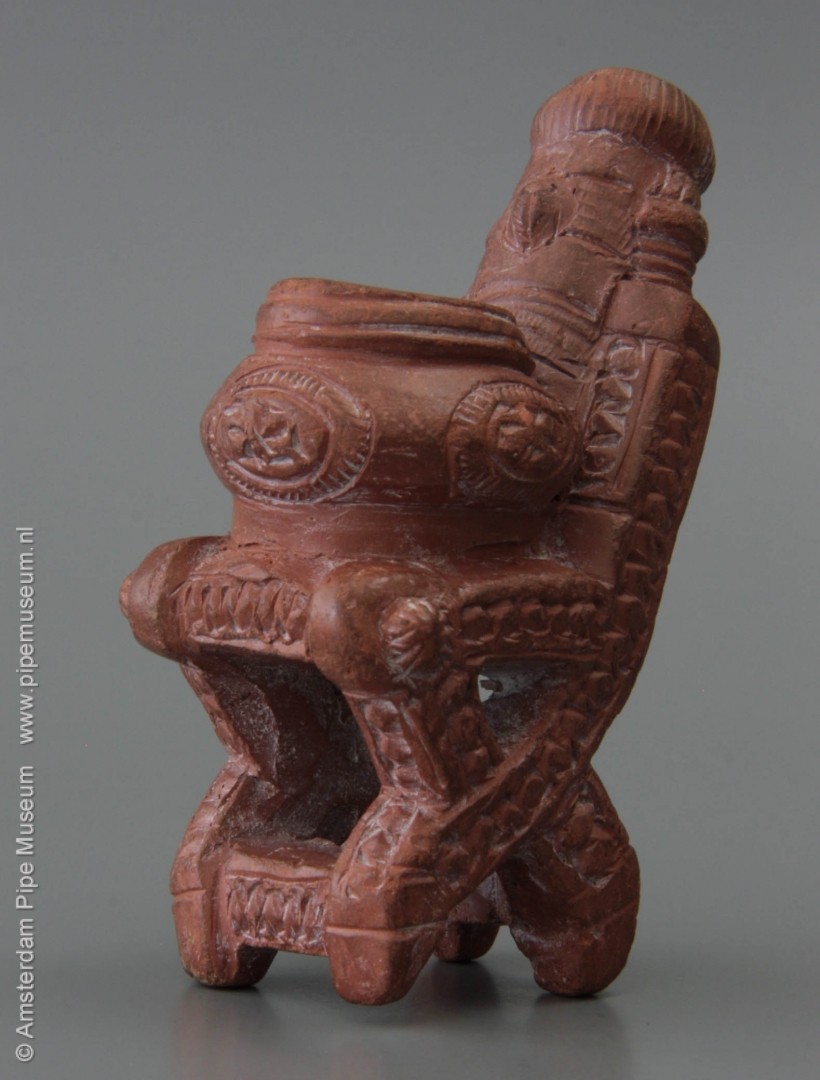
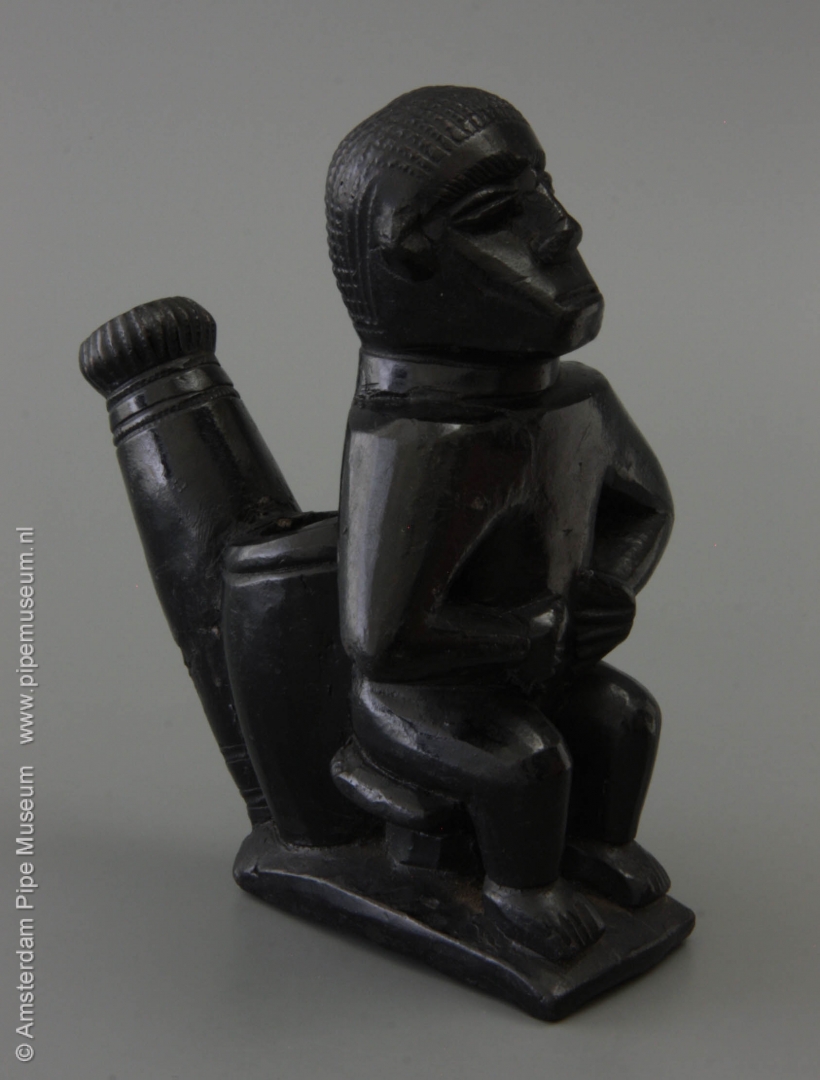
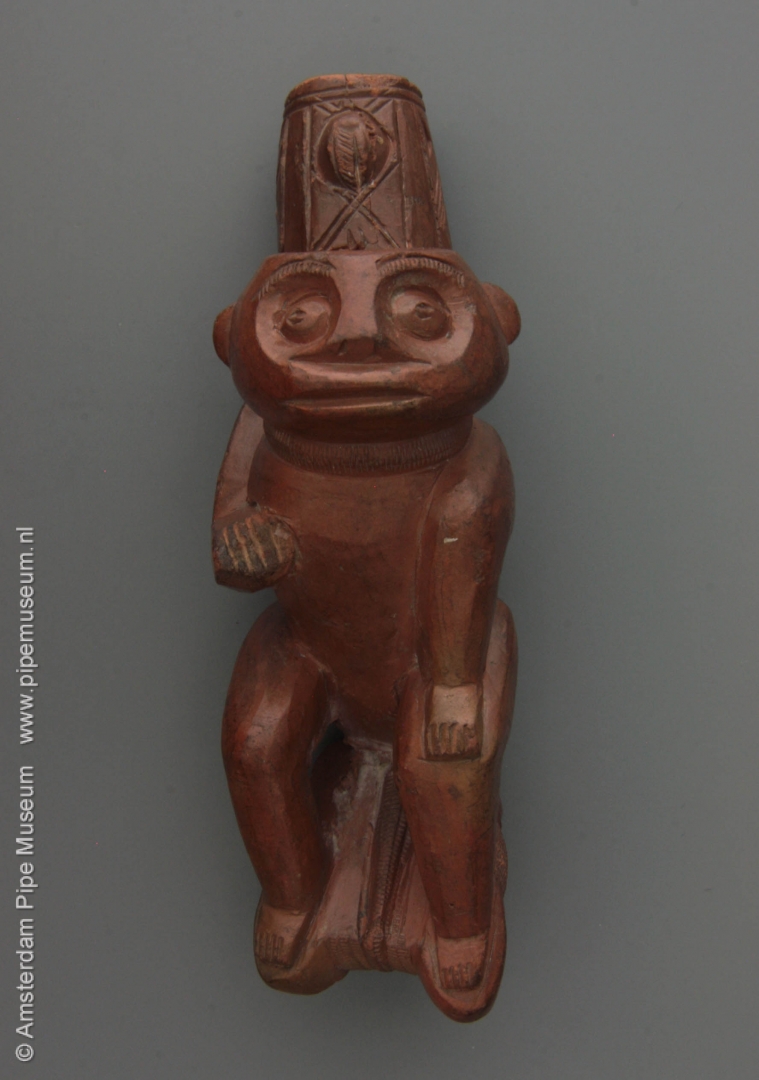
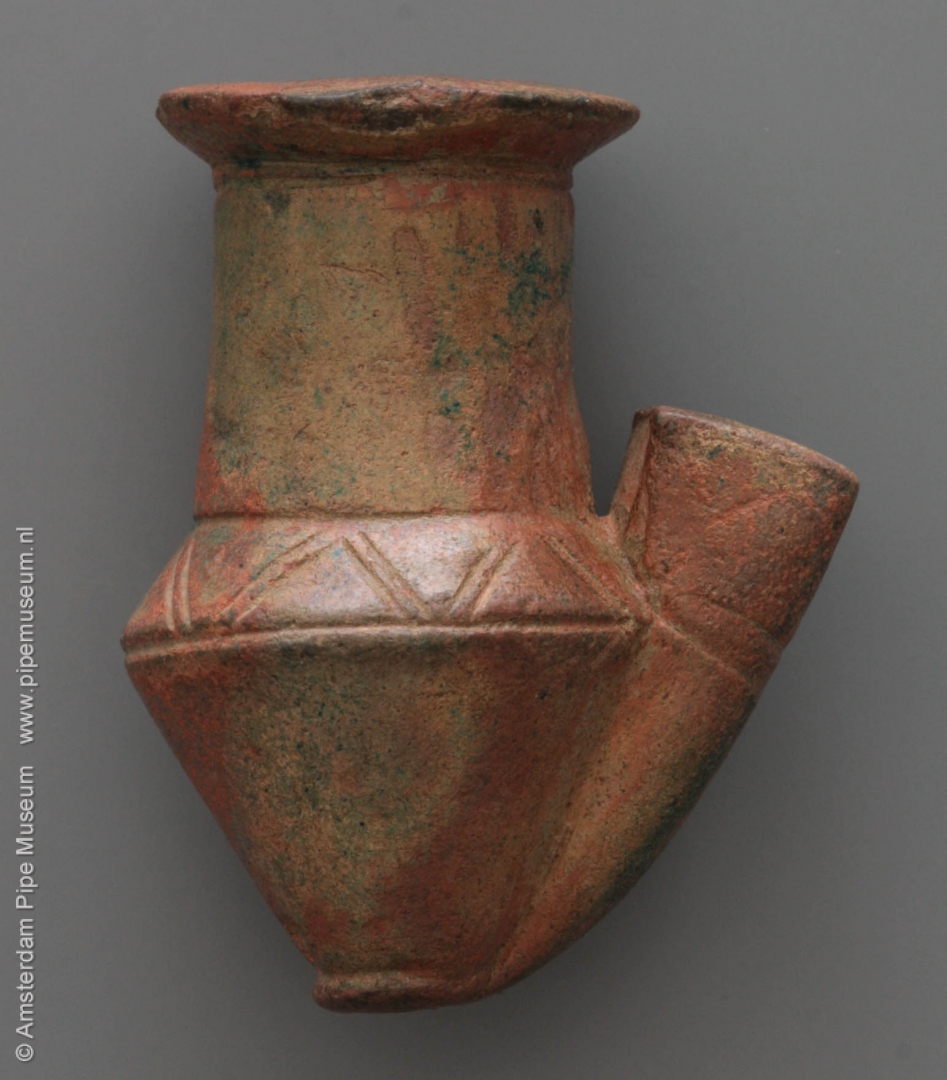
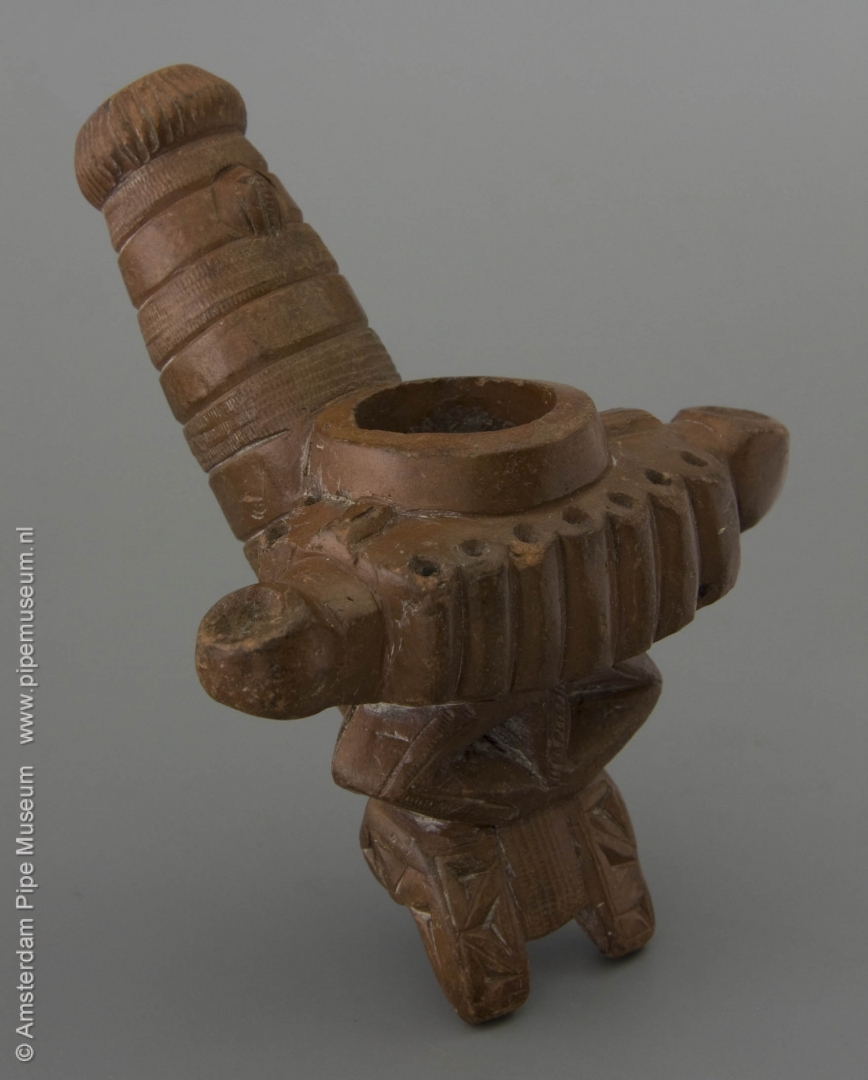
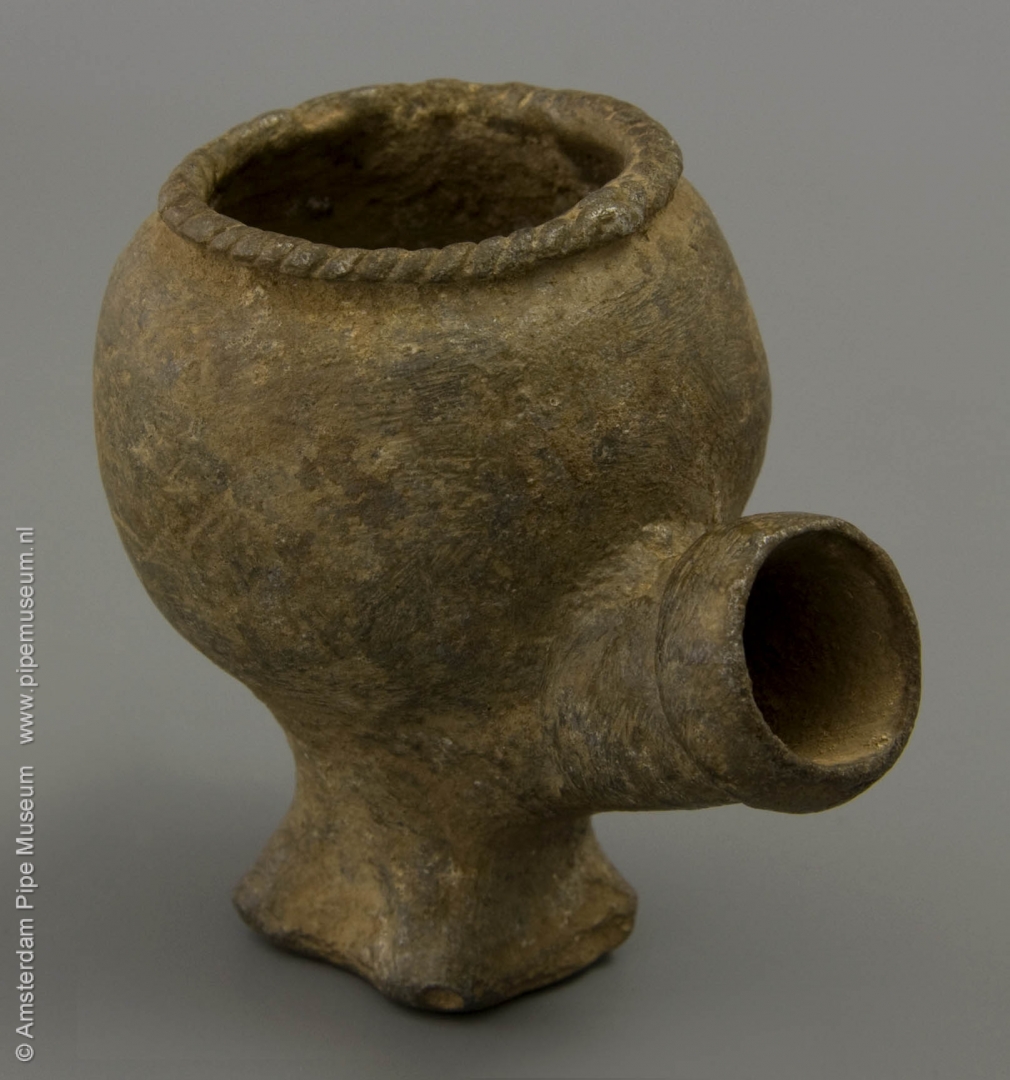
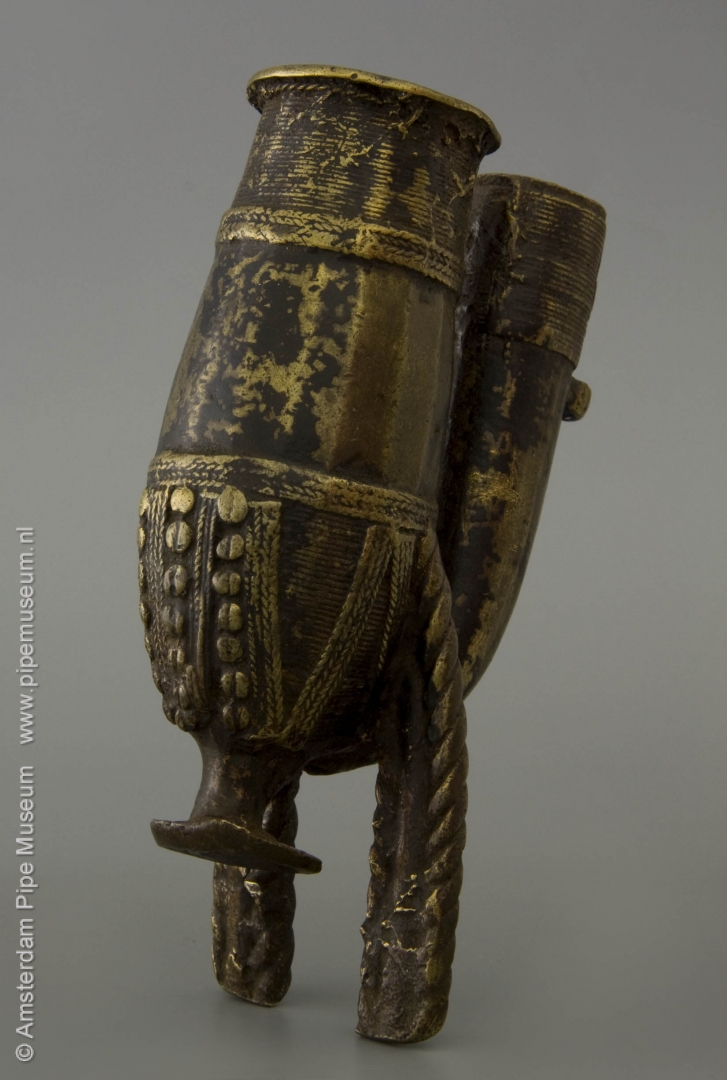
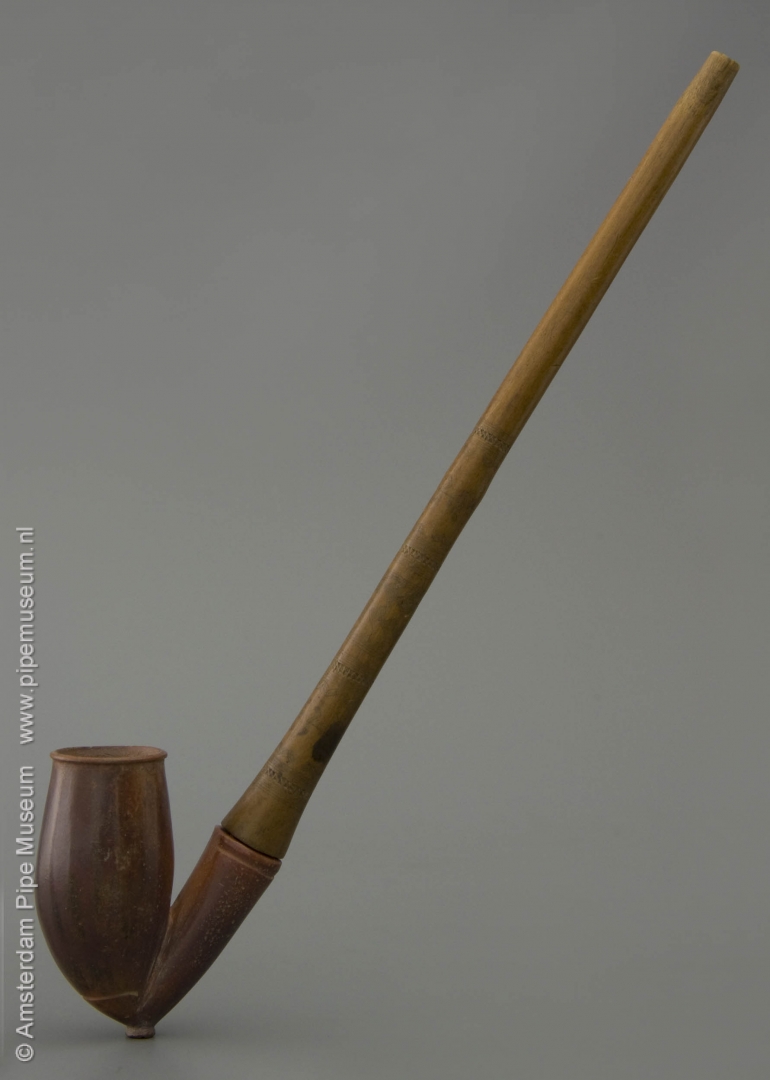
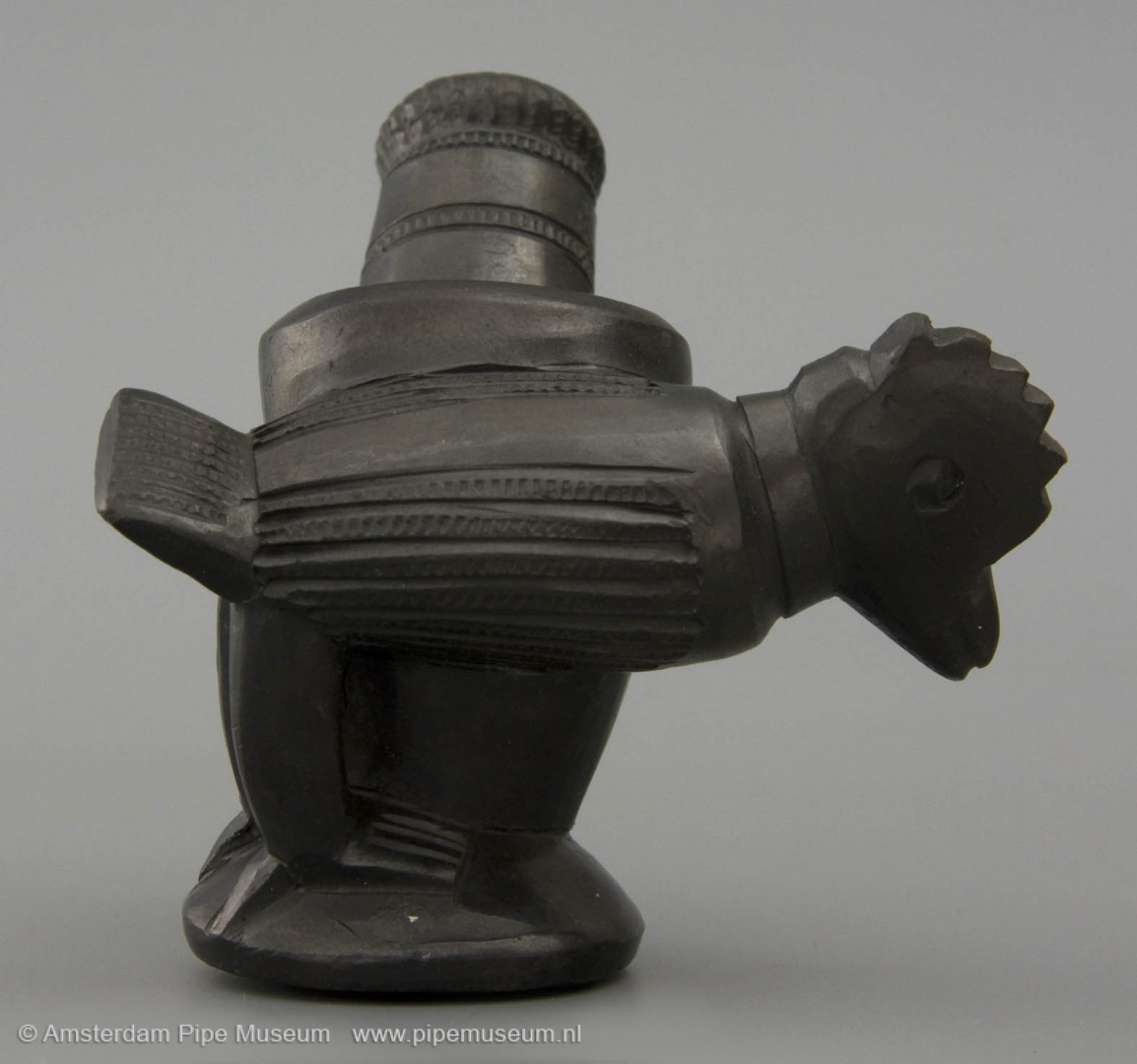
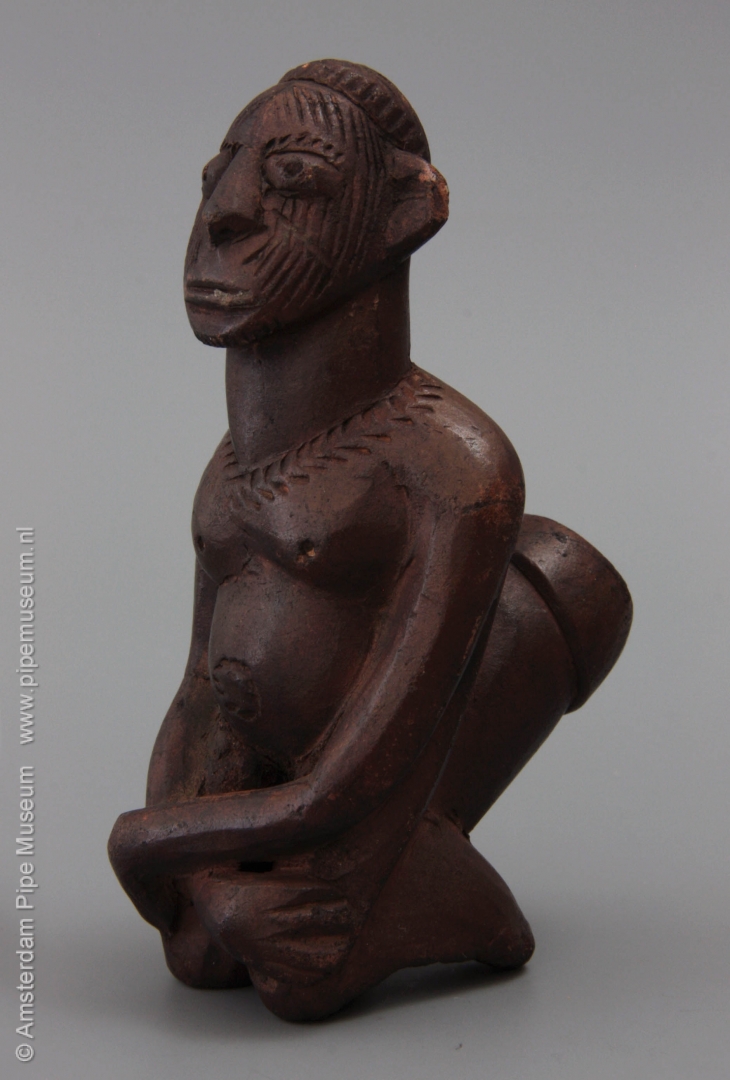
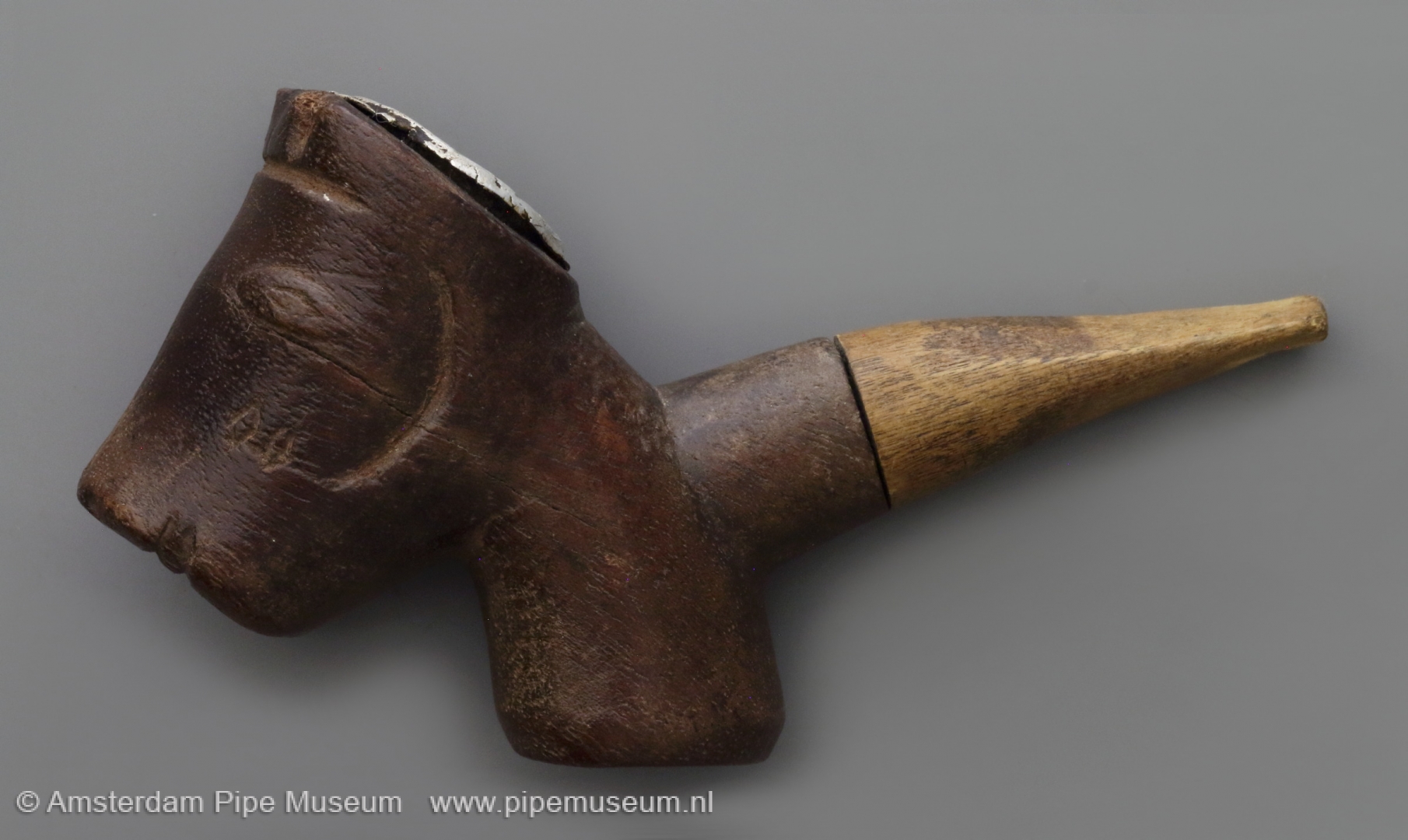
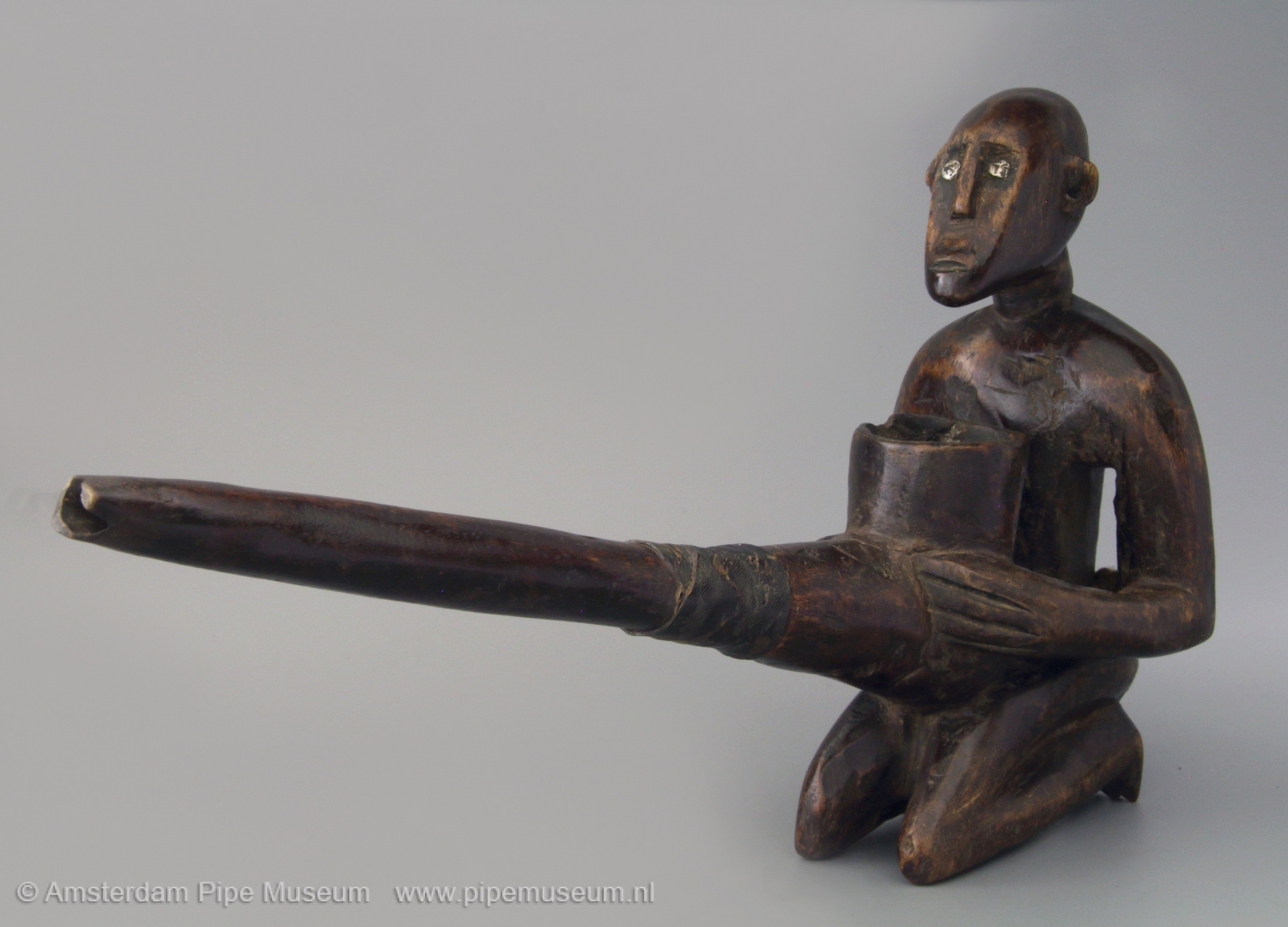
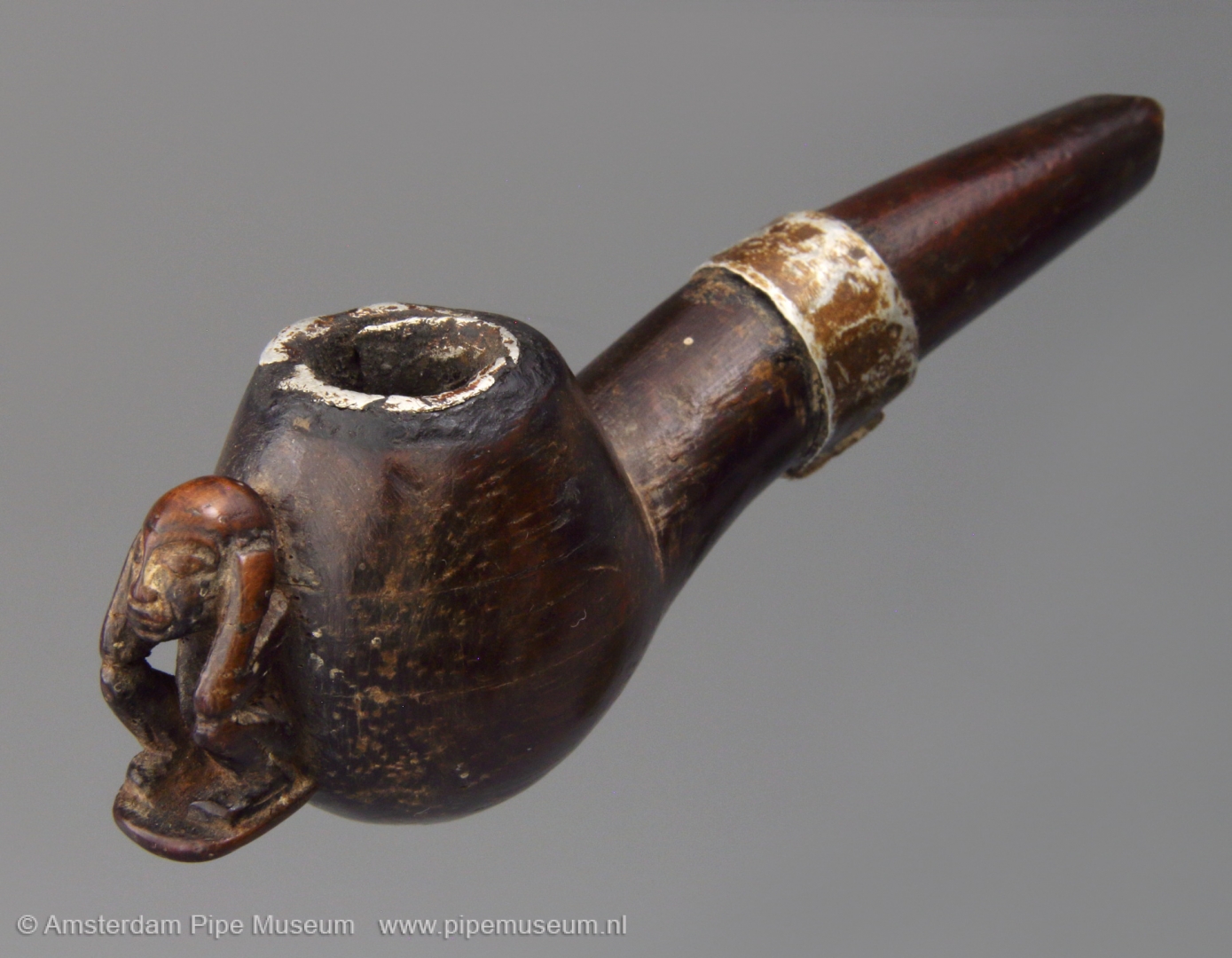
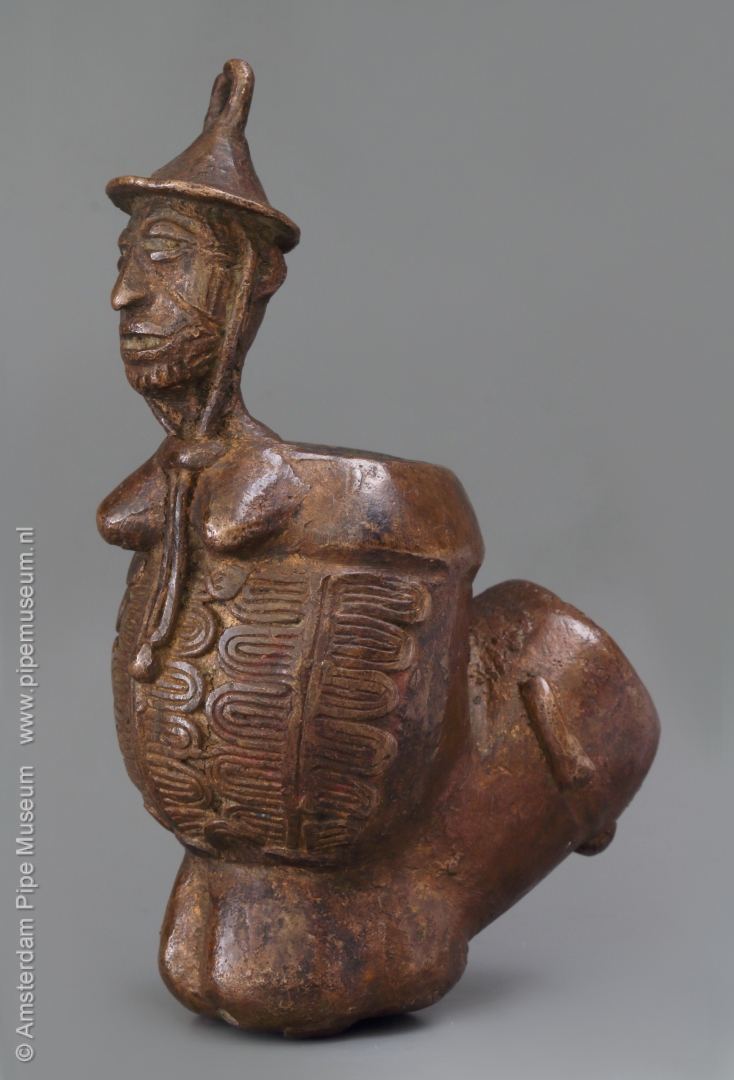
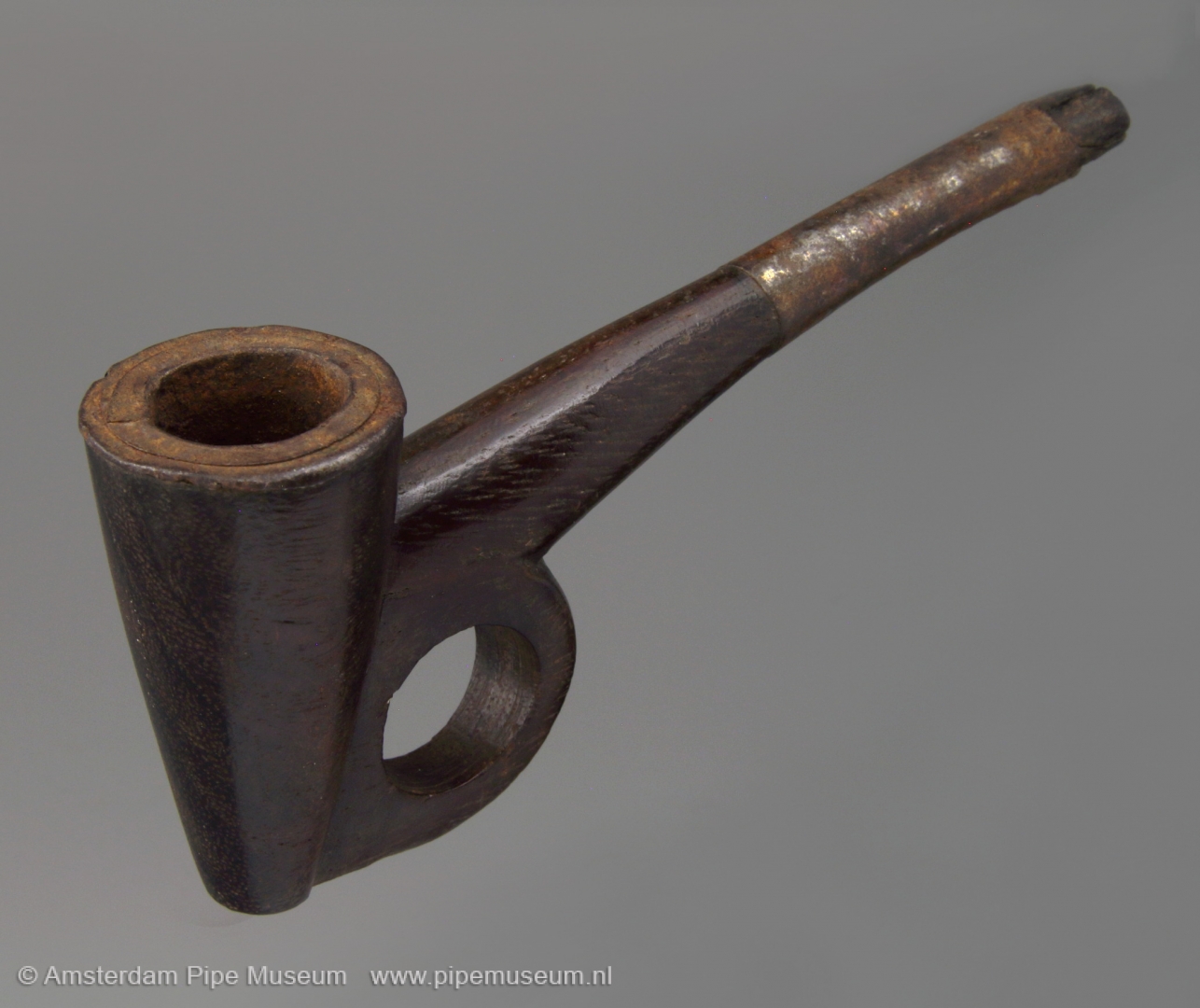
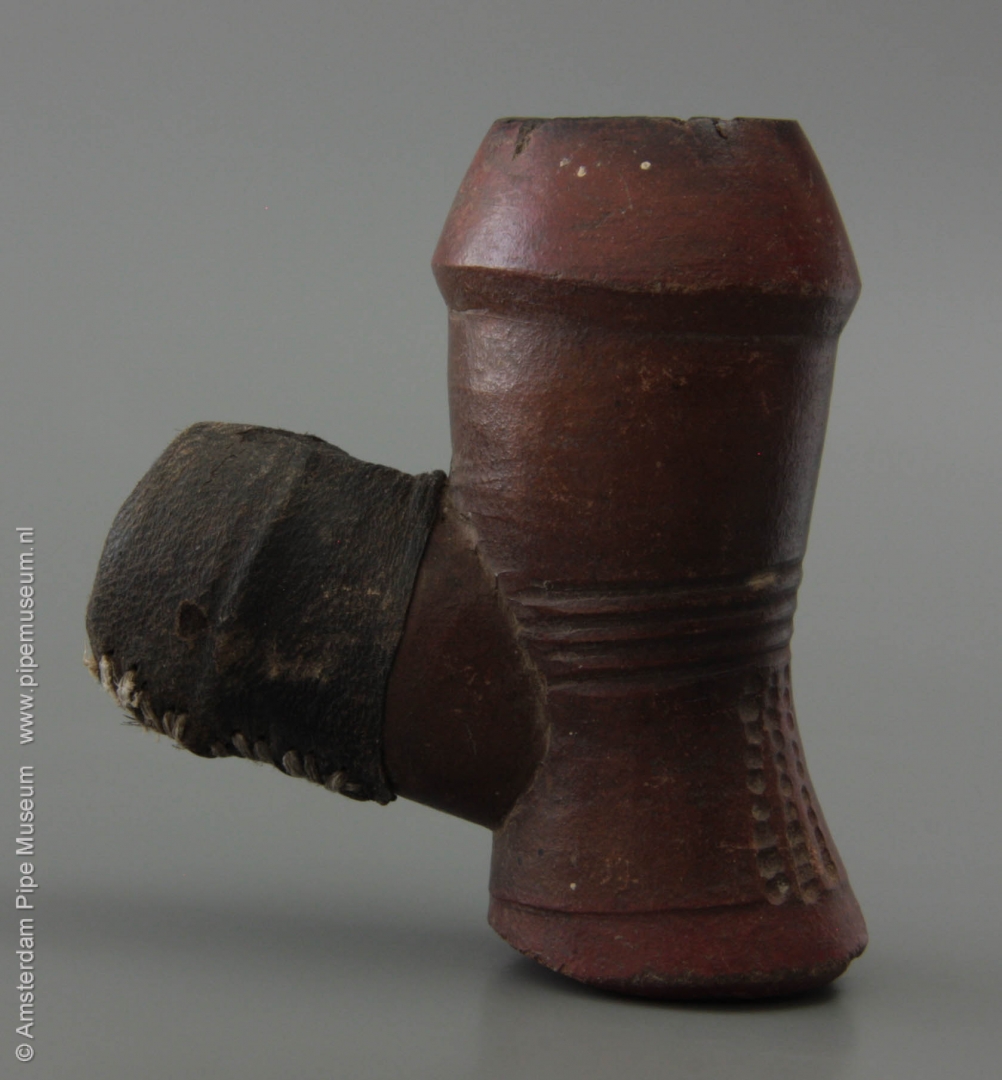
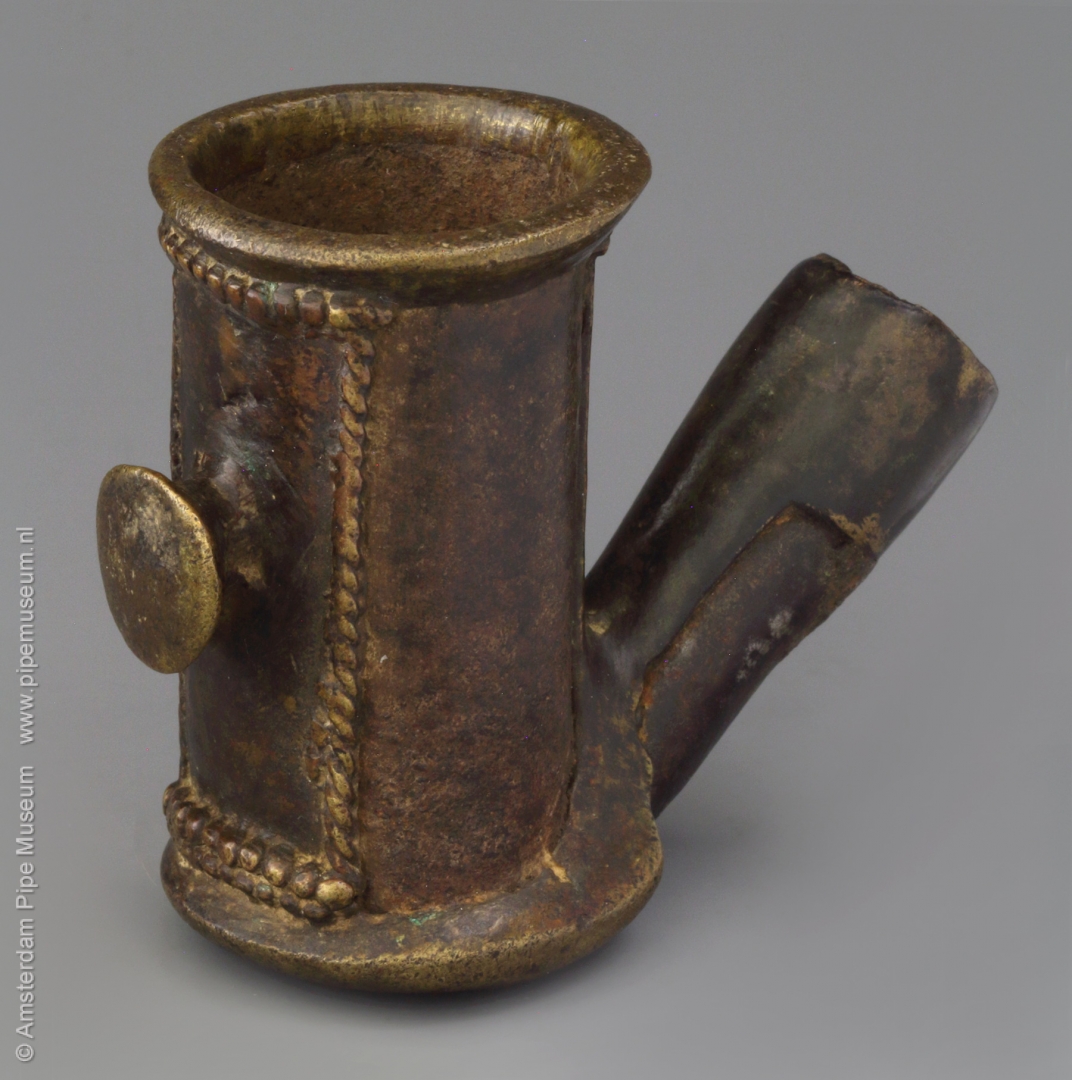
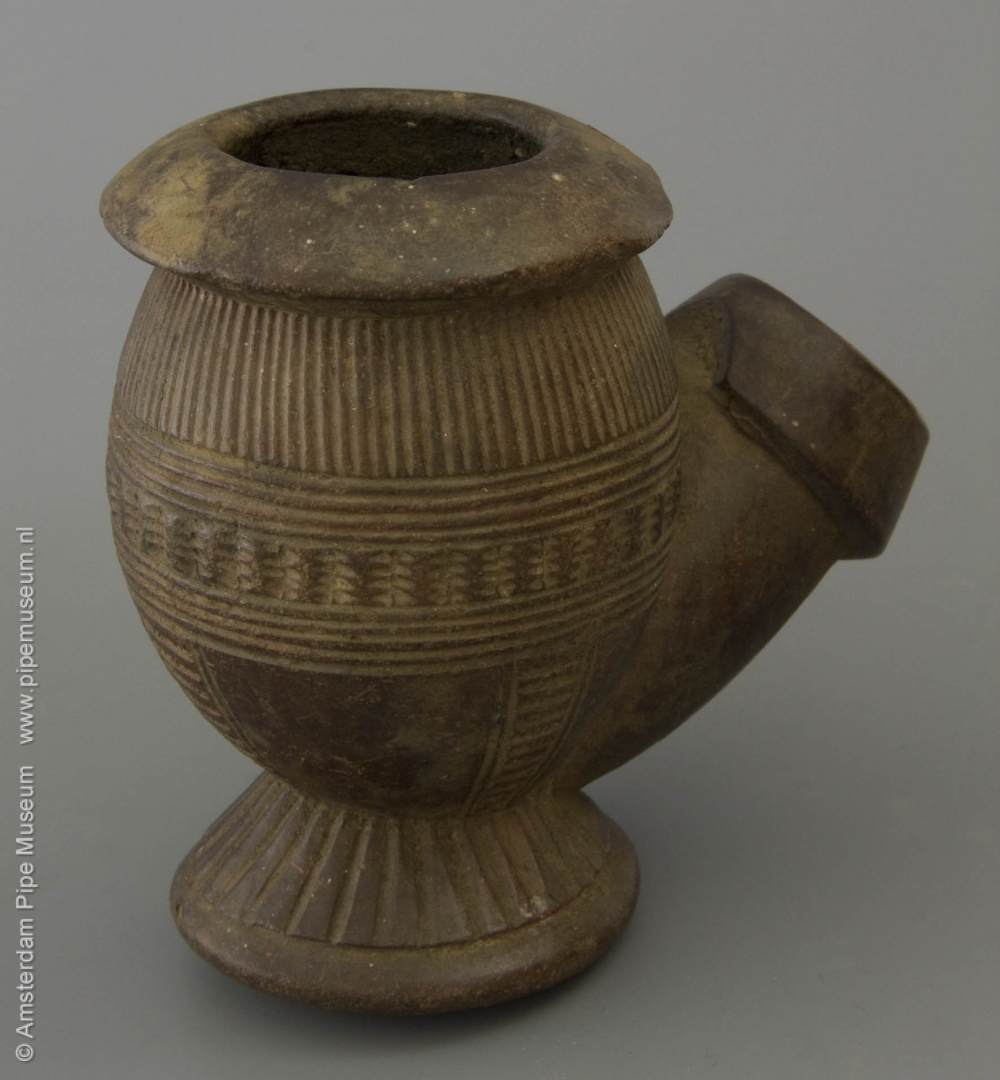
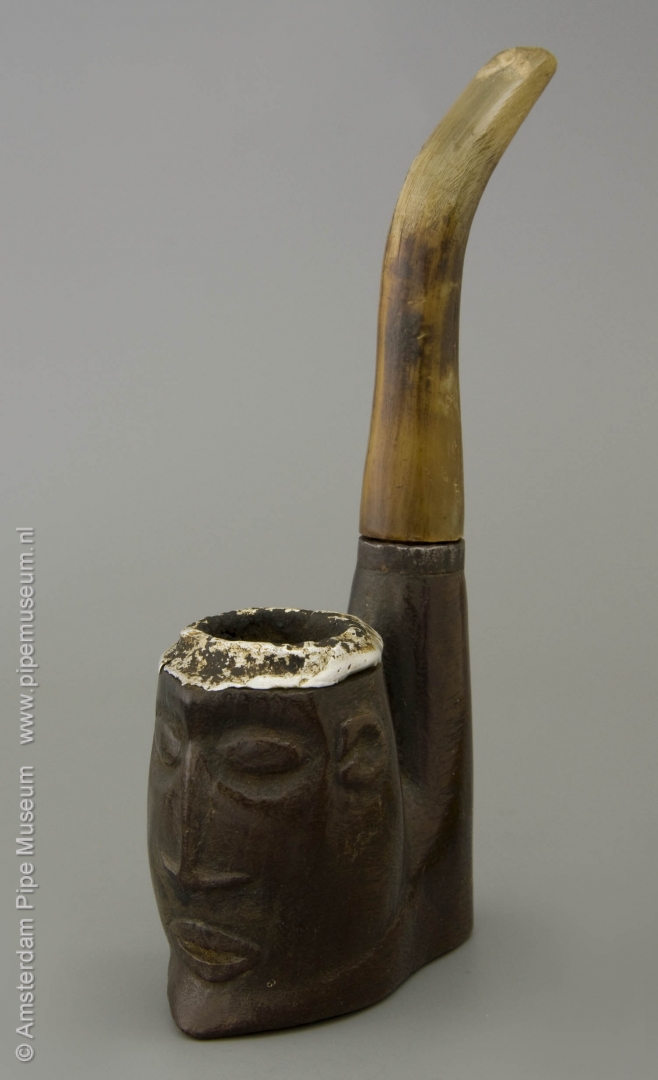
In northern Ghana, pot-shaped pipe bowls on a raised base were popular. The usual pipe was made of earthenware, but more luxurious ones were provided with a brass fitting. They were smoked on a long wooden stem. There is discussion about the origin because the use is spread over a large area. The Frafra may be the makers, more generally they are attributed to the Gurunsi. The Lobi also use this simple pot shaped pipe type. They also have a variant shape like a sitting figure. These pipes conceal the tobacco opening between the shoulders of the man or woman.
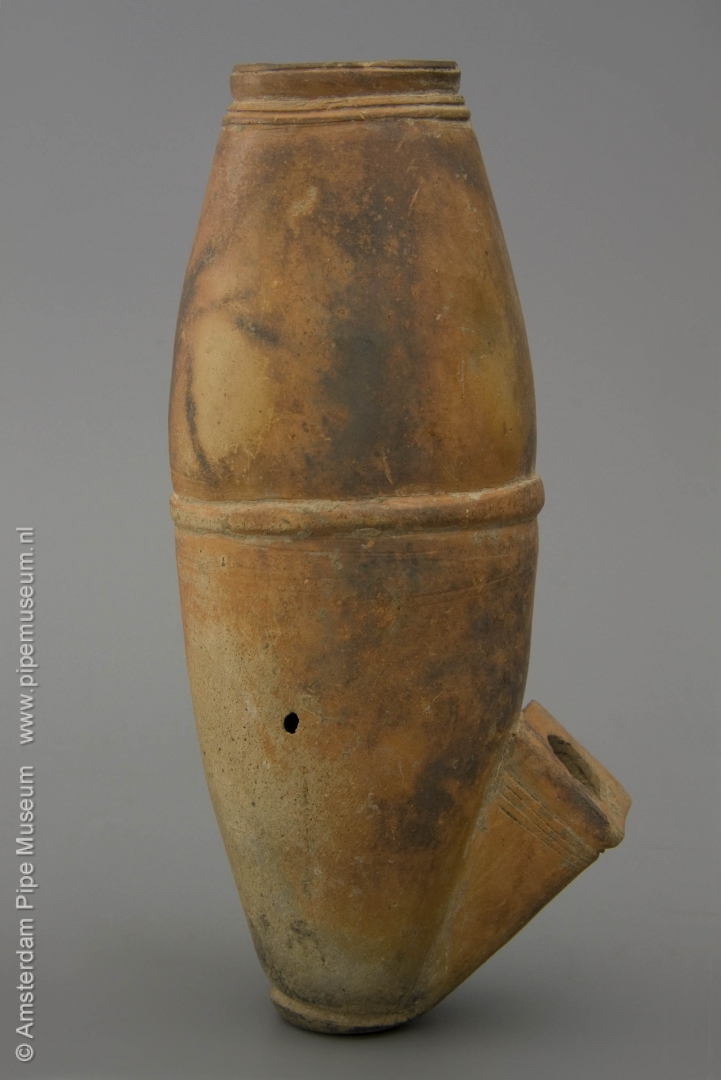
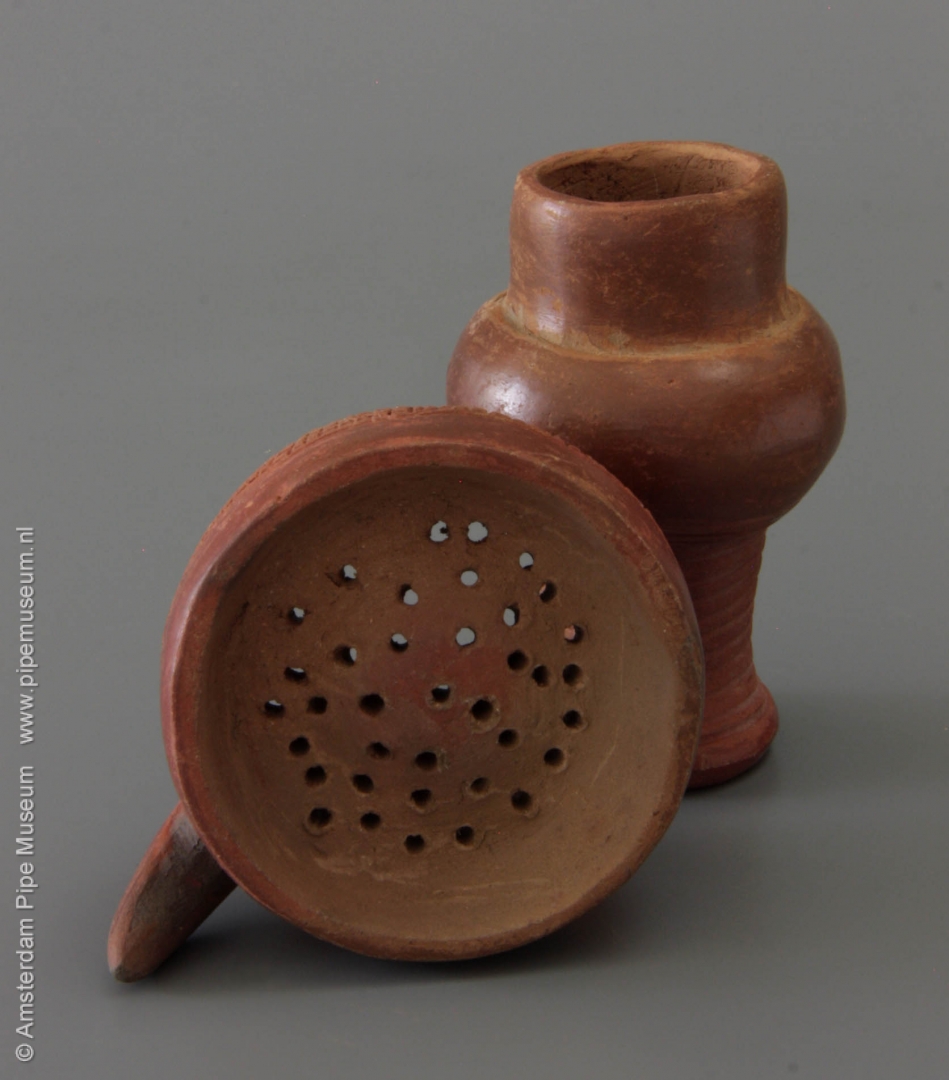
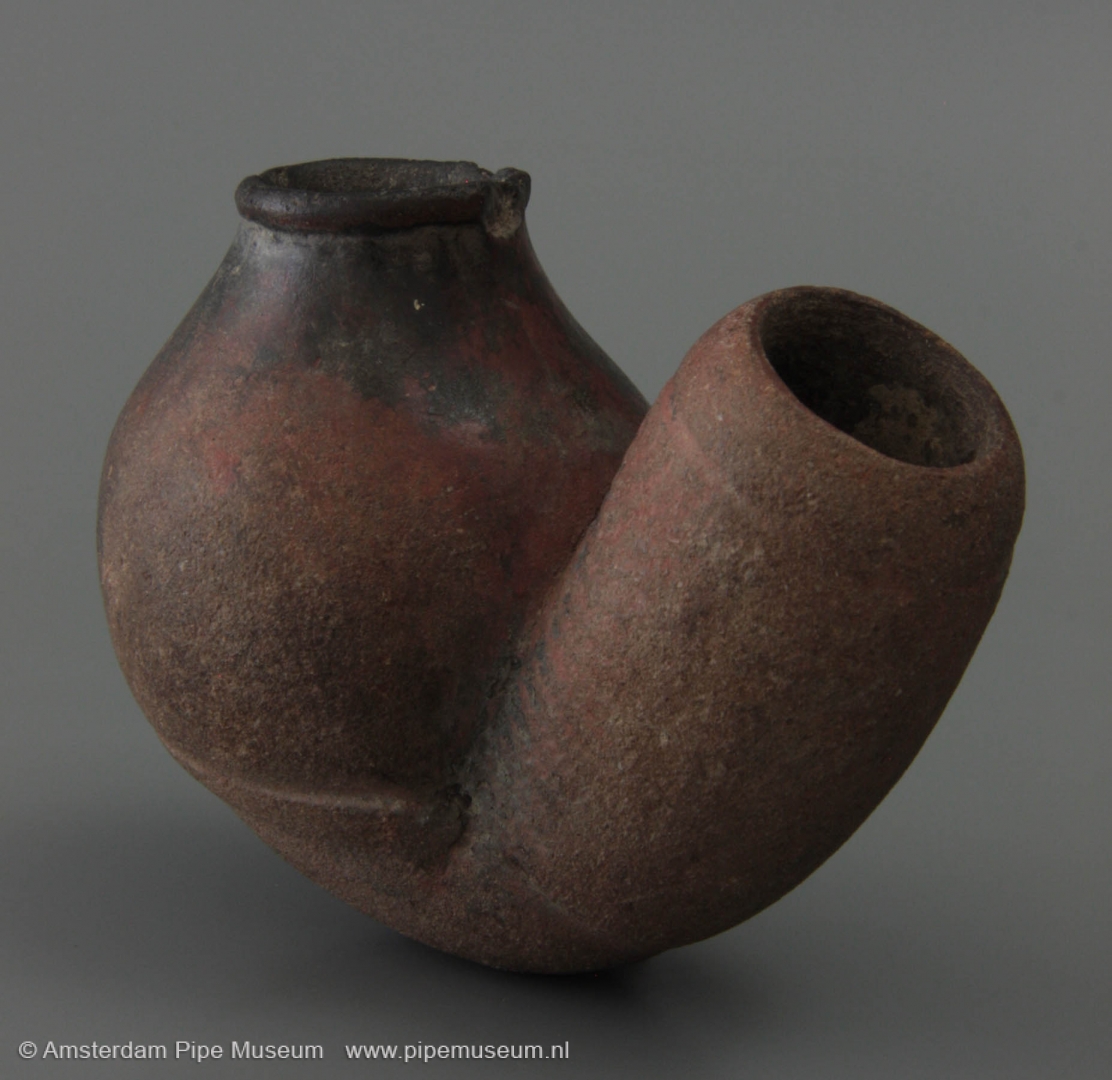
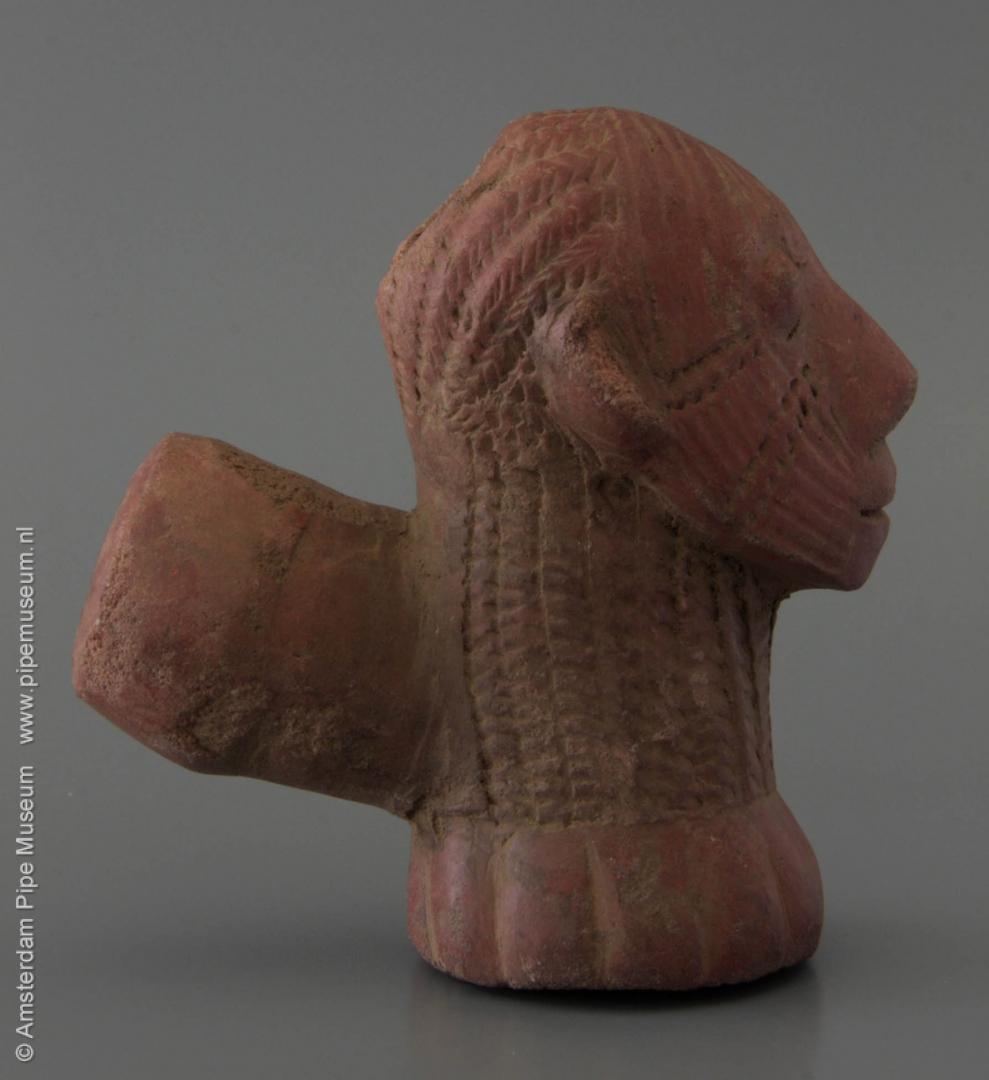
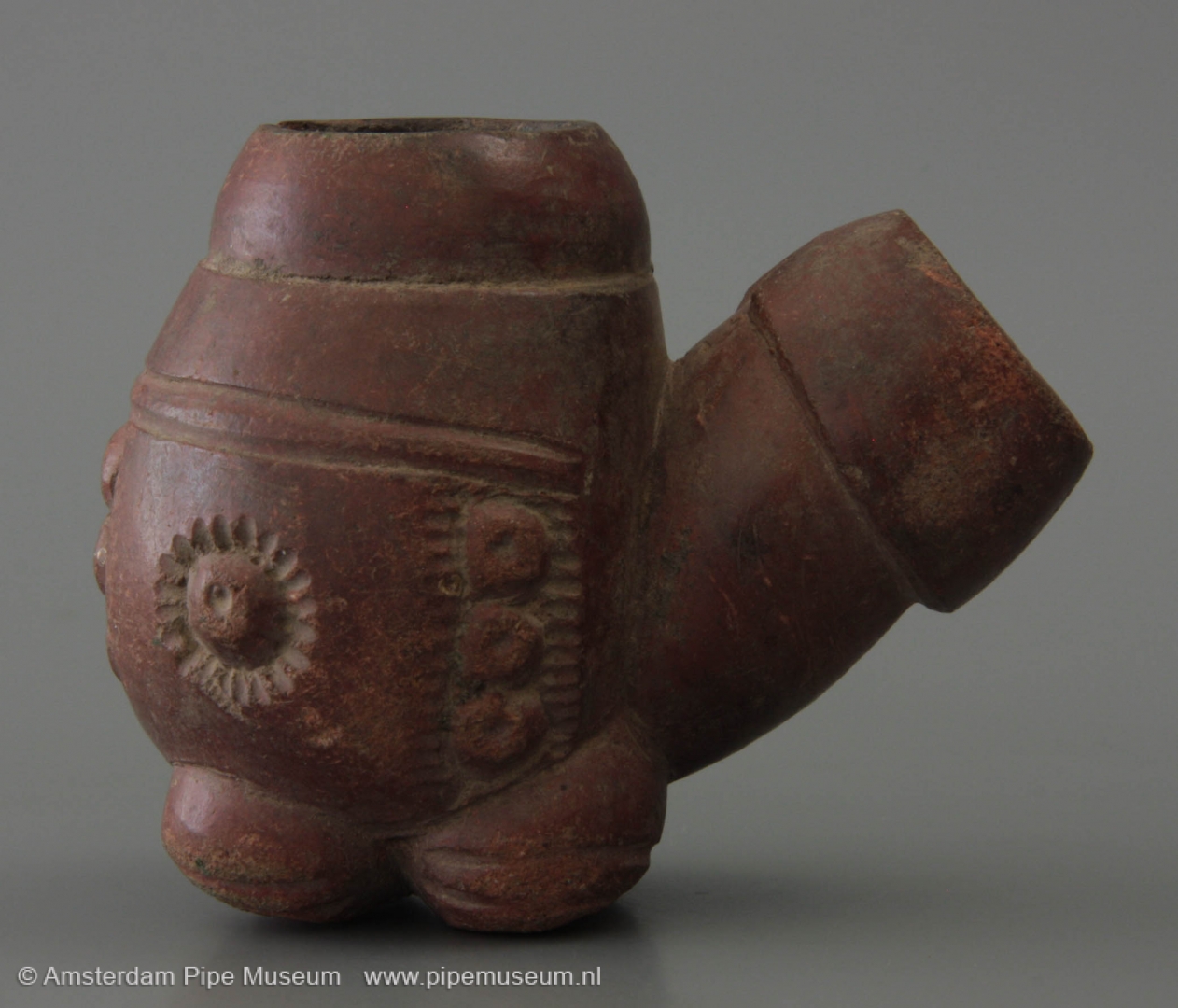
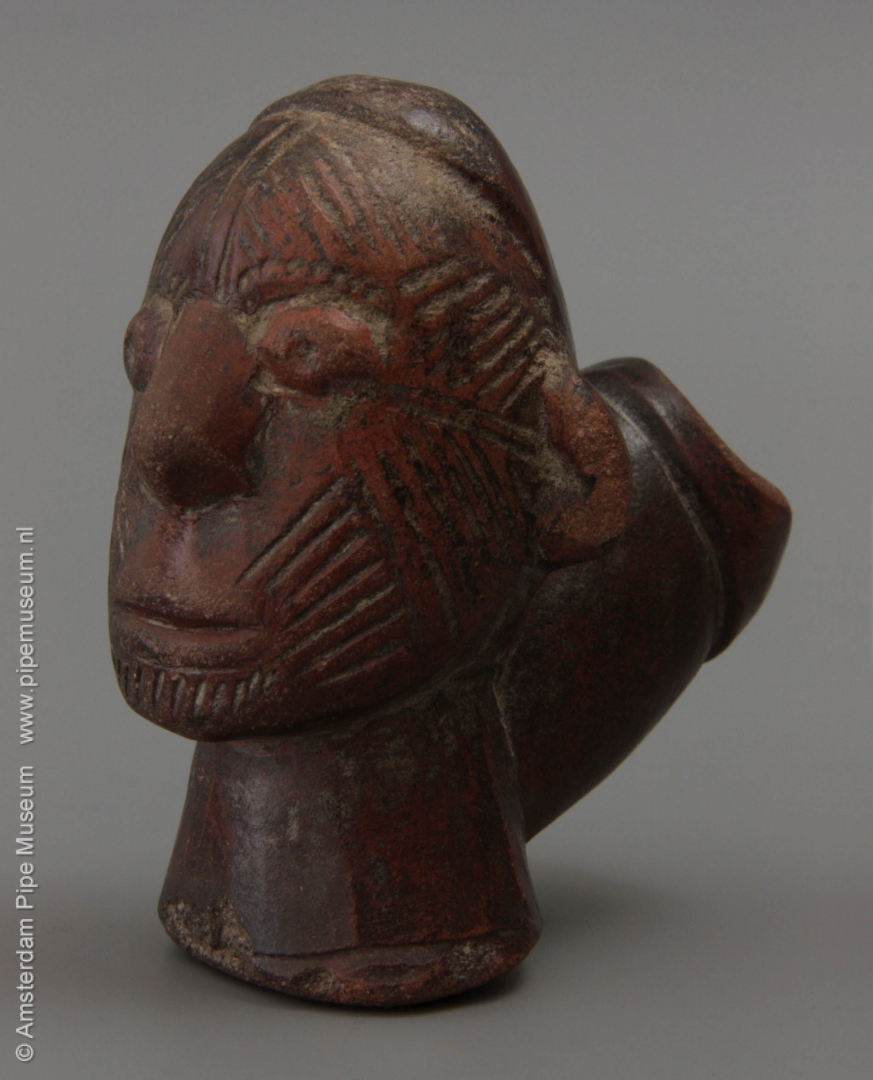
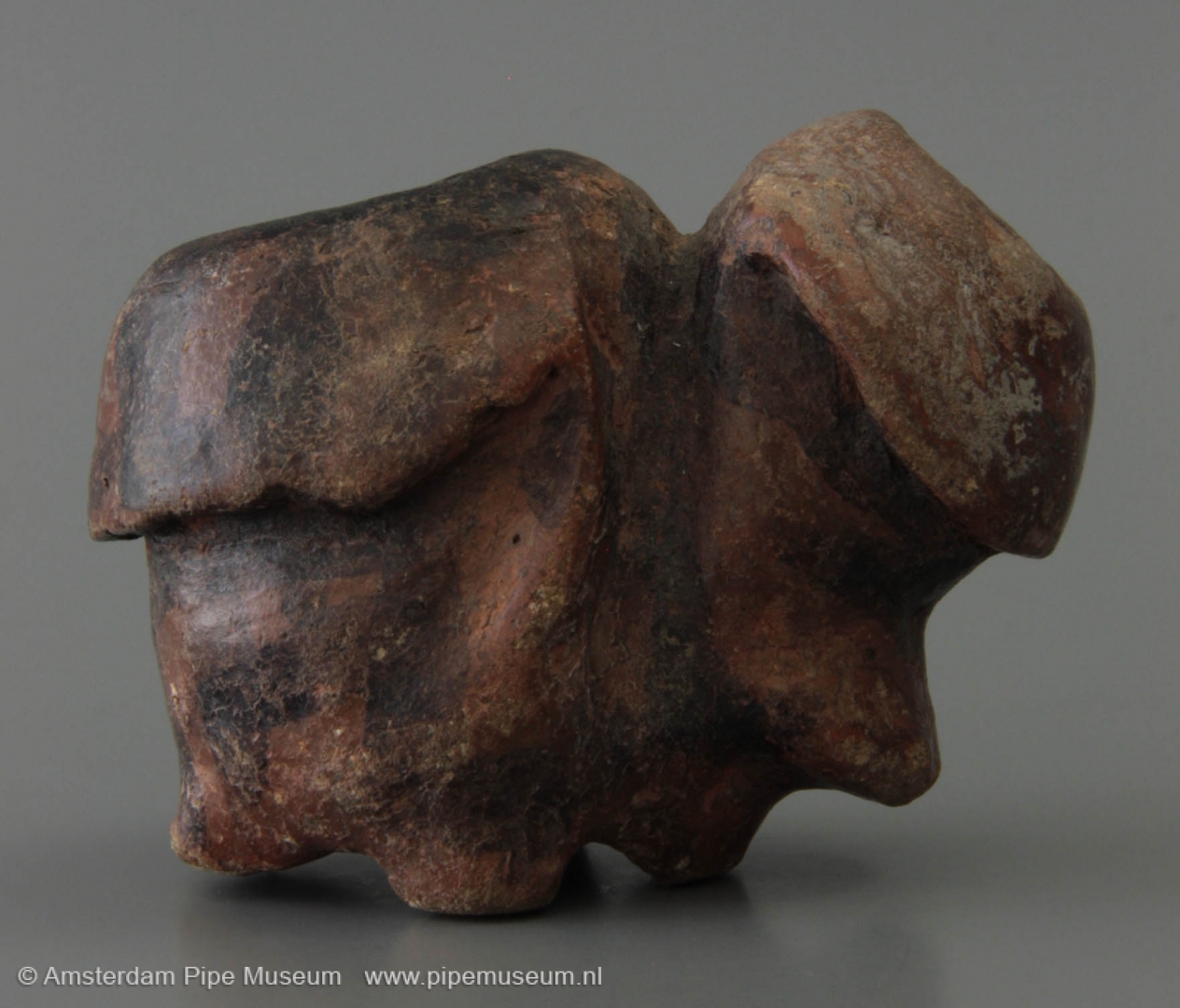
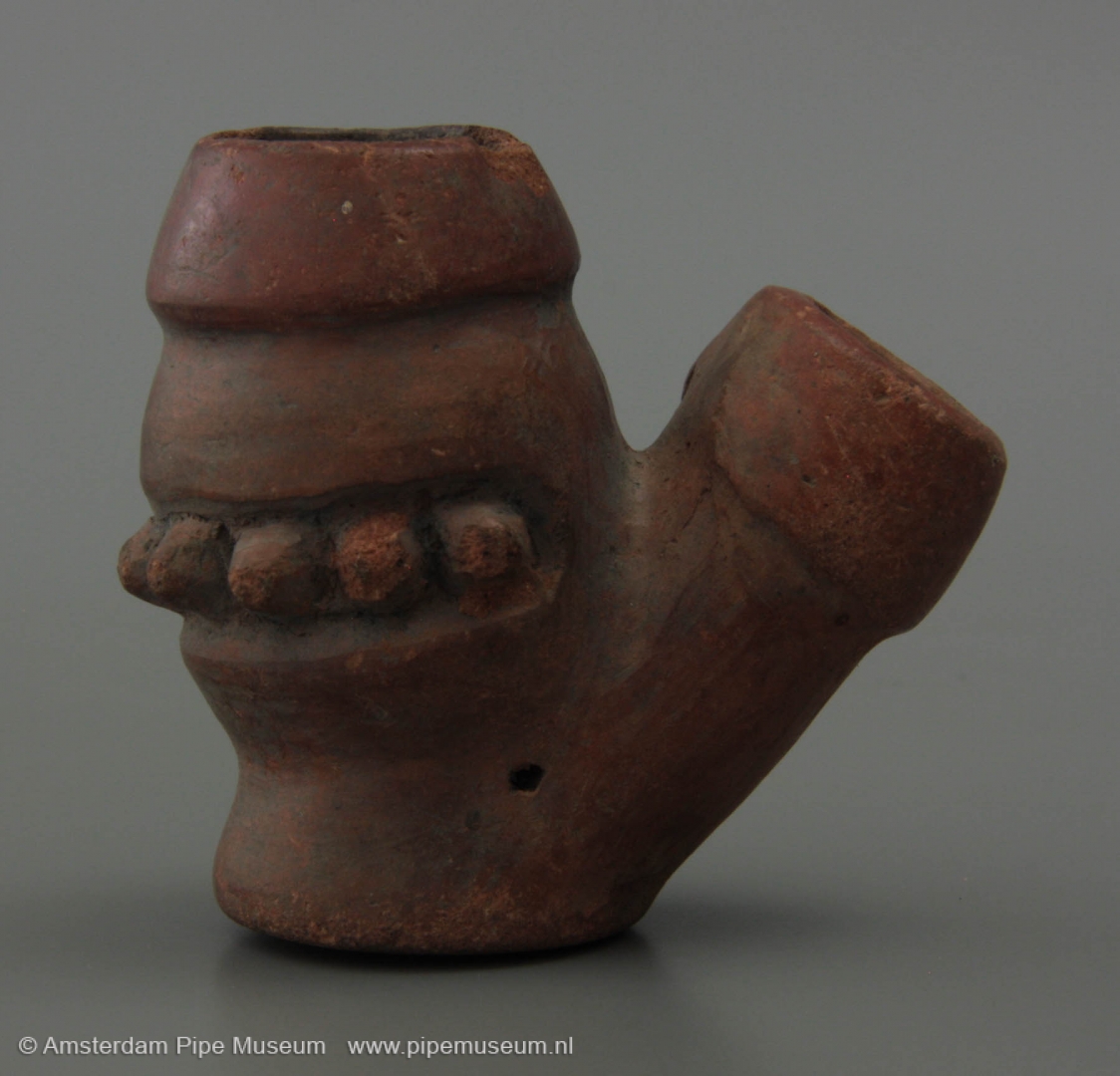
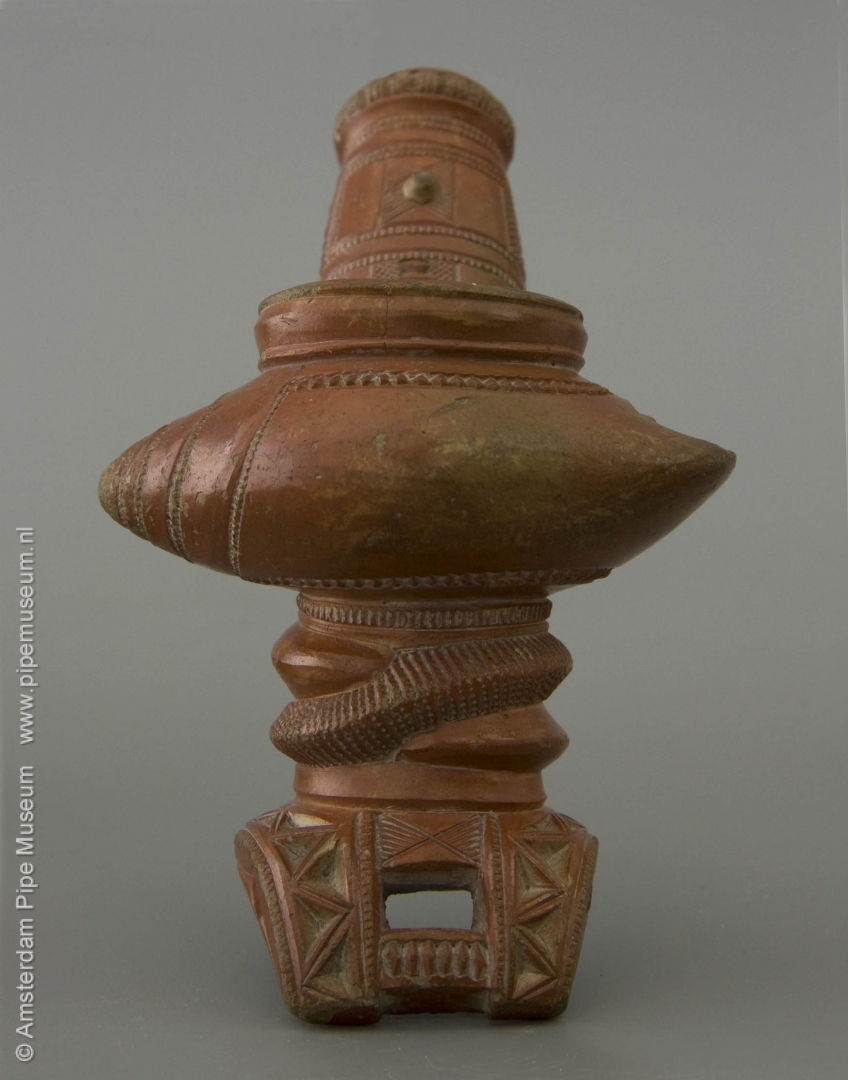
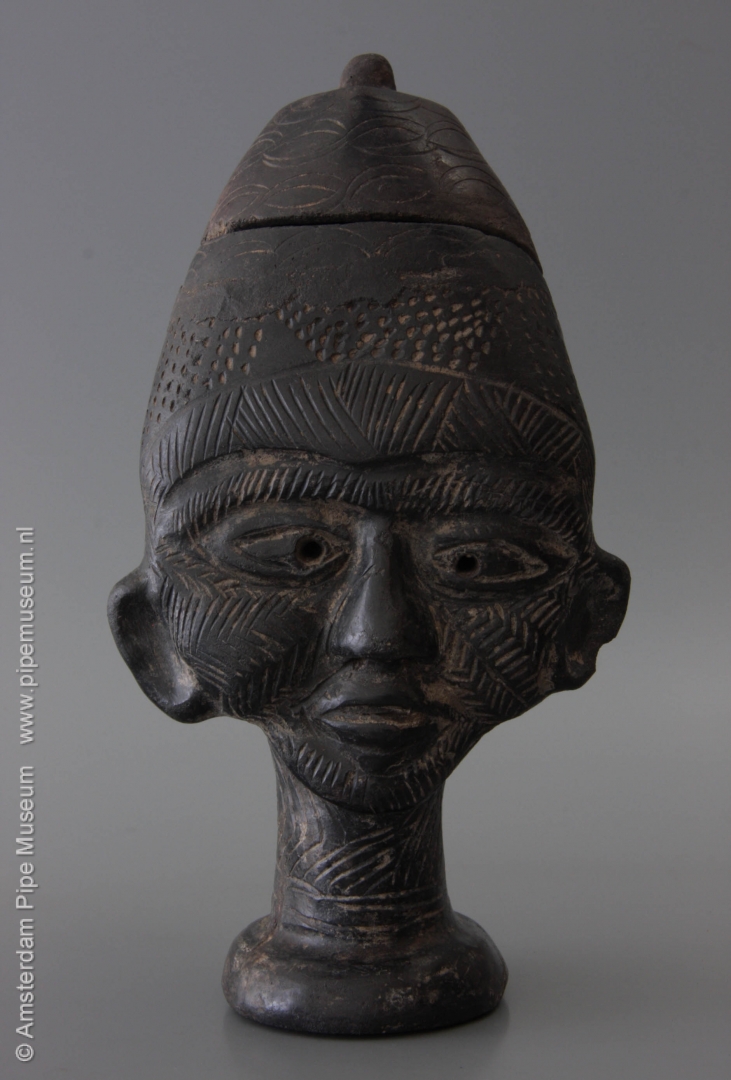
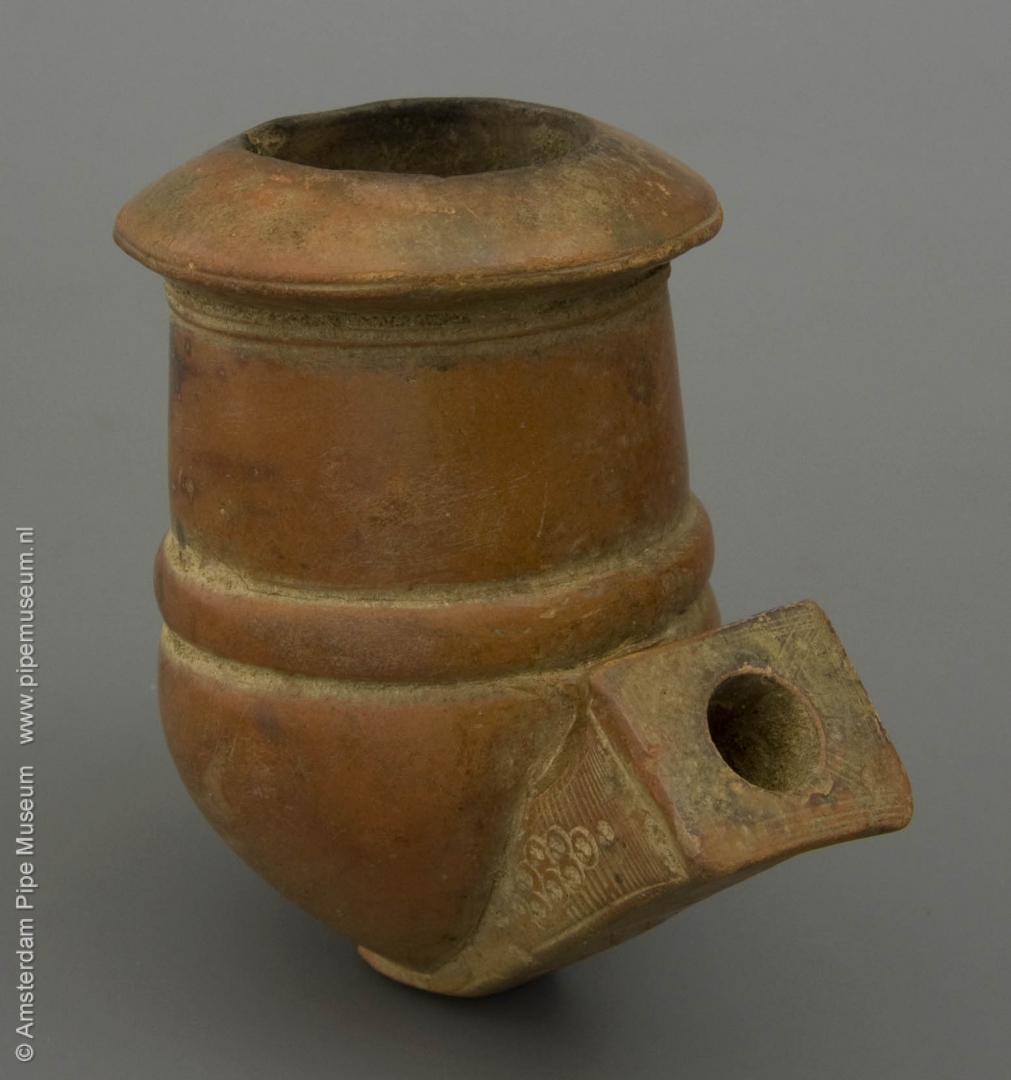
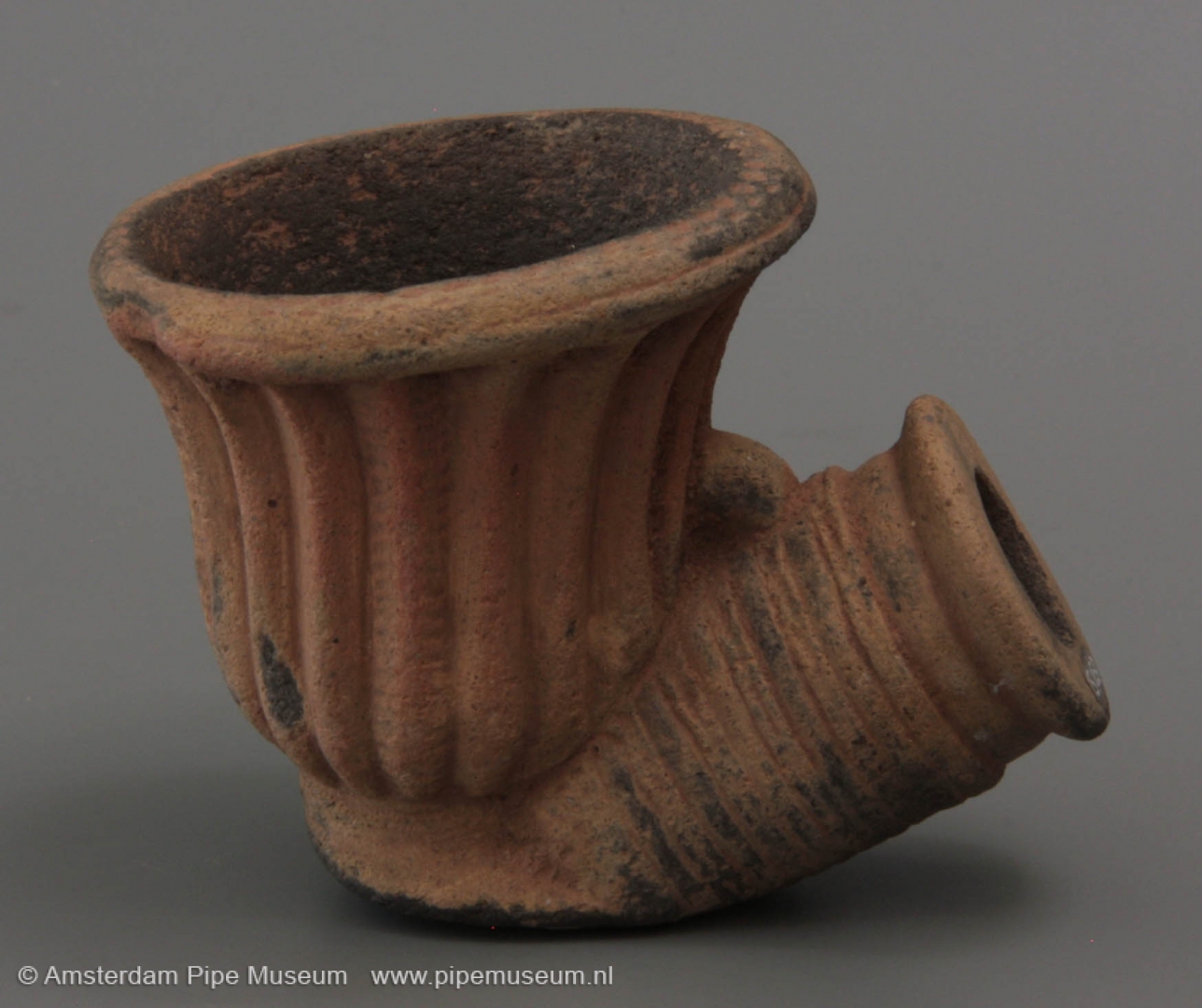
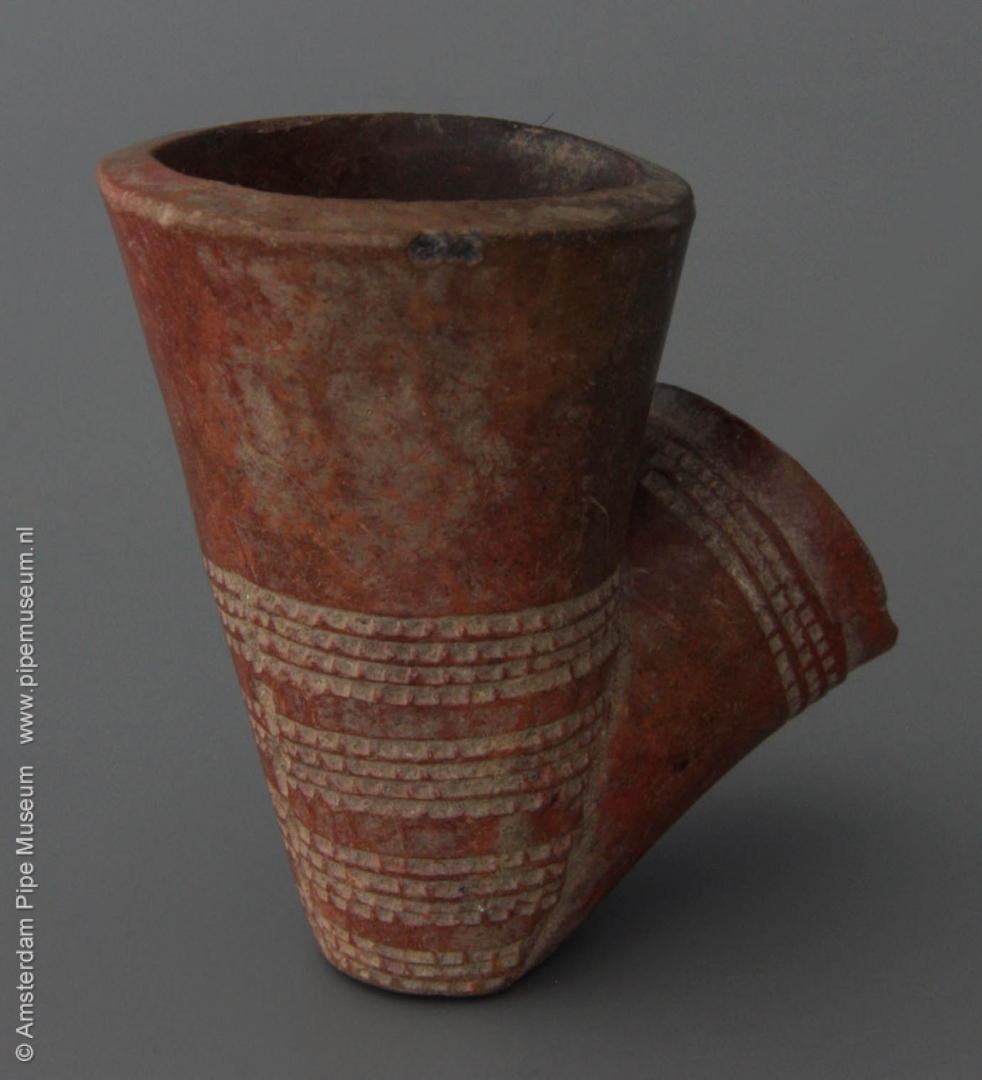
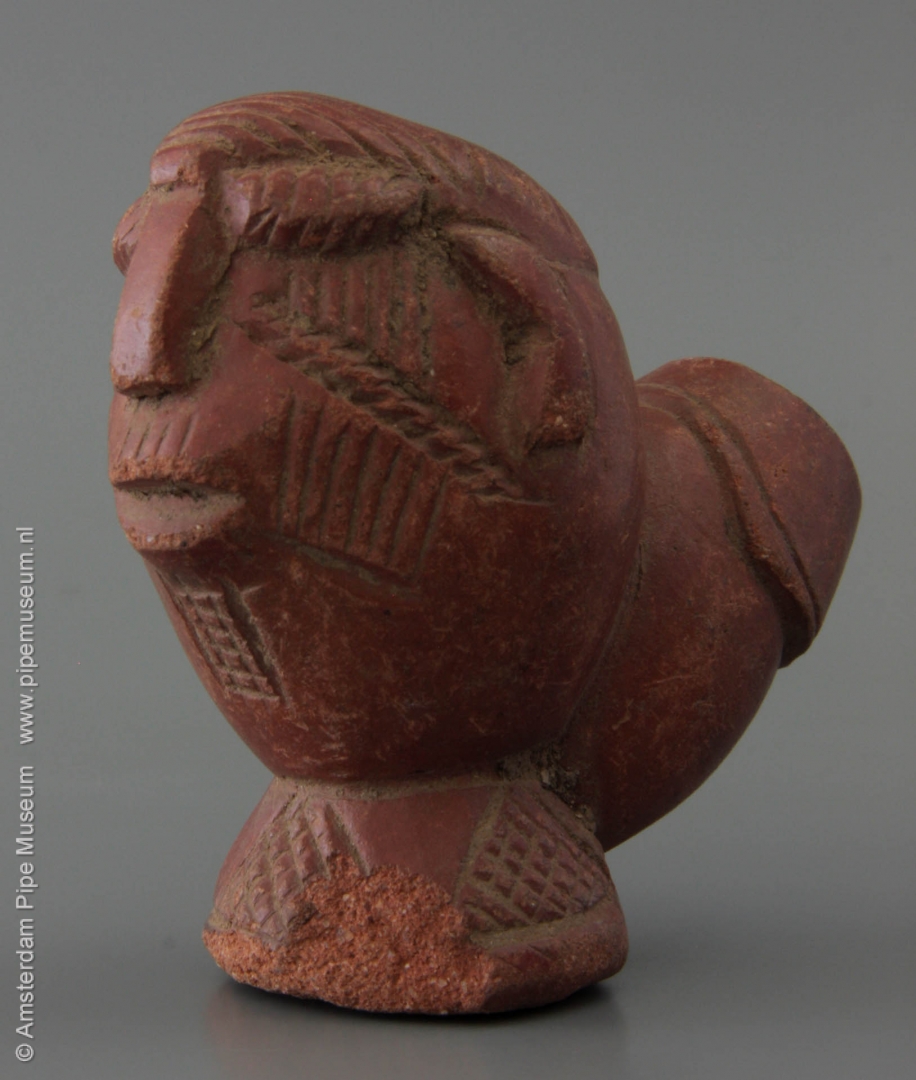
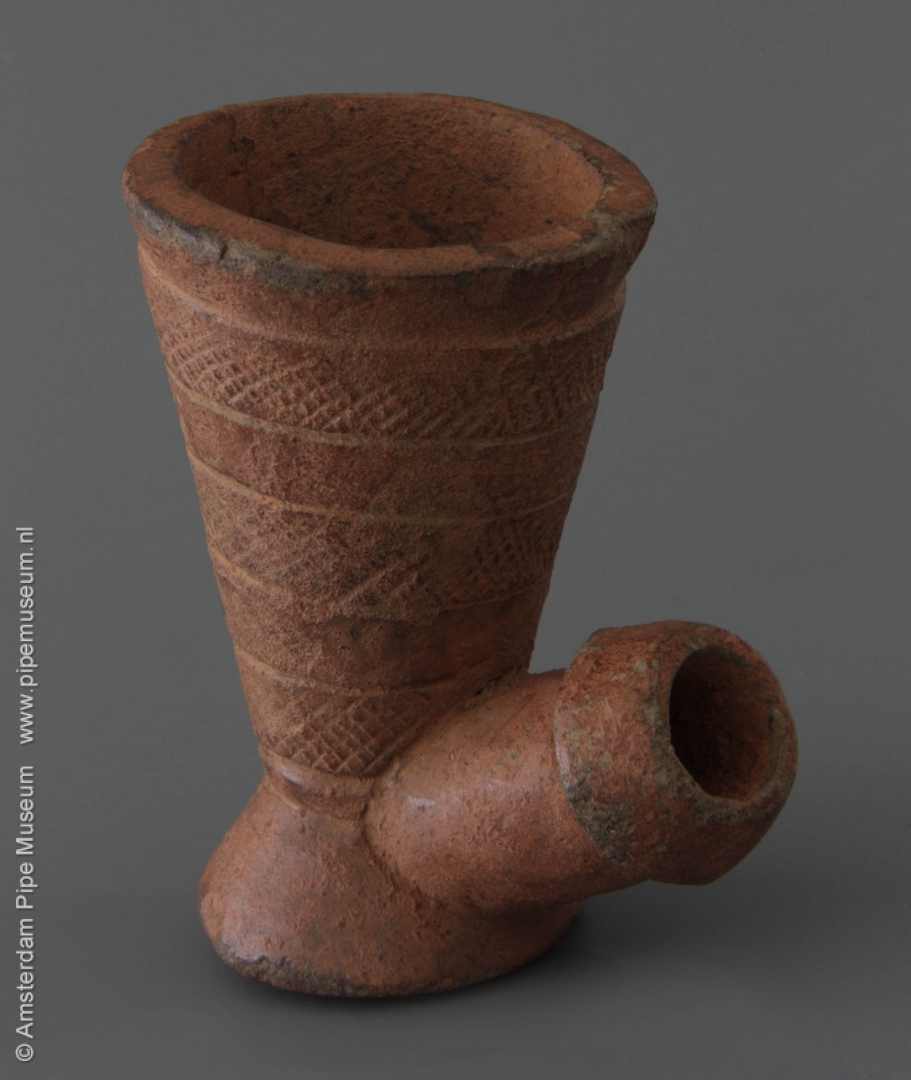
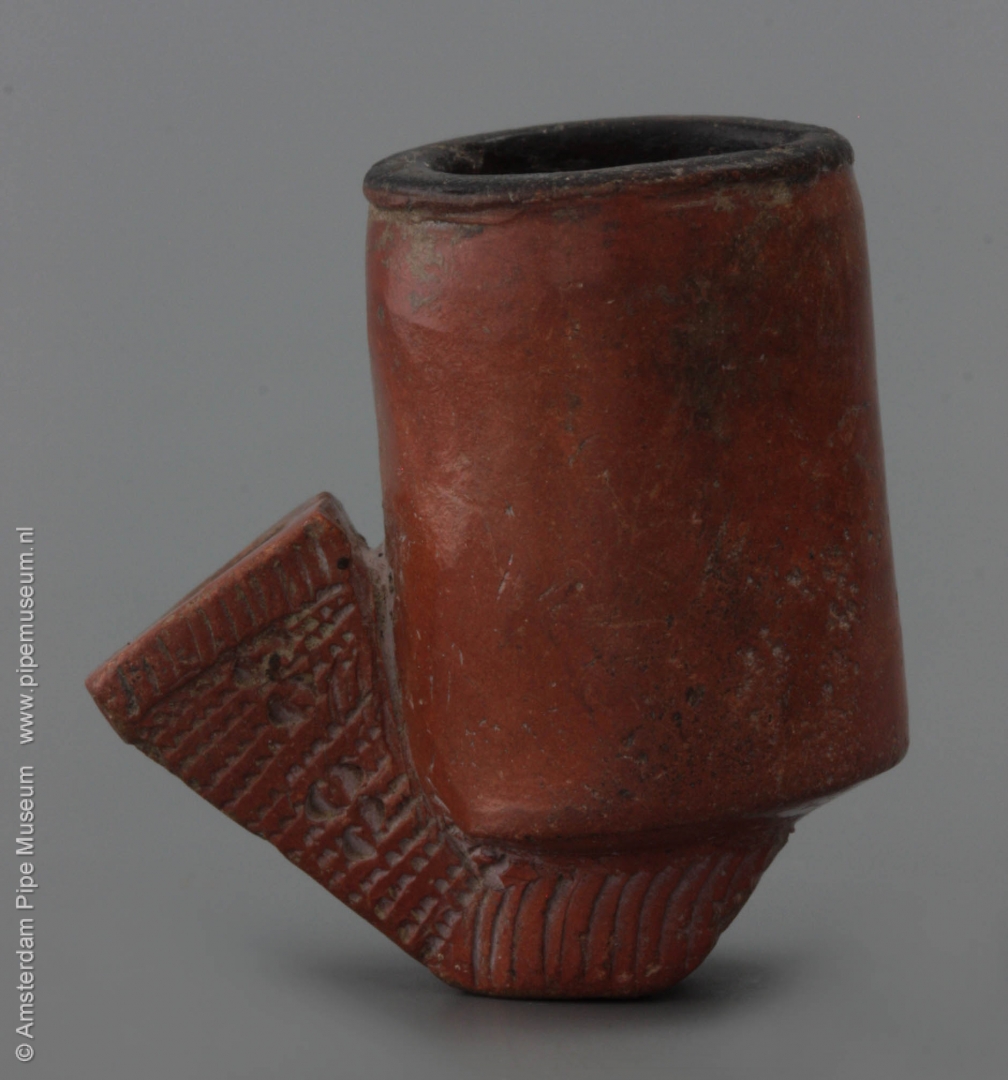
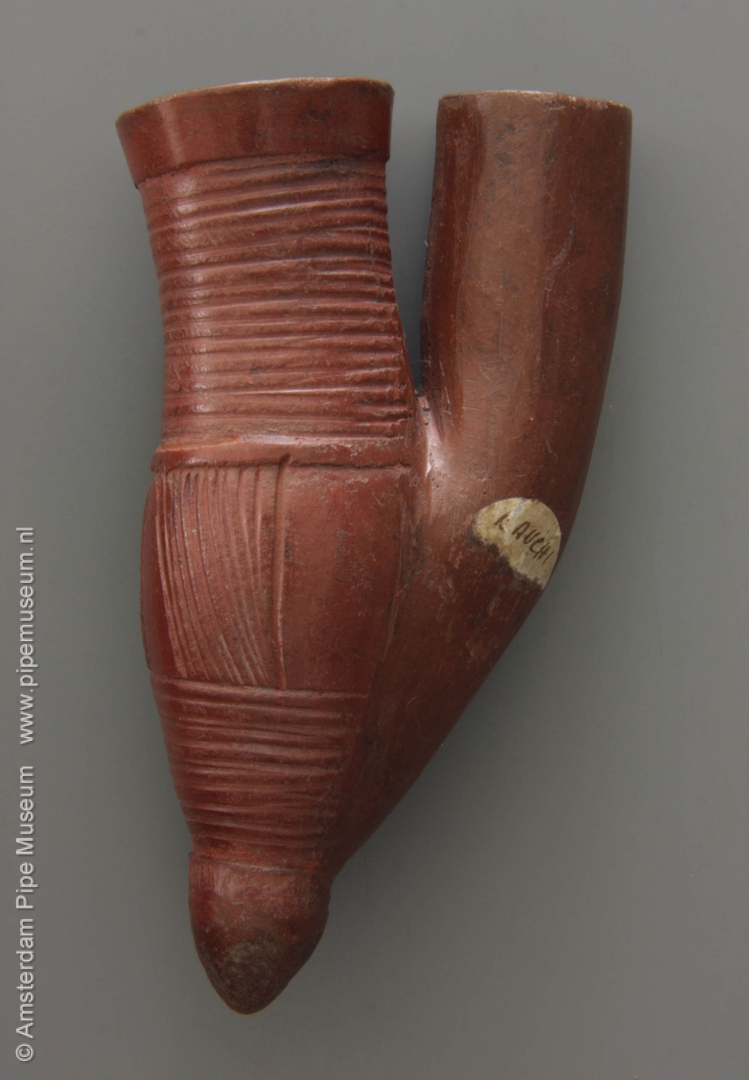
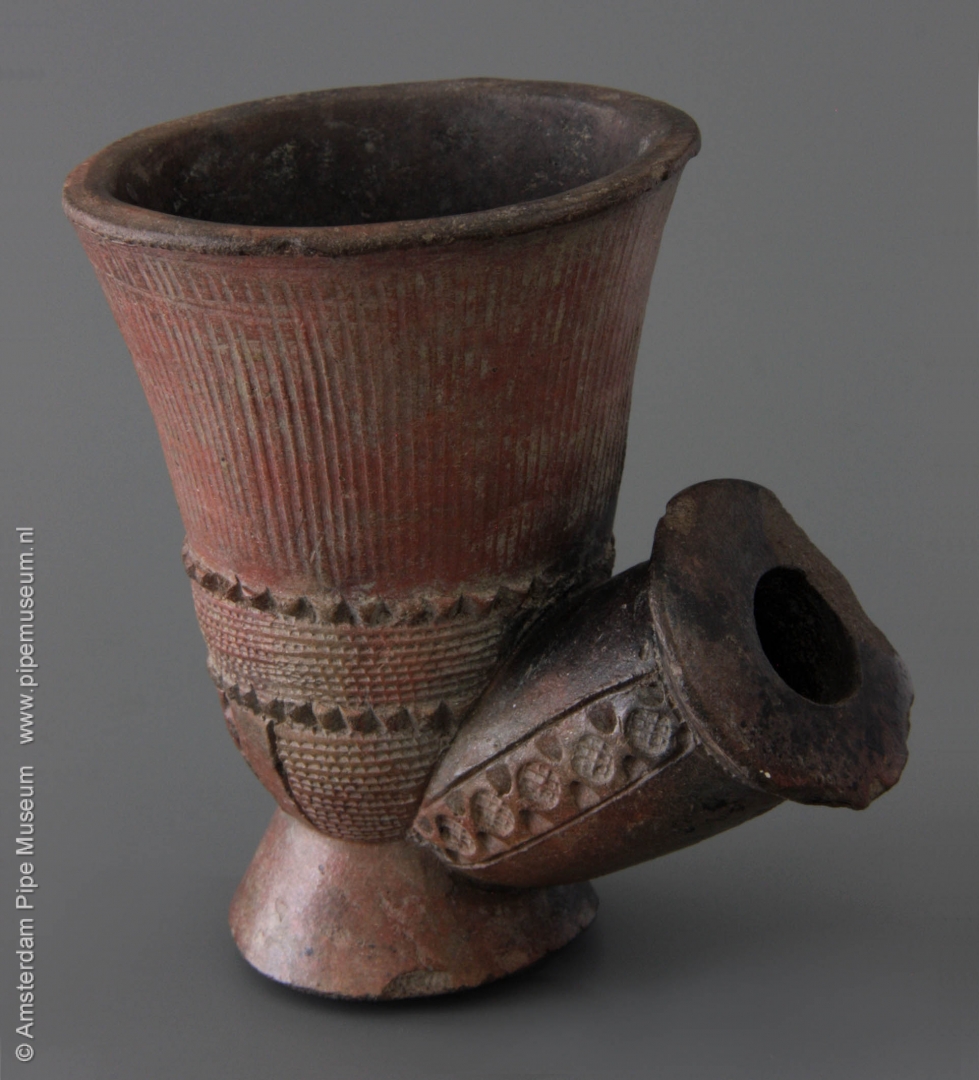
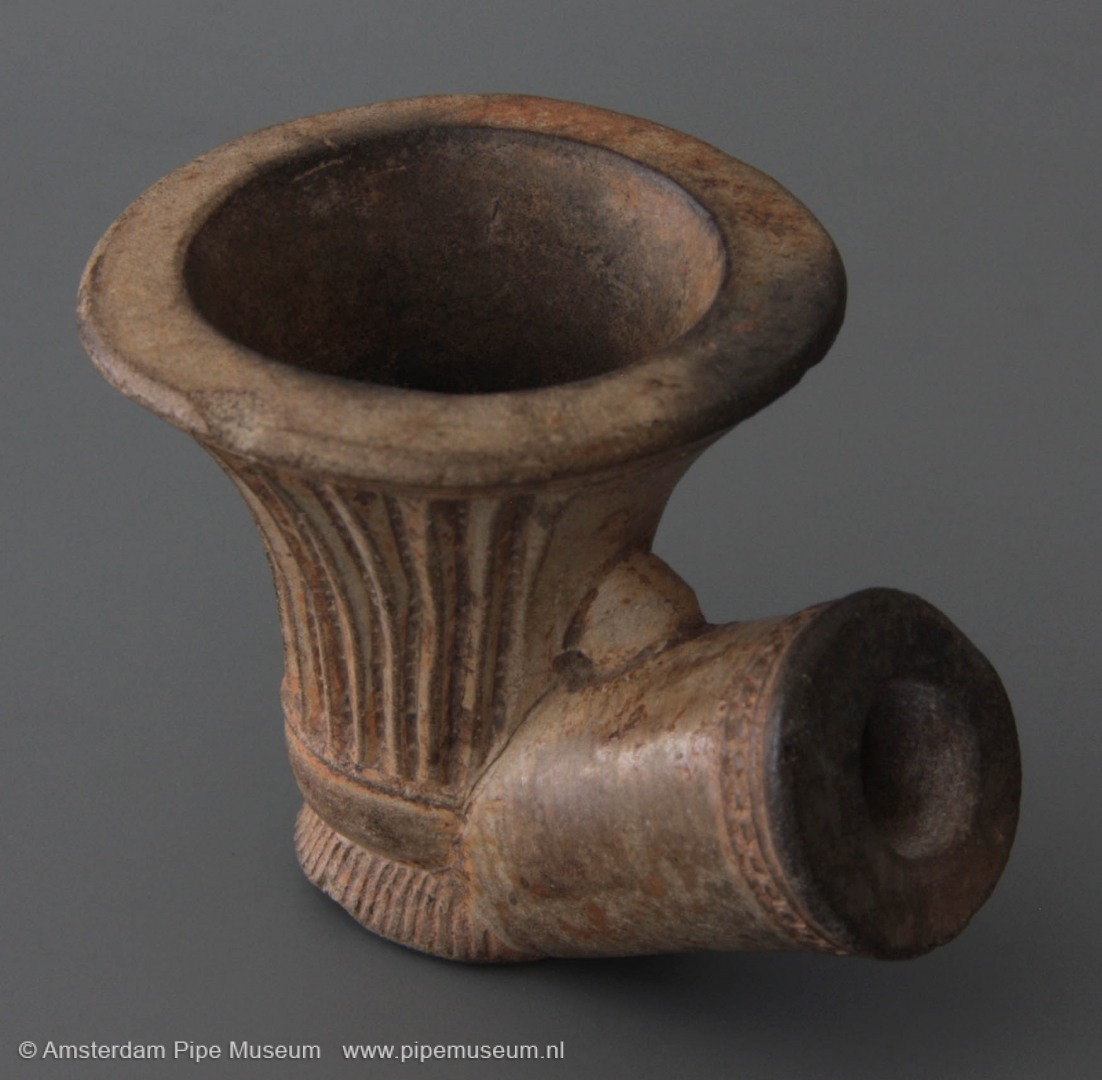
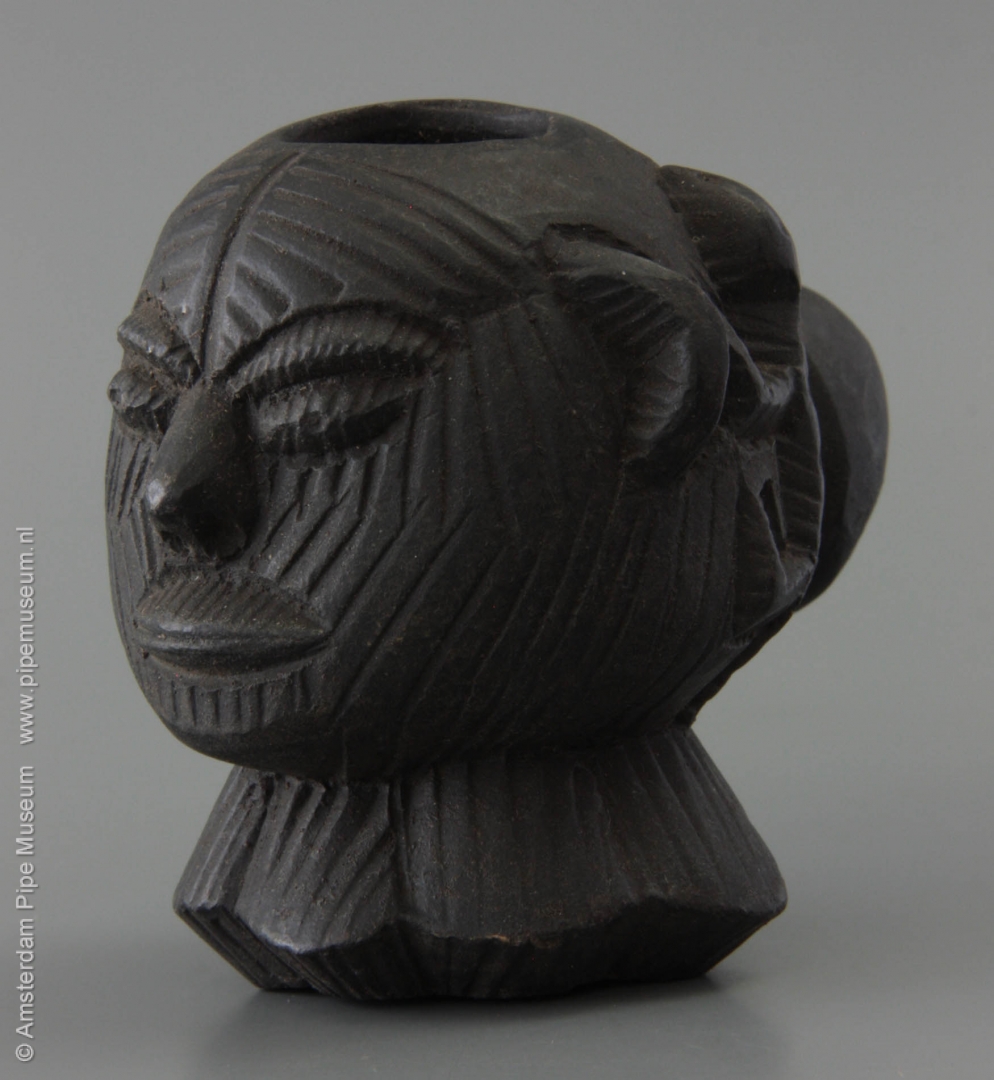
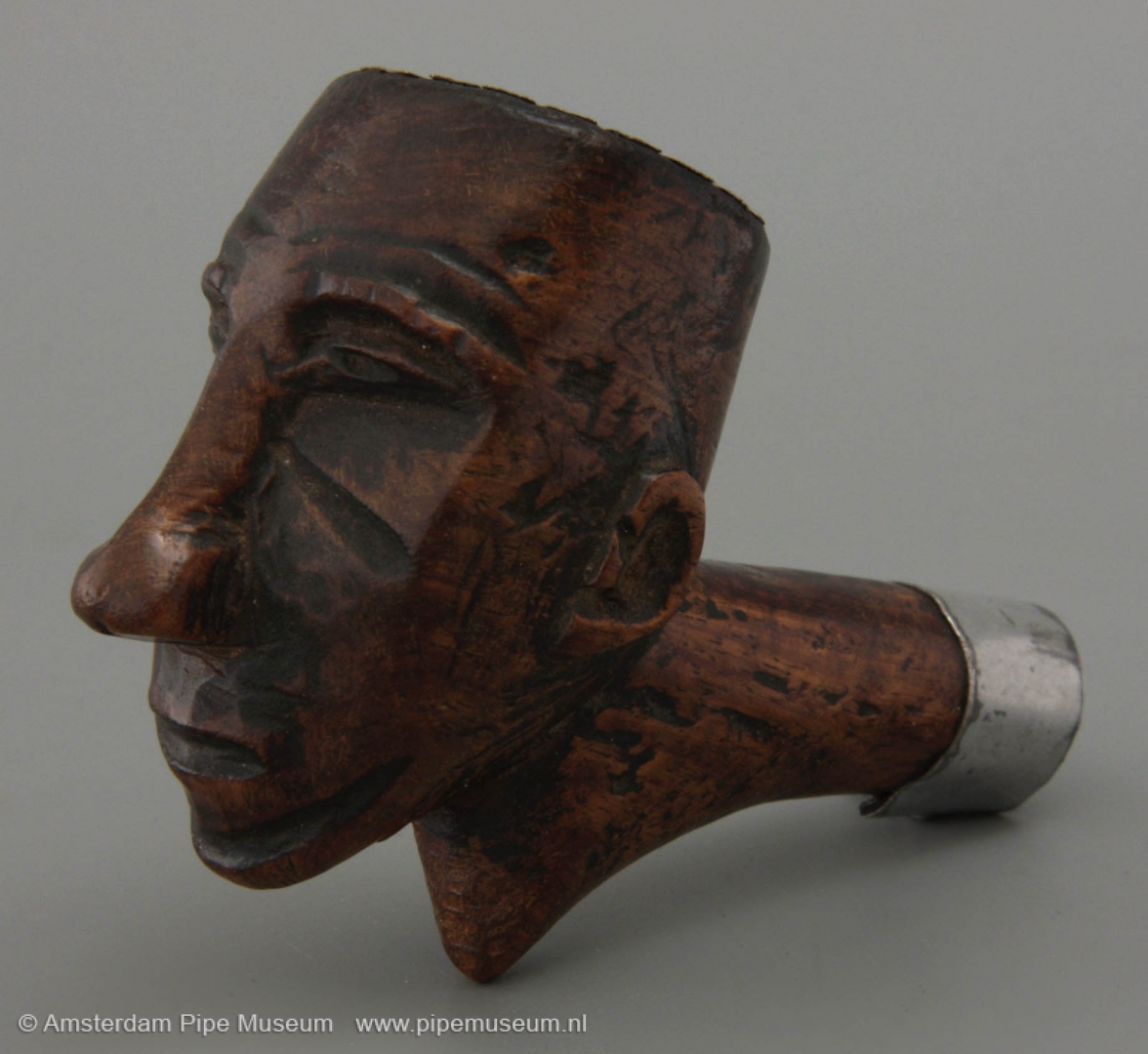
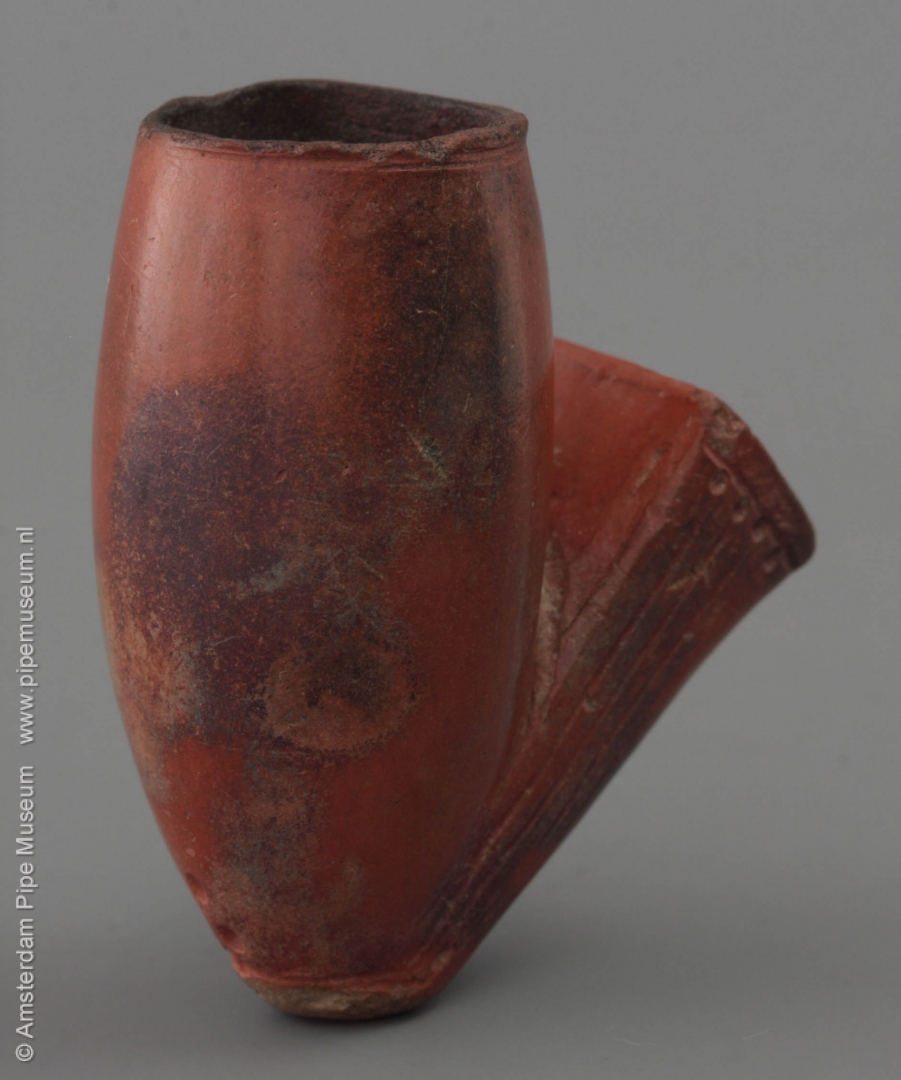
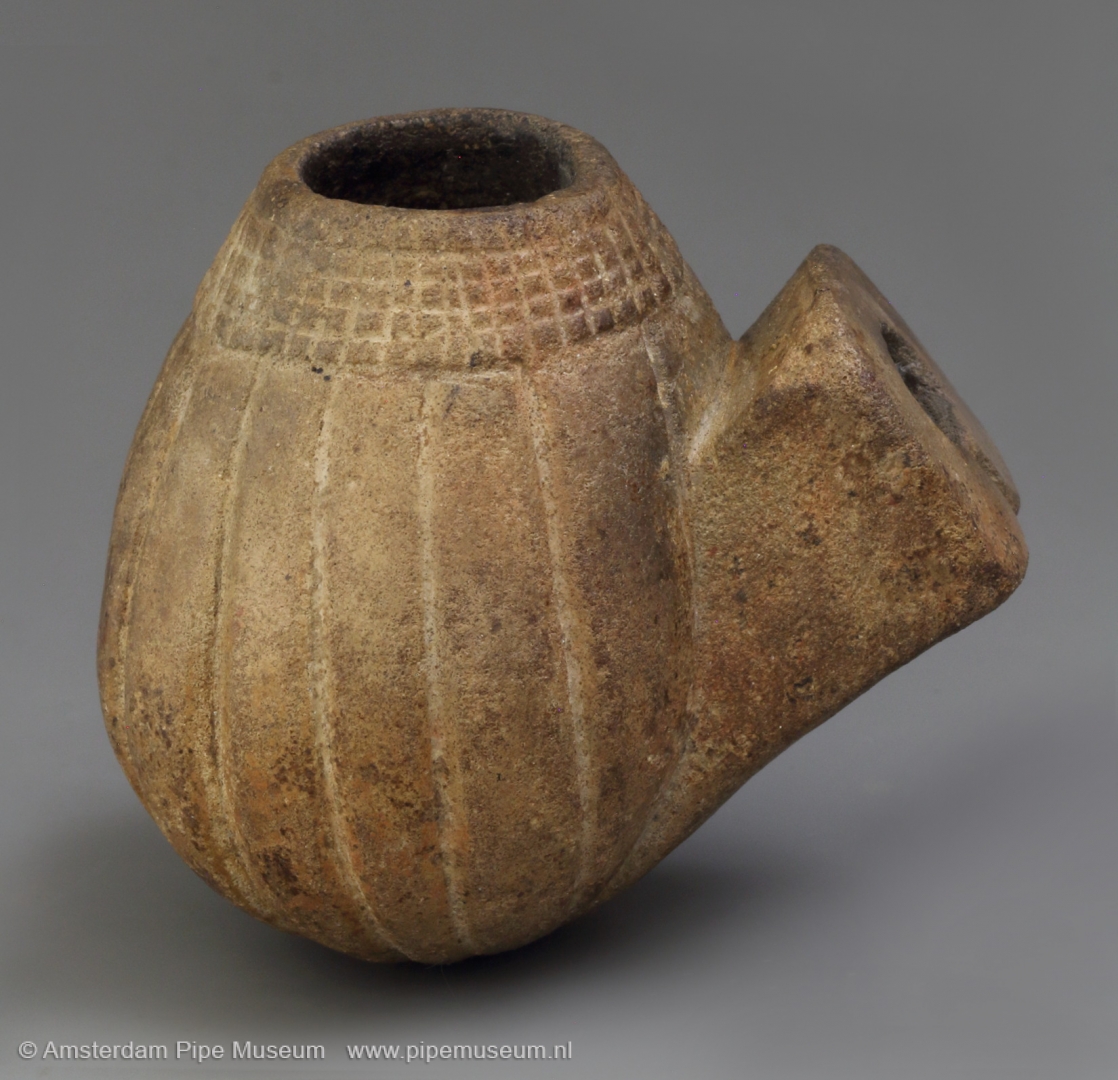
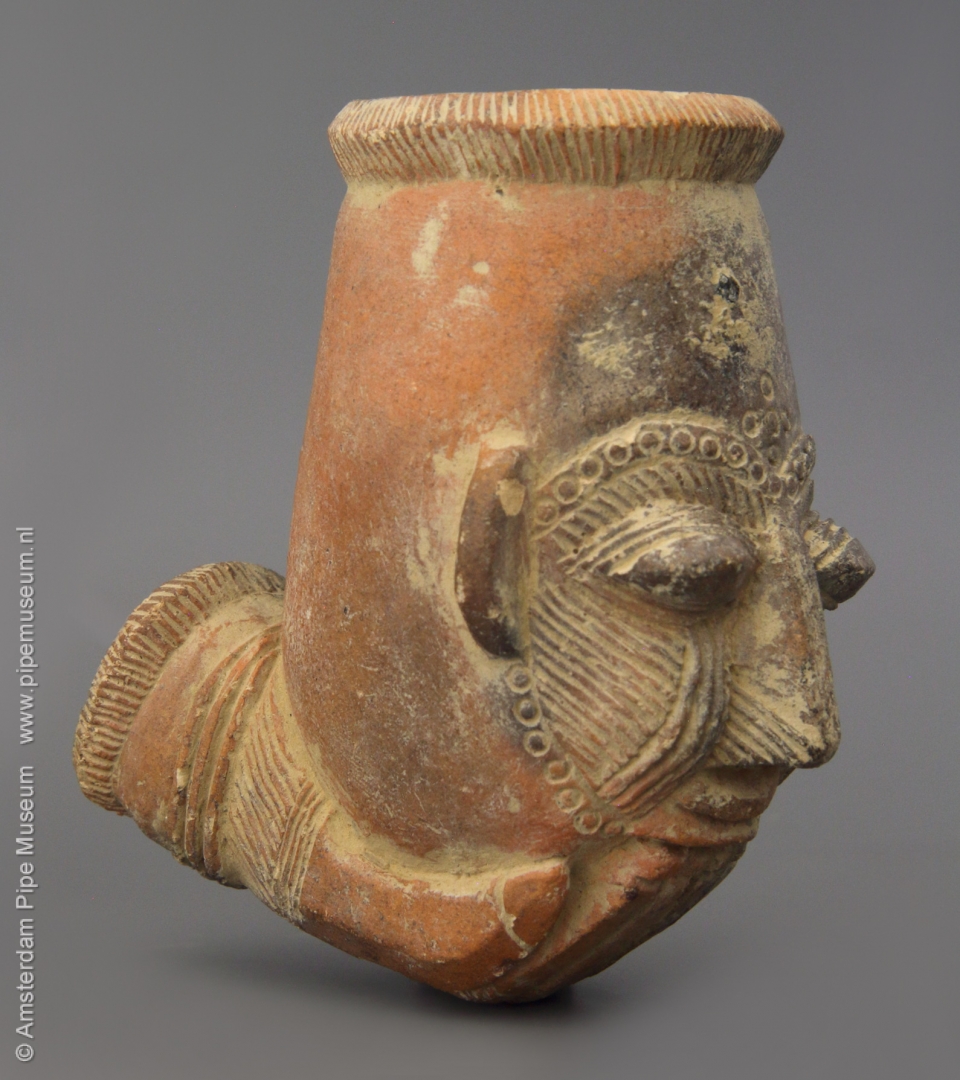
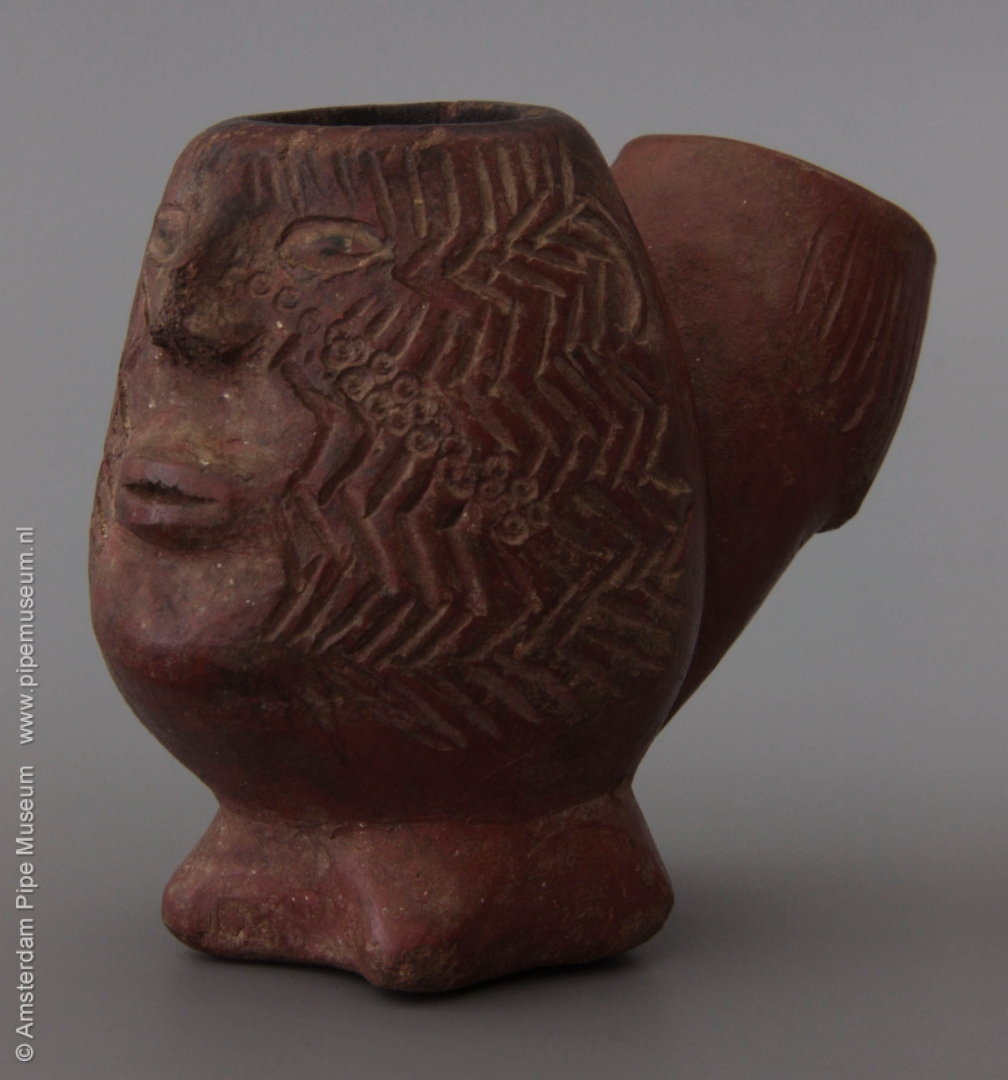
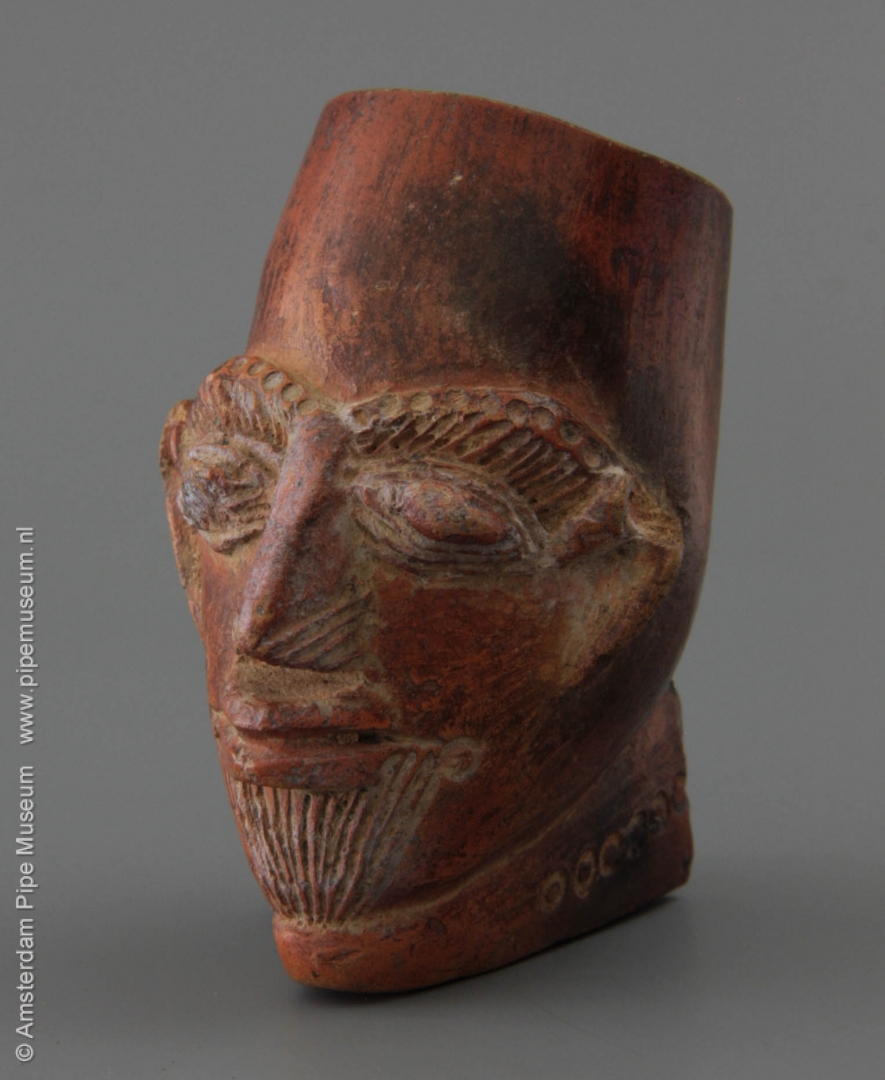
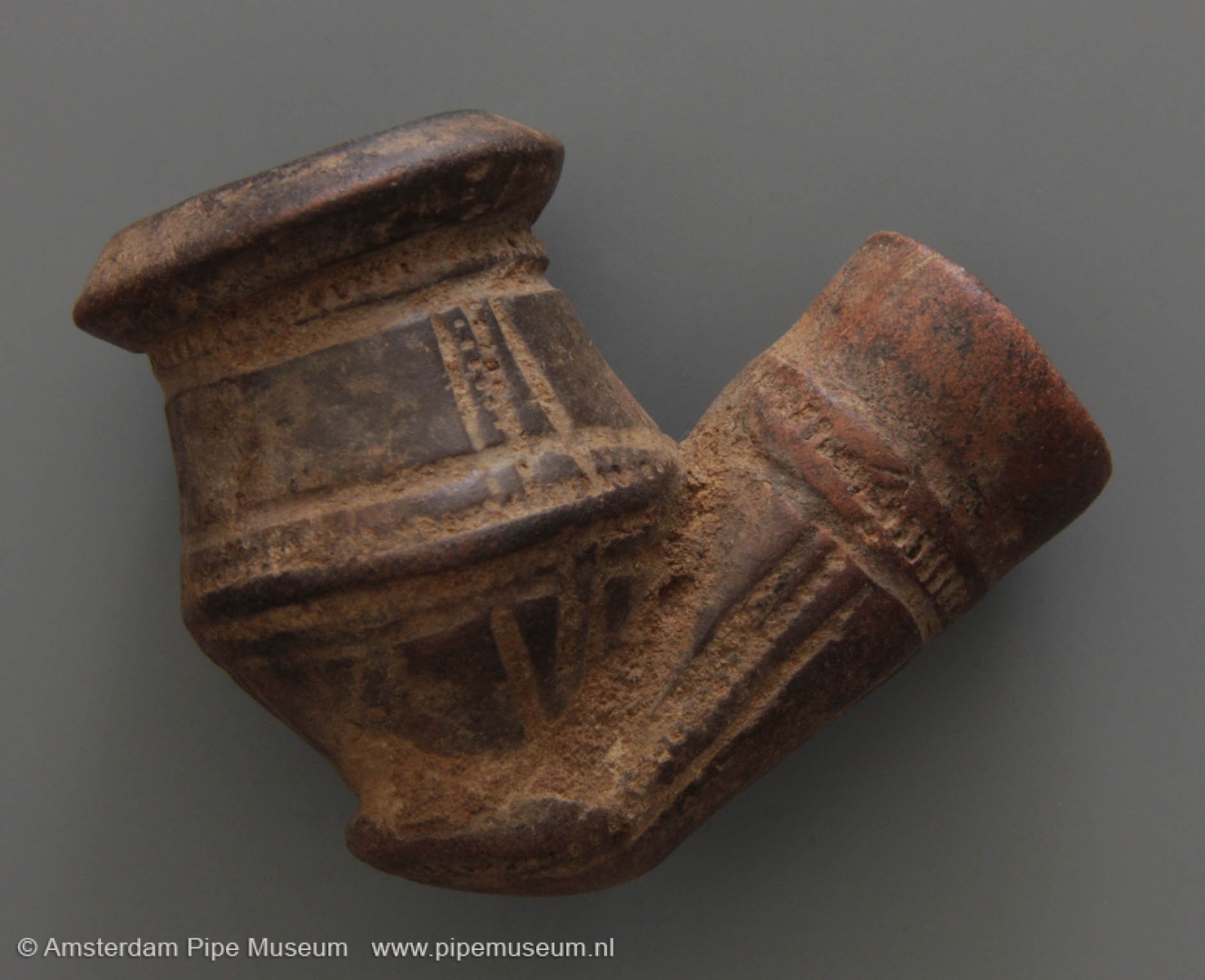
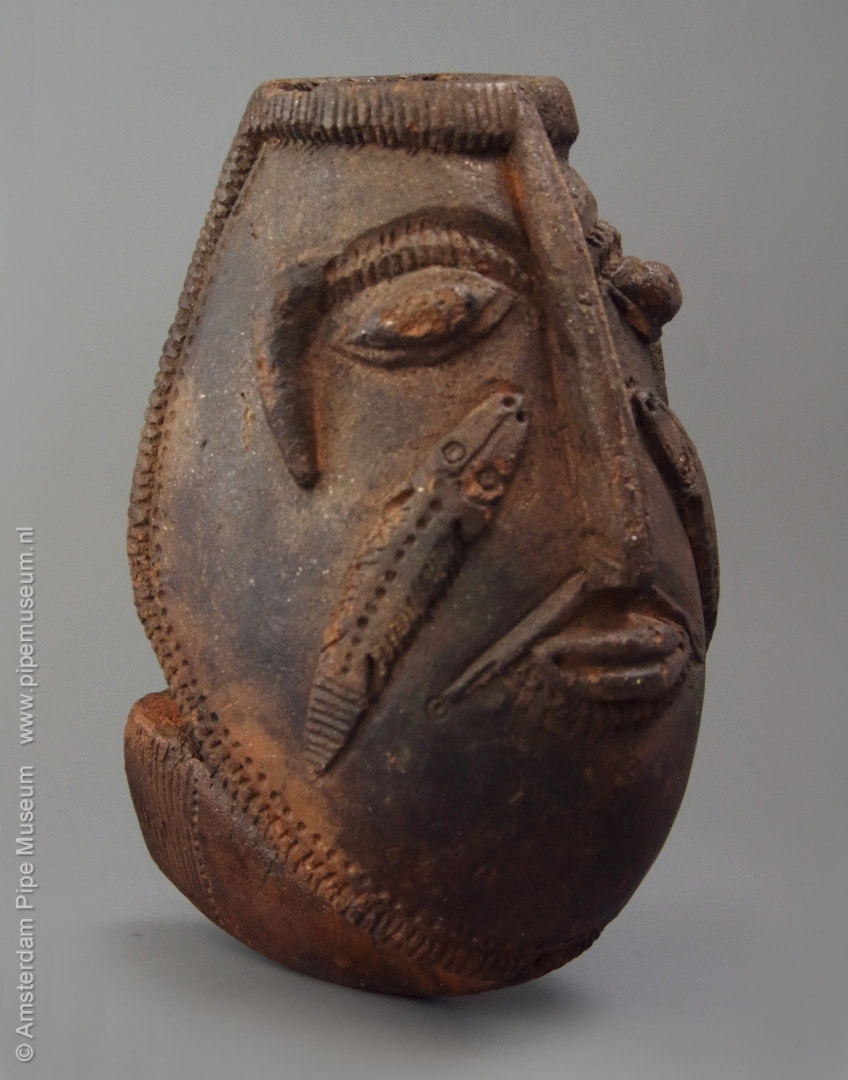
In recent decades, countless archaeological pipe finds have become known from Mali, in particular around Djenné. These are pipe bowls made of fine red earthenware with a polished engobe finish. In addition to powerful geometric shapes, there exits very large examples with an extremely thin bowl wall. Occasionally a portrait pipe is found, the atypical item in the production. Up to now there is little certainty about the dating.
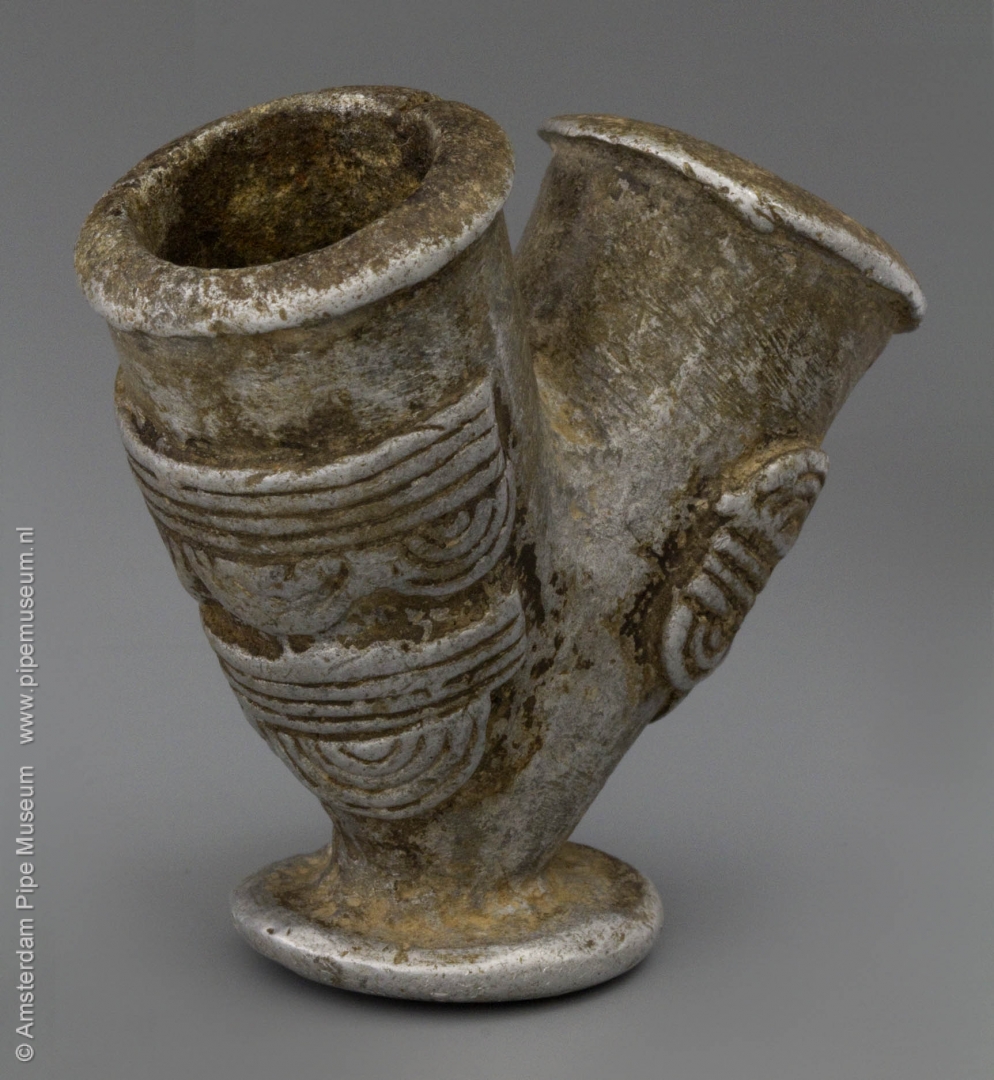
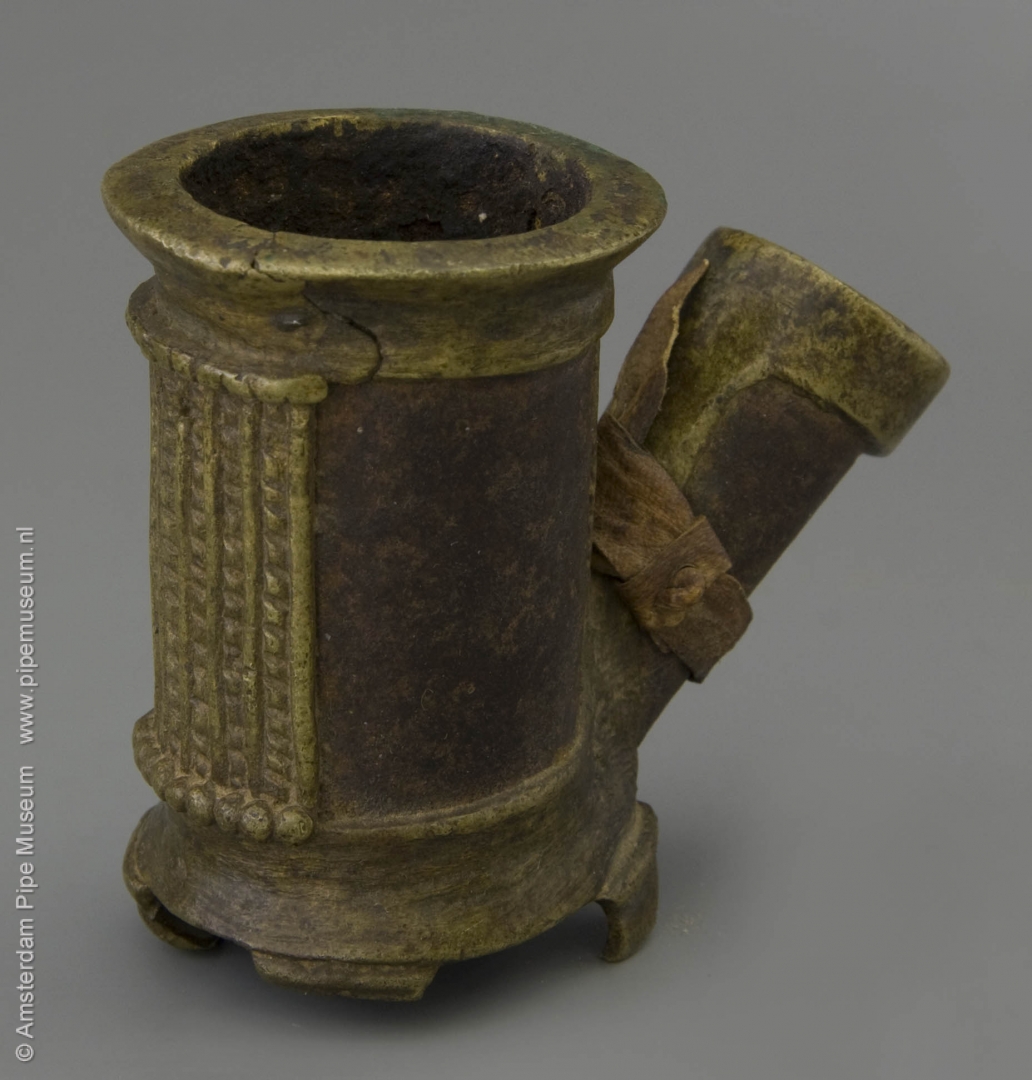
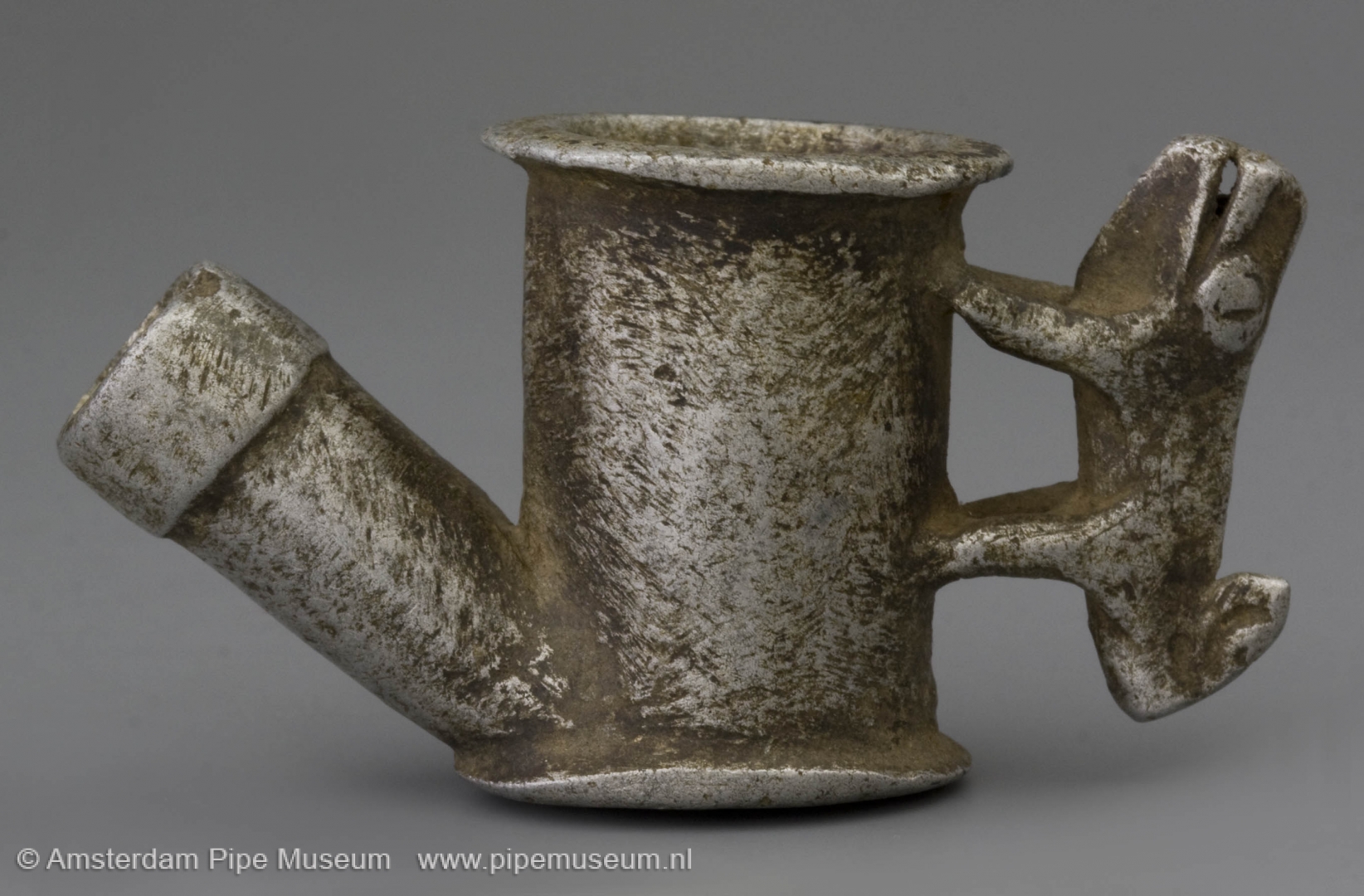
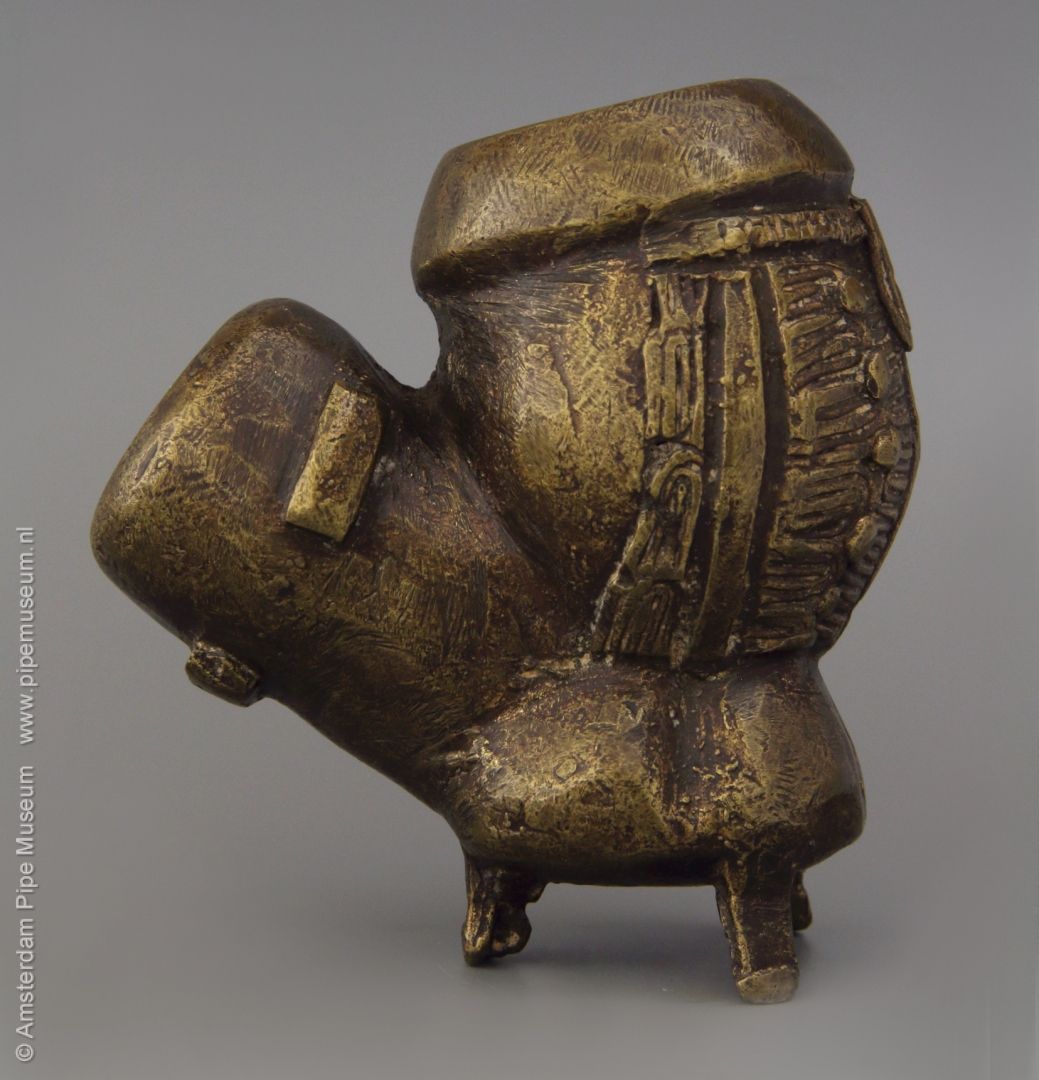
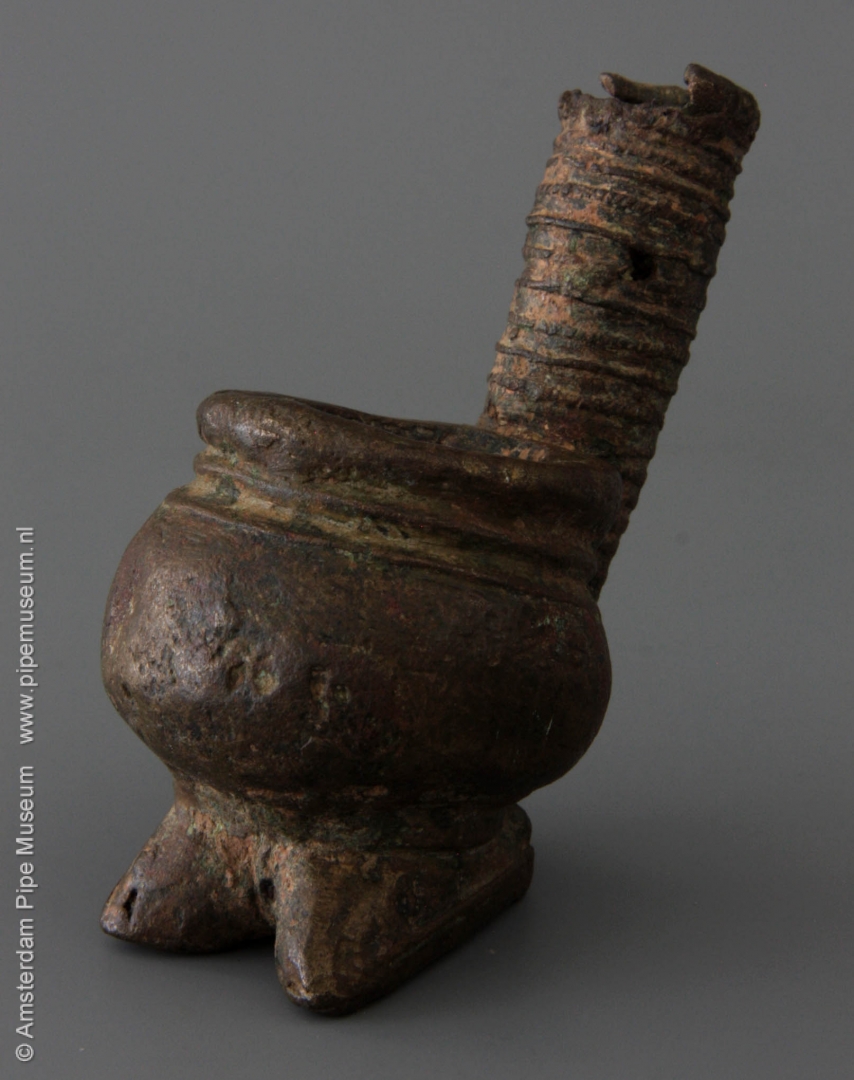
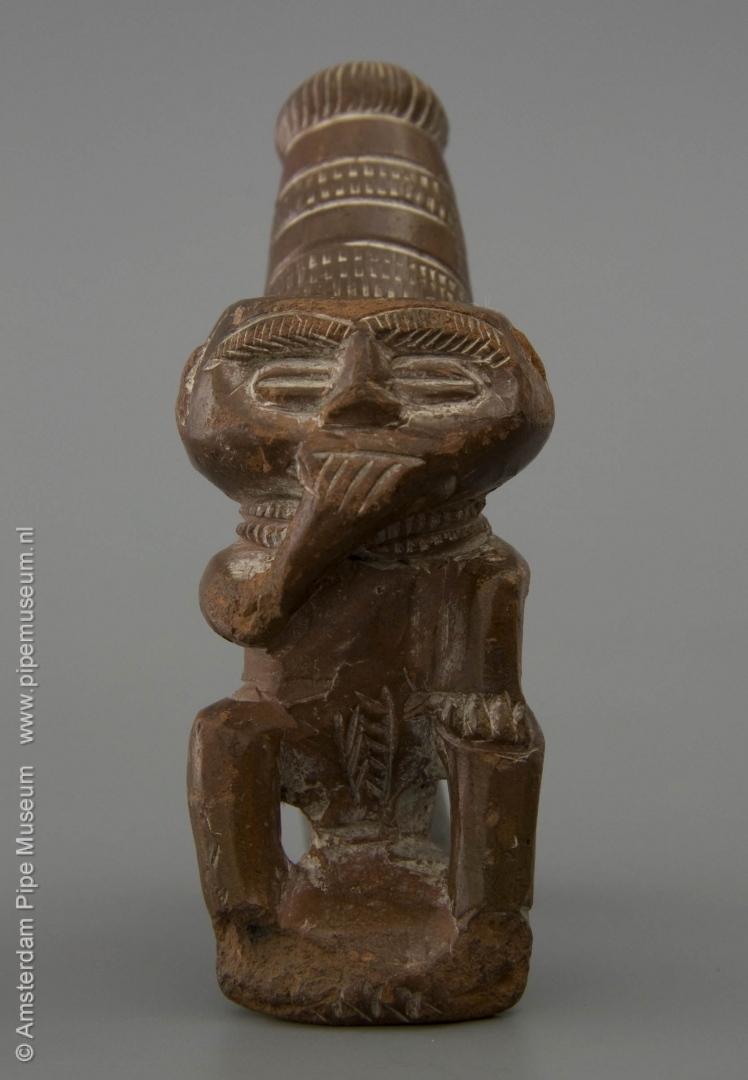
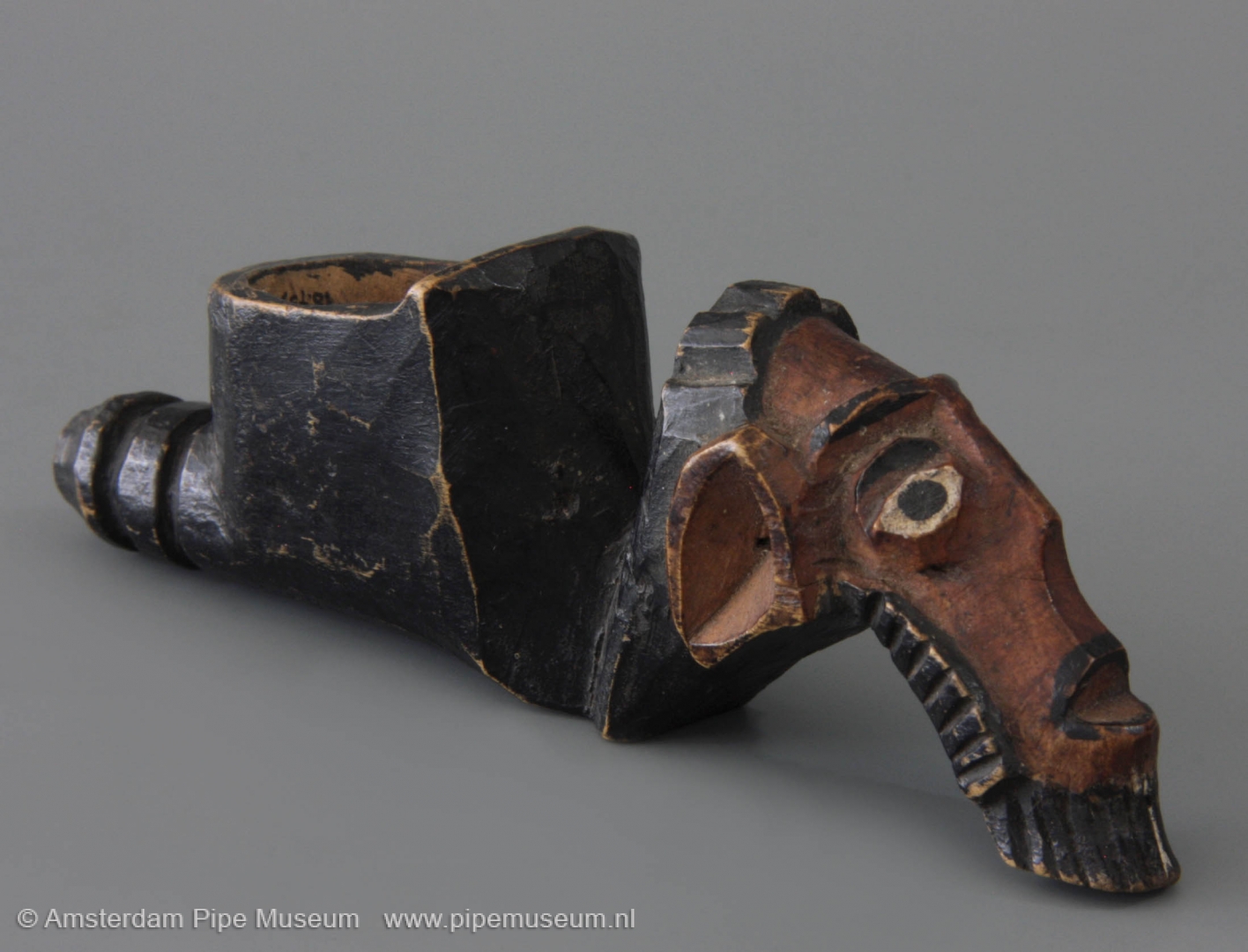
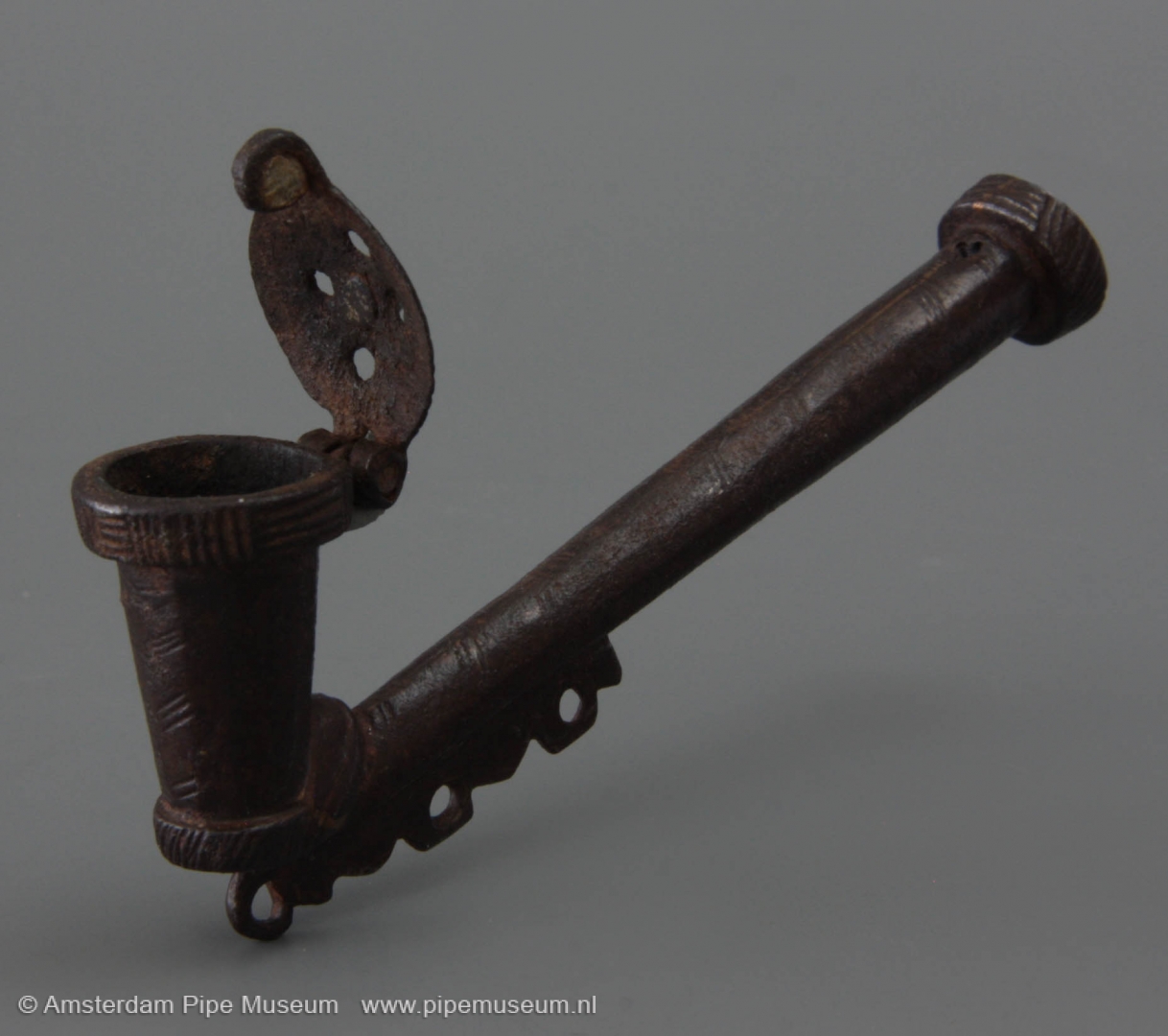
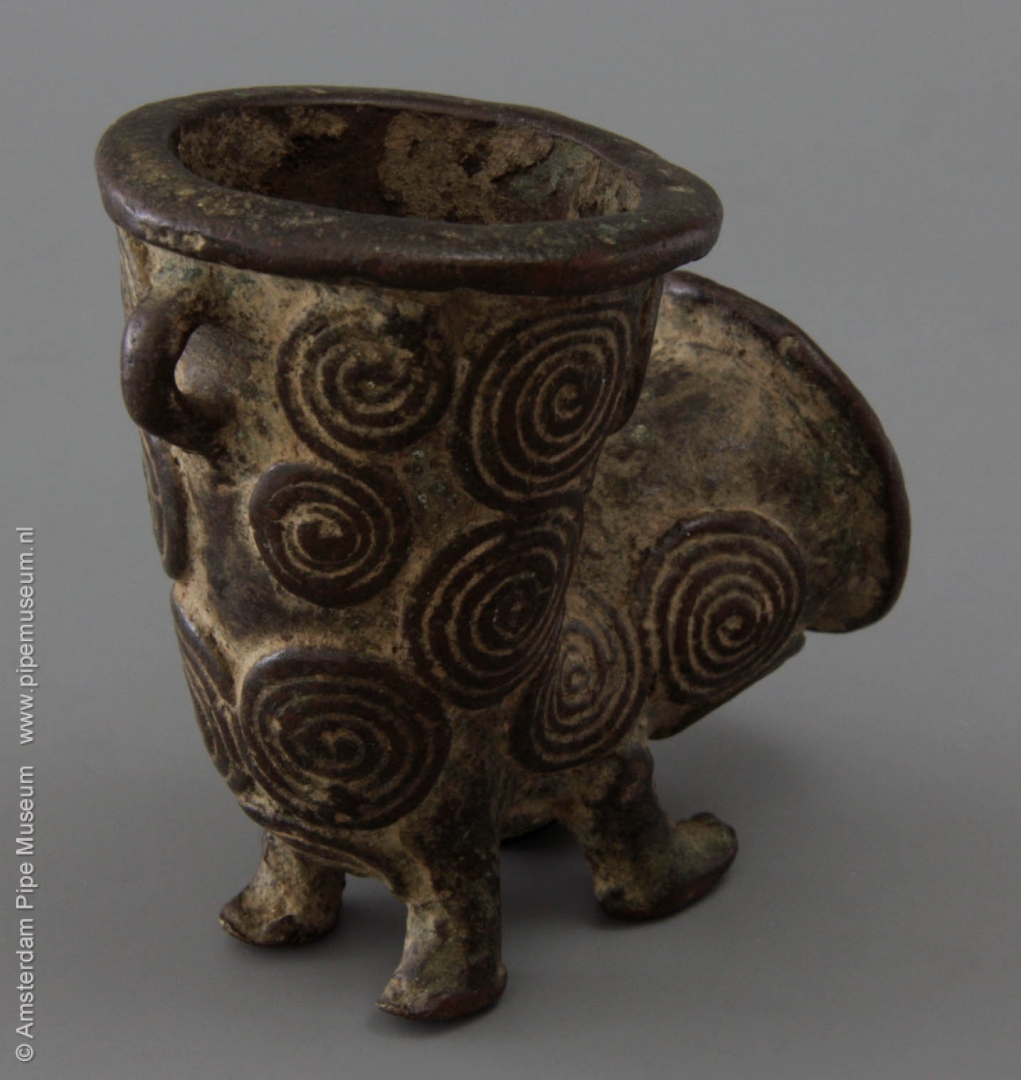
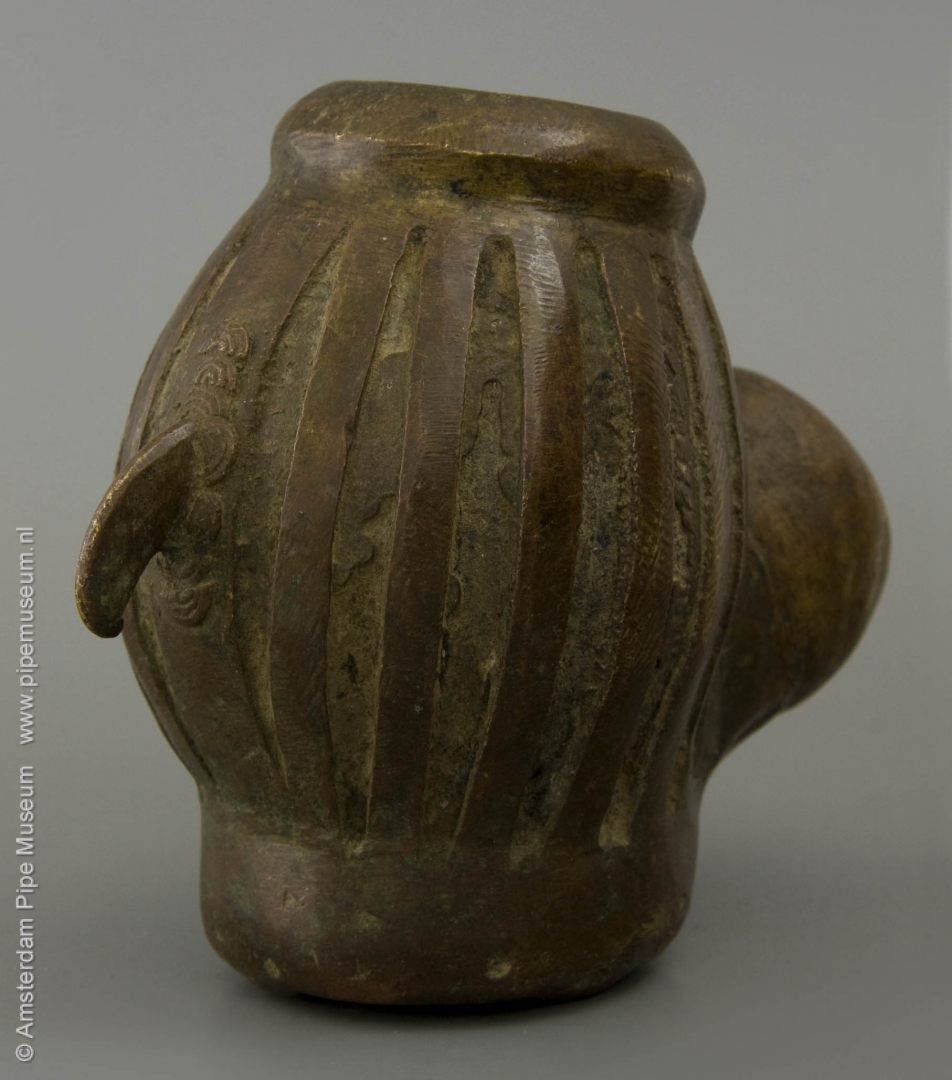
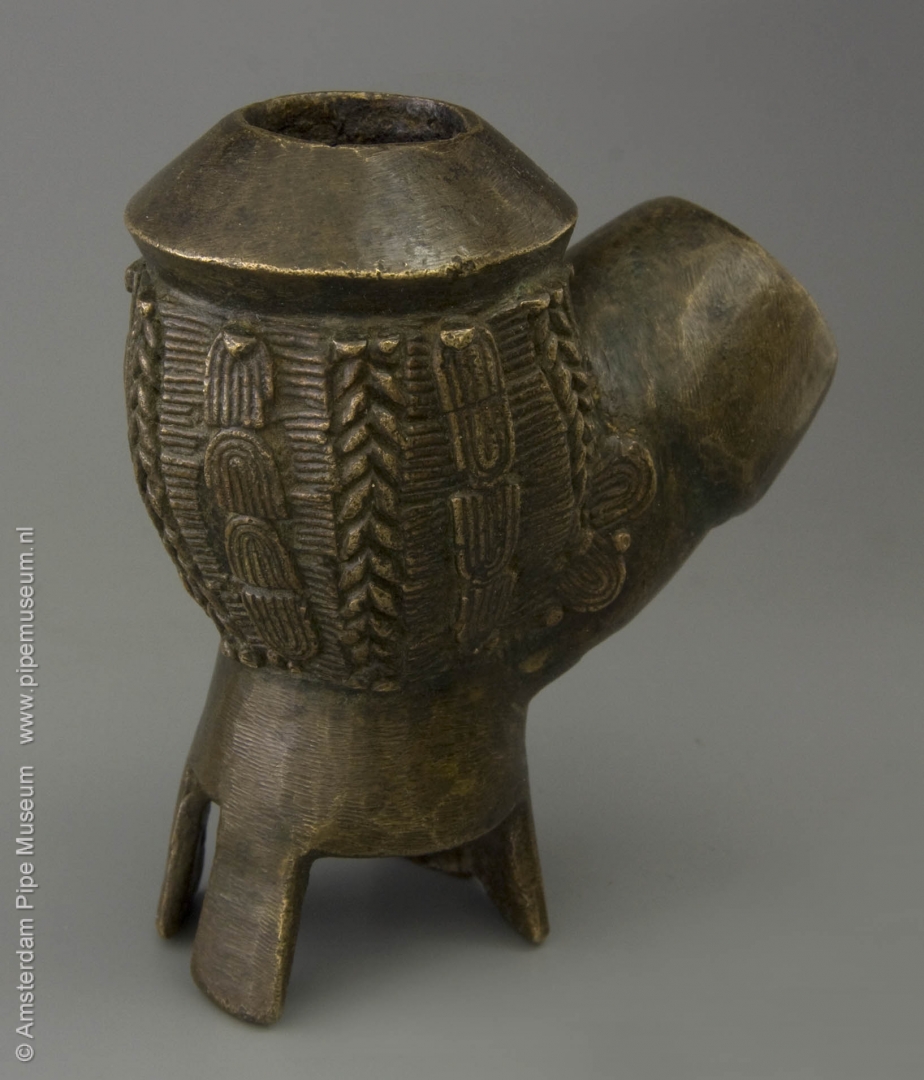
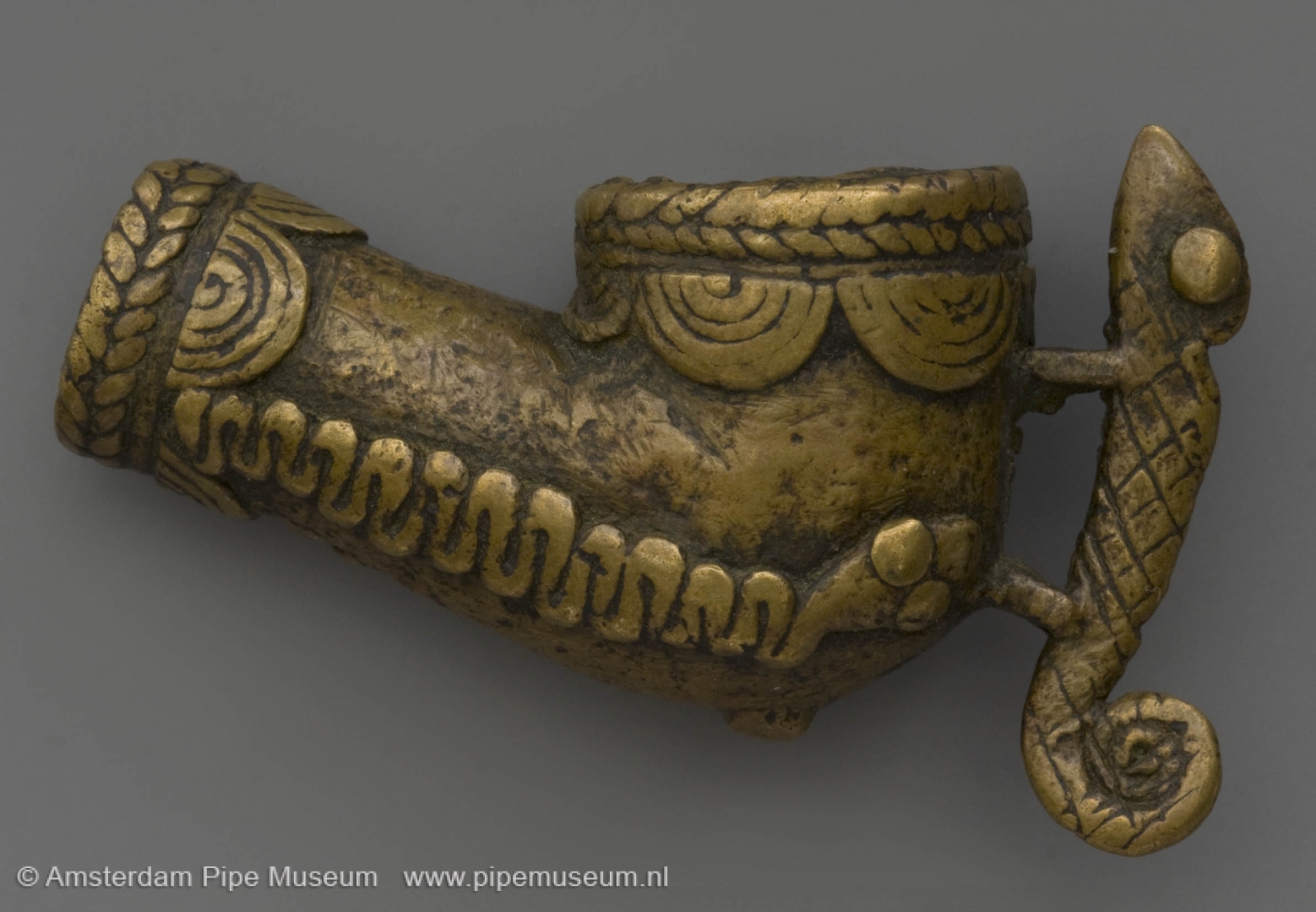
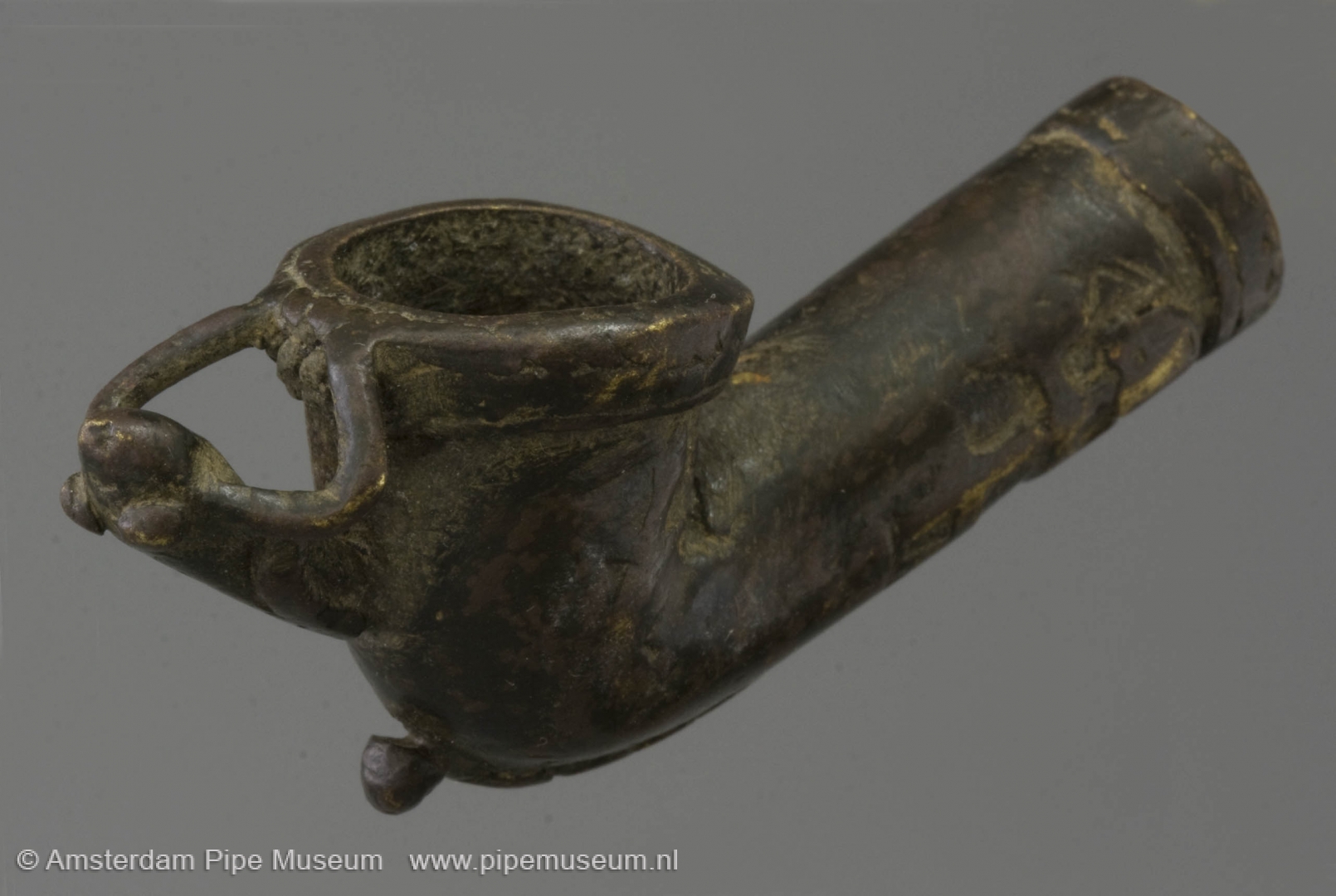
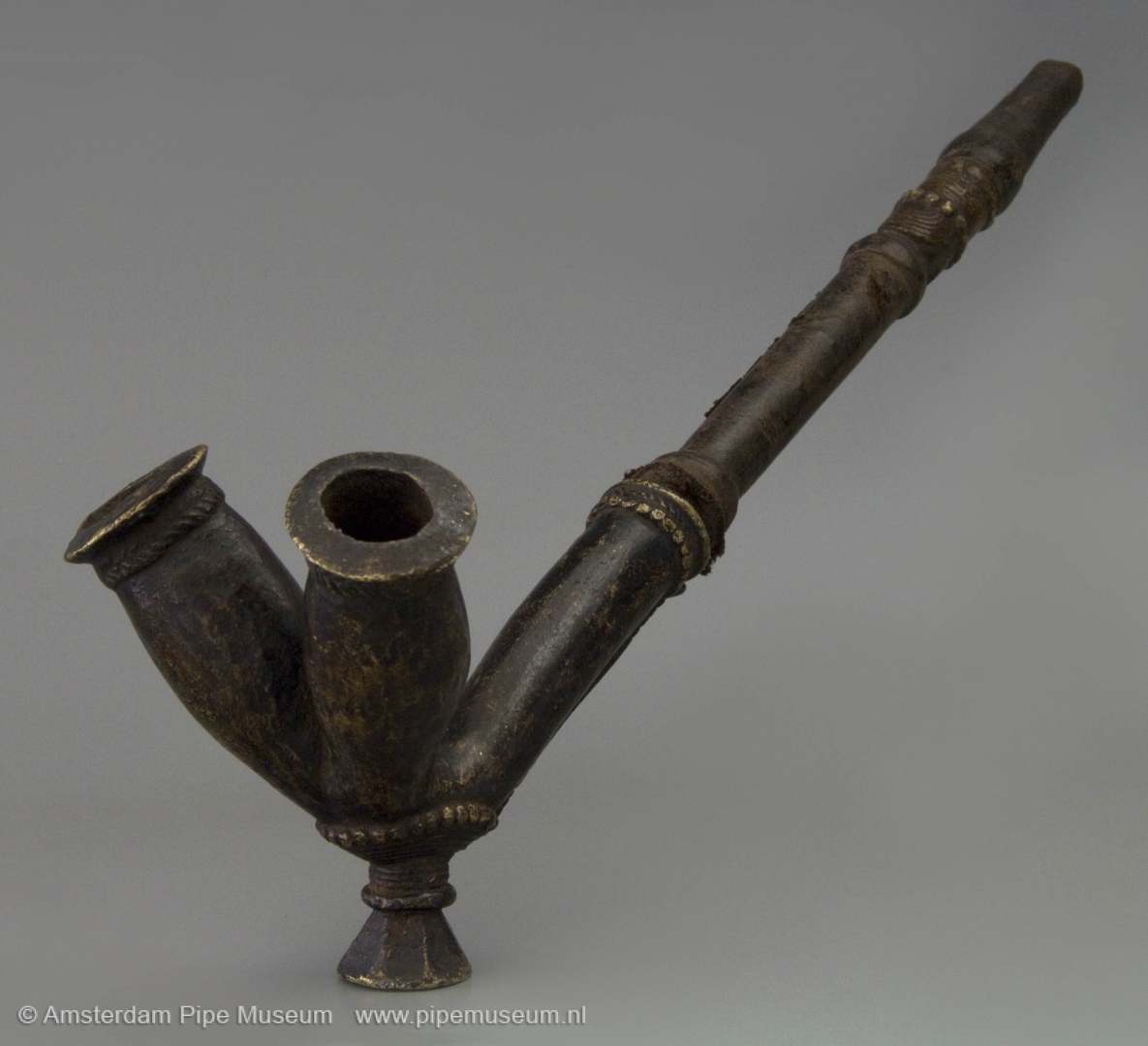
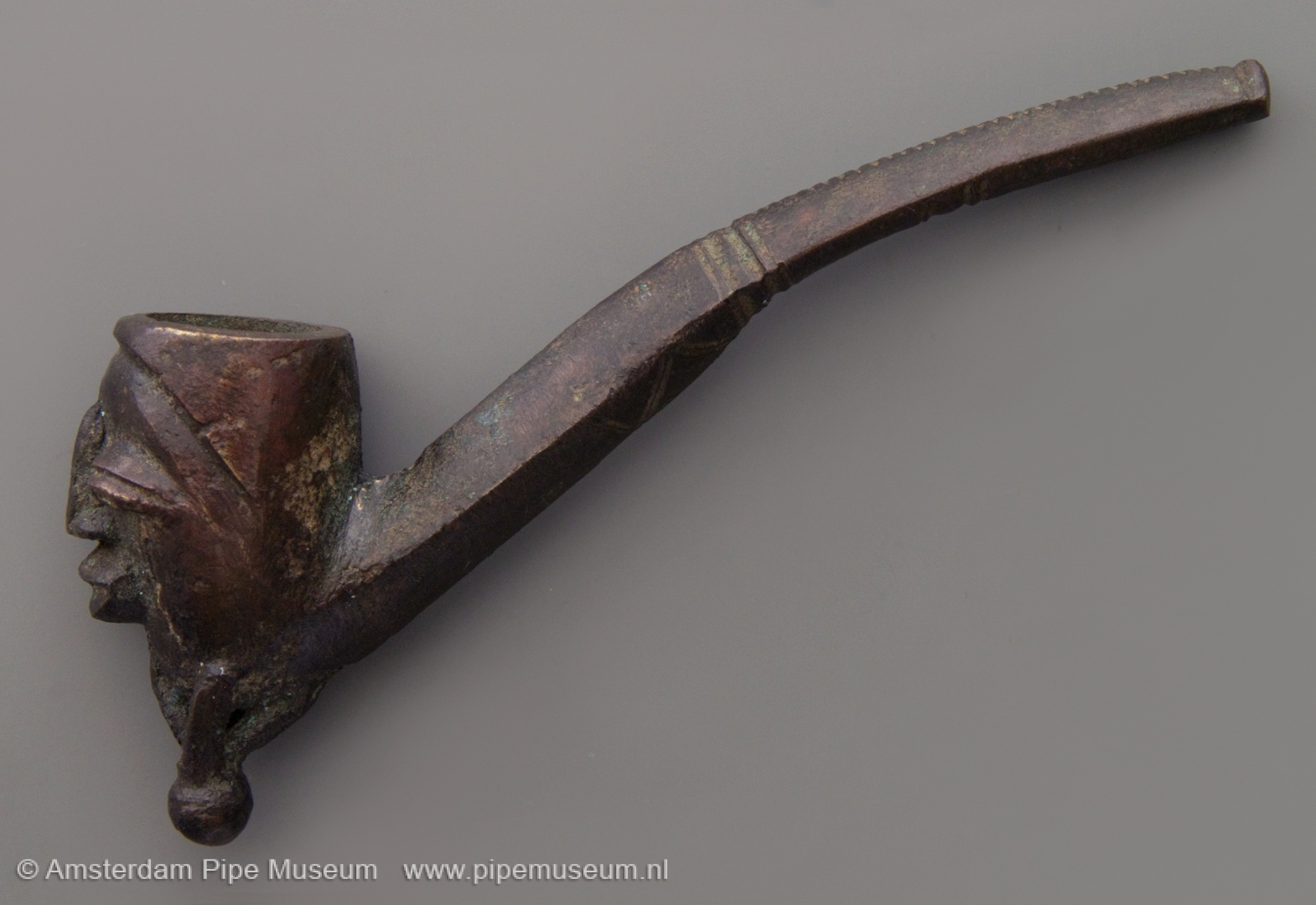
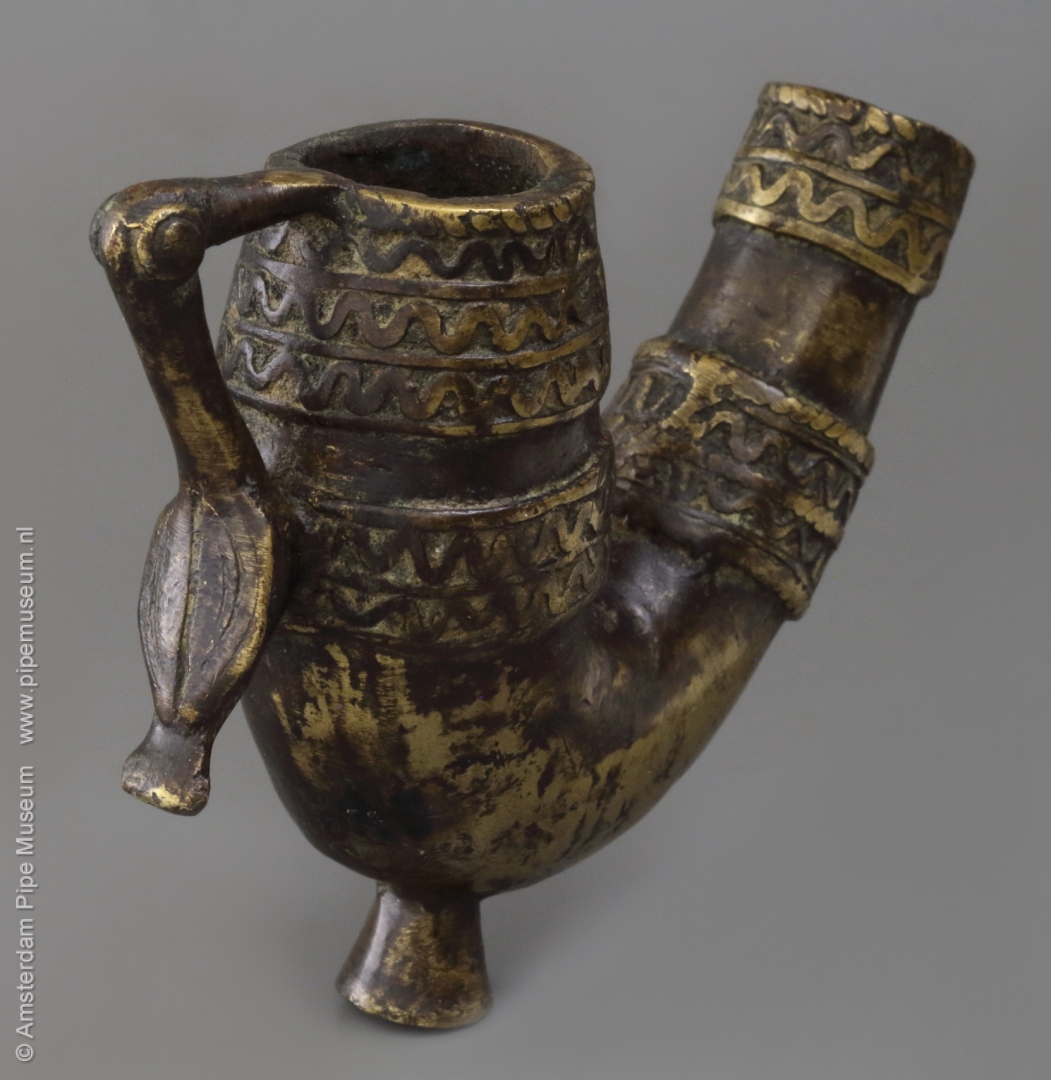
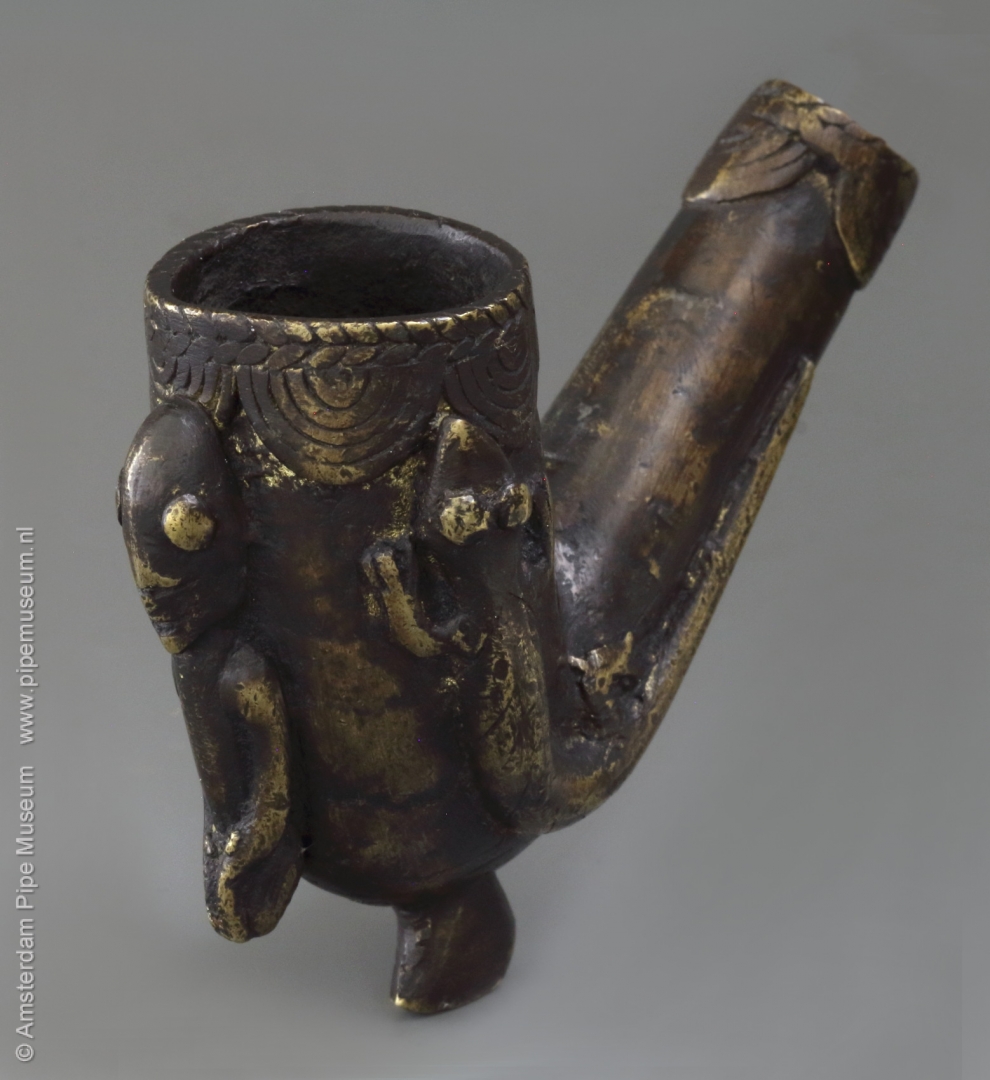
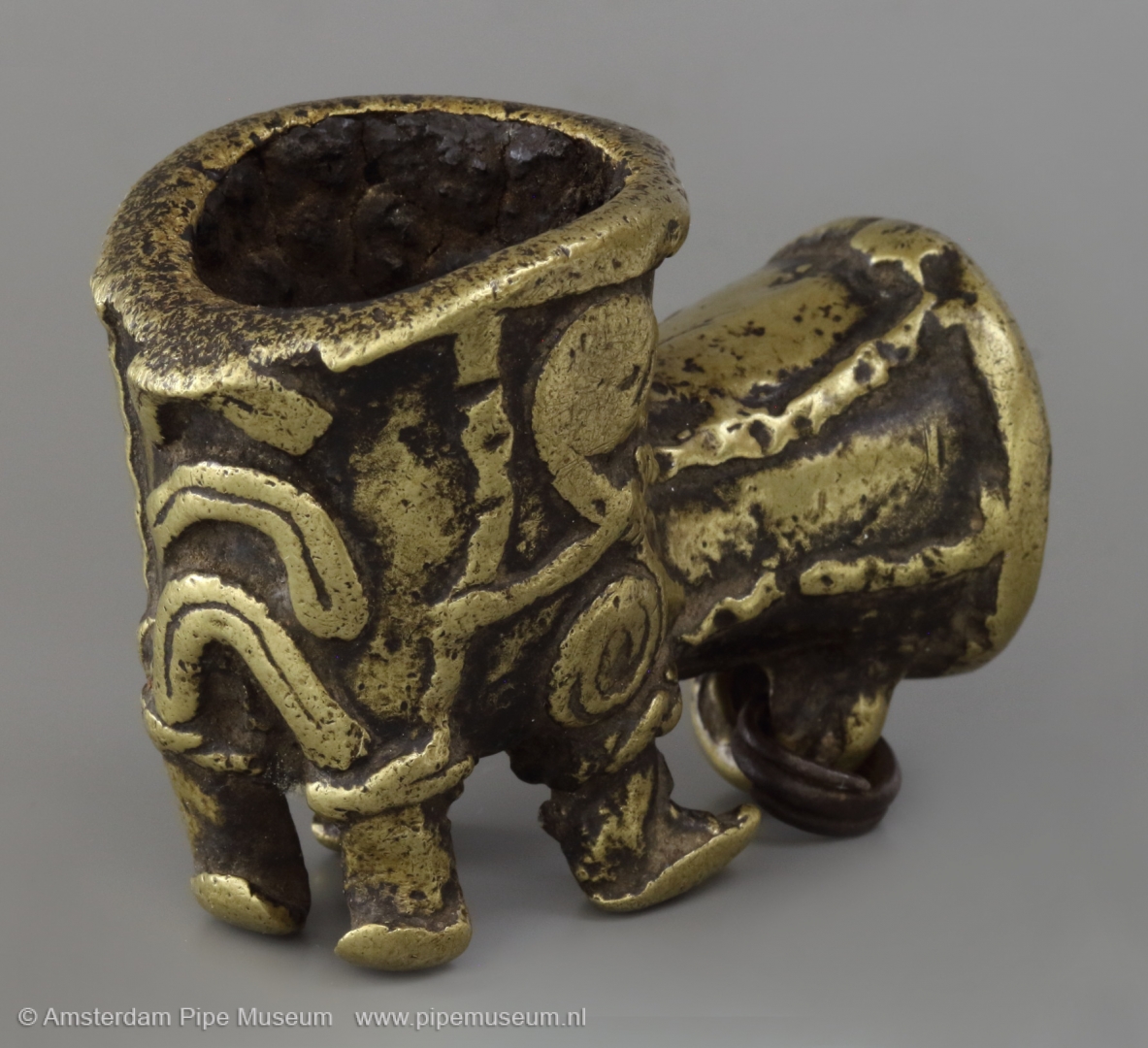
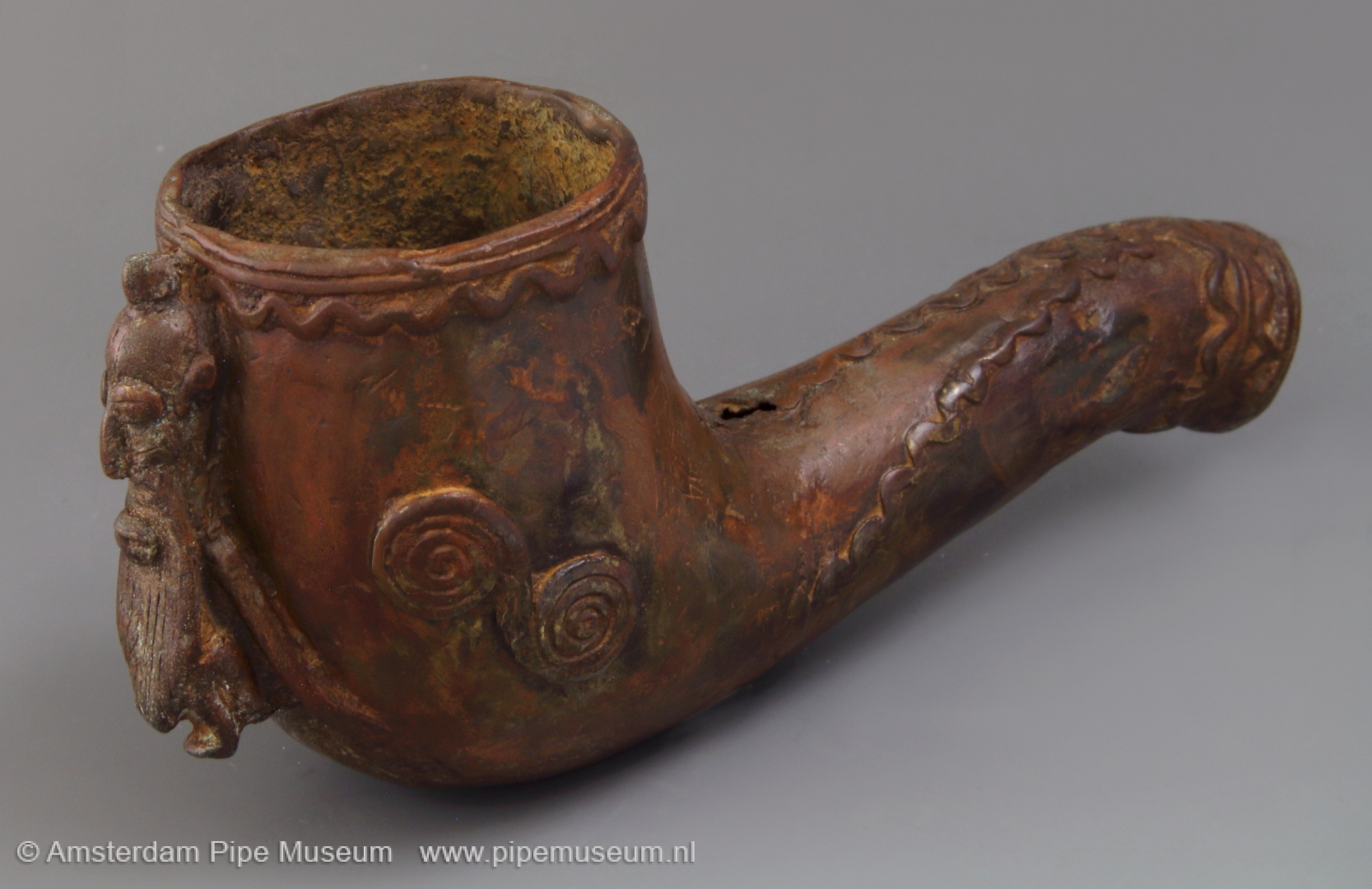
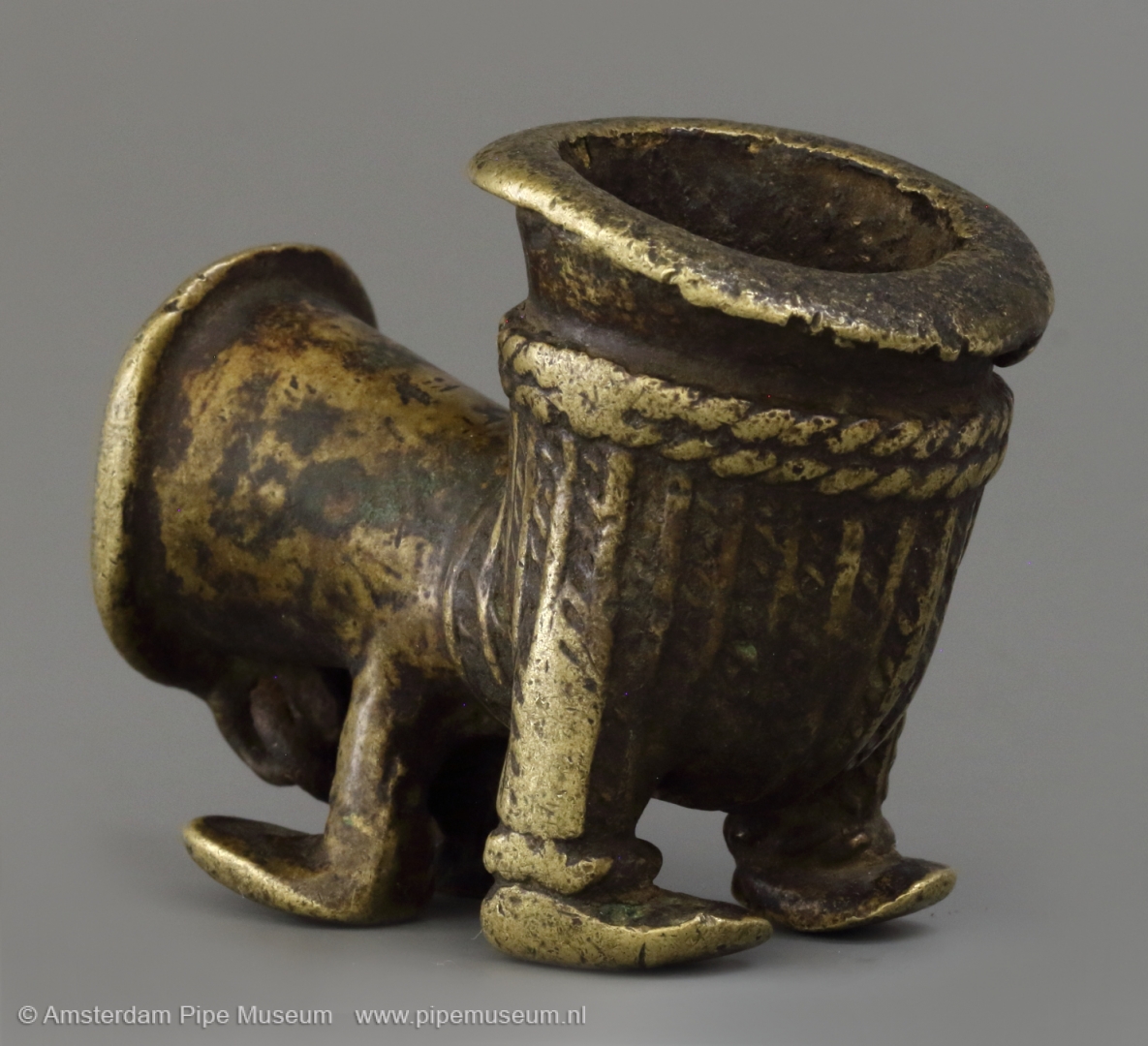
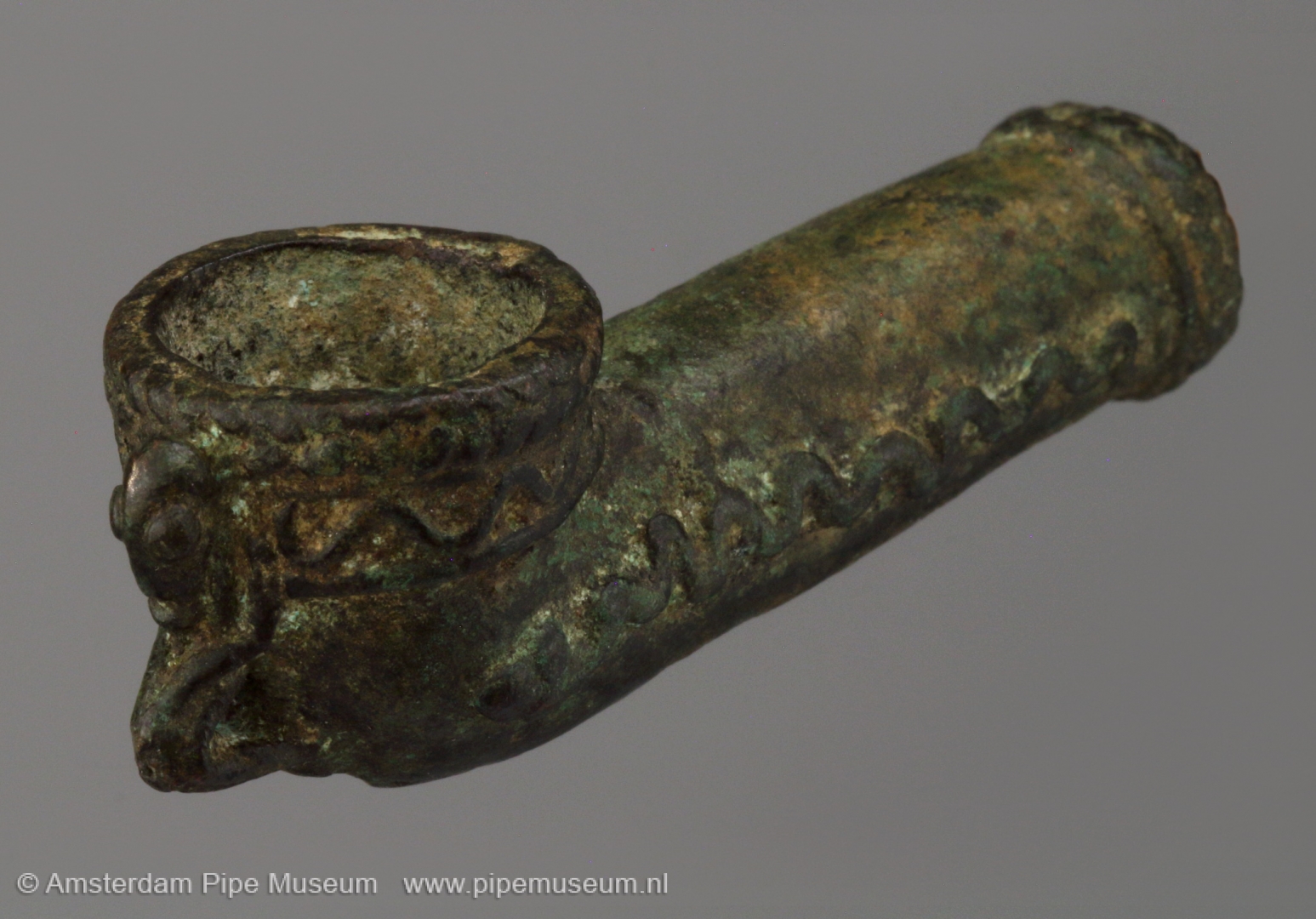
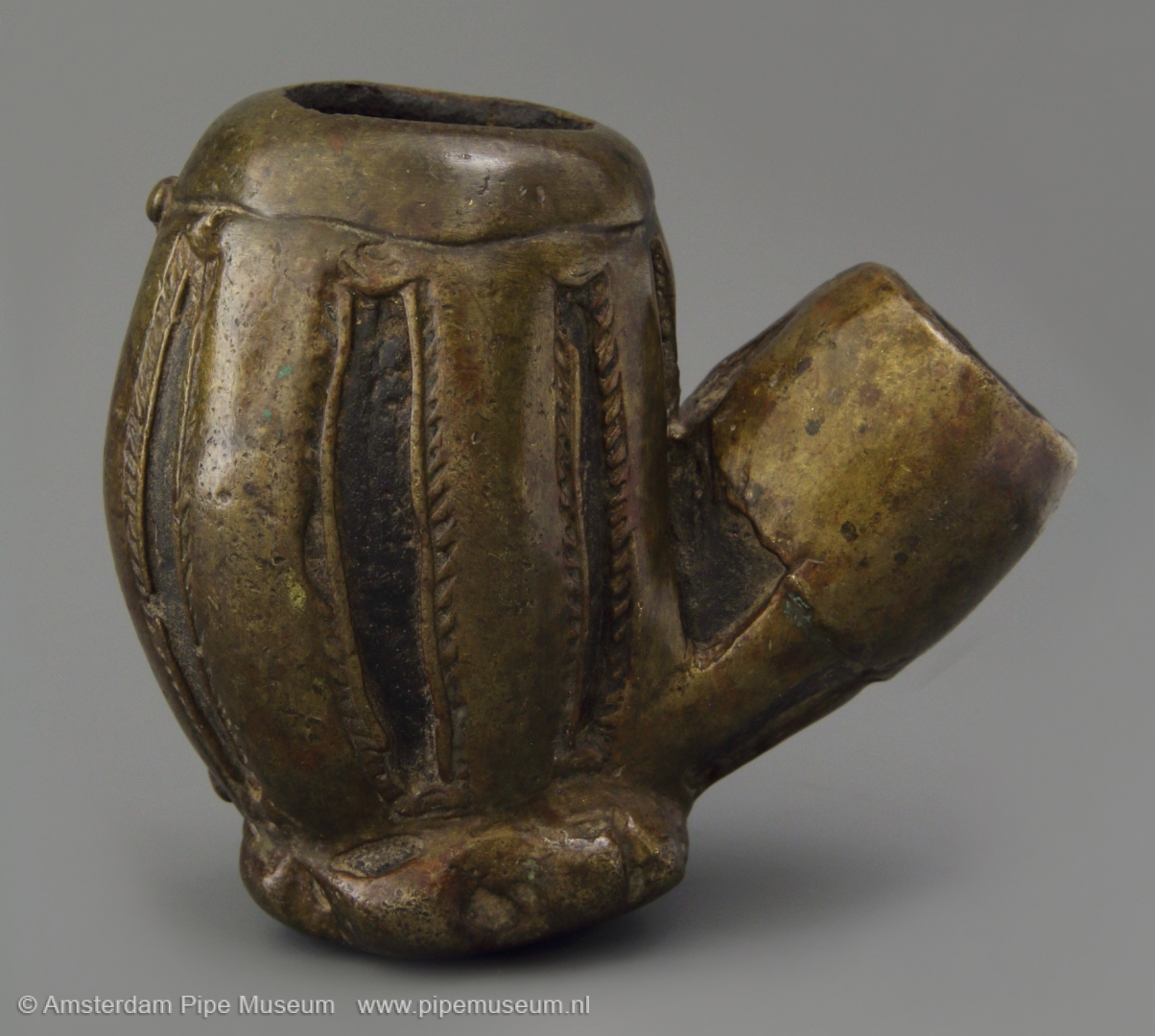
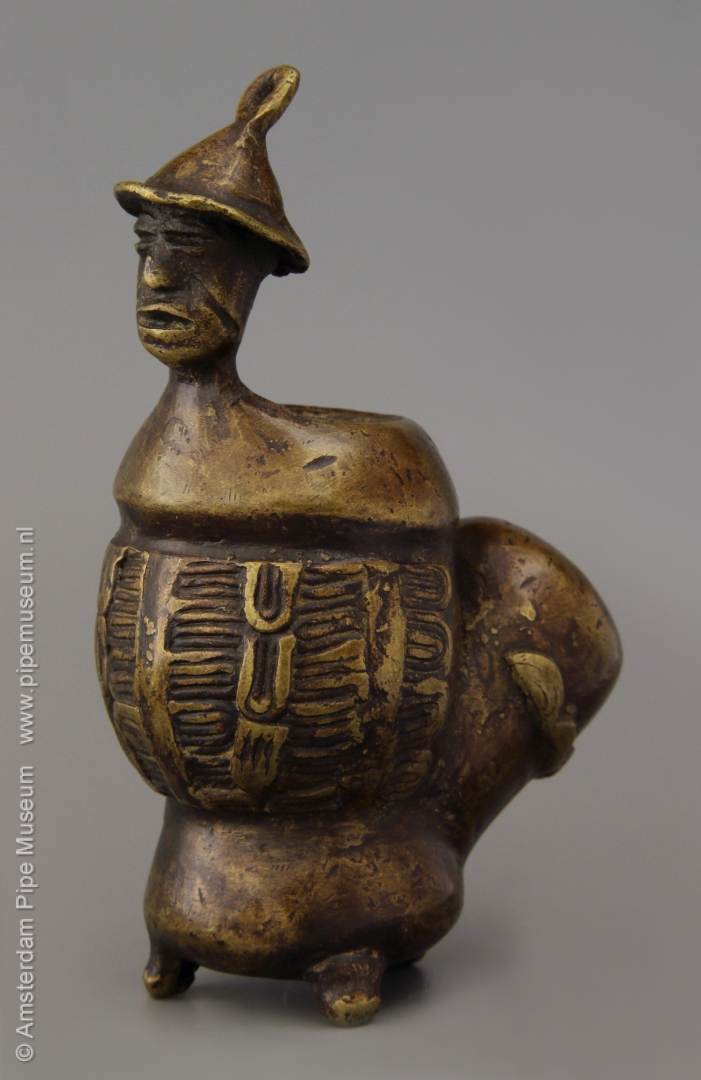
The Dogon make brass pipes in the lost wax technique. On the pipe bowl and pipe stem we often see primitively sculpted, carved figures of both people and animals. Due to their weight, they were no comfortable smoking pipes, but they are collectible.
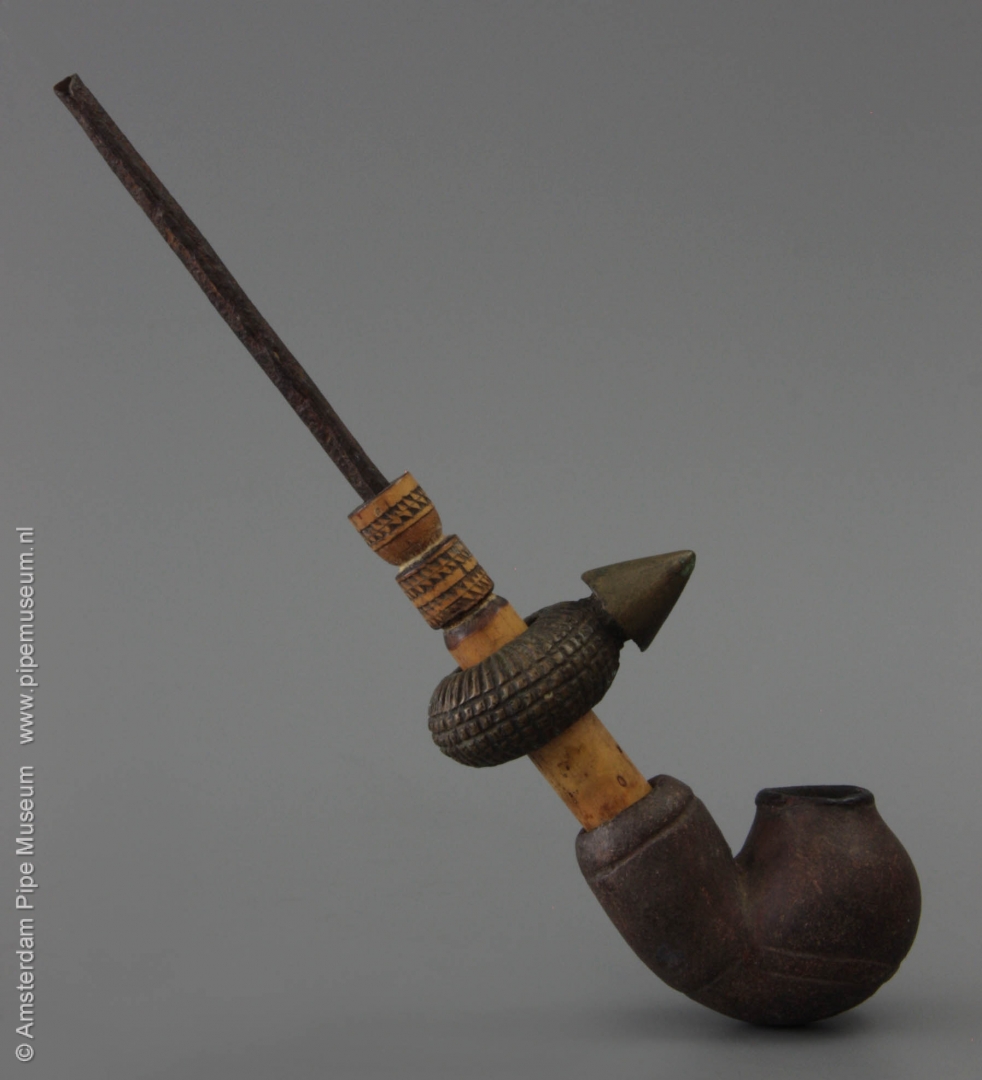
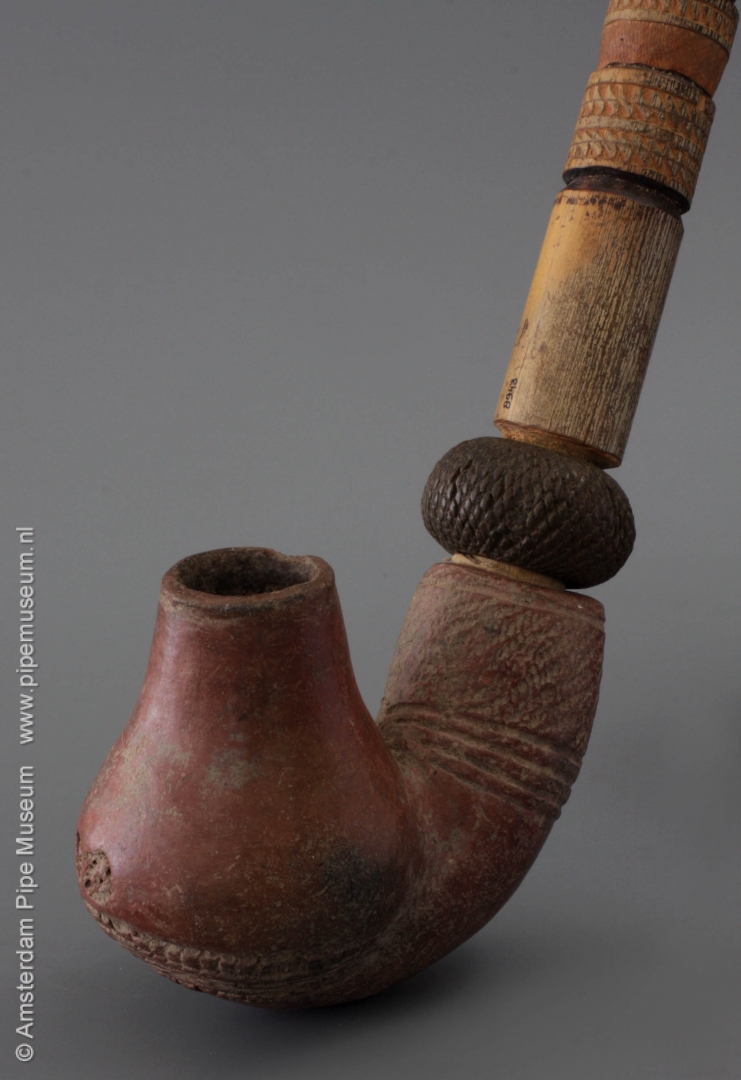
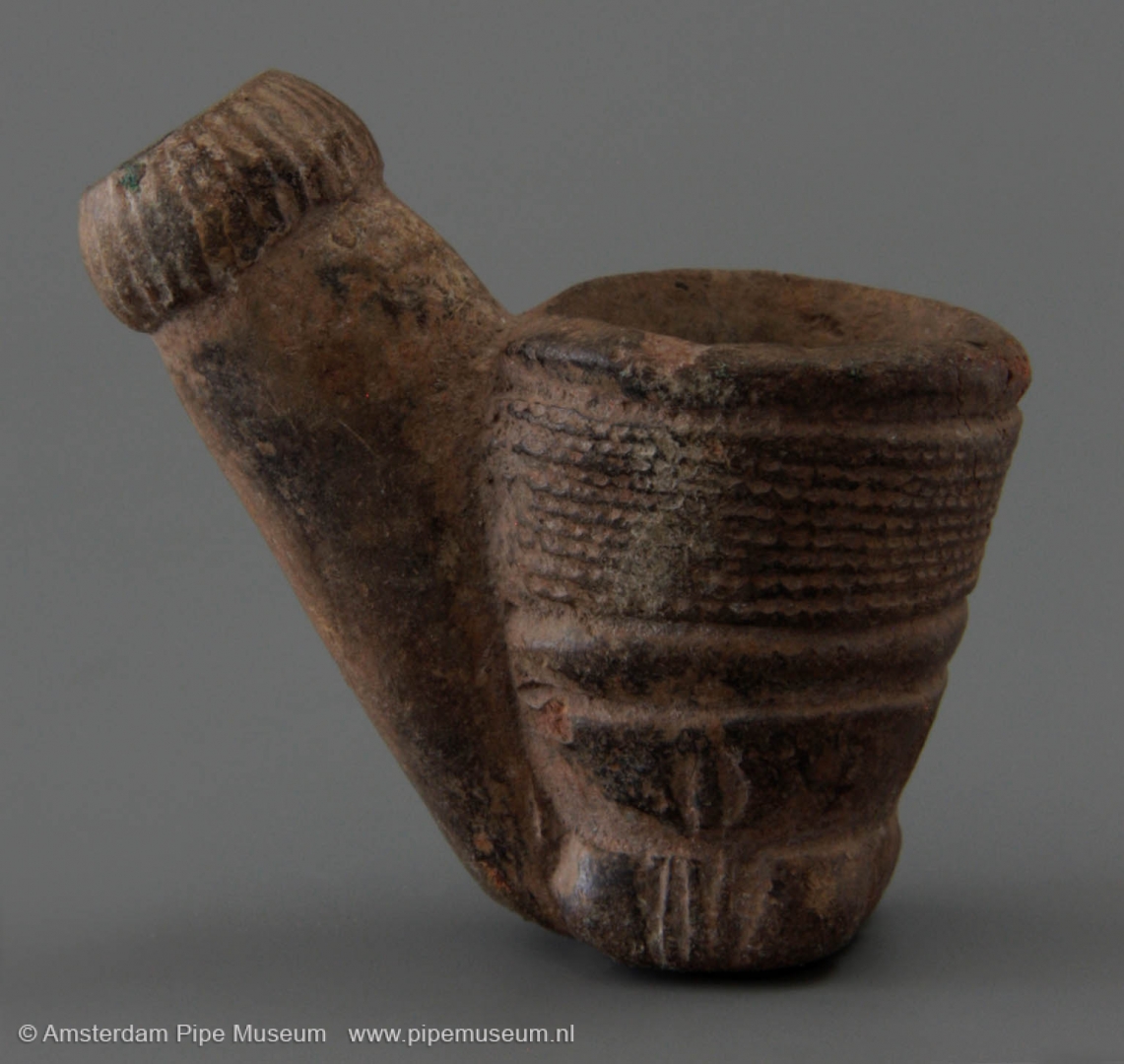
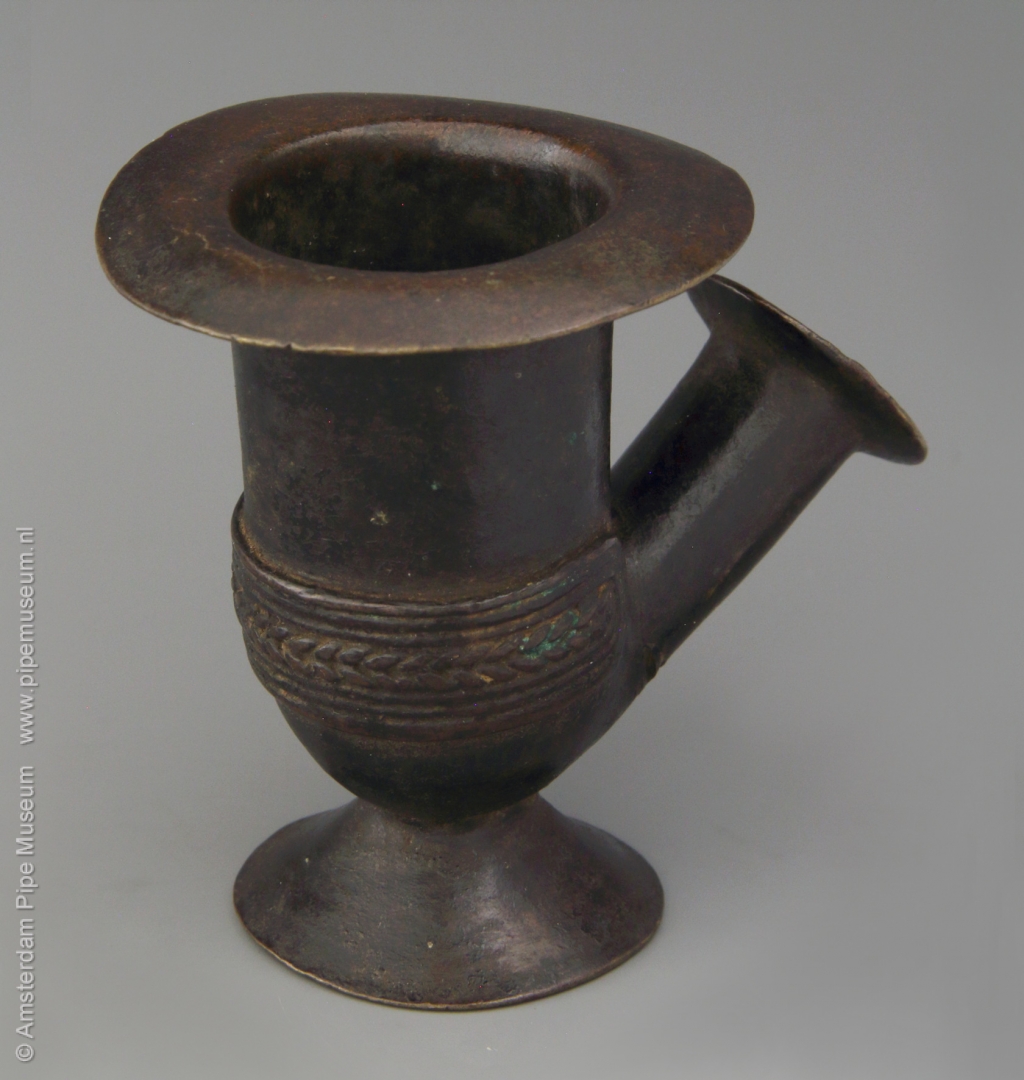
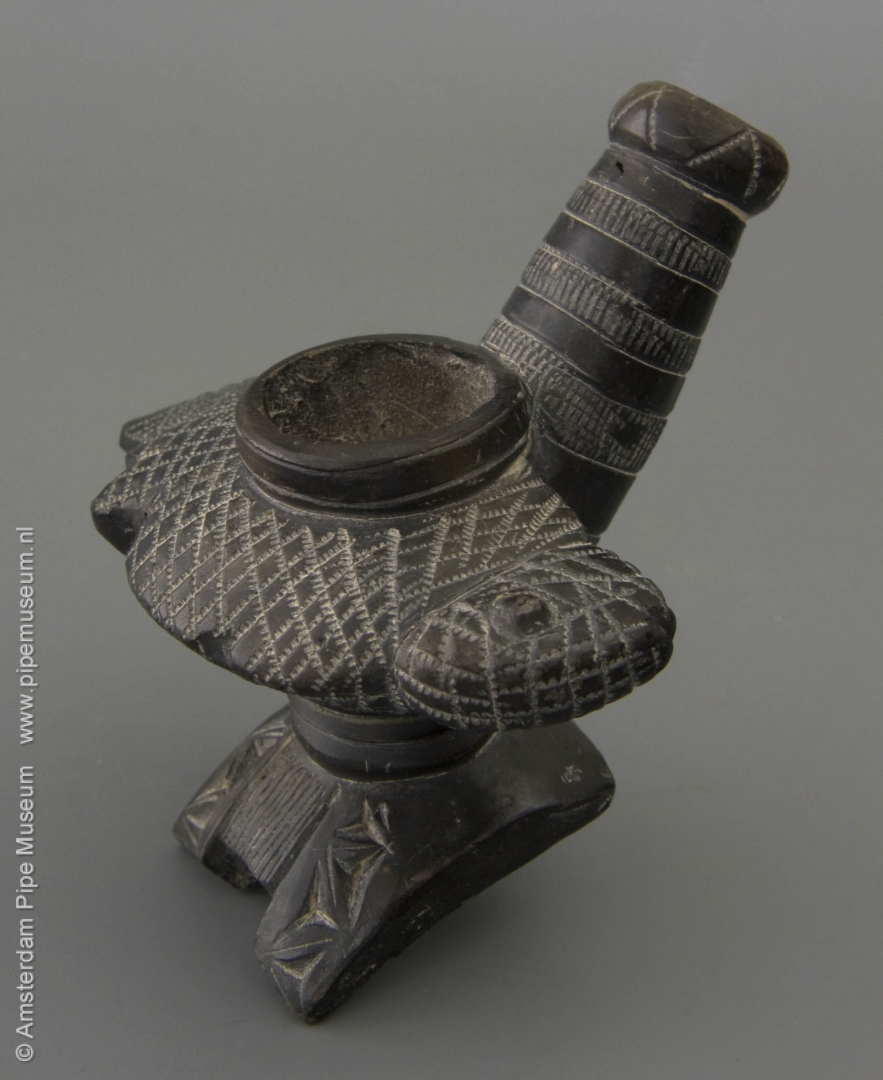
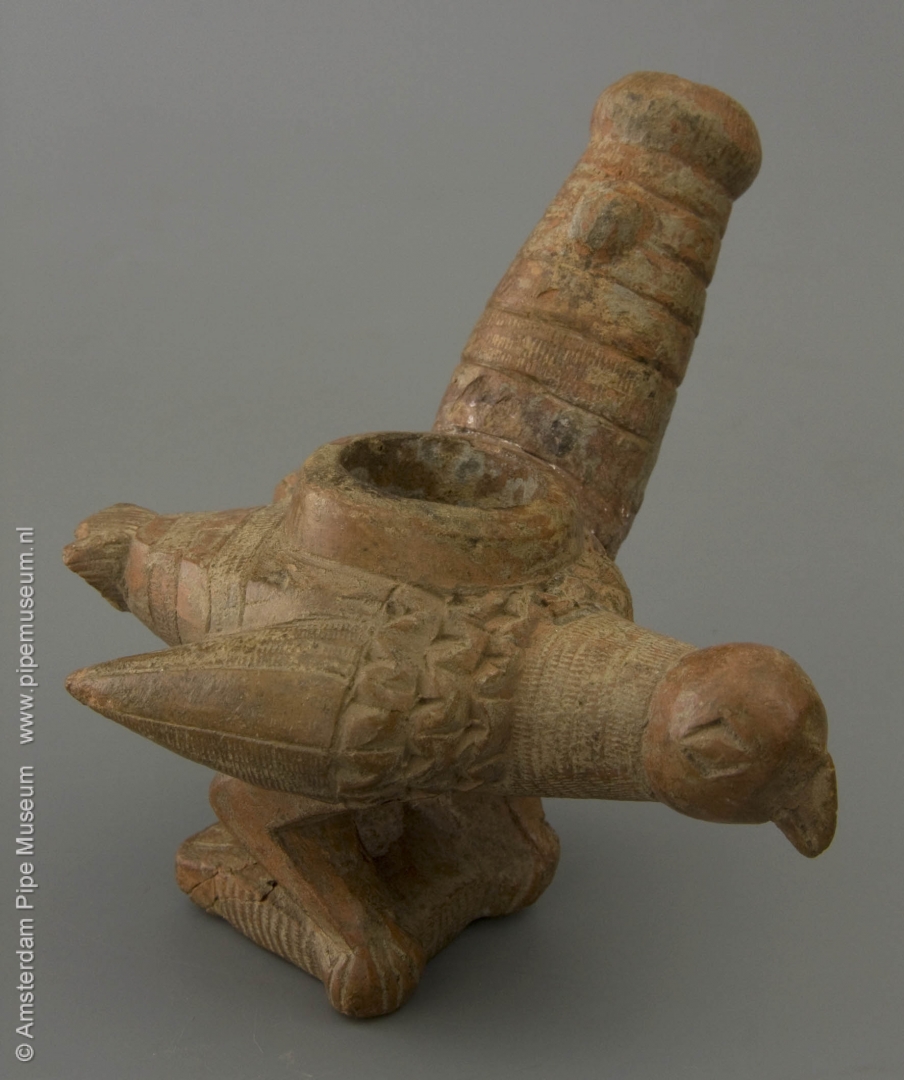
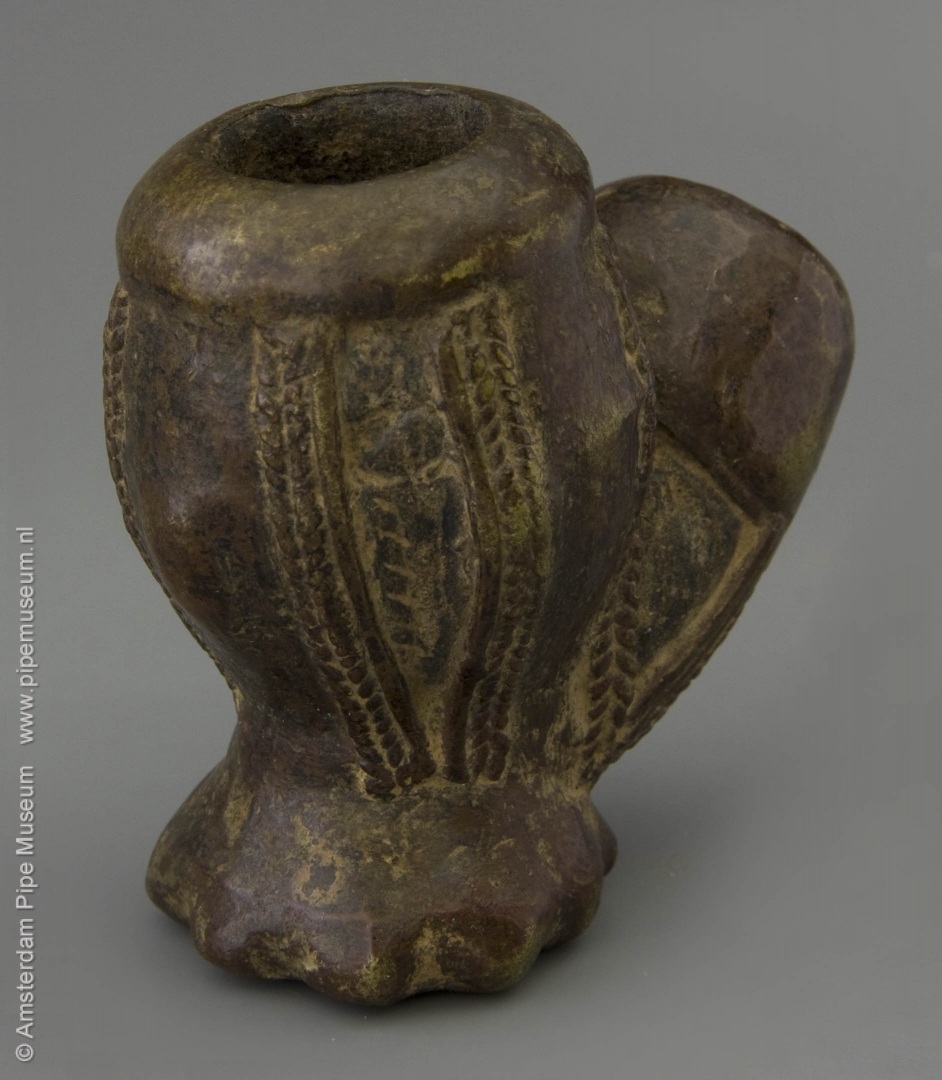
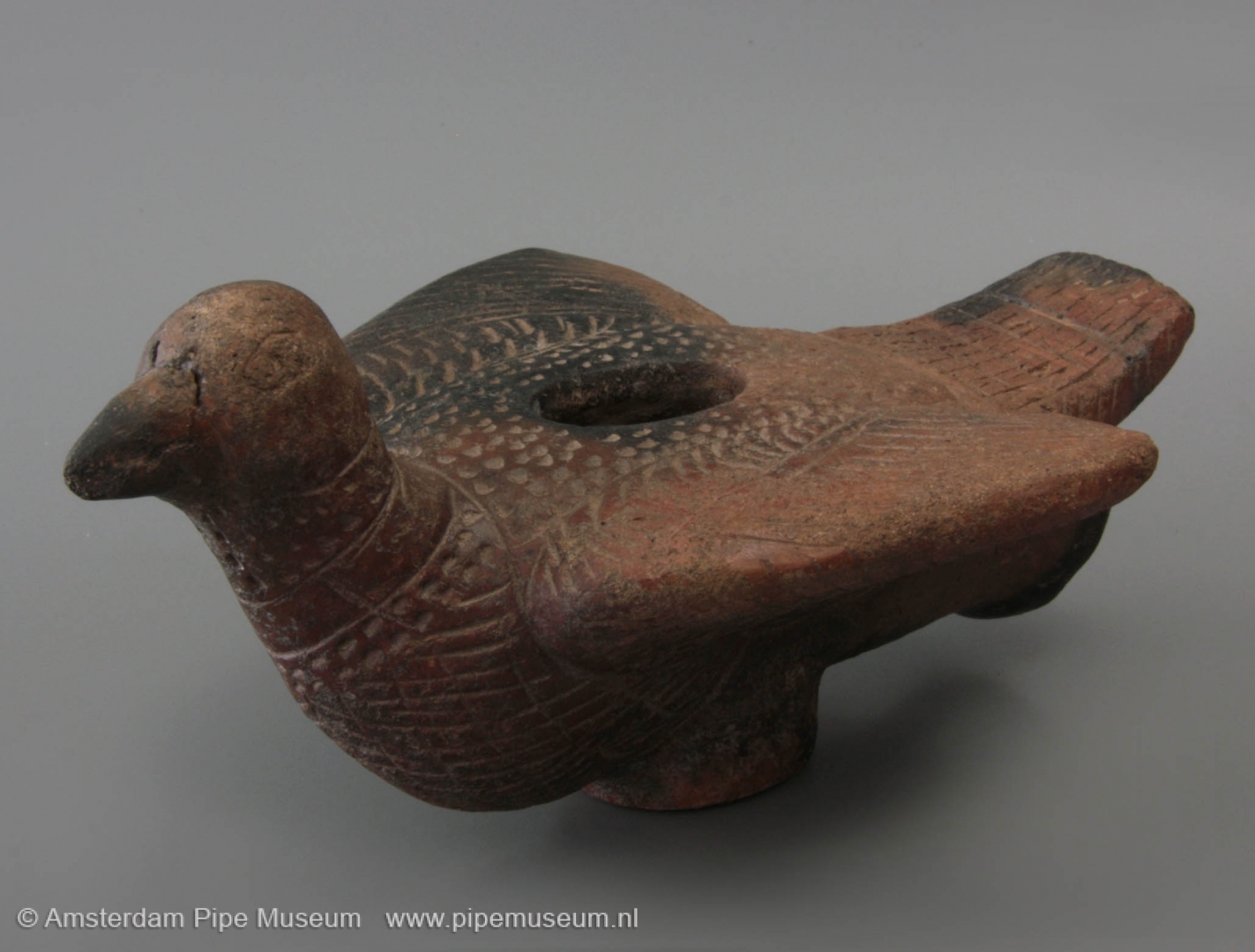
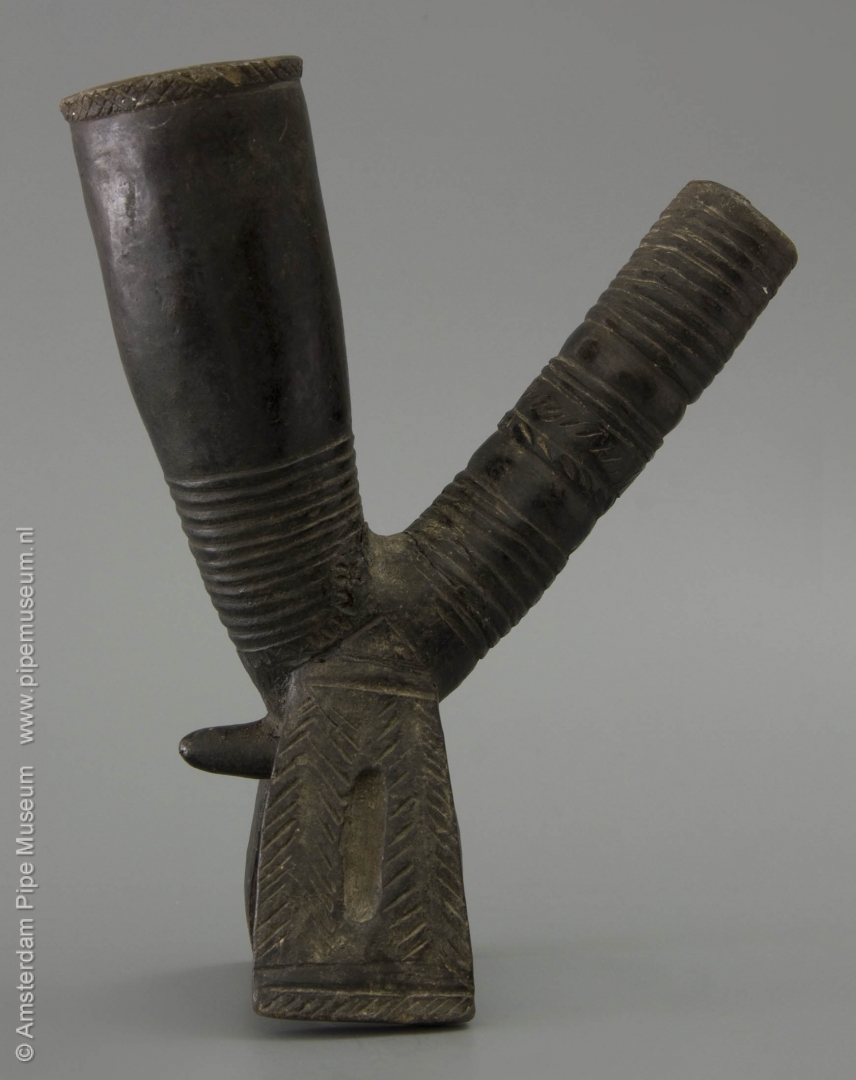
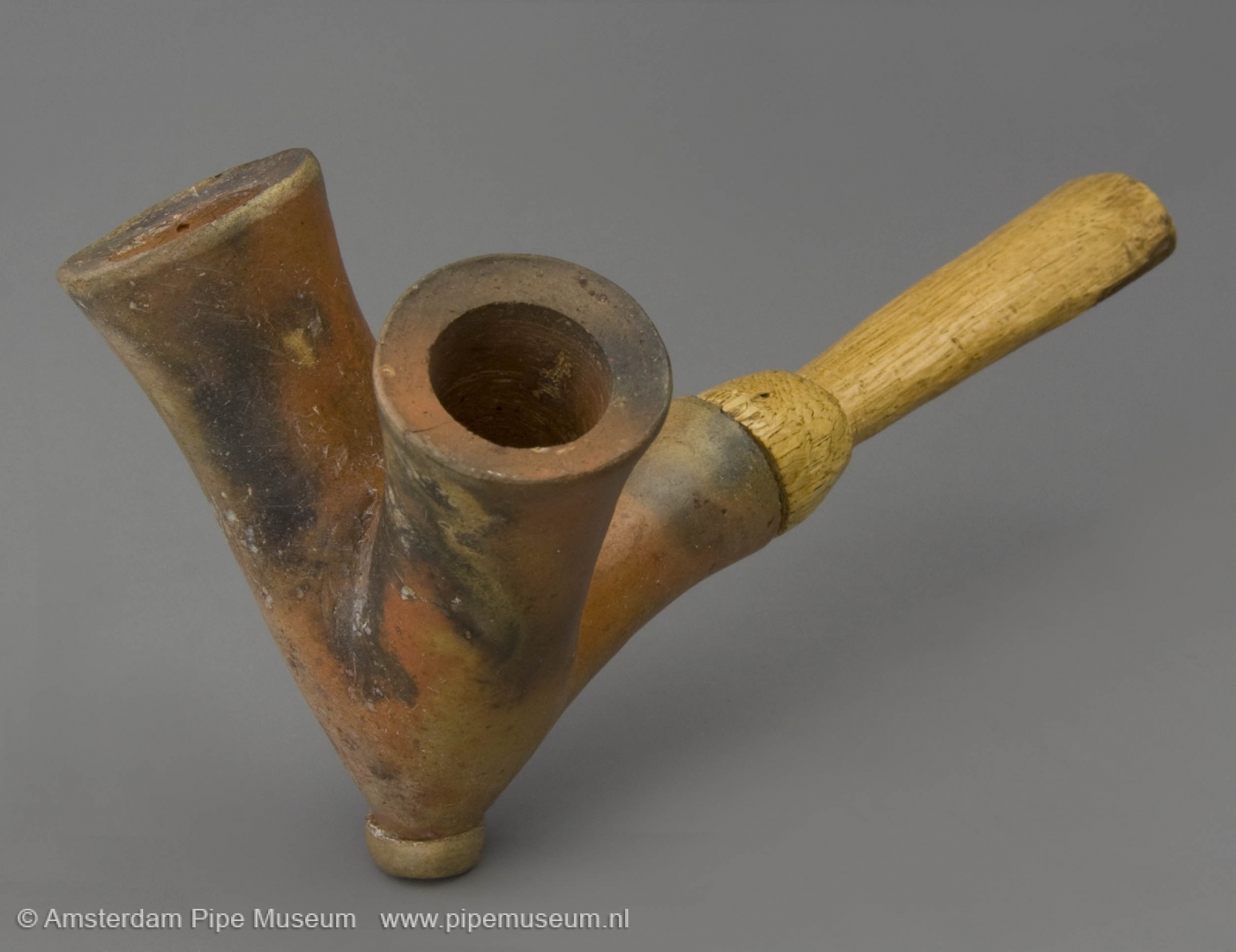
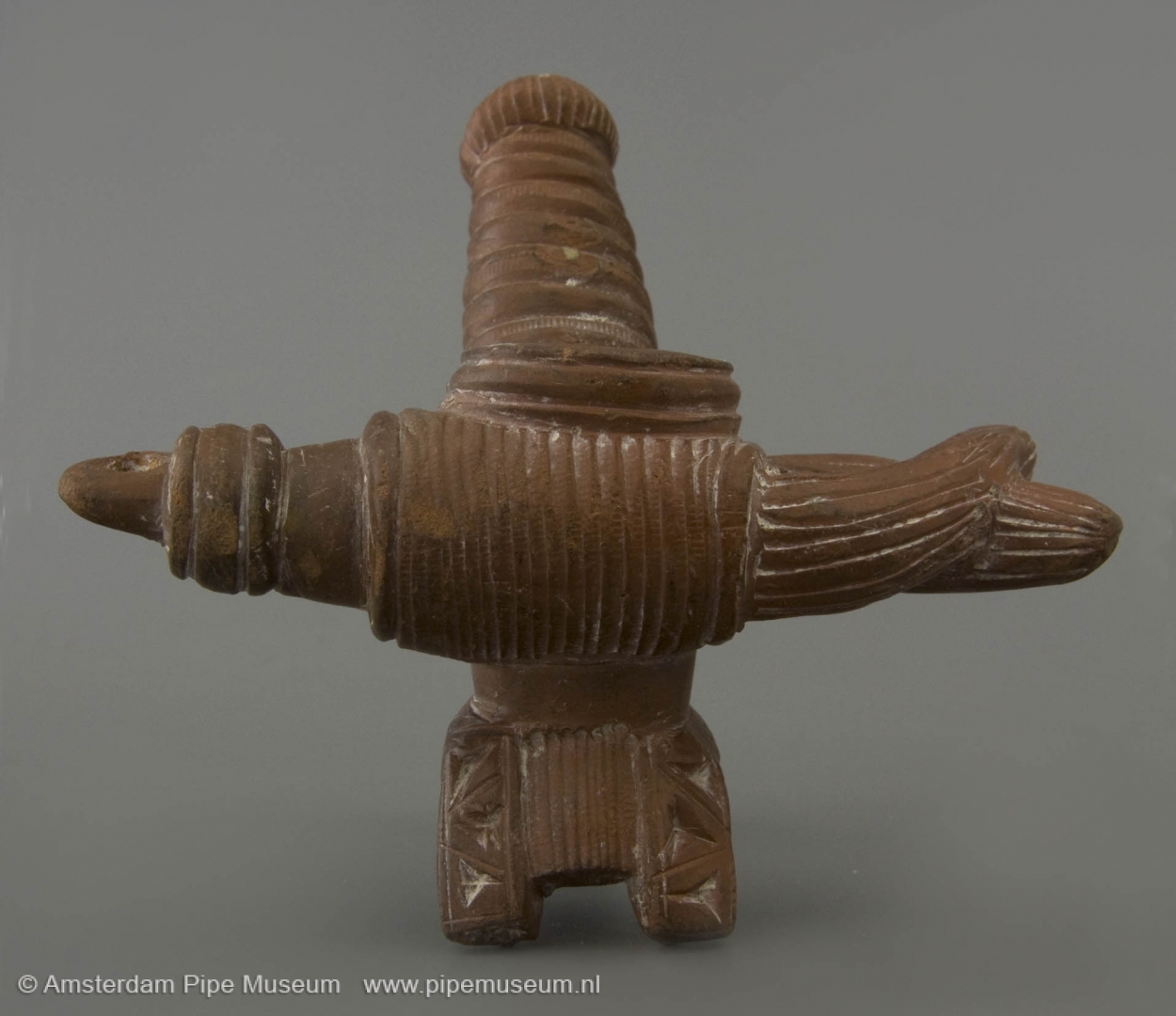
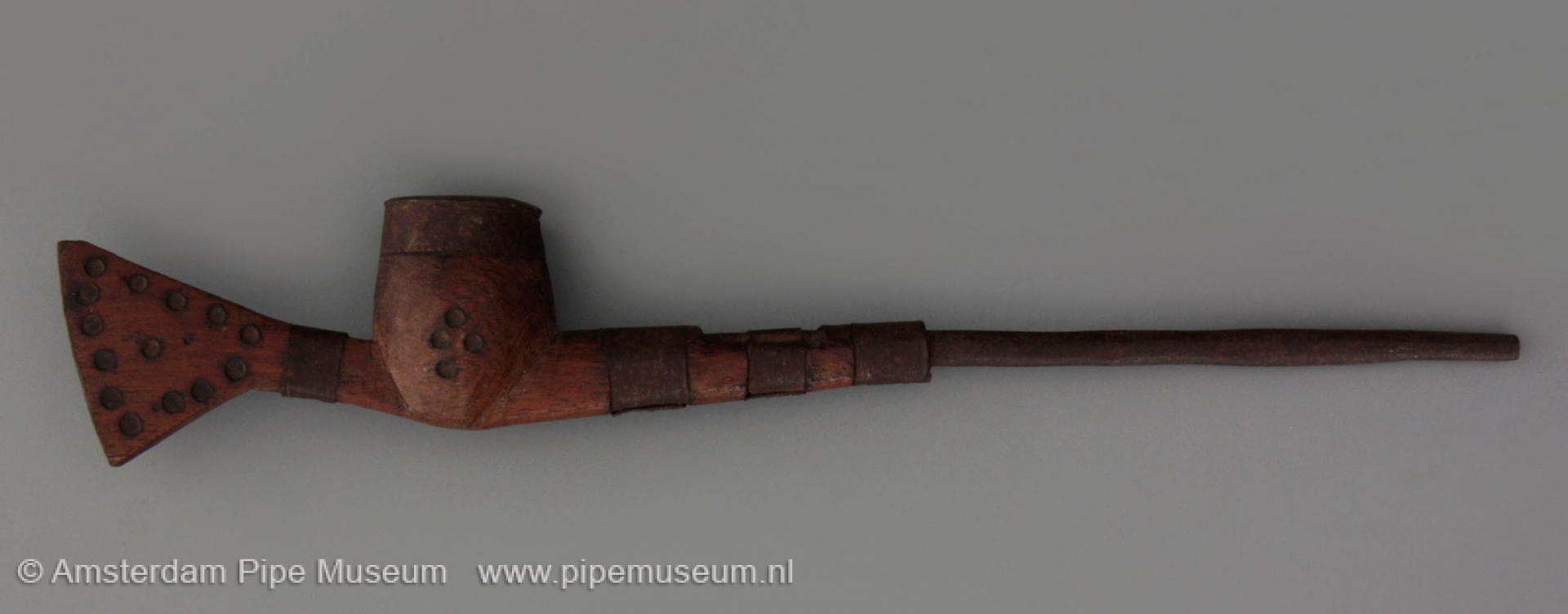
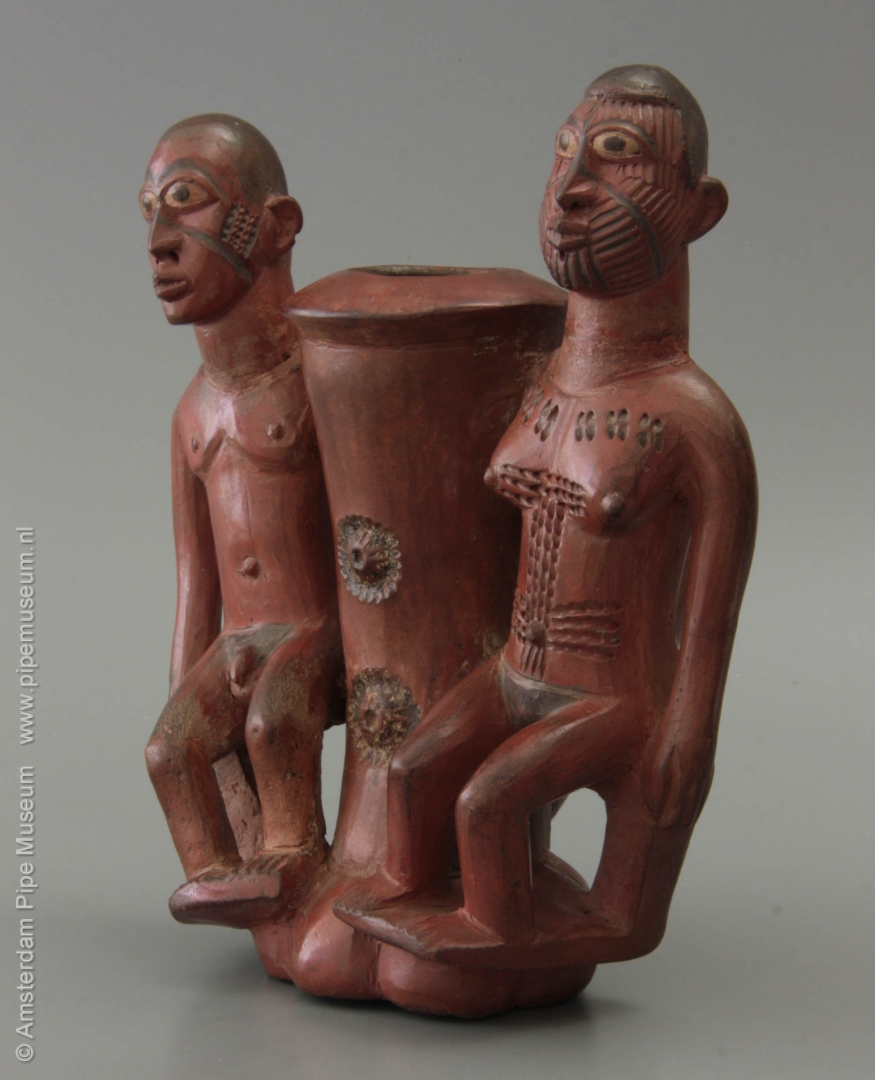
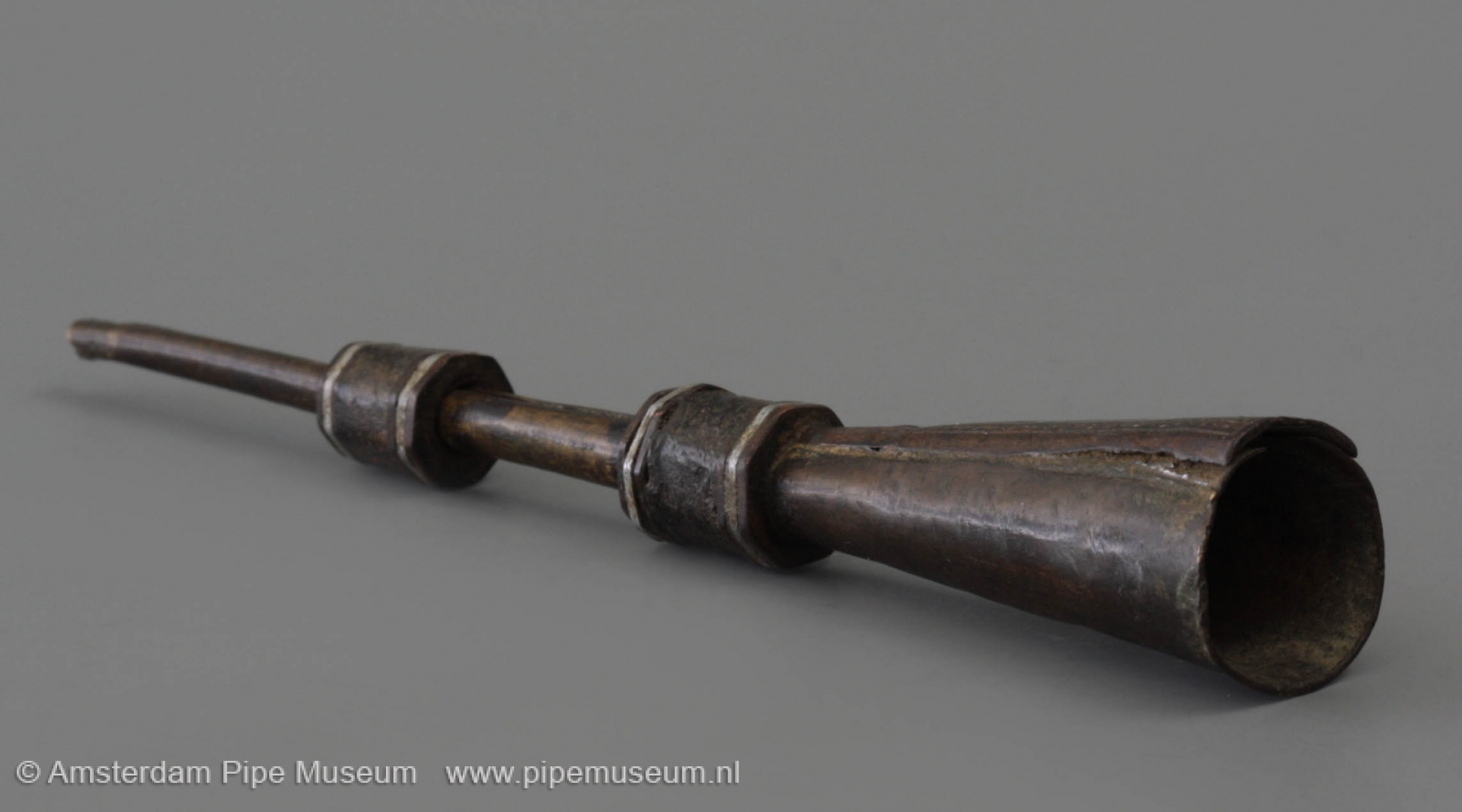
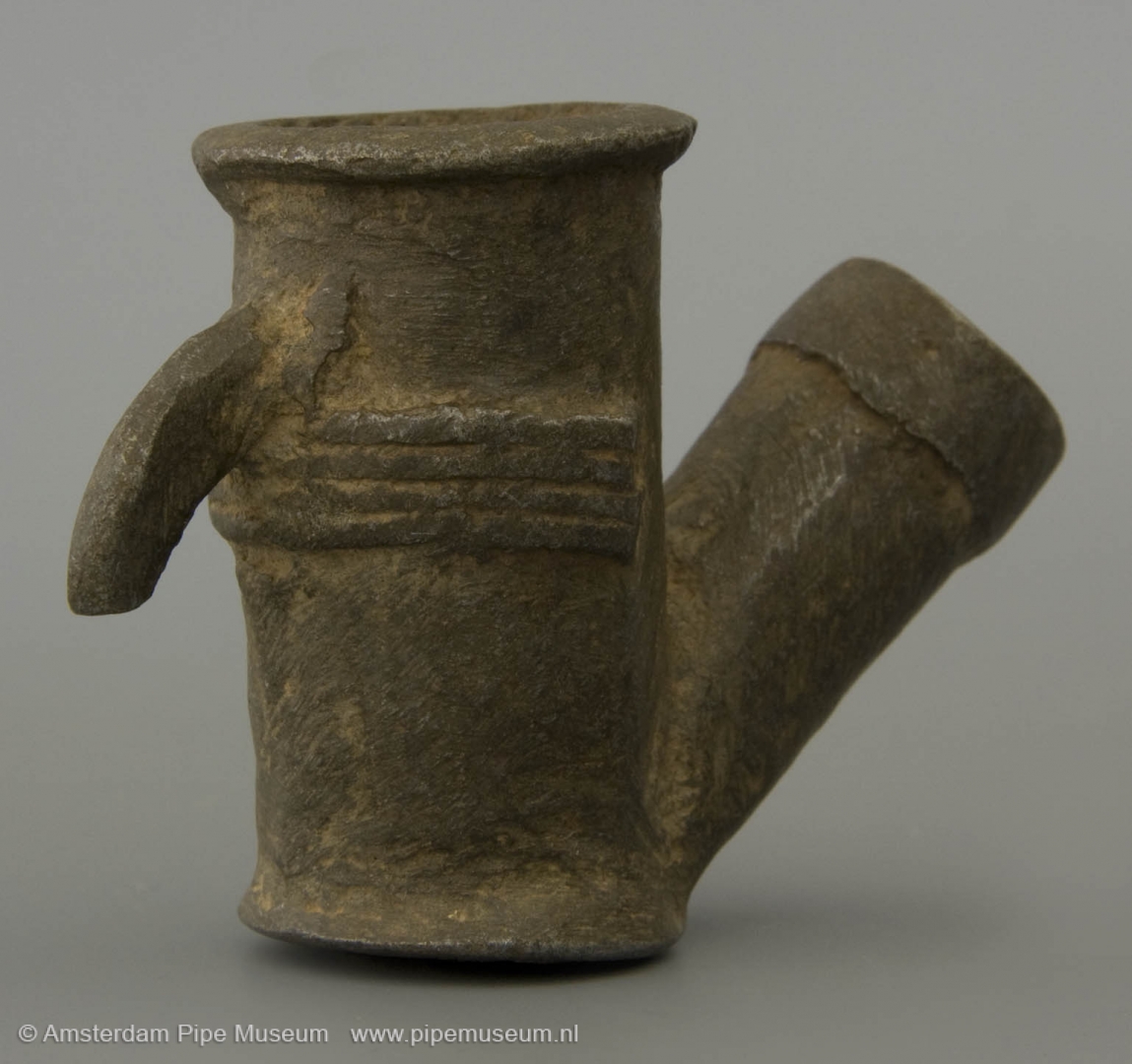
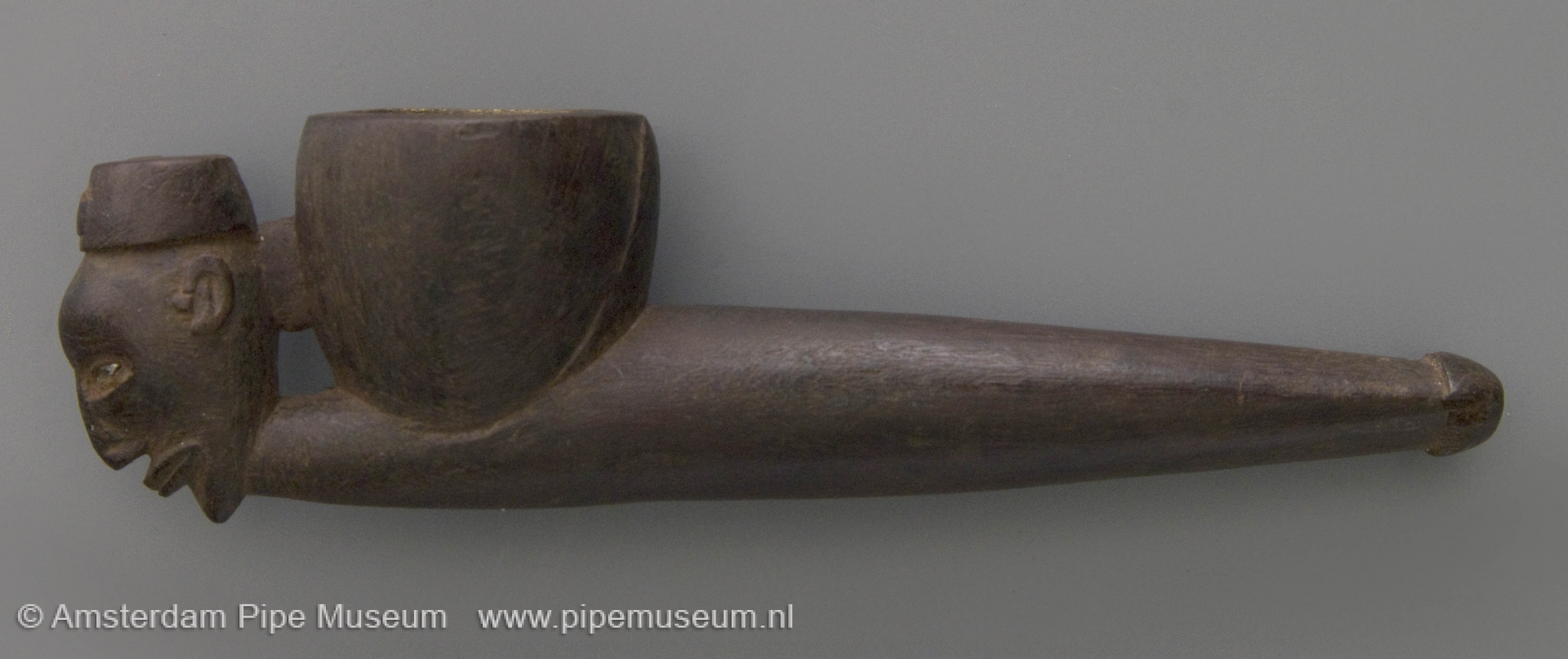
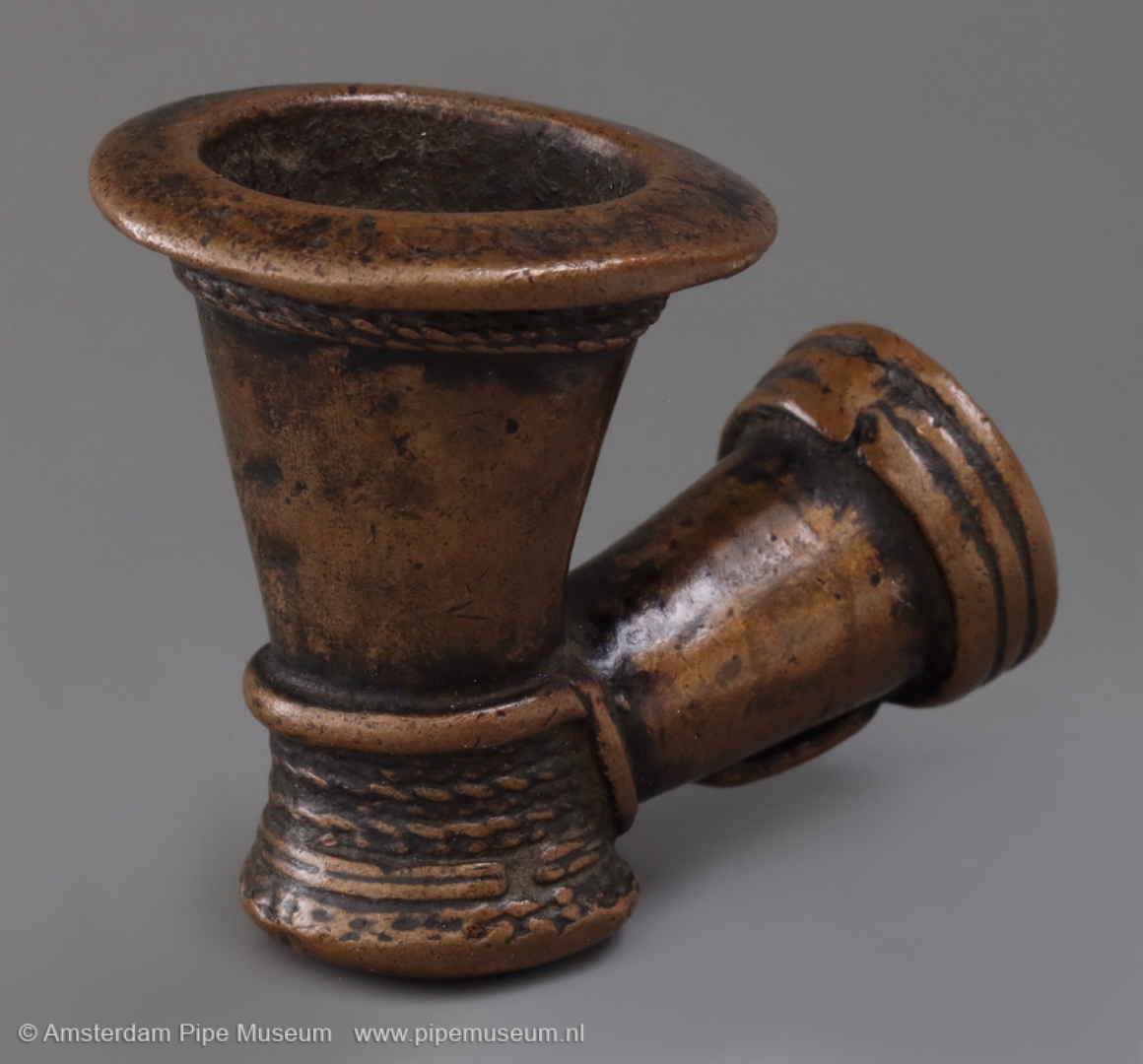
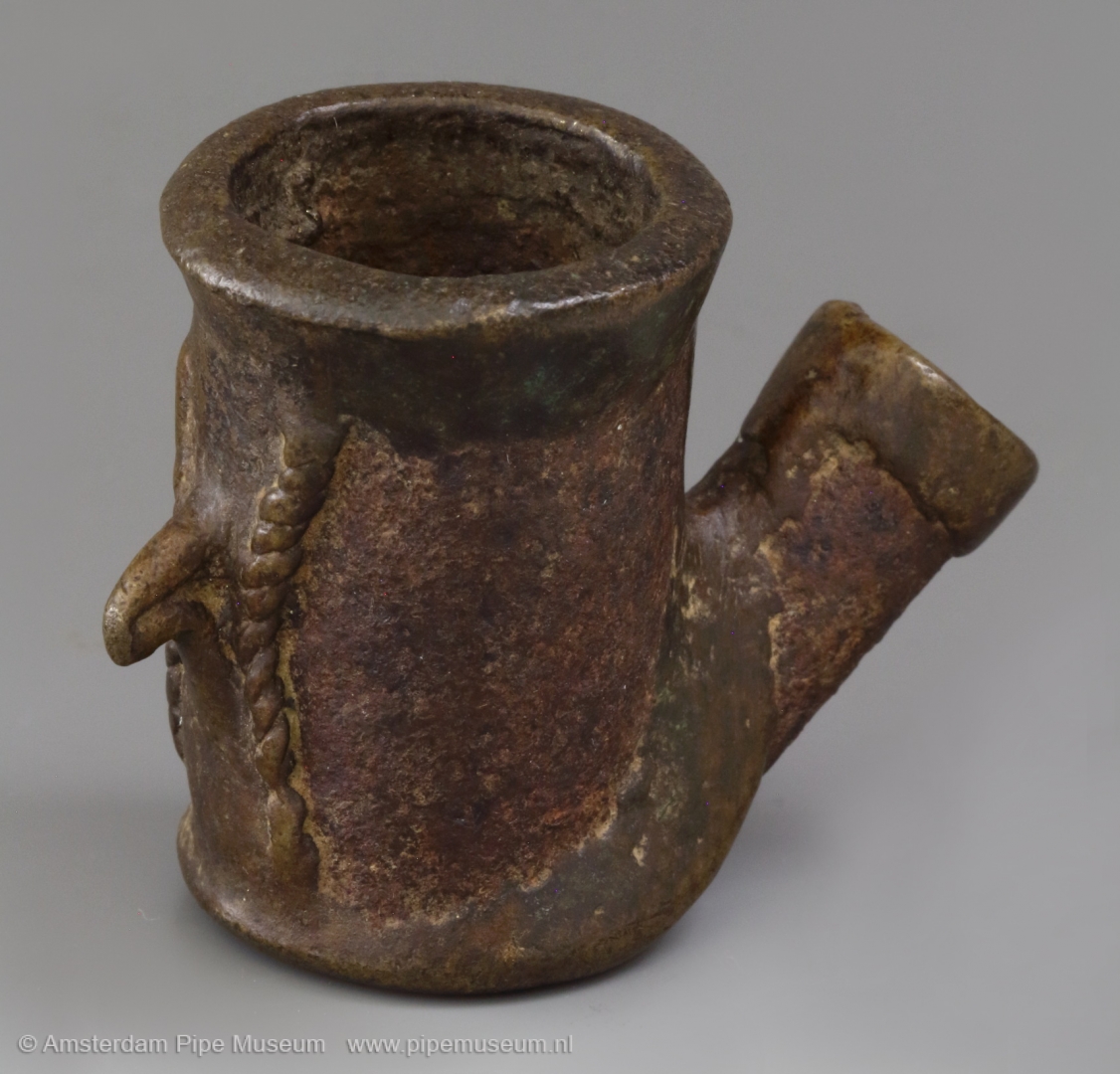
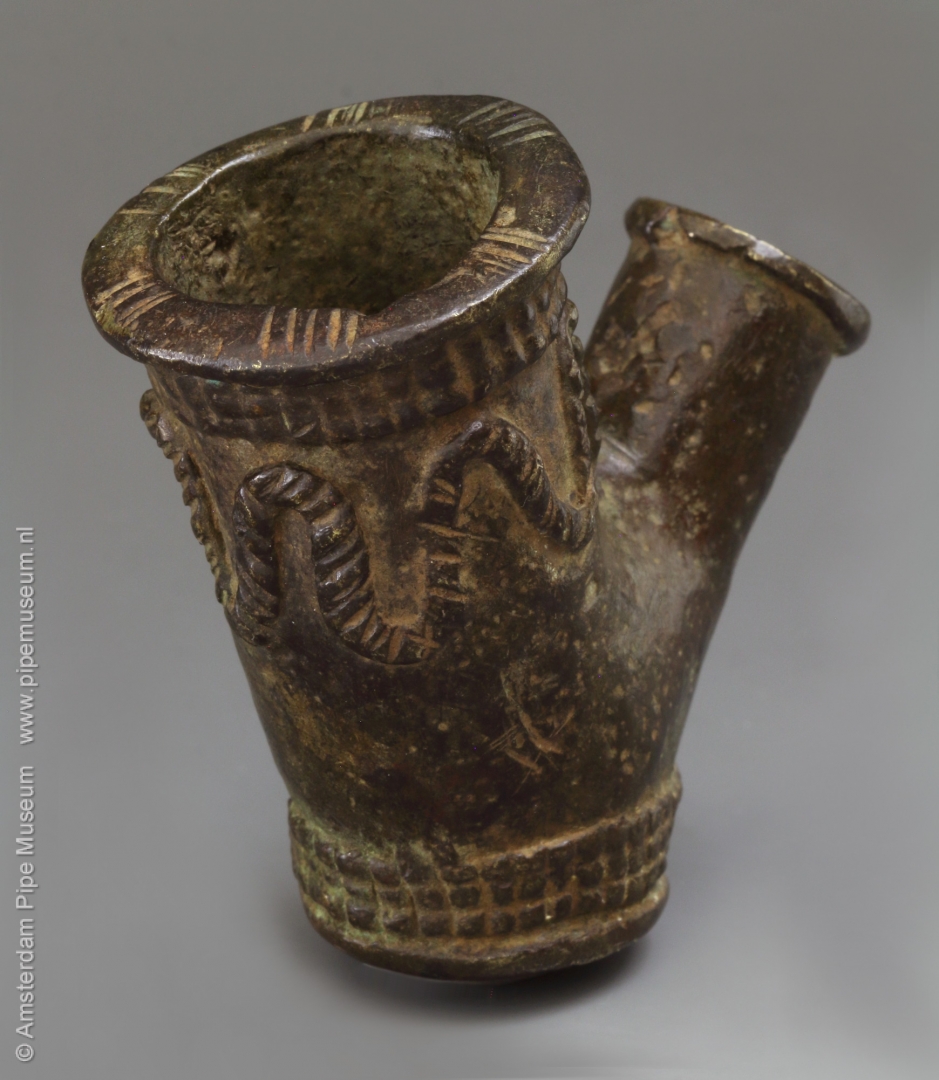
In Nigeria the pipe was generally smooth and consists of a pot or vase shape, both made of earthenware, but also in brass. They were smoked with a wood or iron stem. That stem is often adorned with personal items such as glass beads or brass rings, where a strip of leather serves as a locking cord. In addition to standard smoking equipment, we occasionally come across a unique piece, a pipe conceived as prestige rather than for everyday use. This is evidenced by a pipe with two standing figures next to the pipe bowl, or a giant pipe in the shape of a flying bird.