Onverwachte materialen
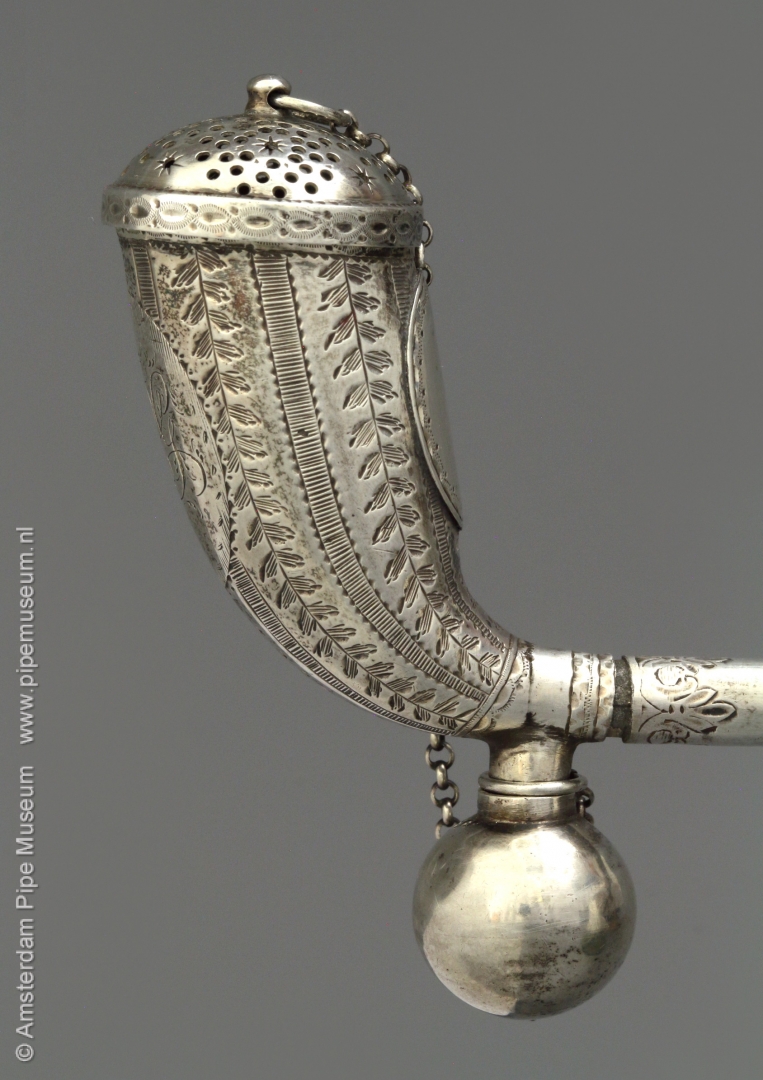
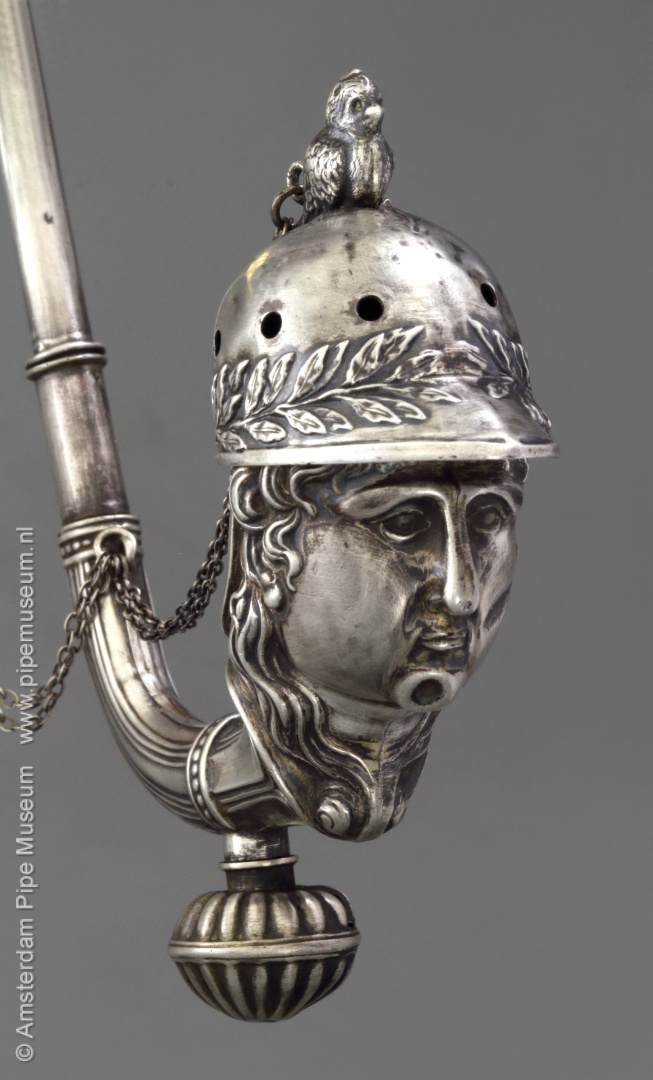
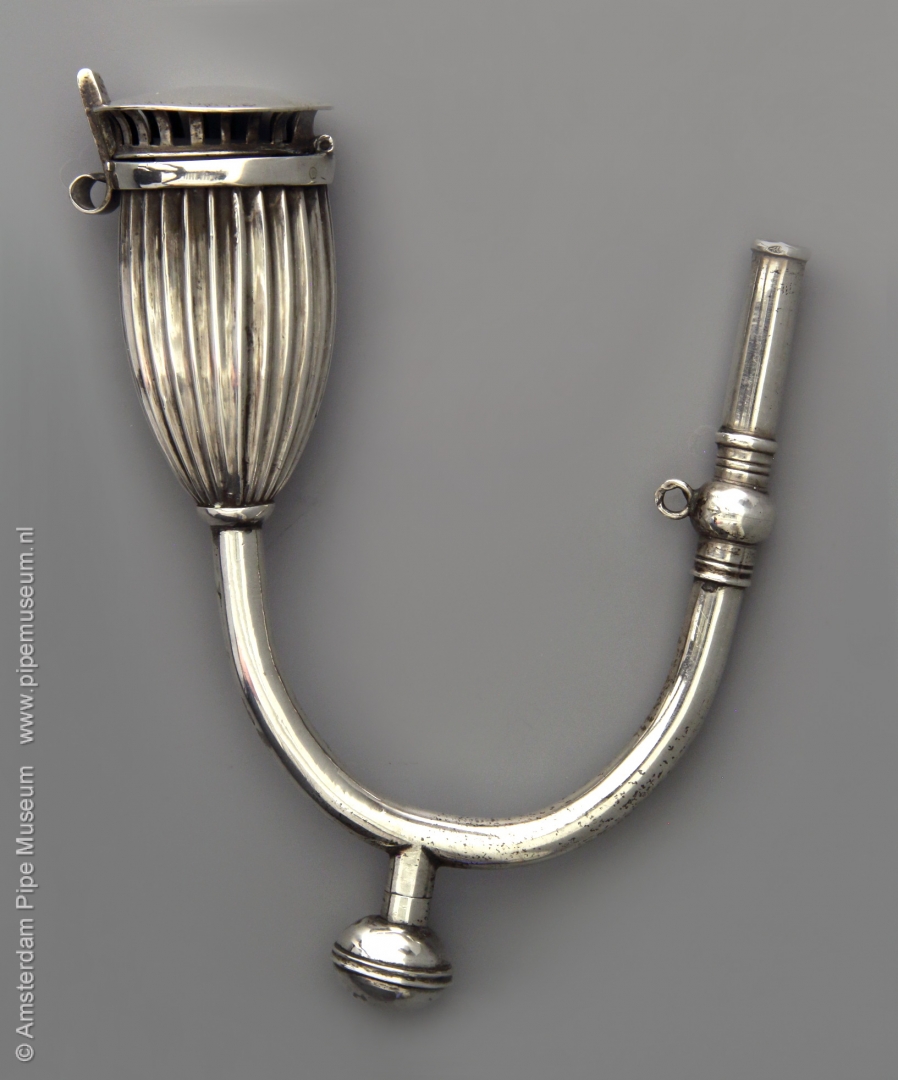
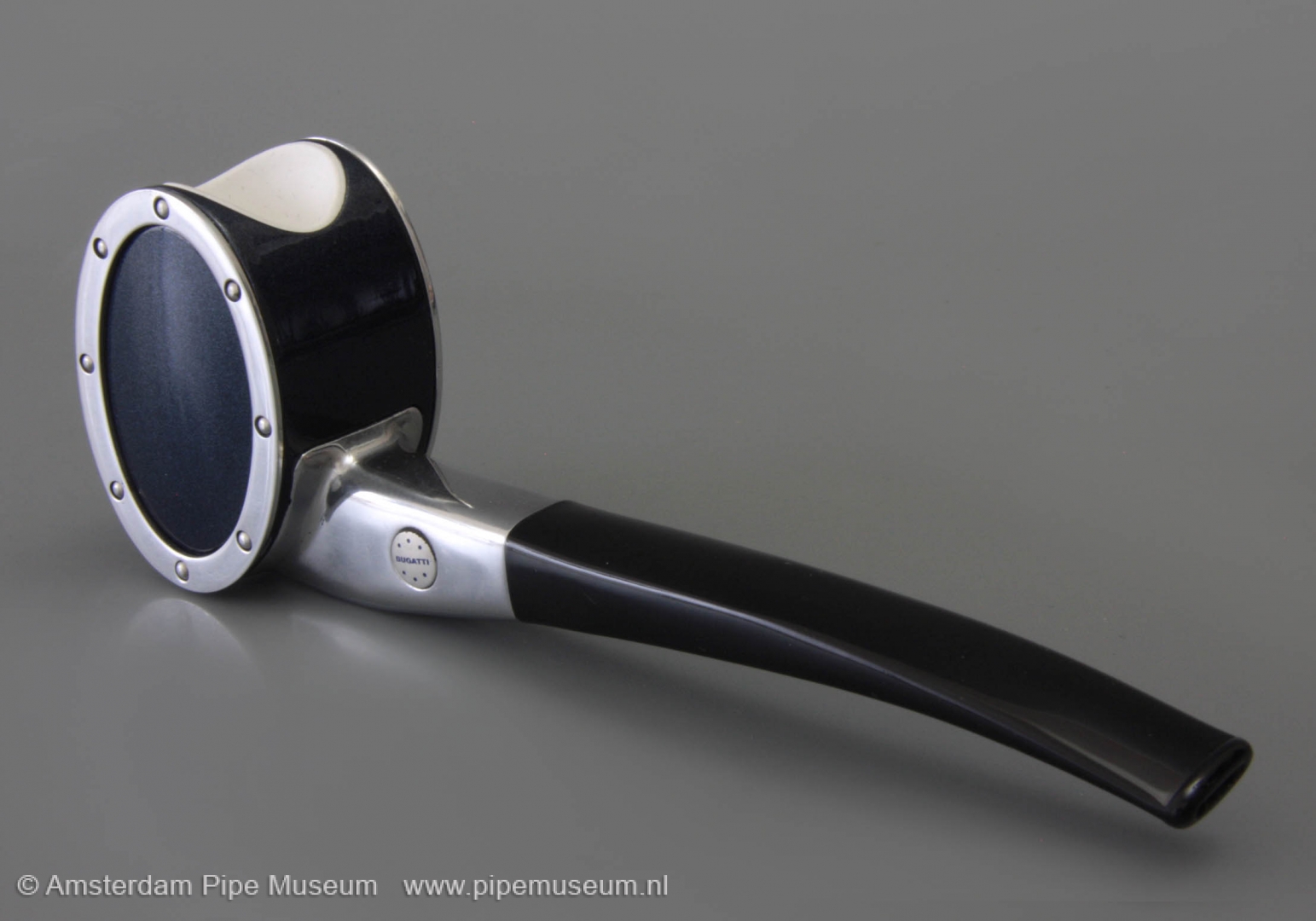
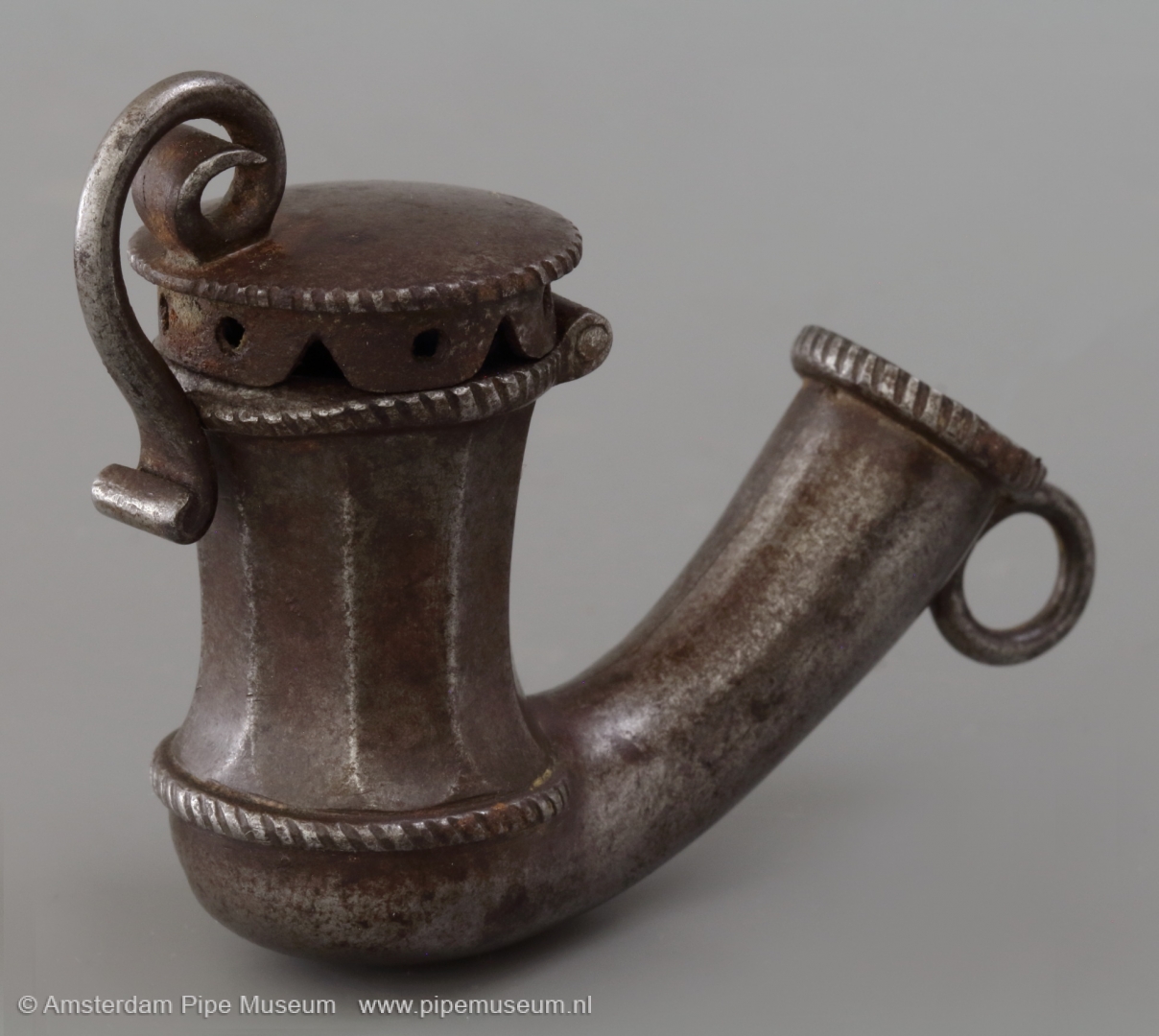
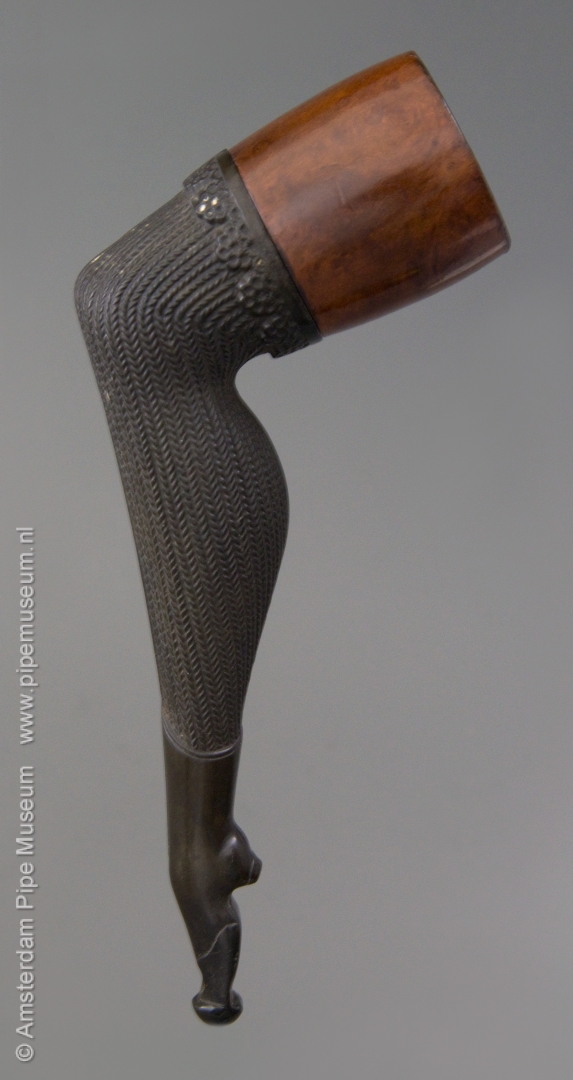
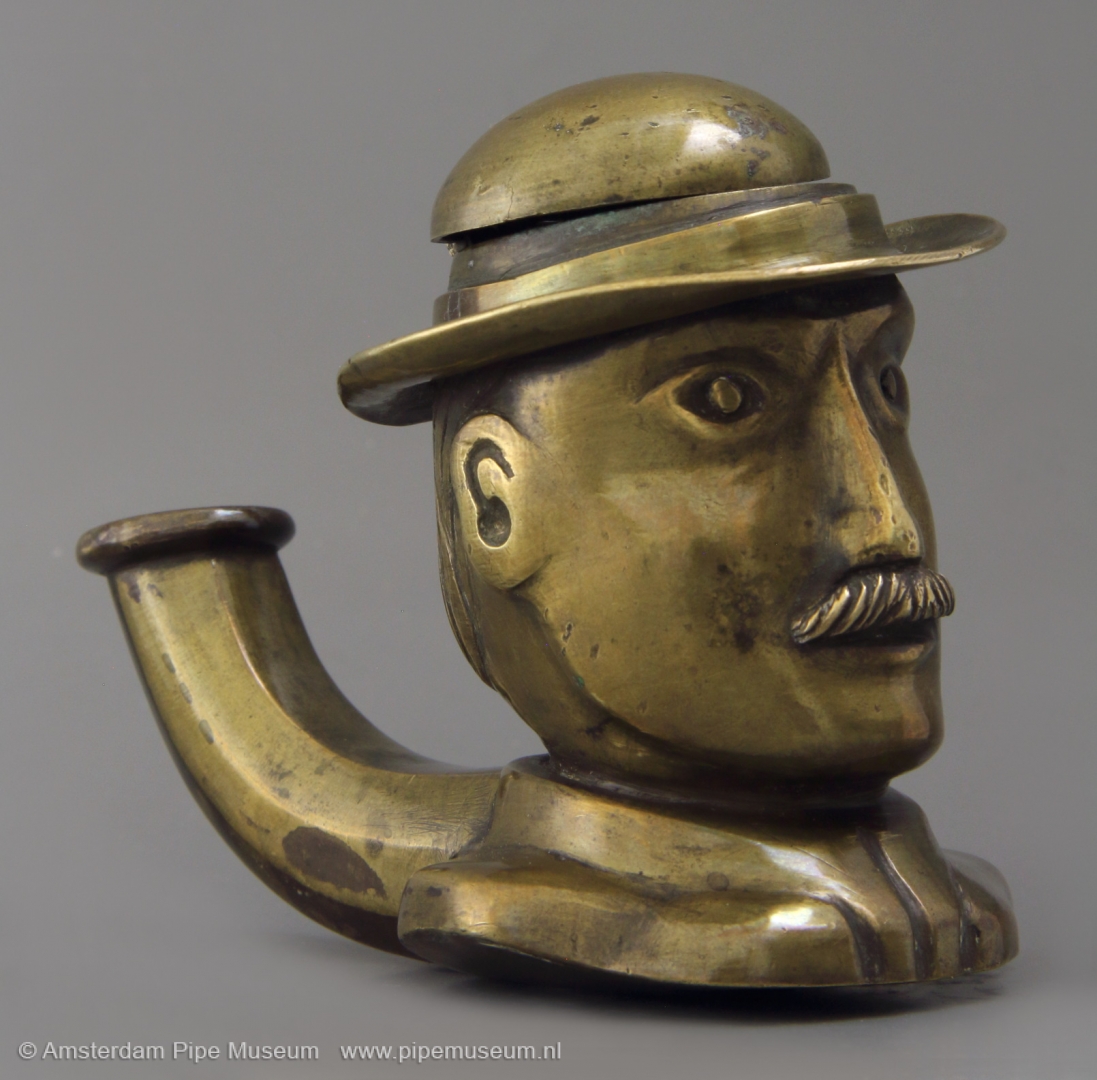
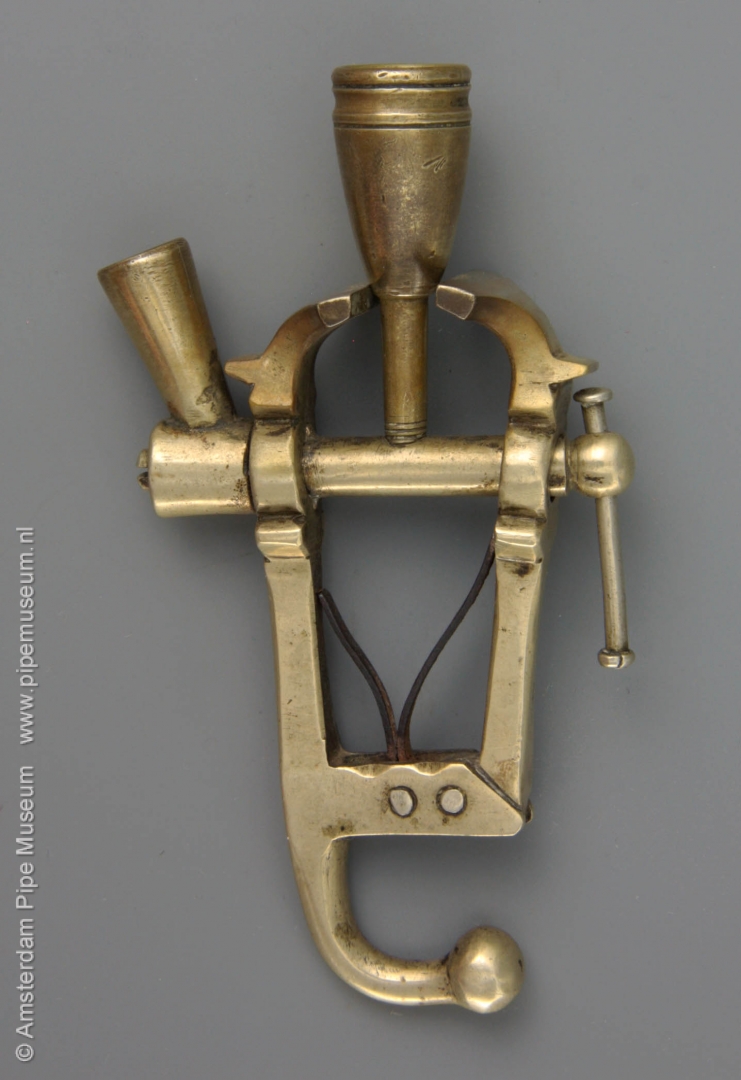
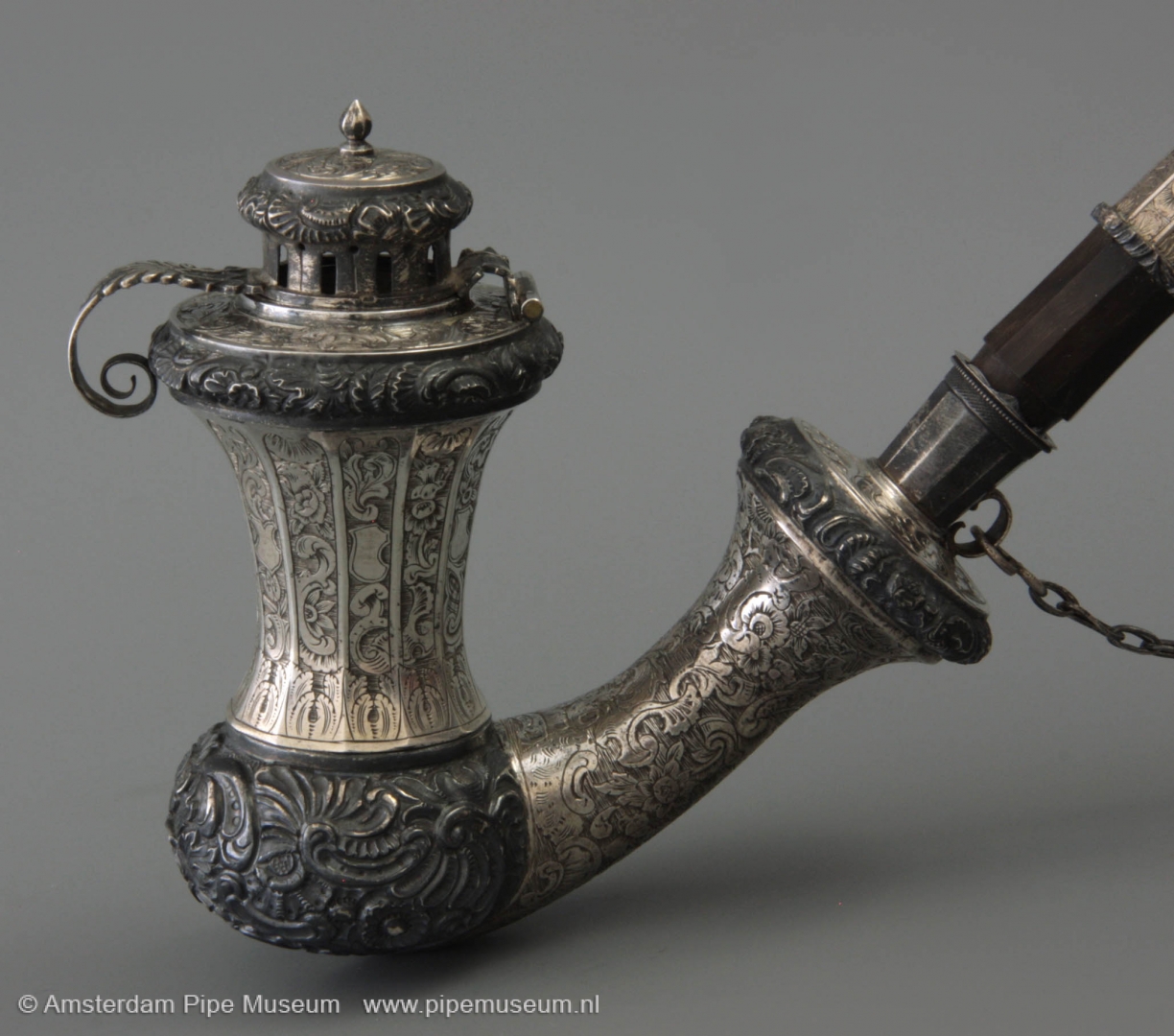
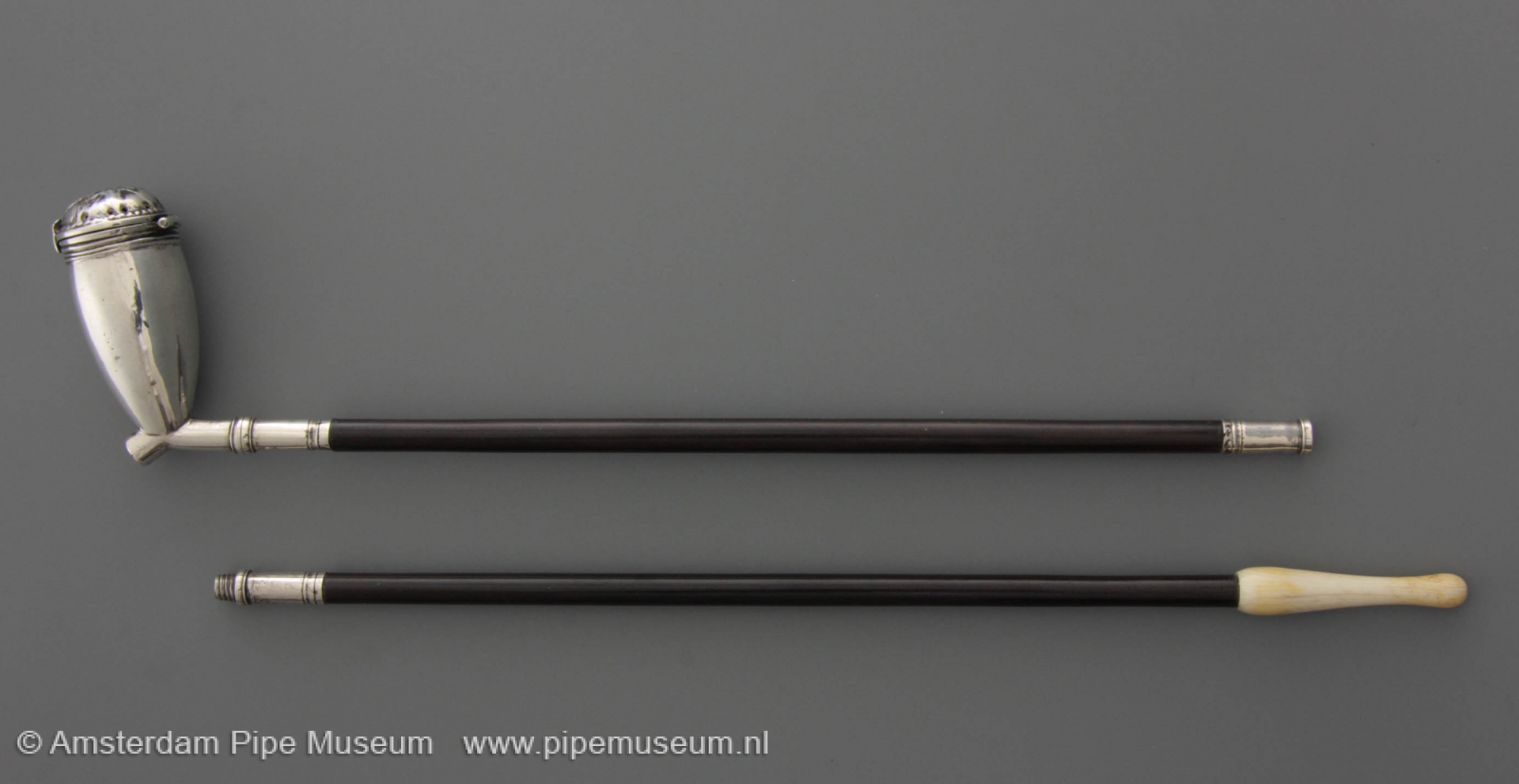
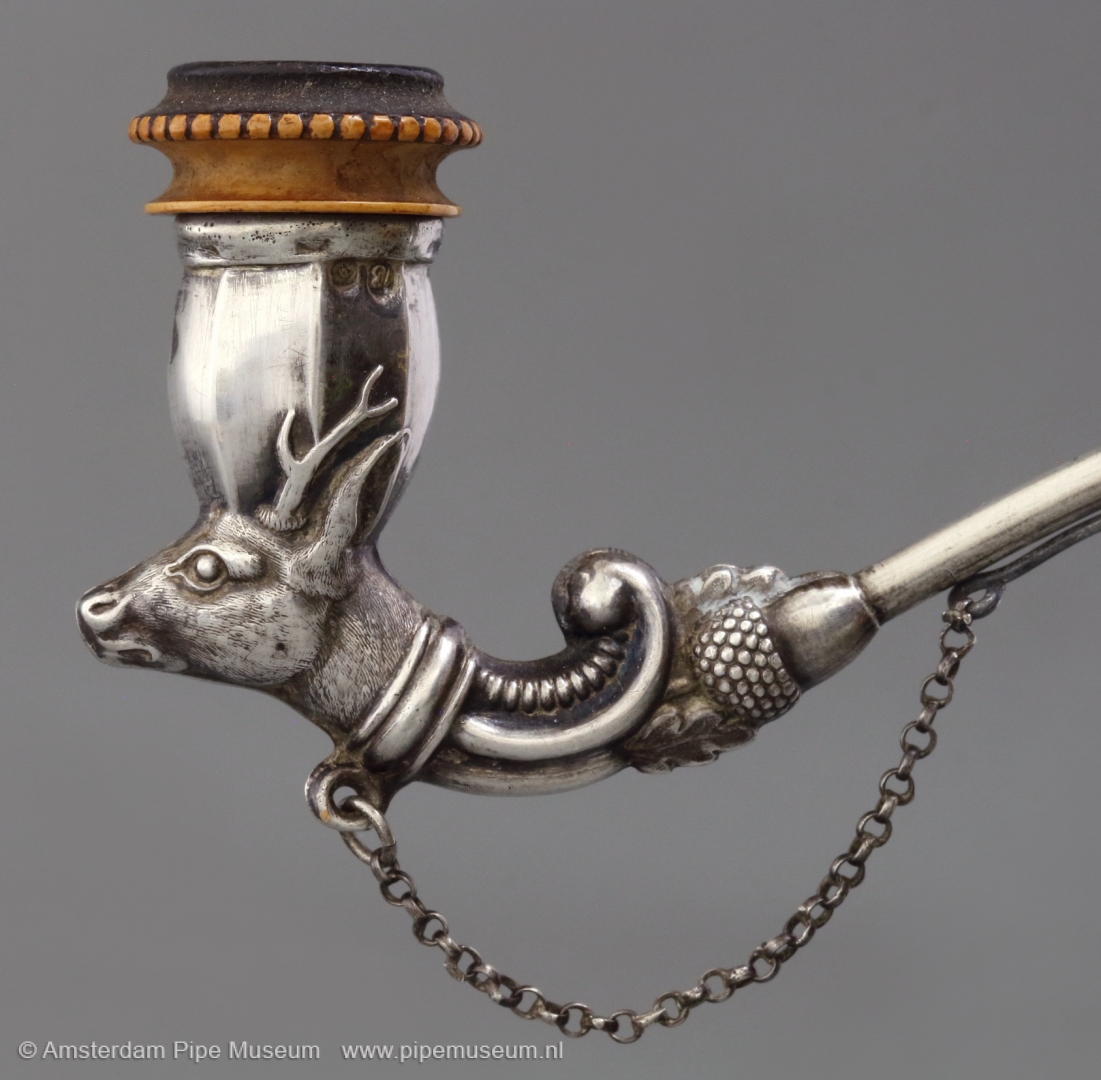
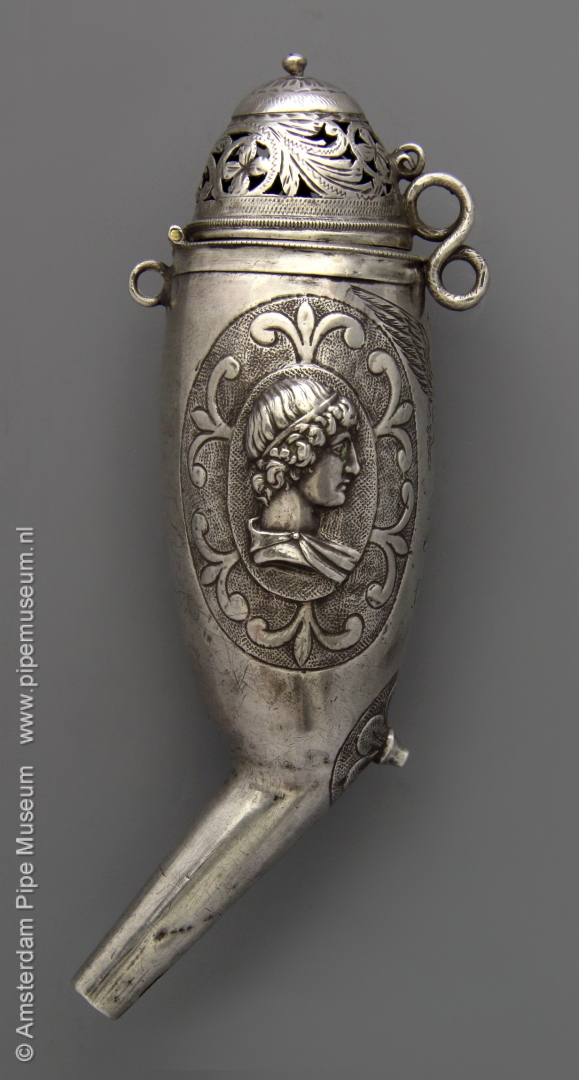
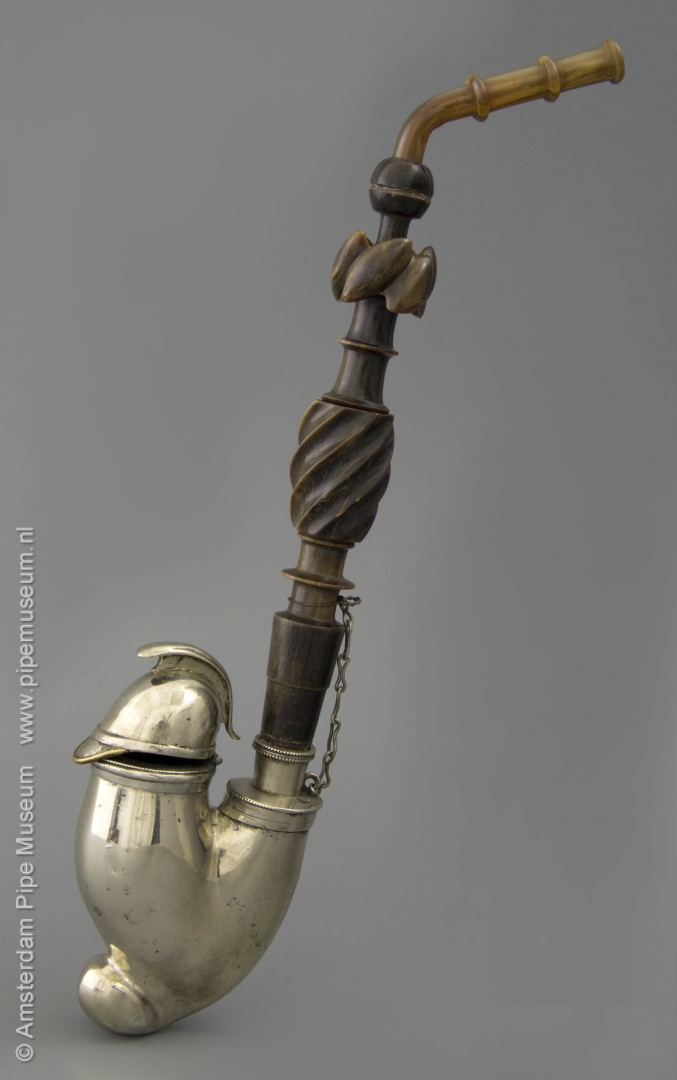
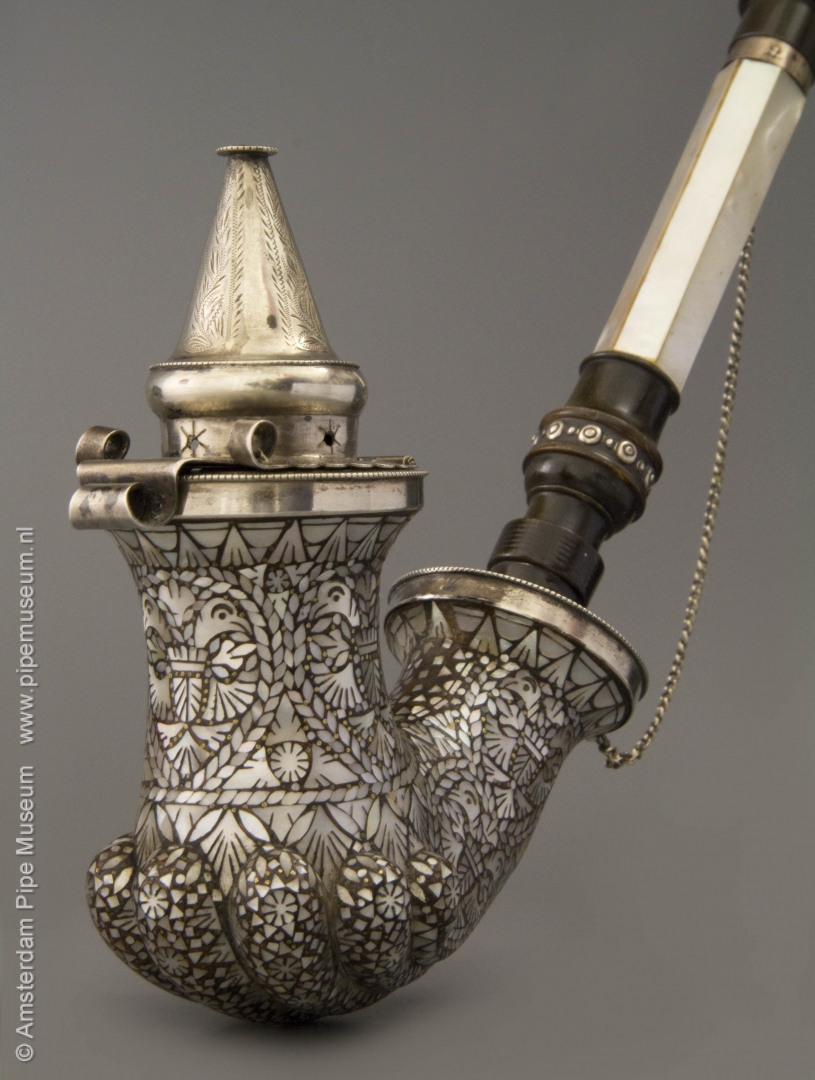
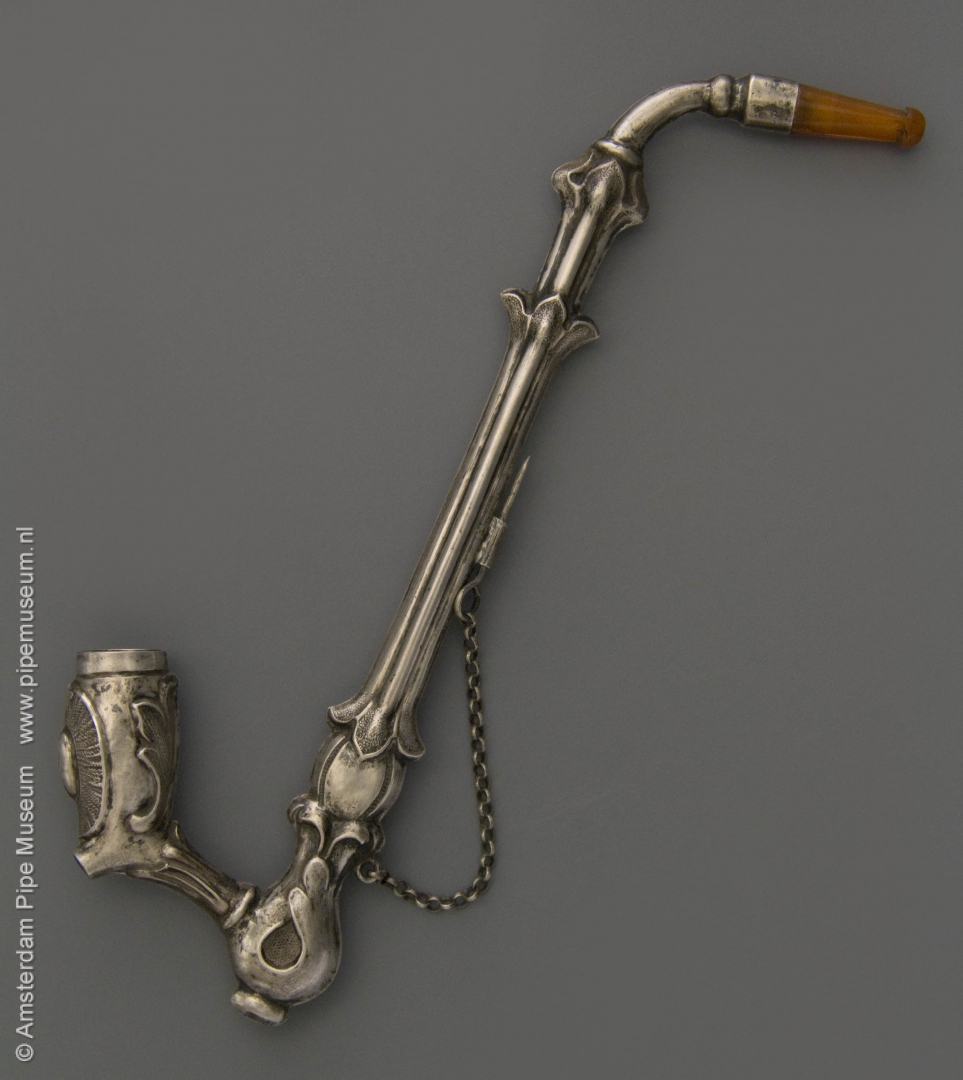
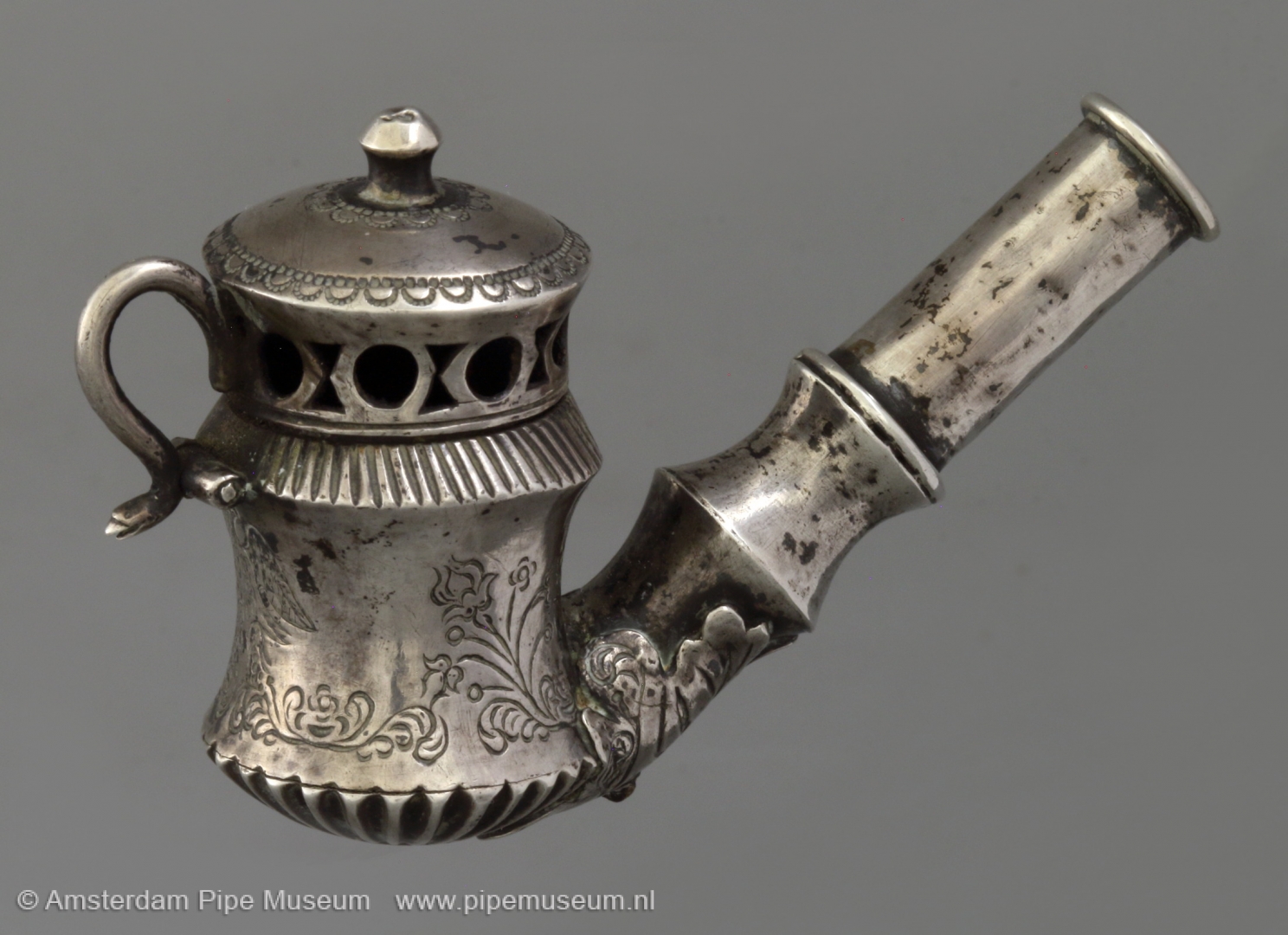
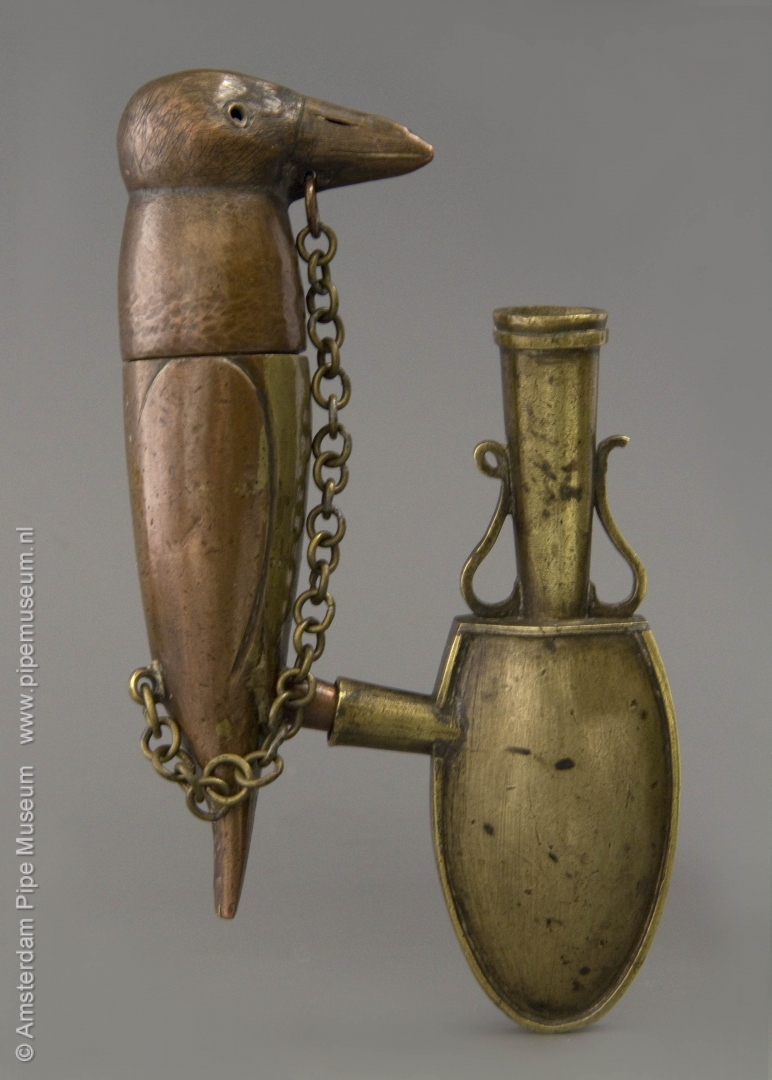
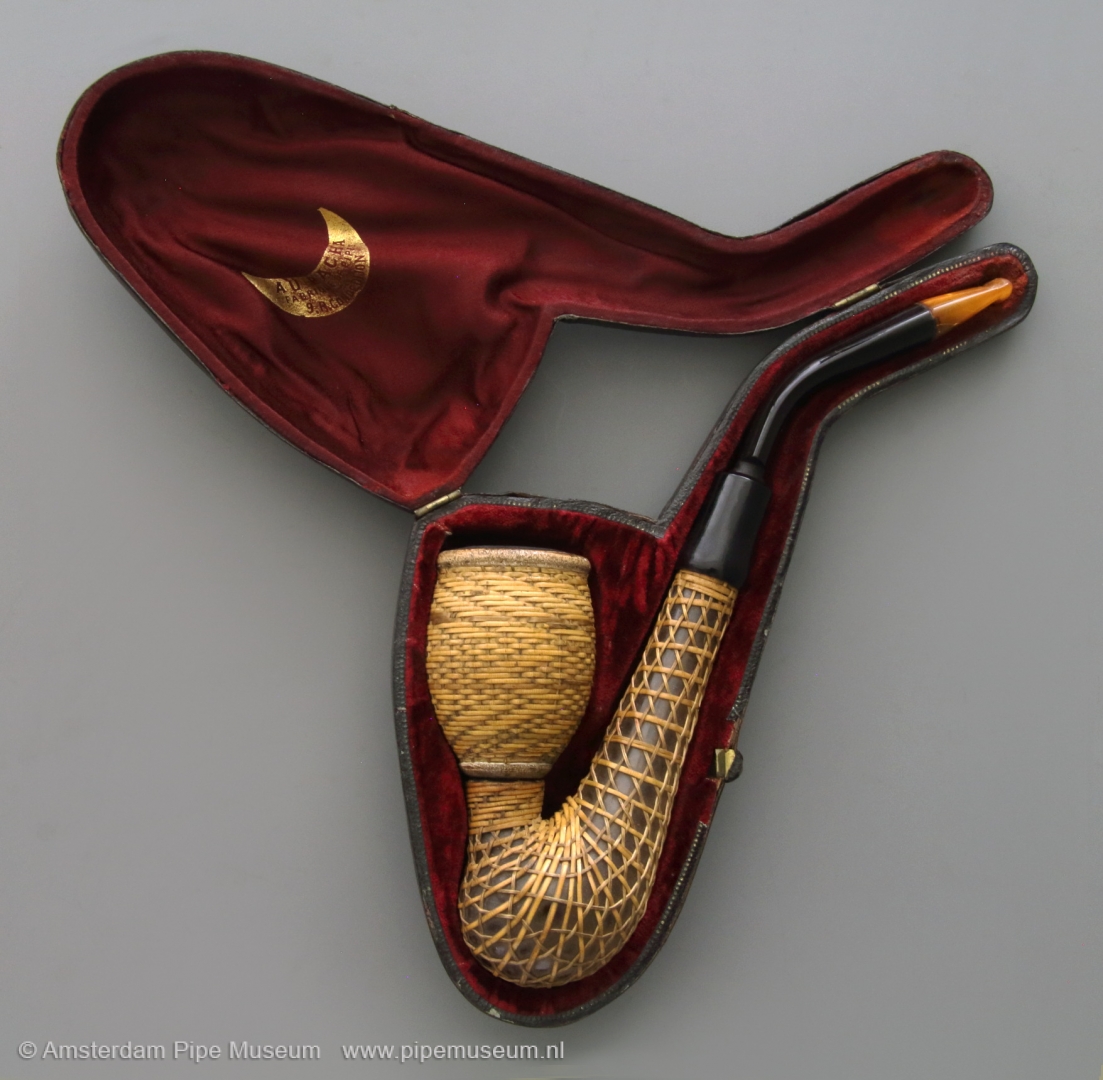
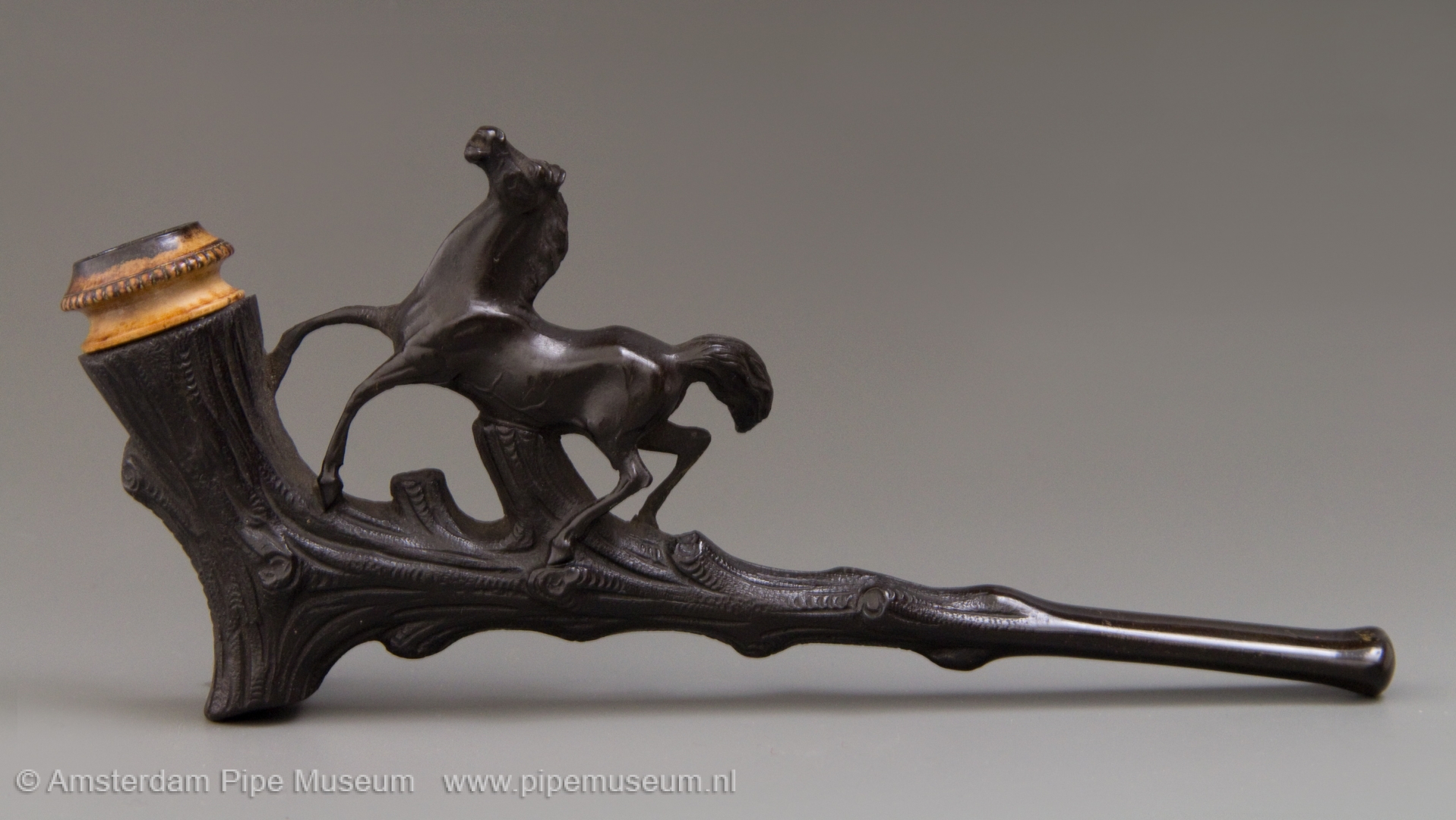
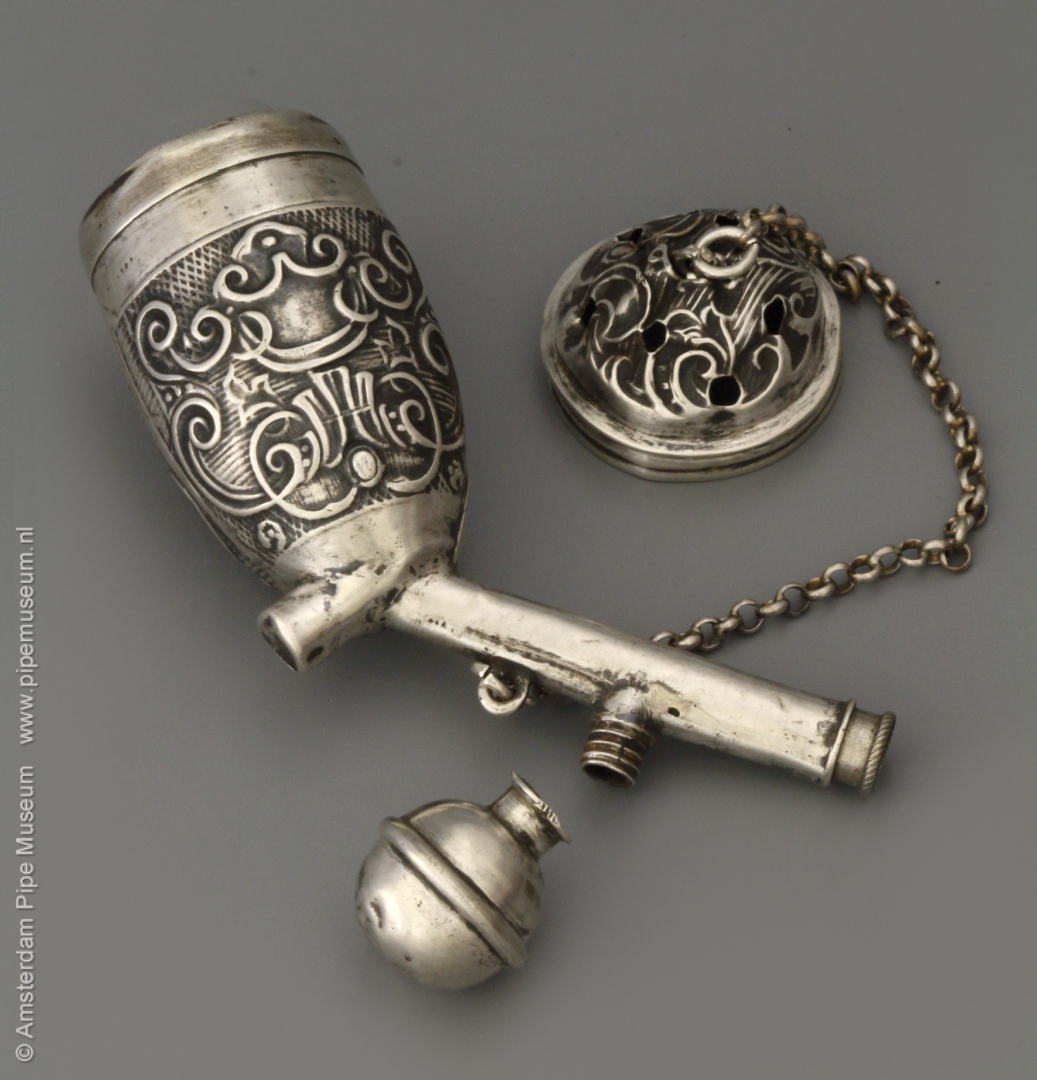
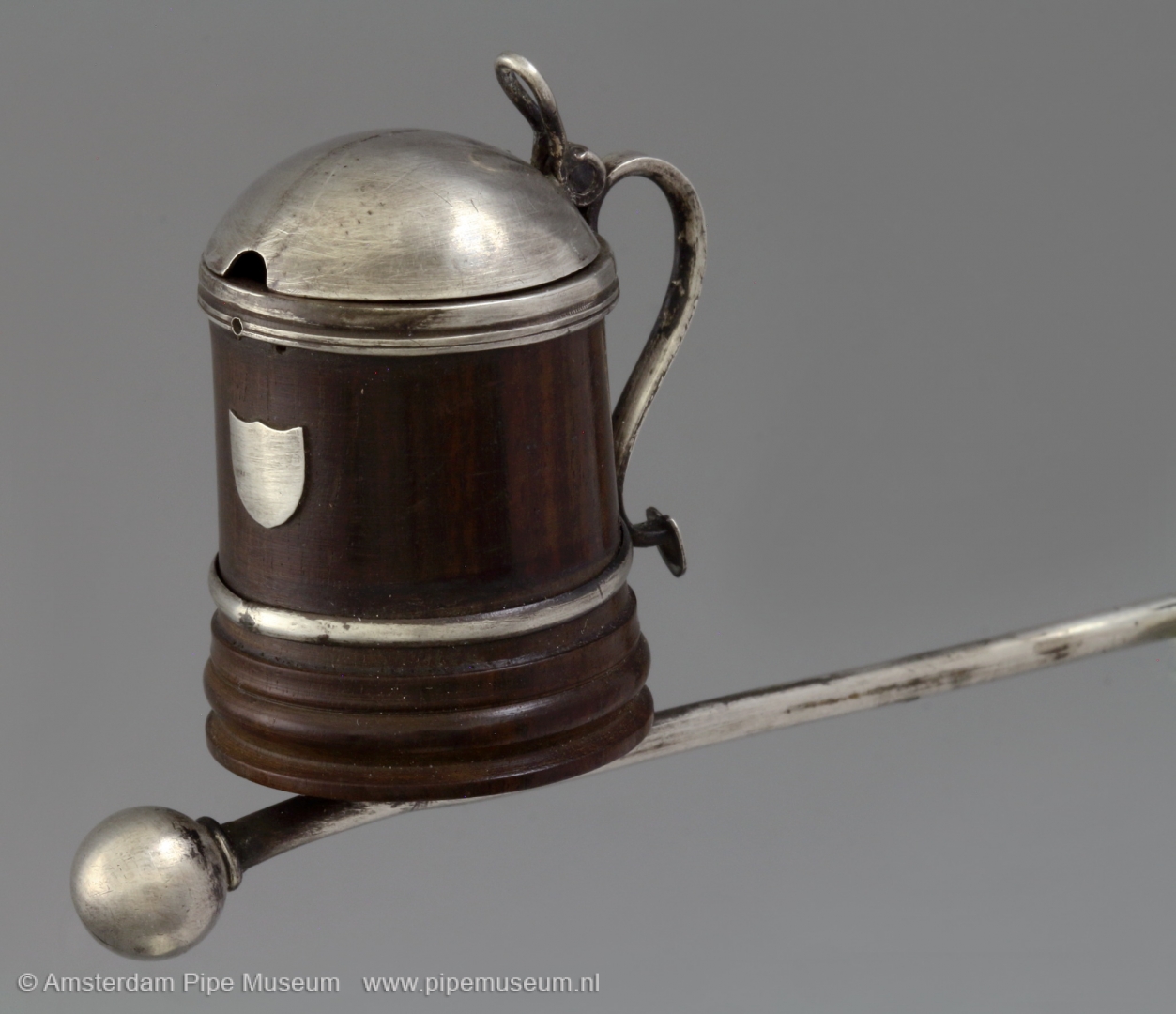
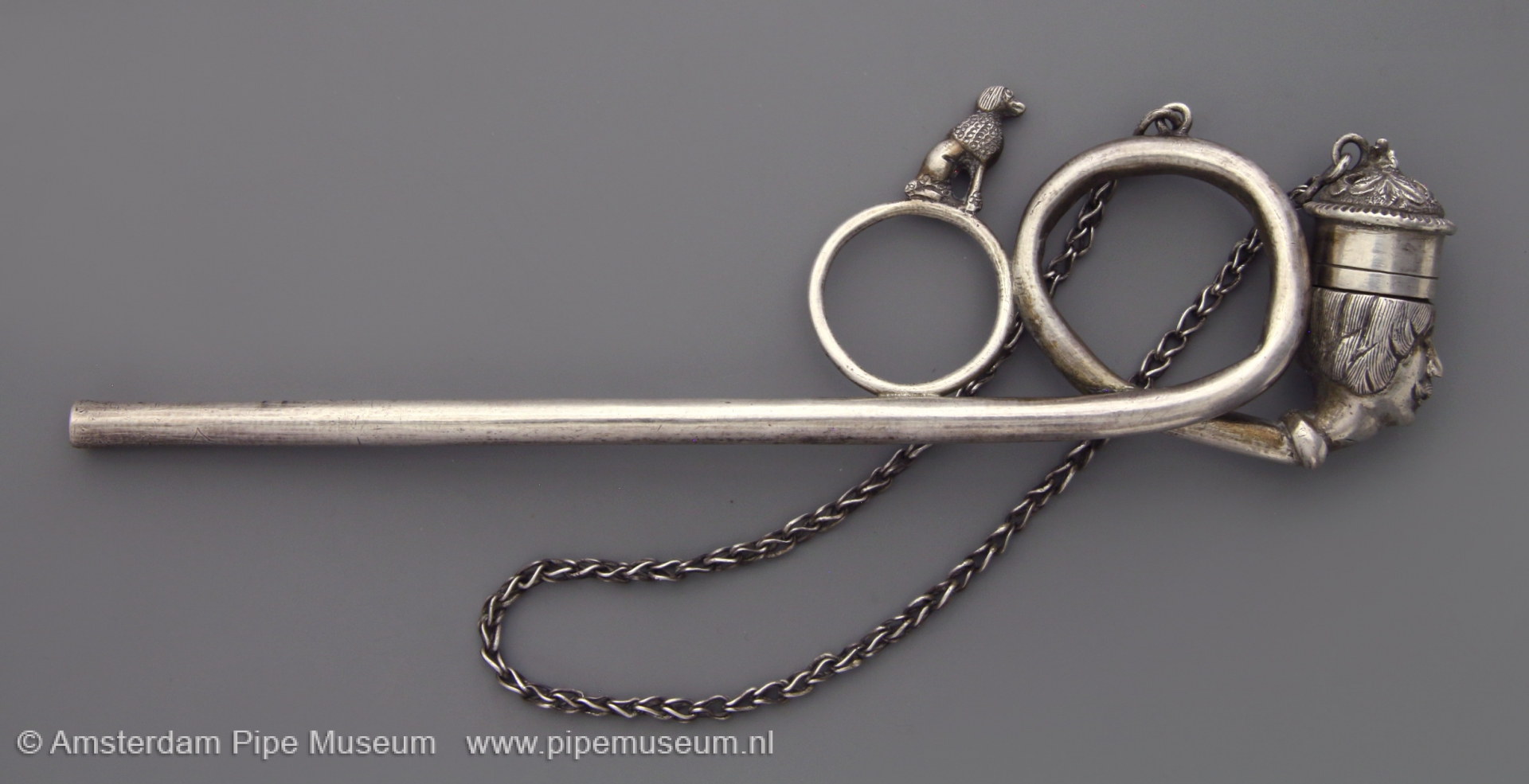
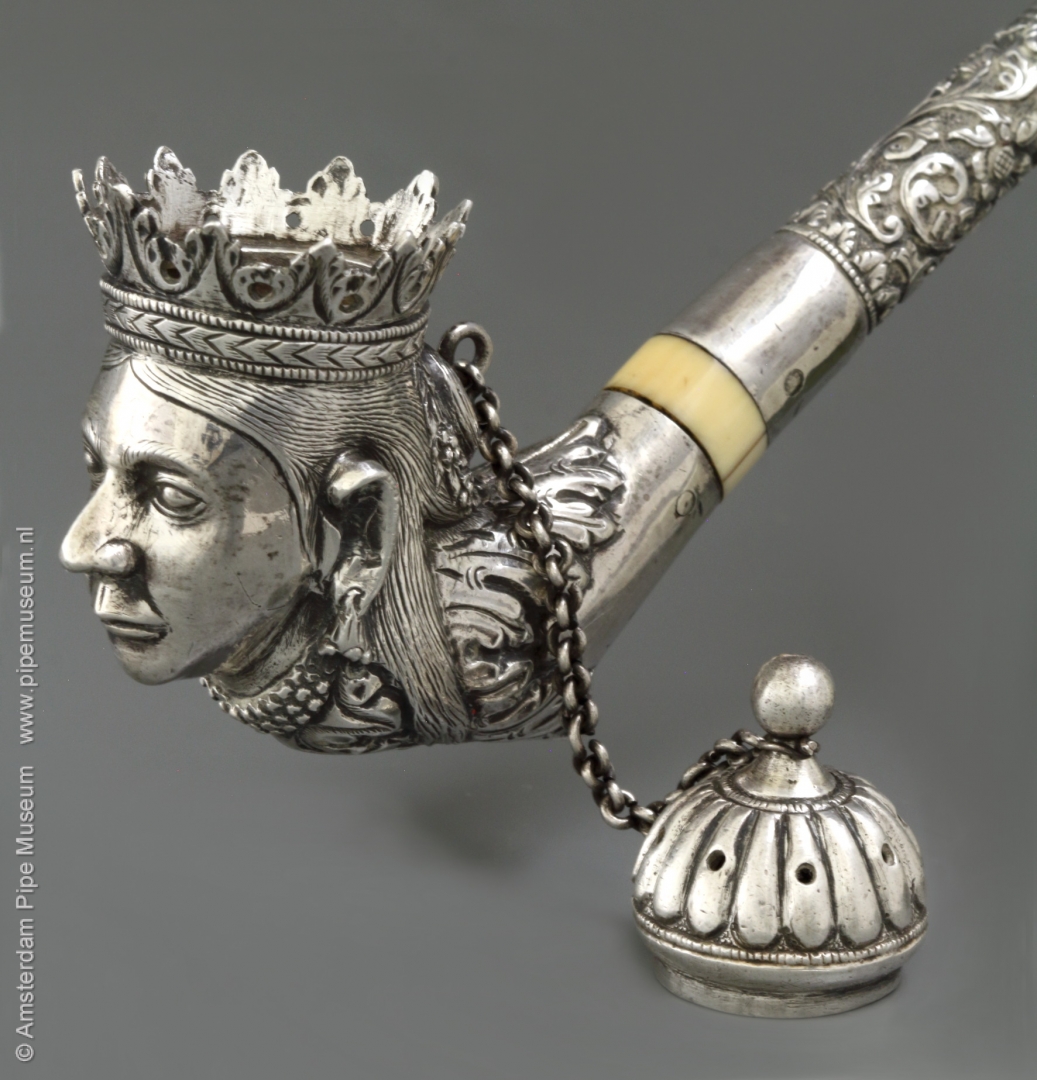
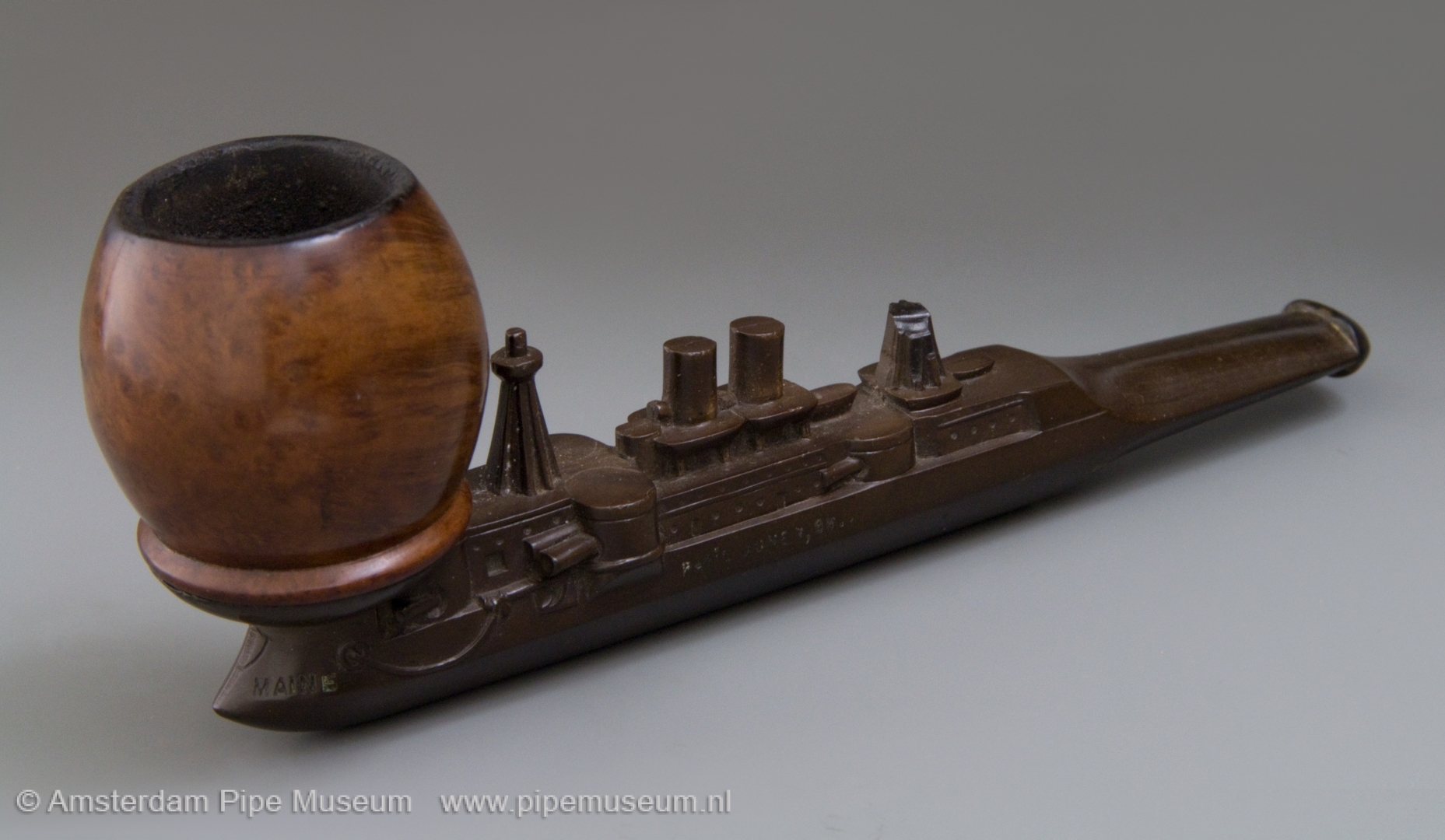
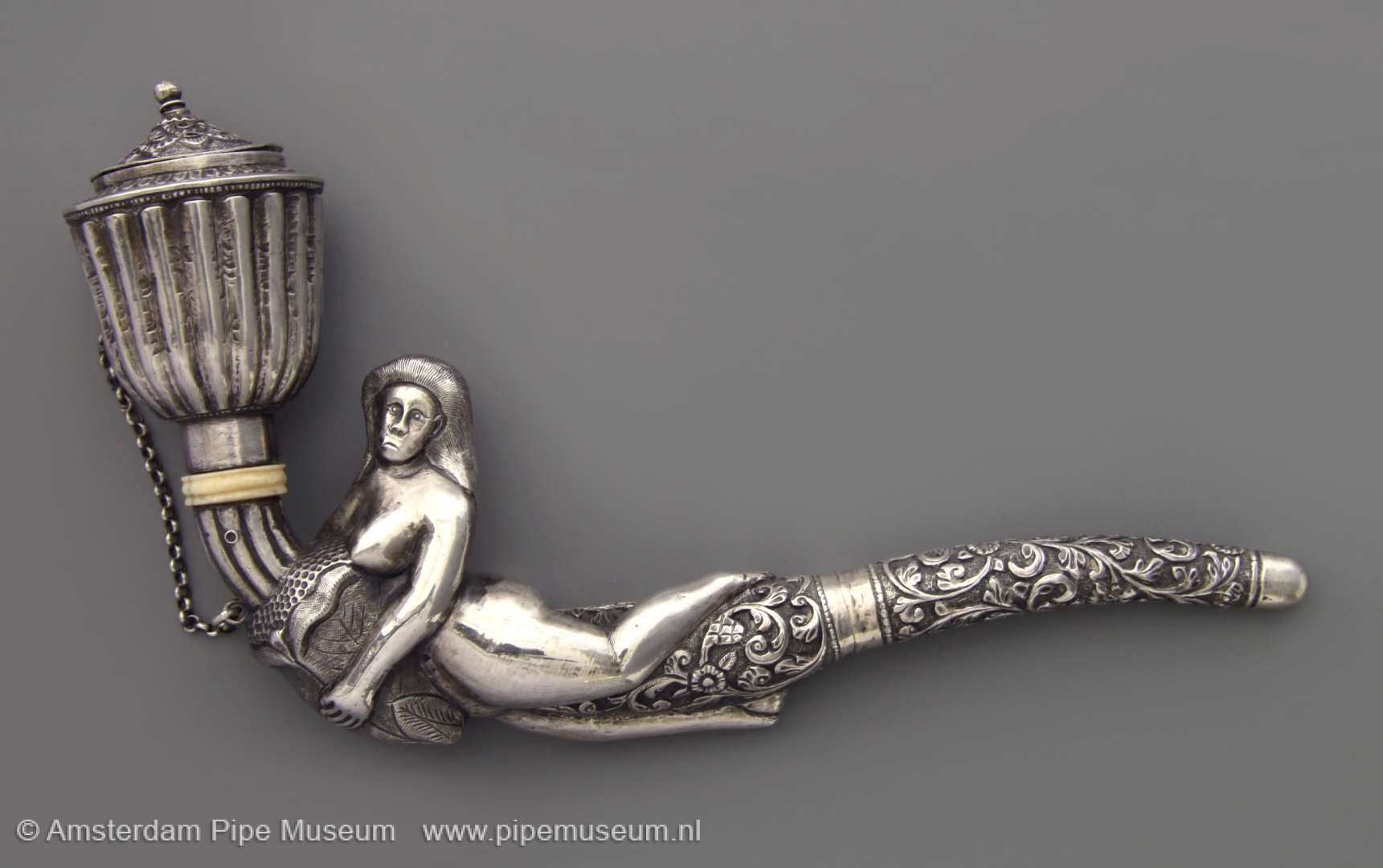
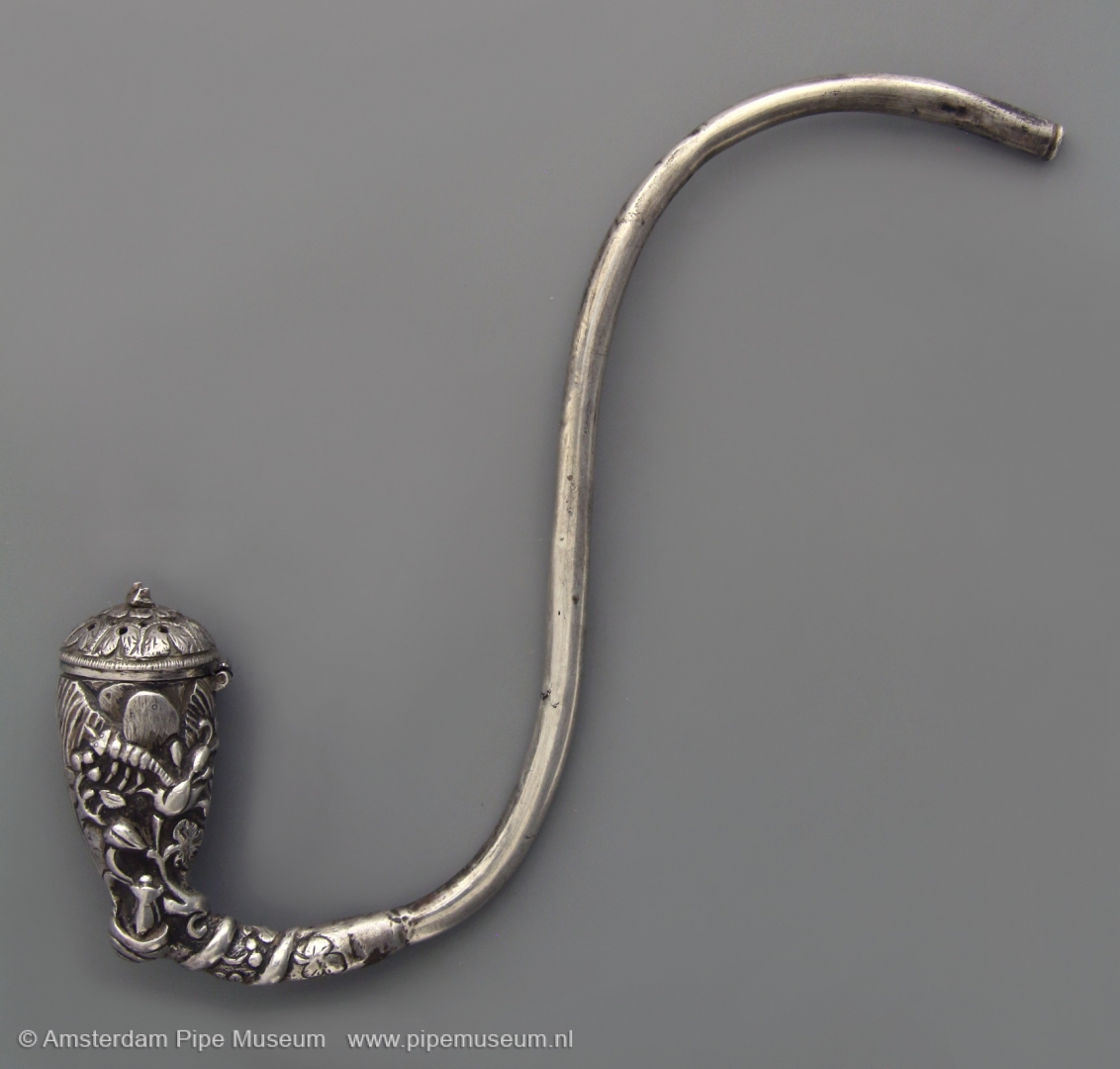
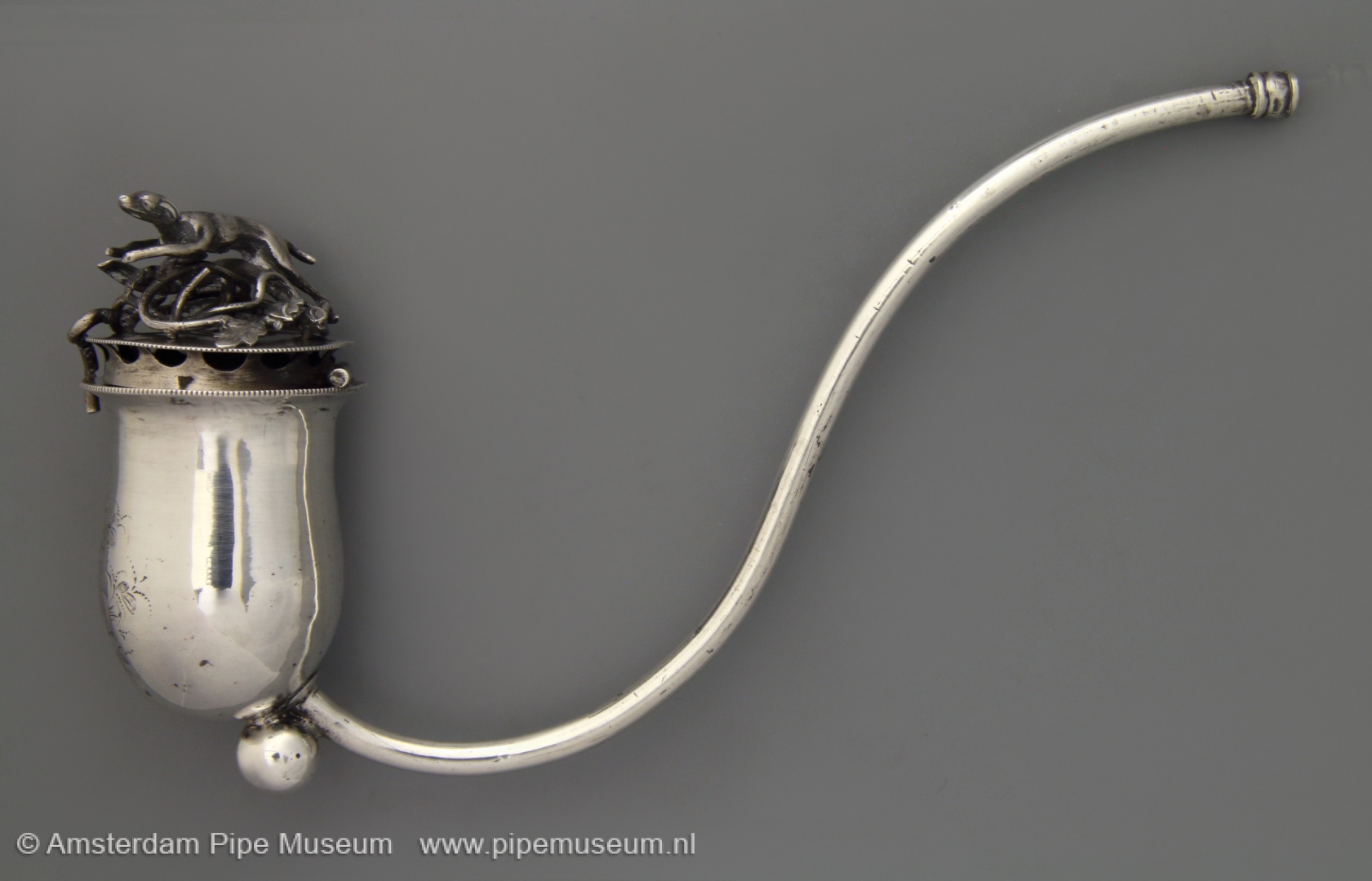
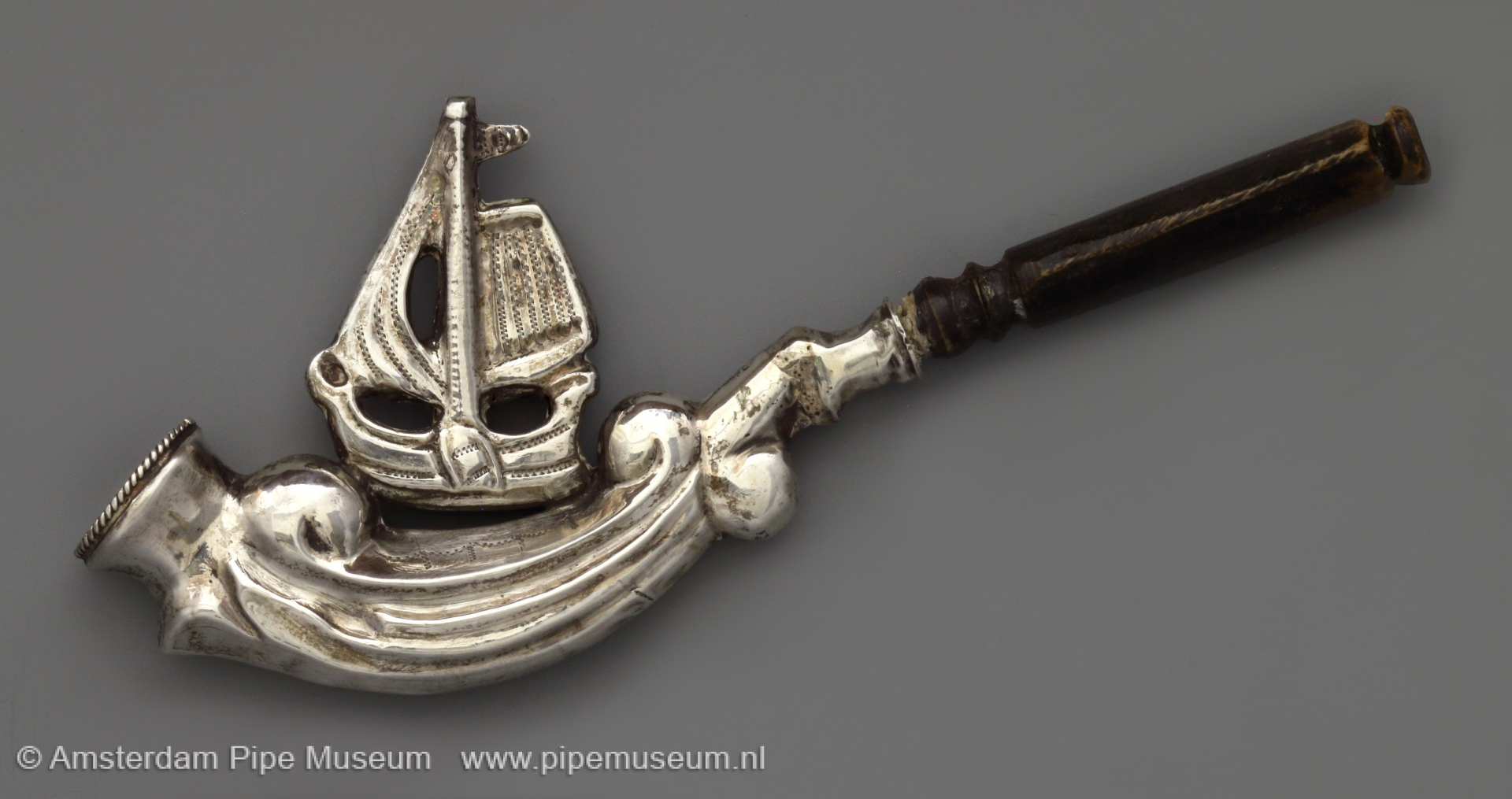
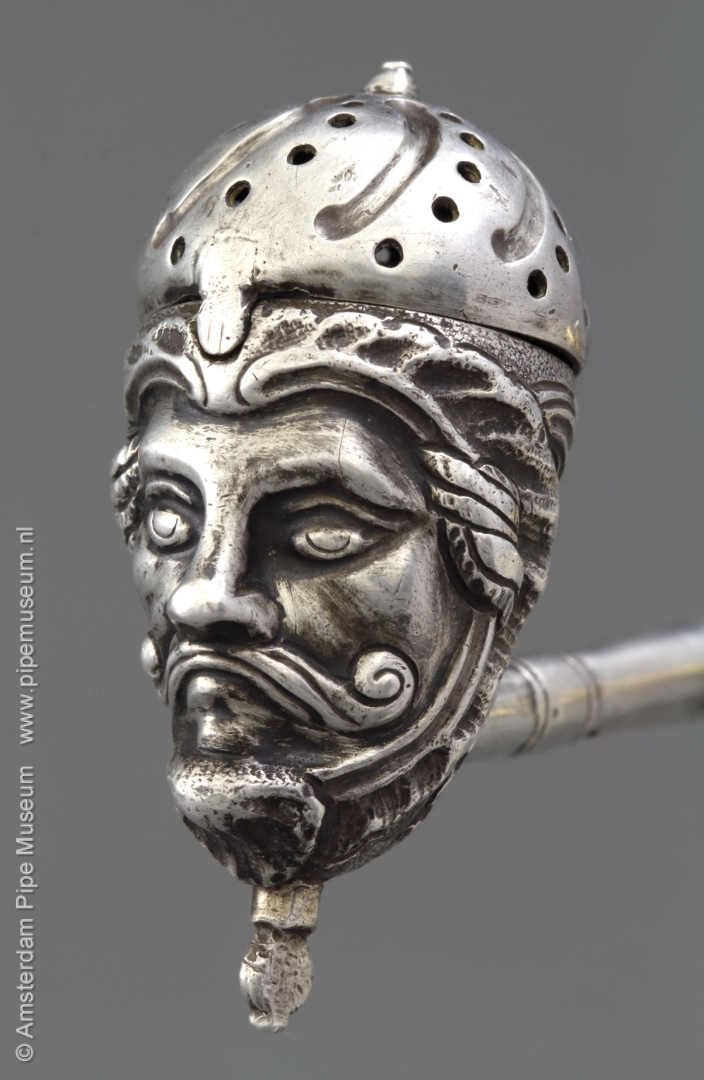
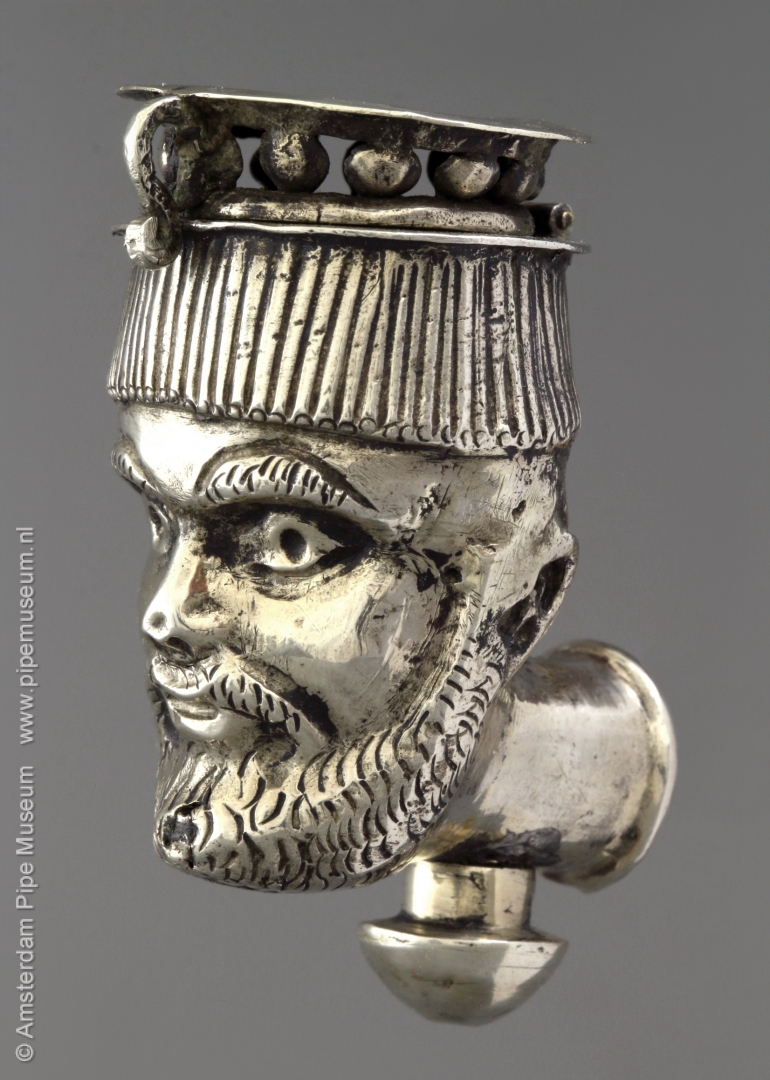
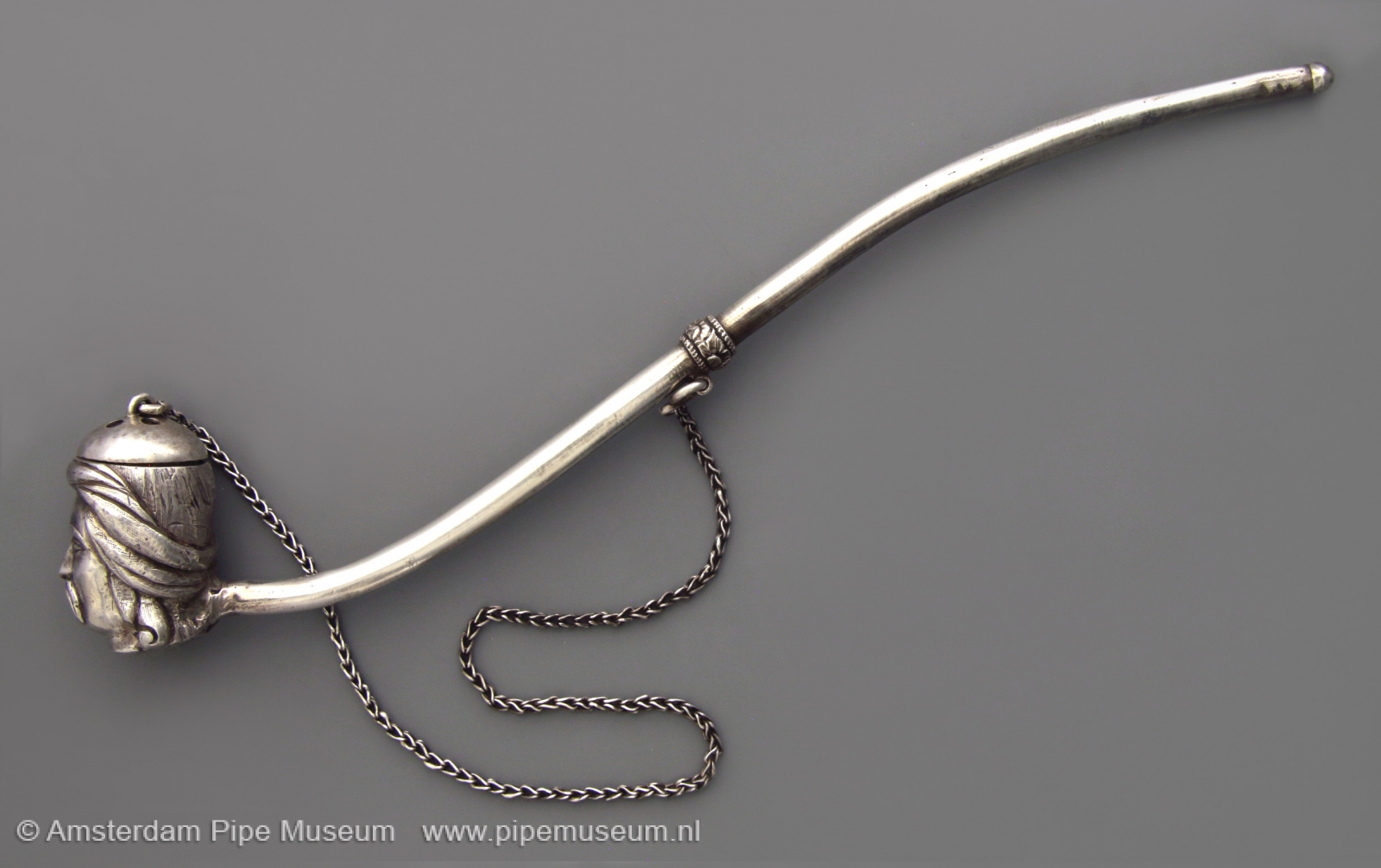
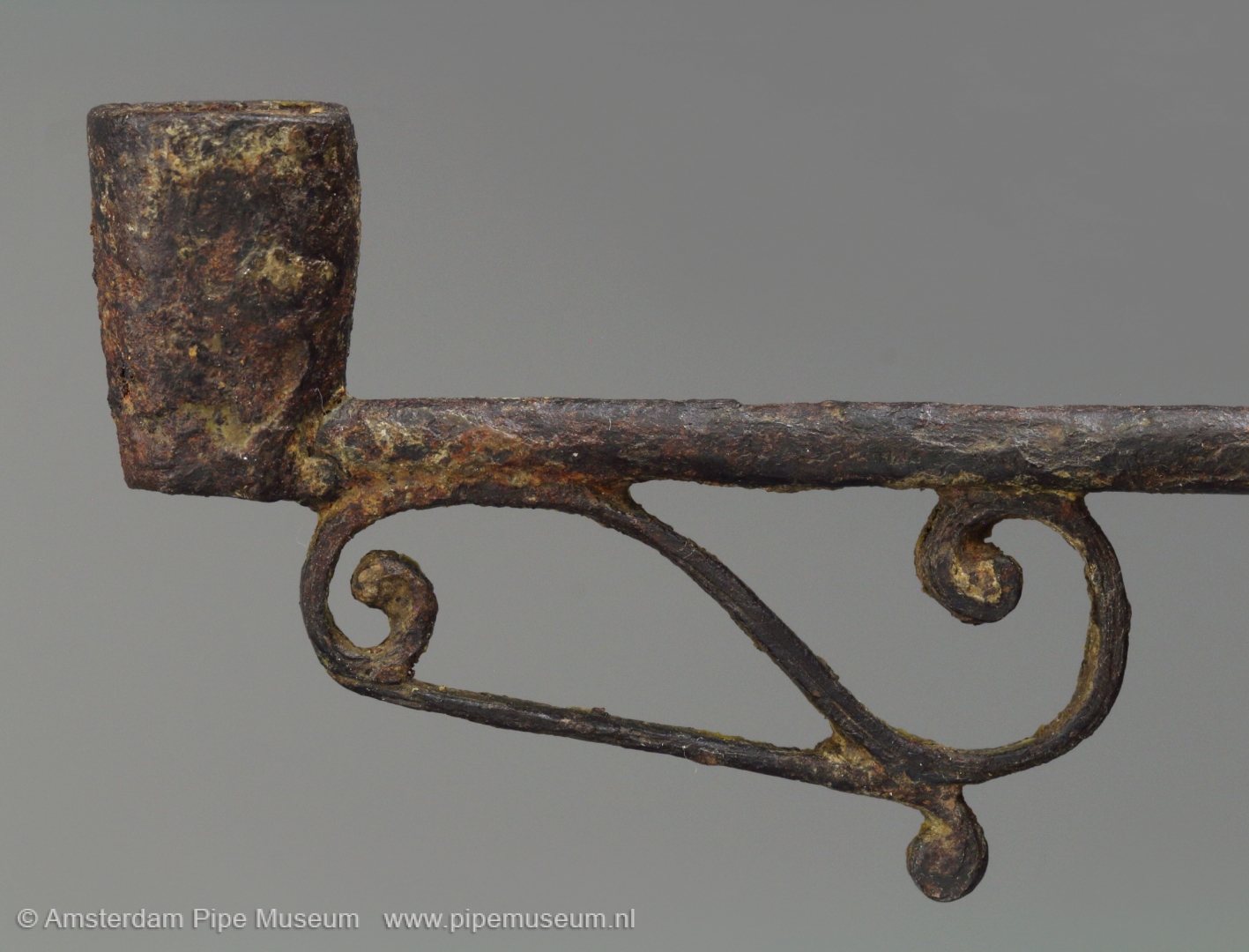
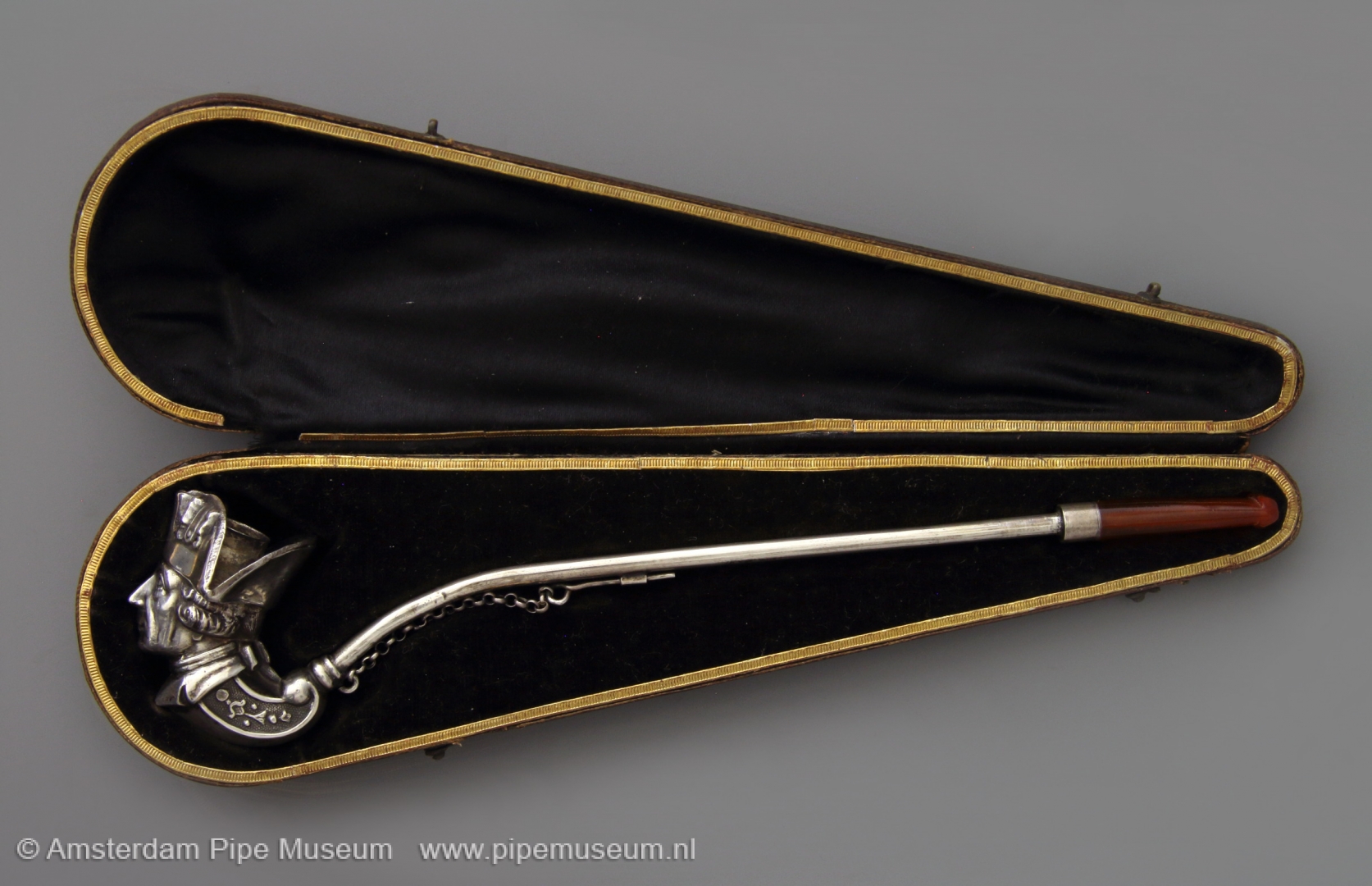
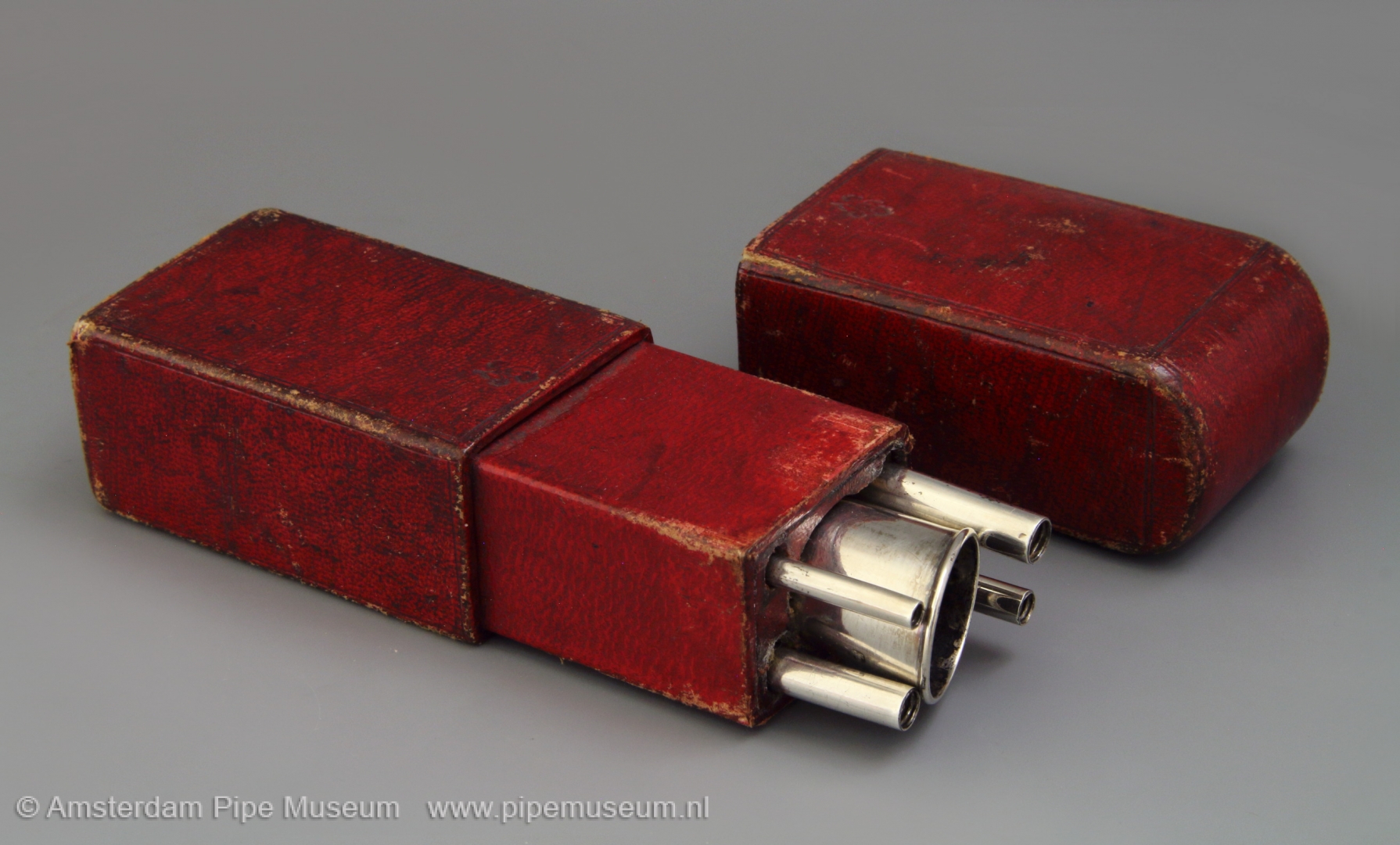
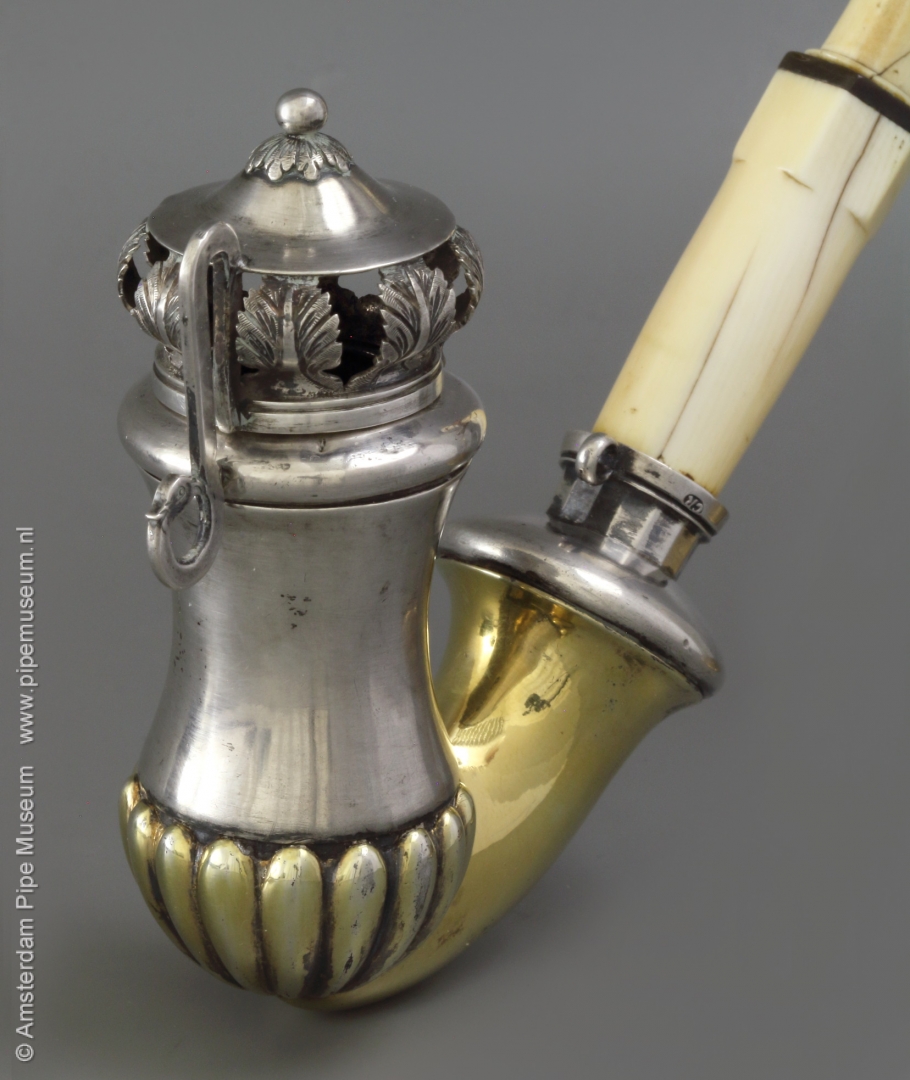
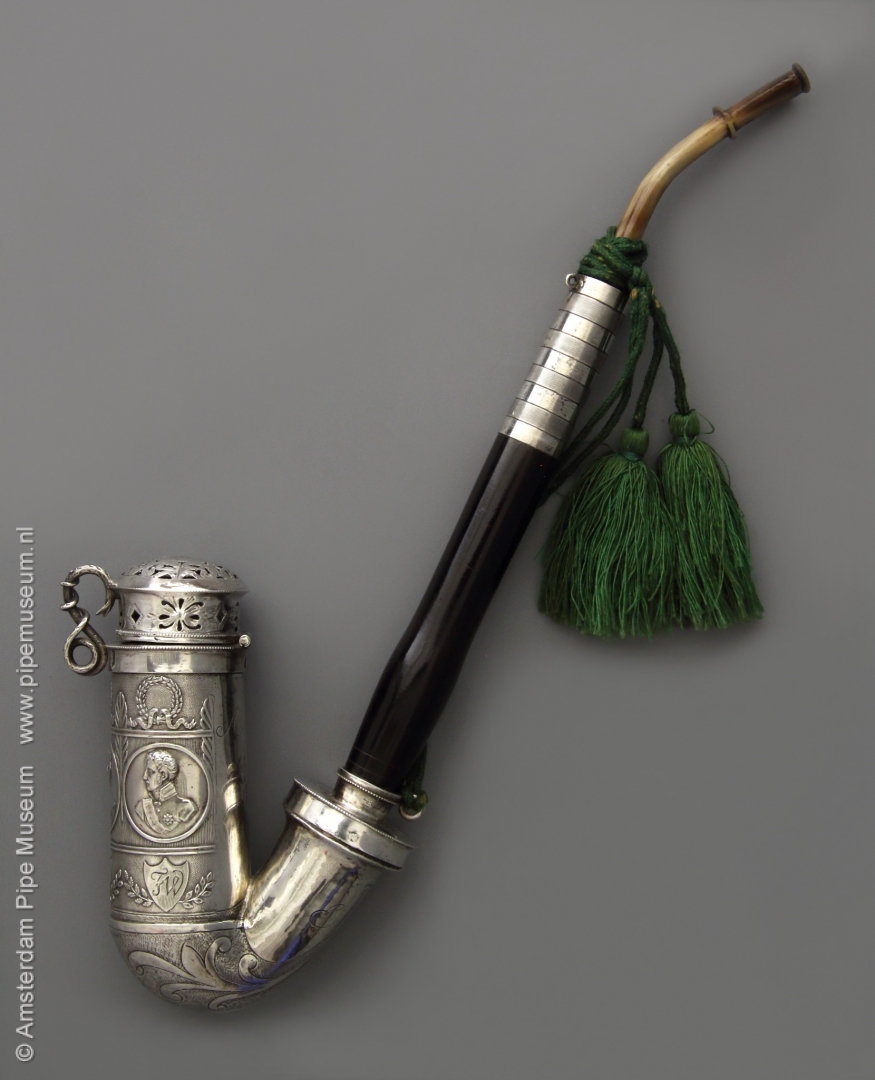
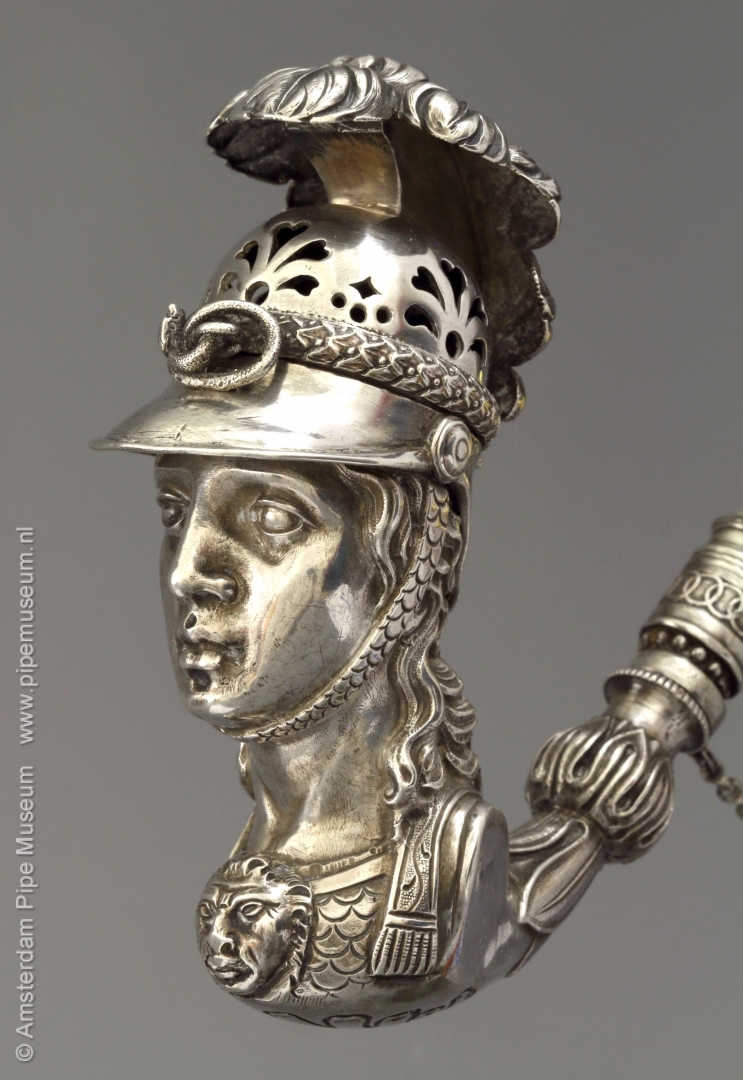
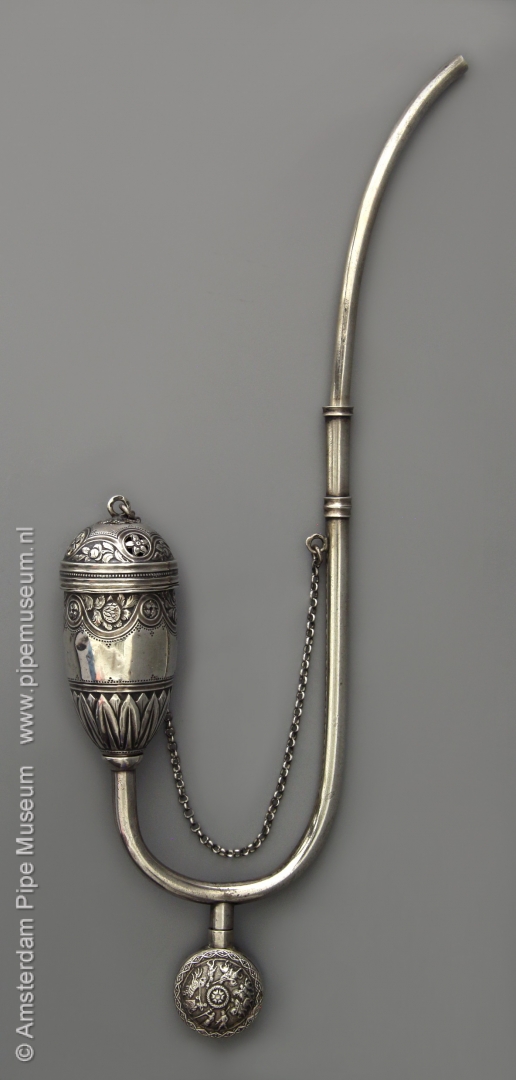
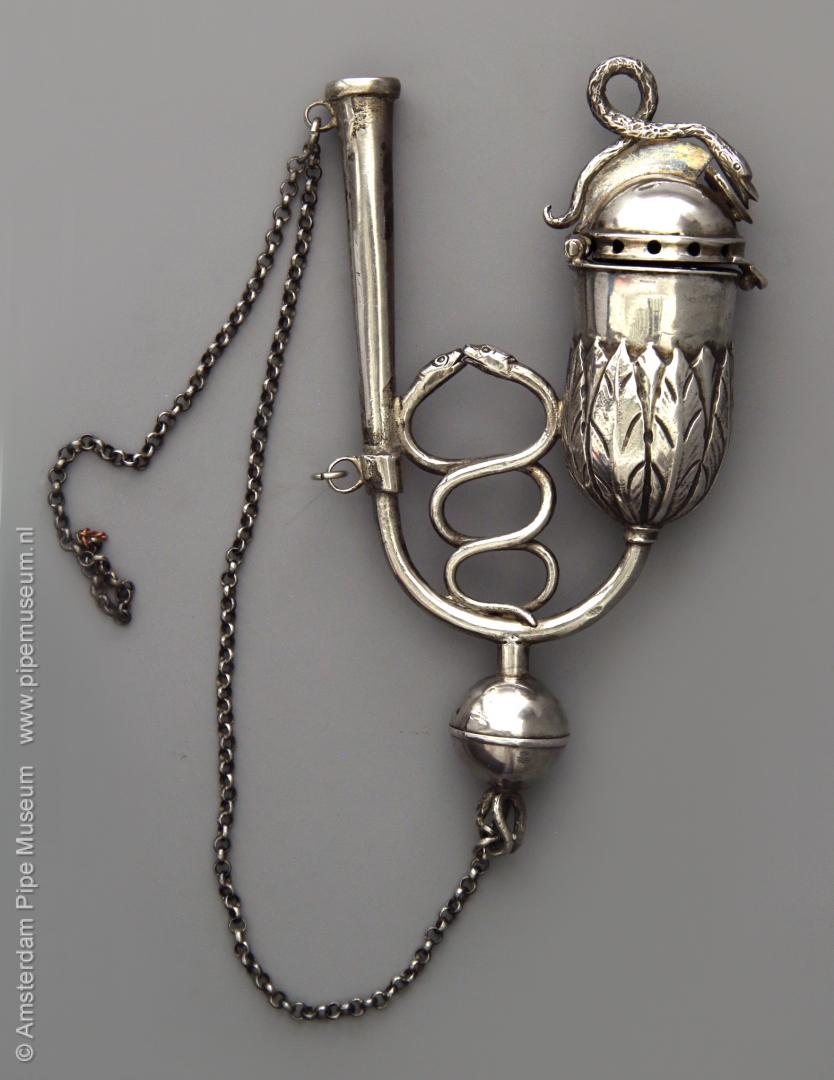
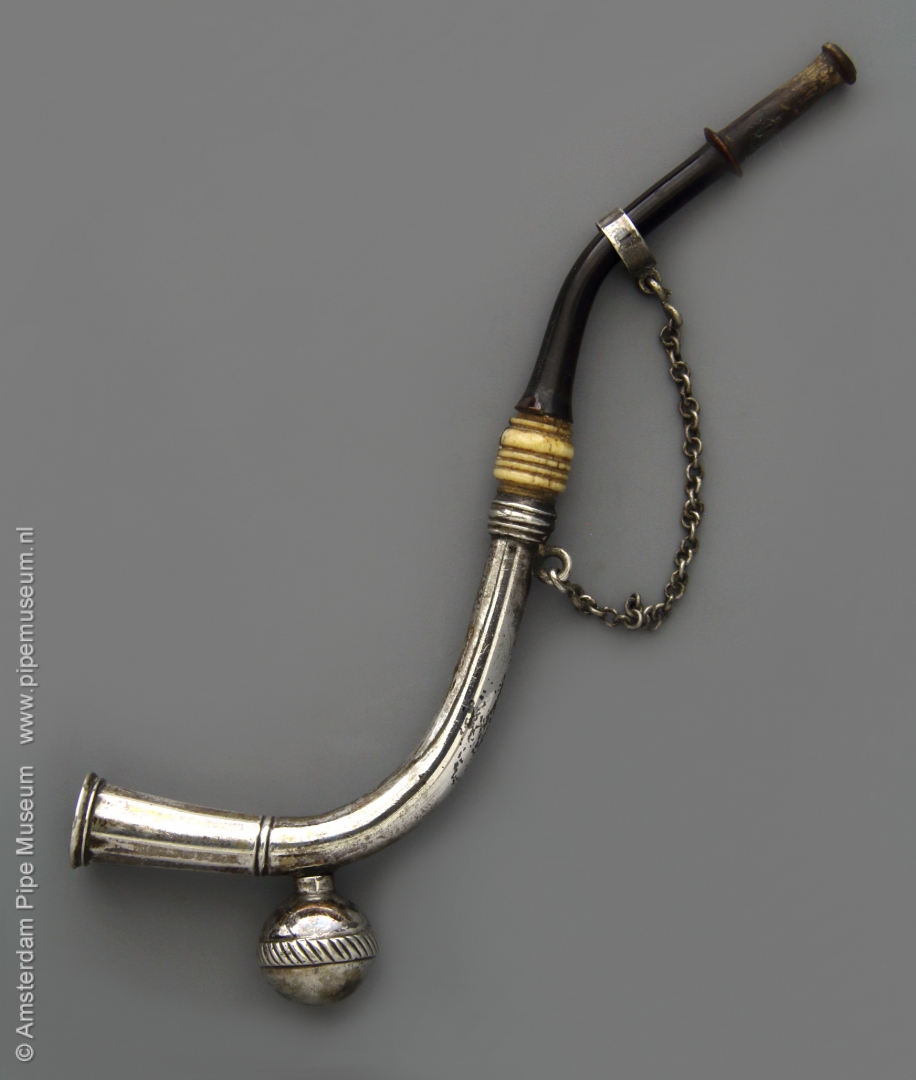
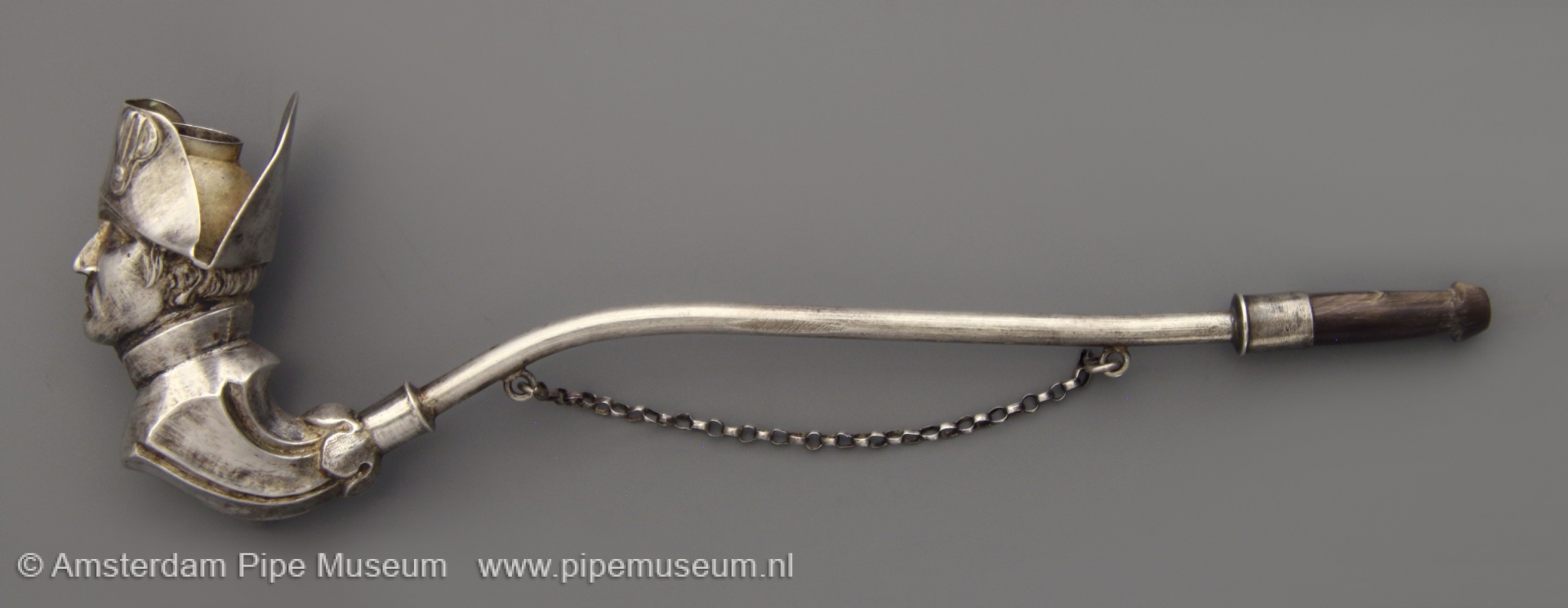
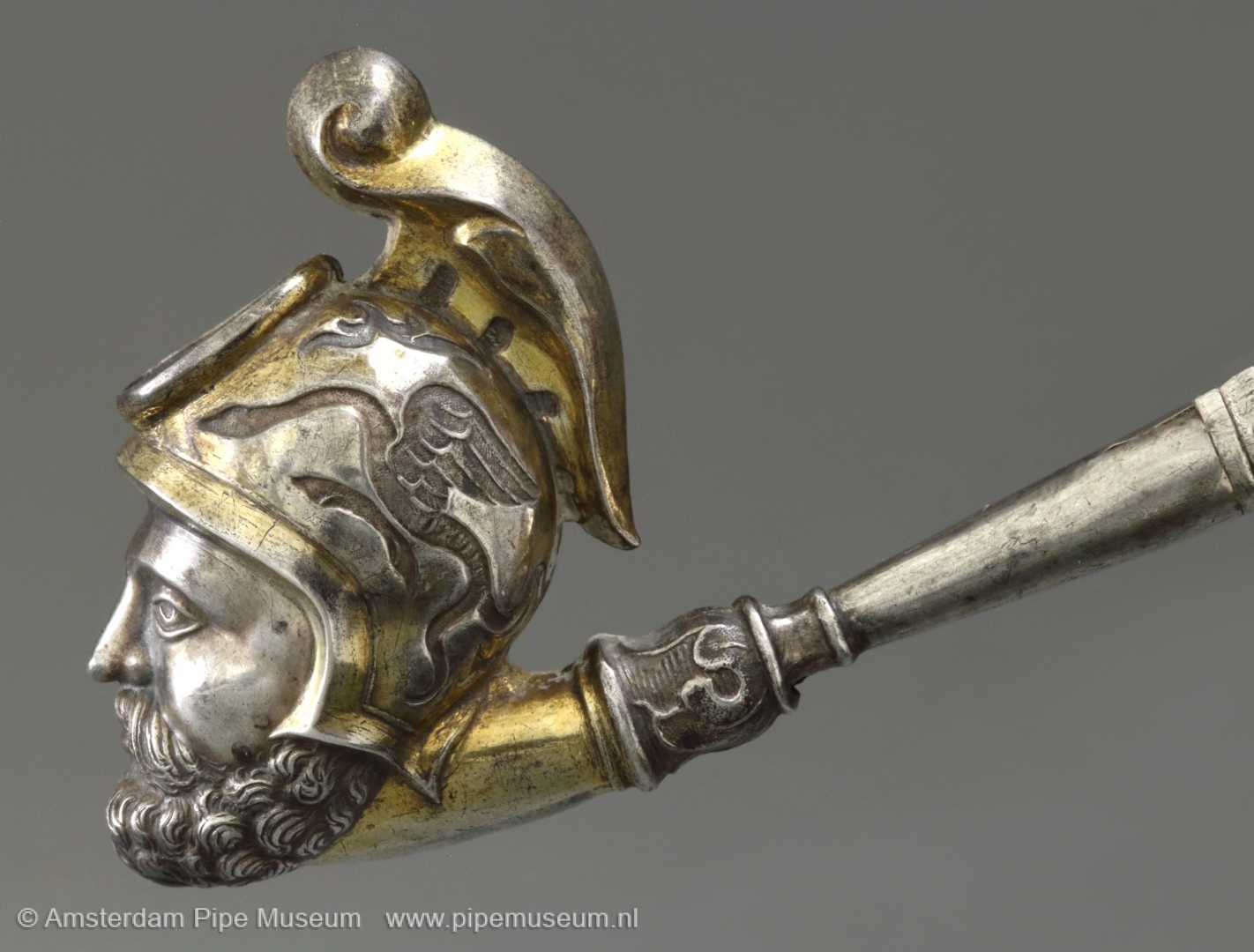
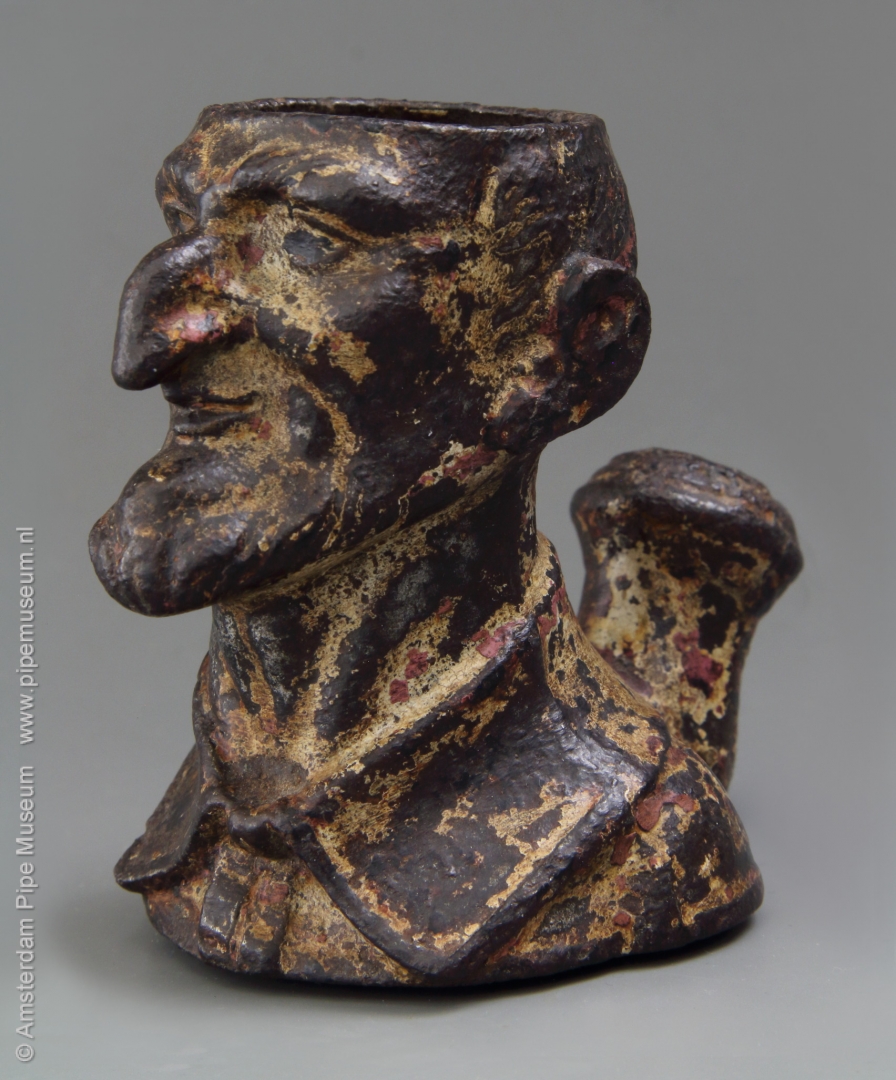
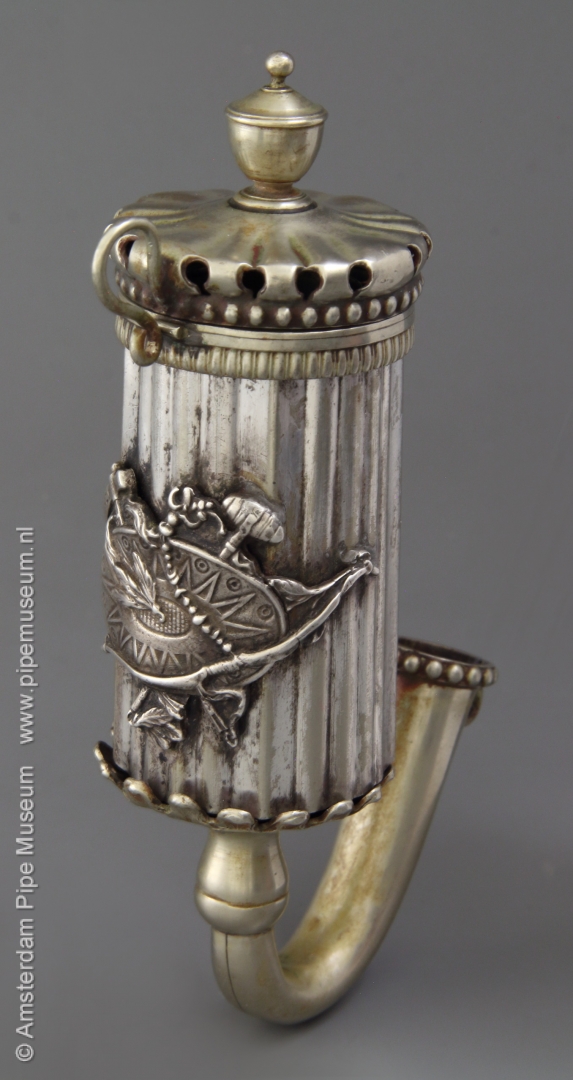
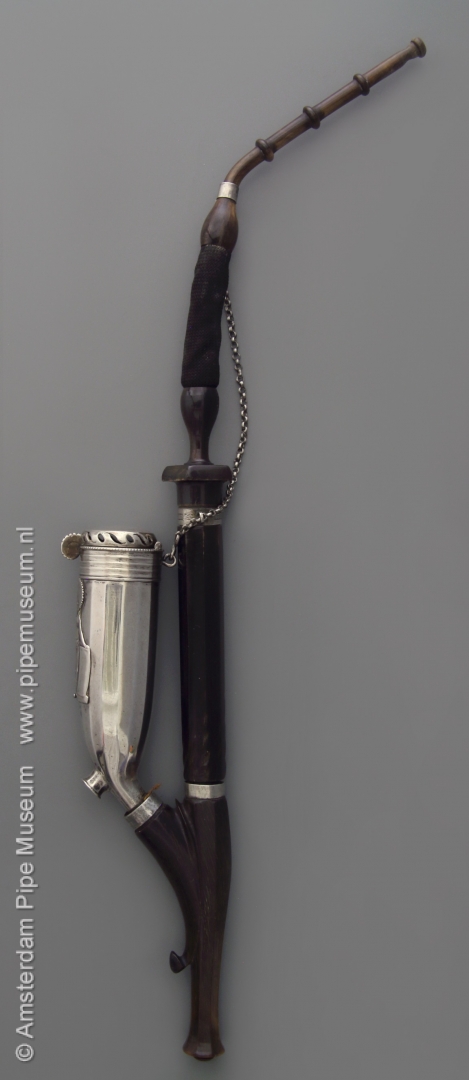
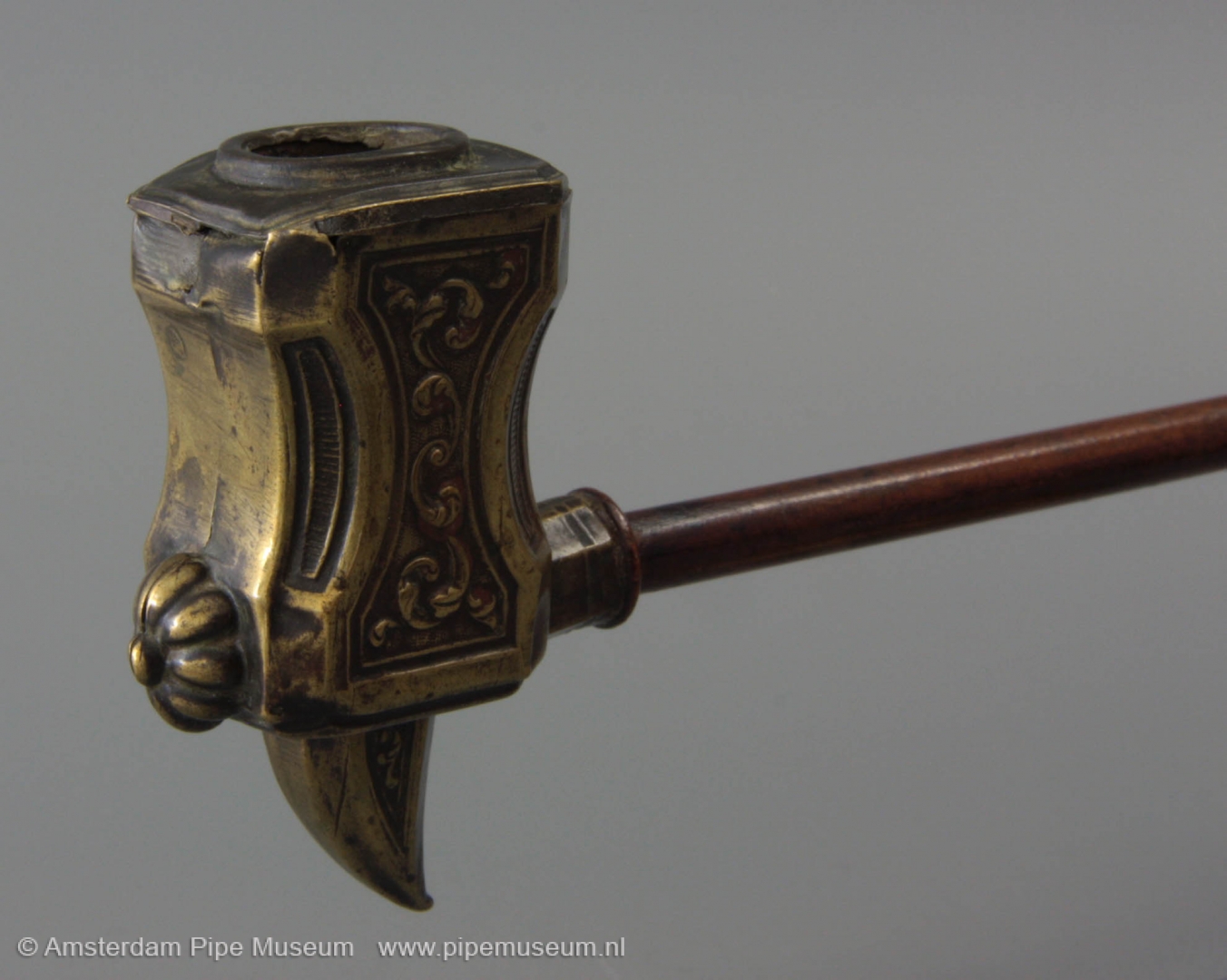
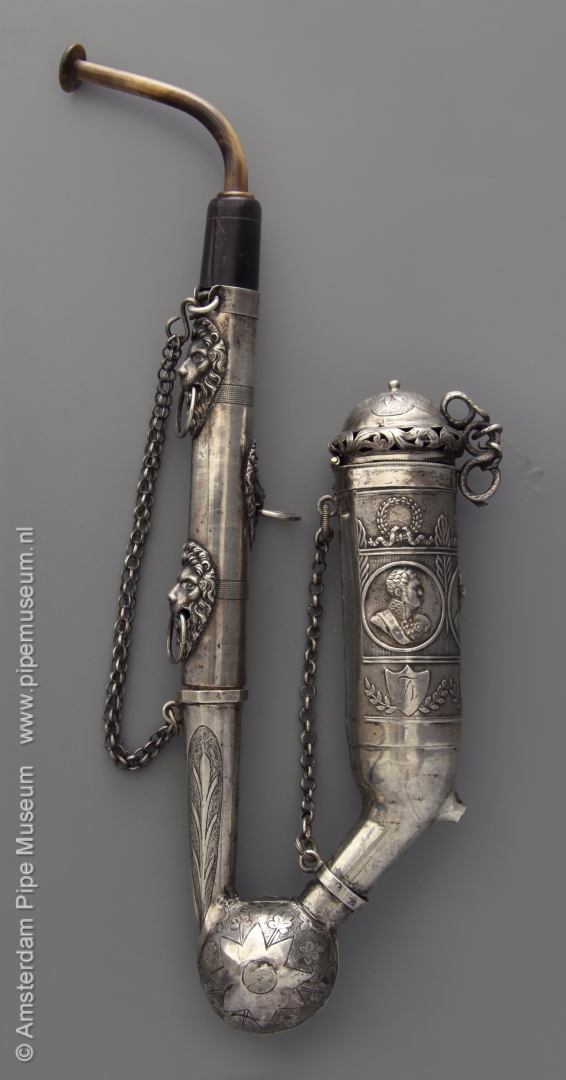
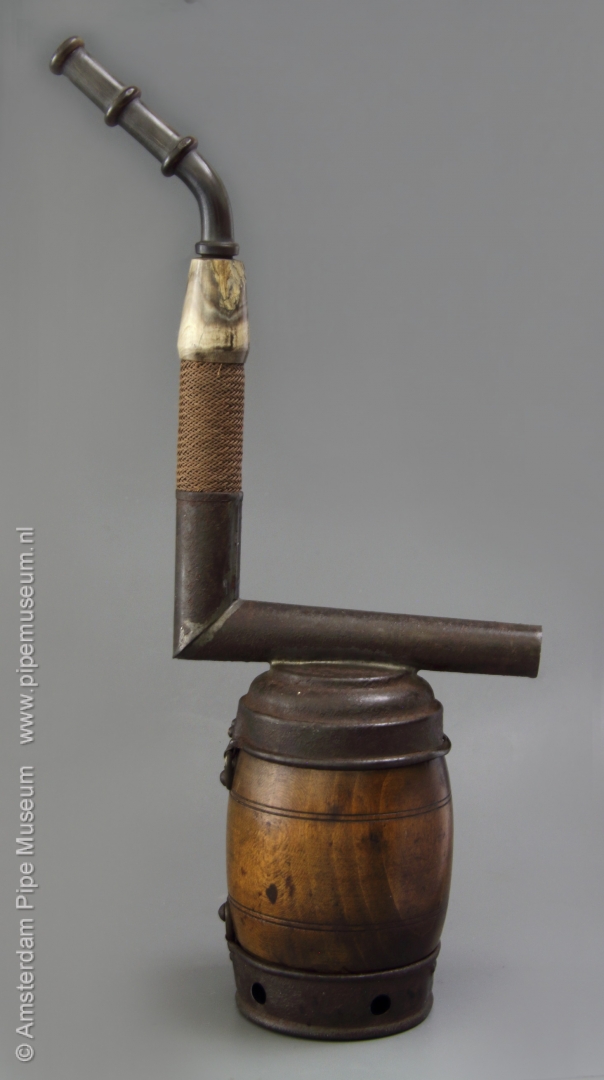
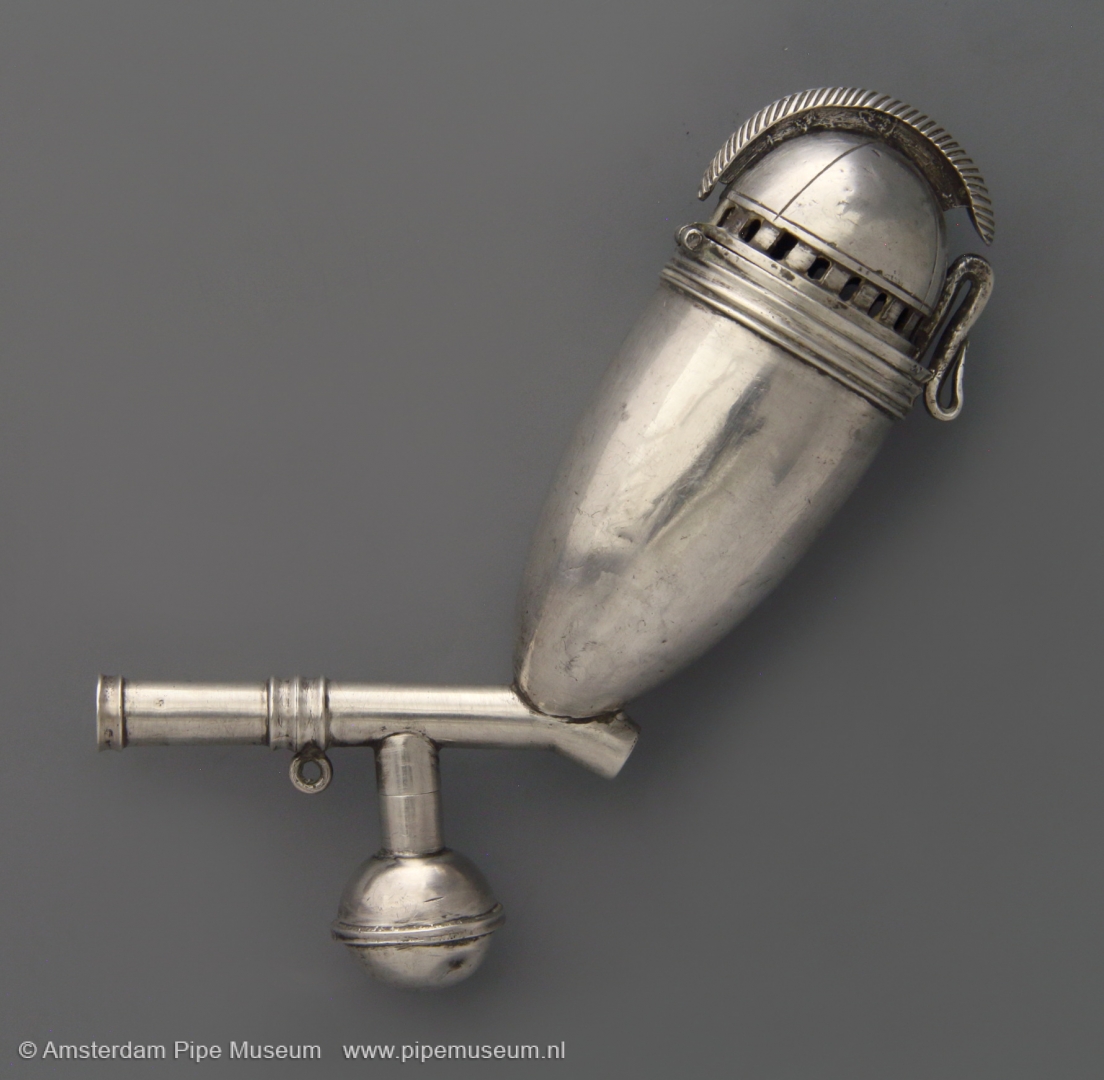
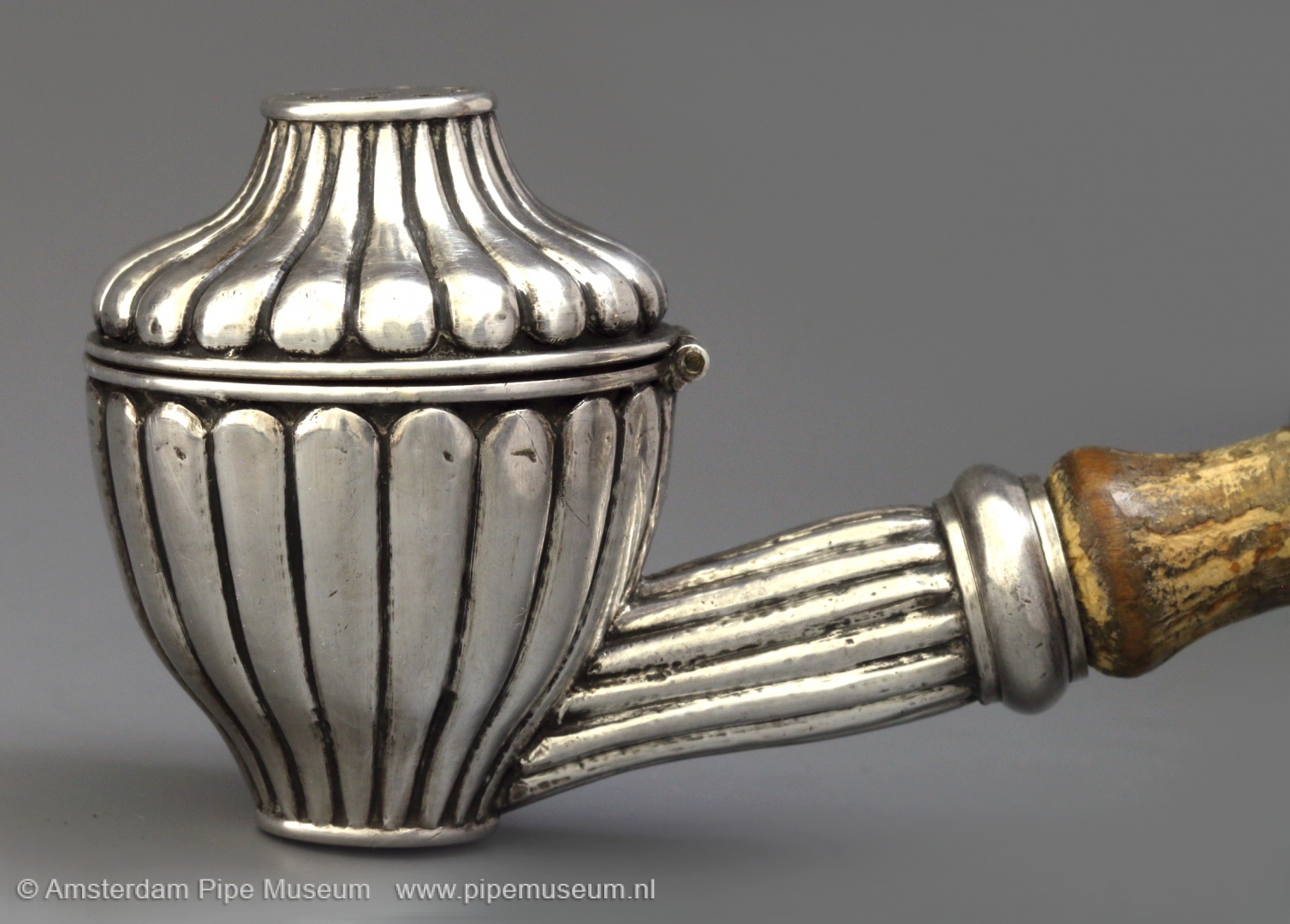
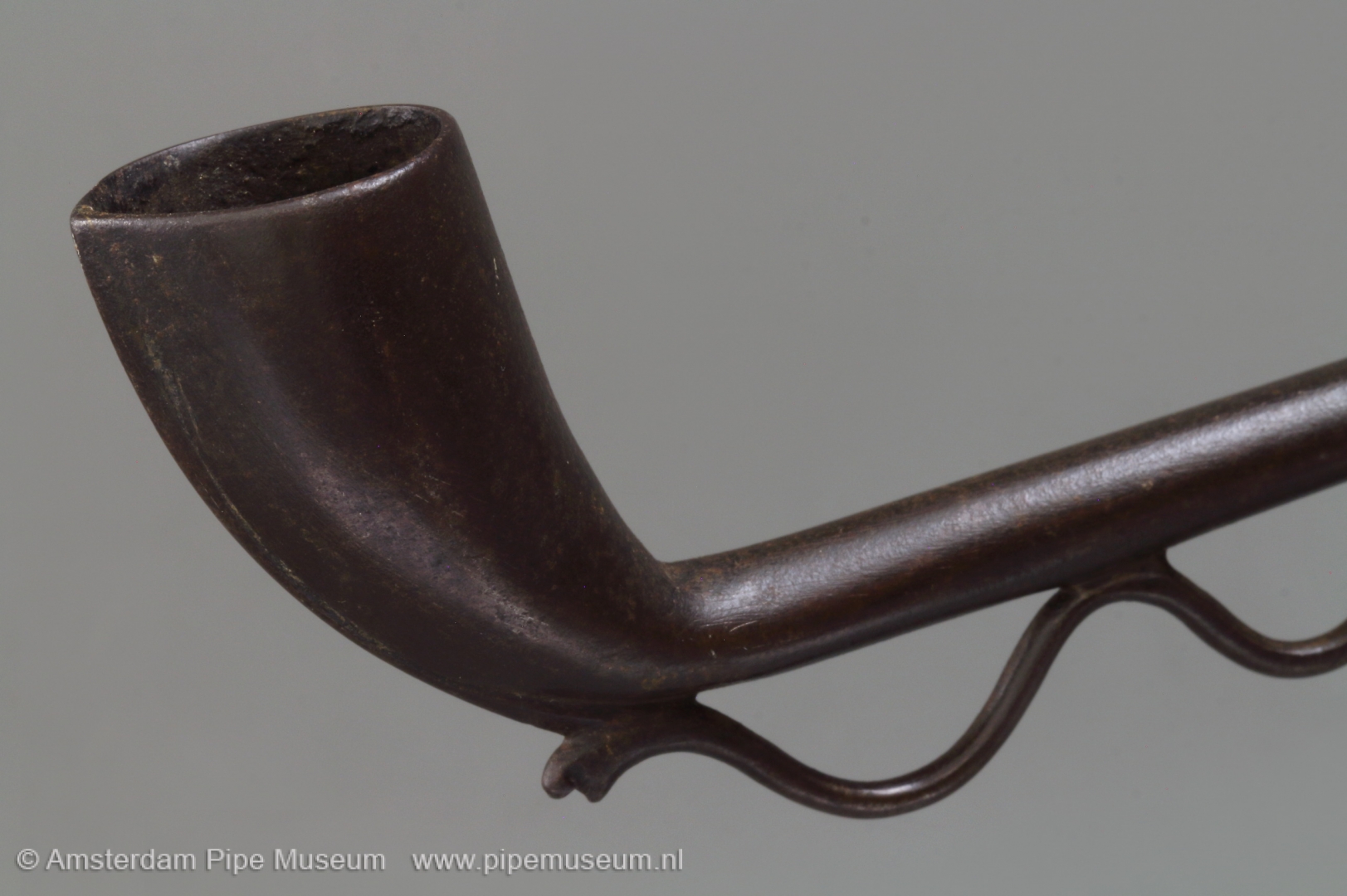
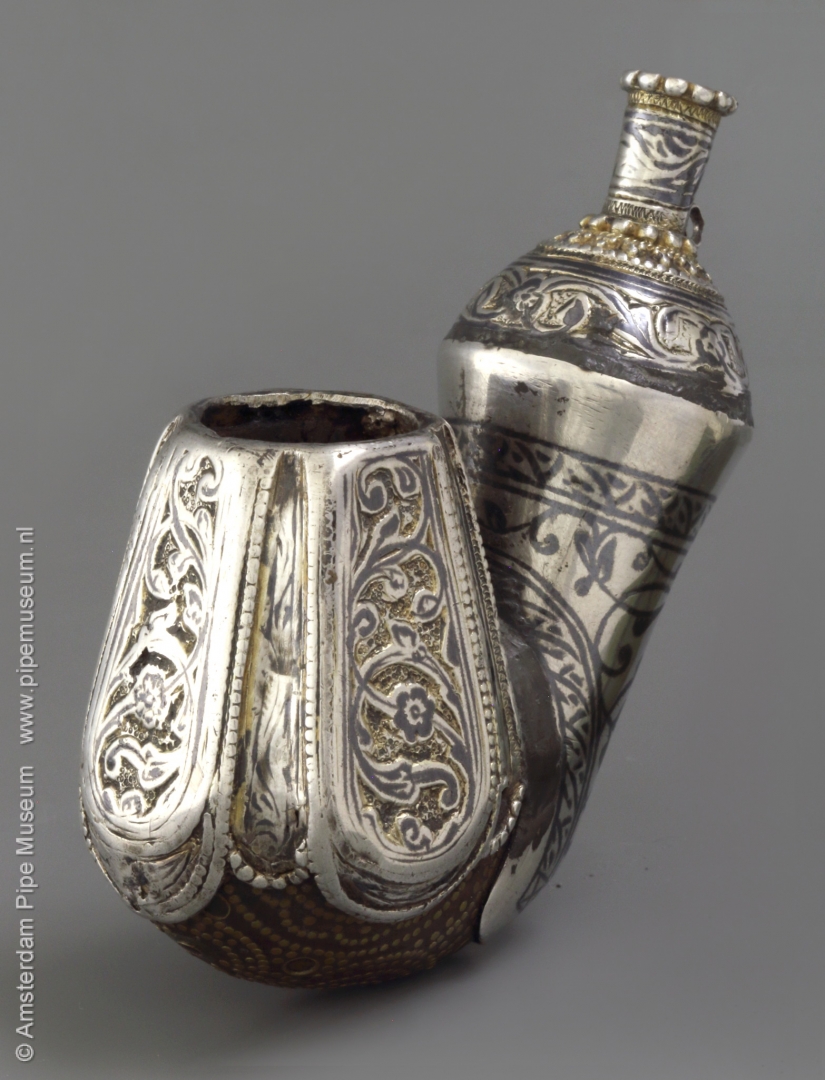
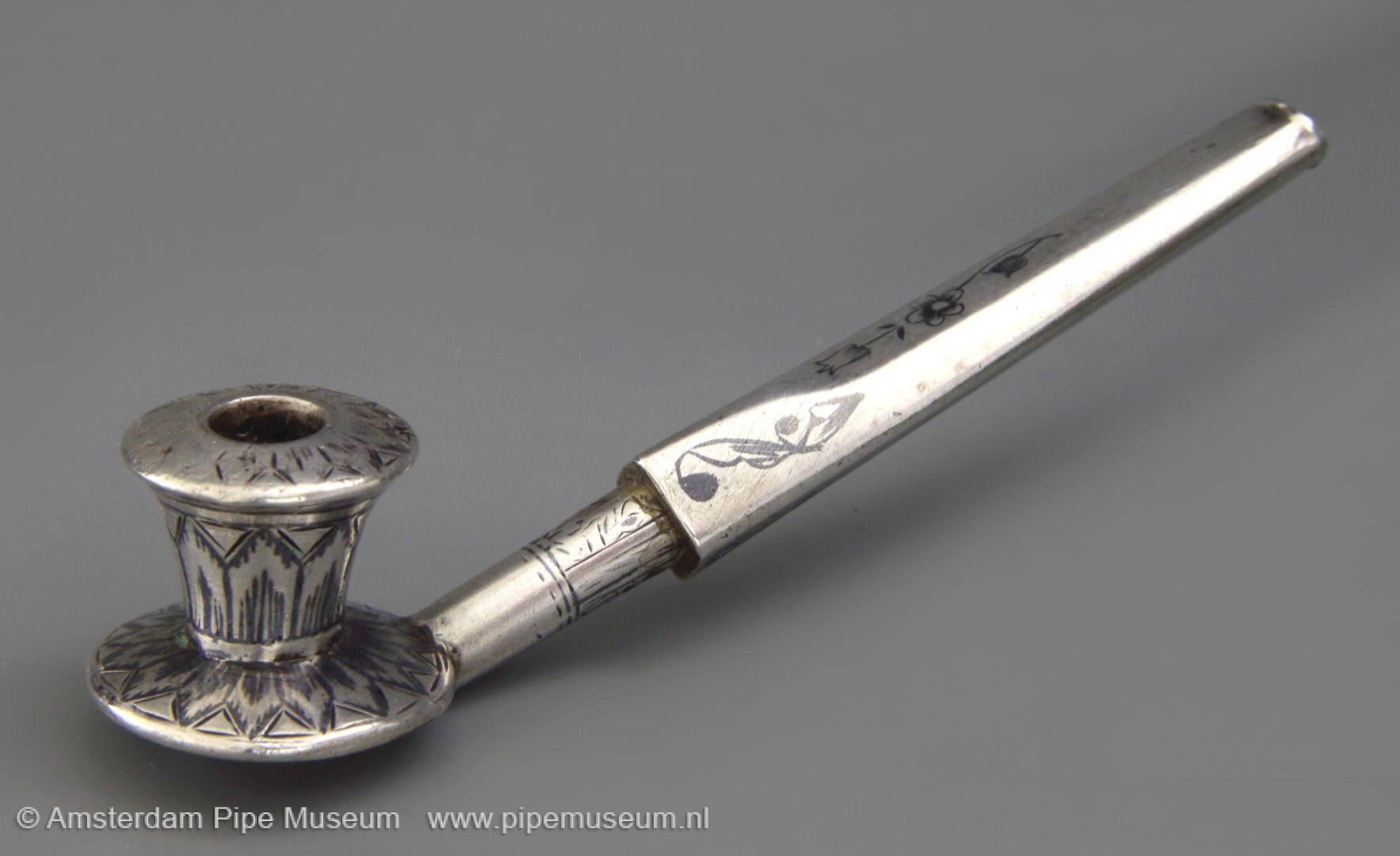
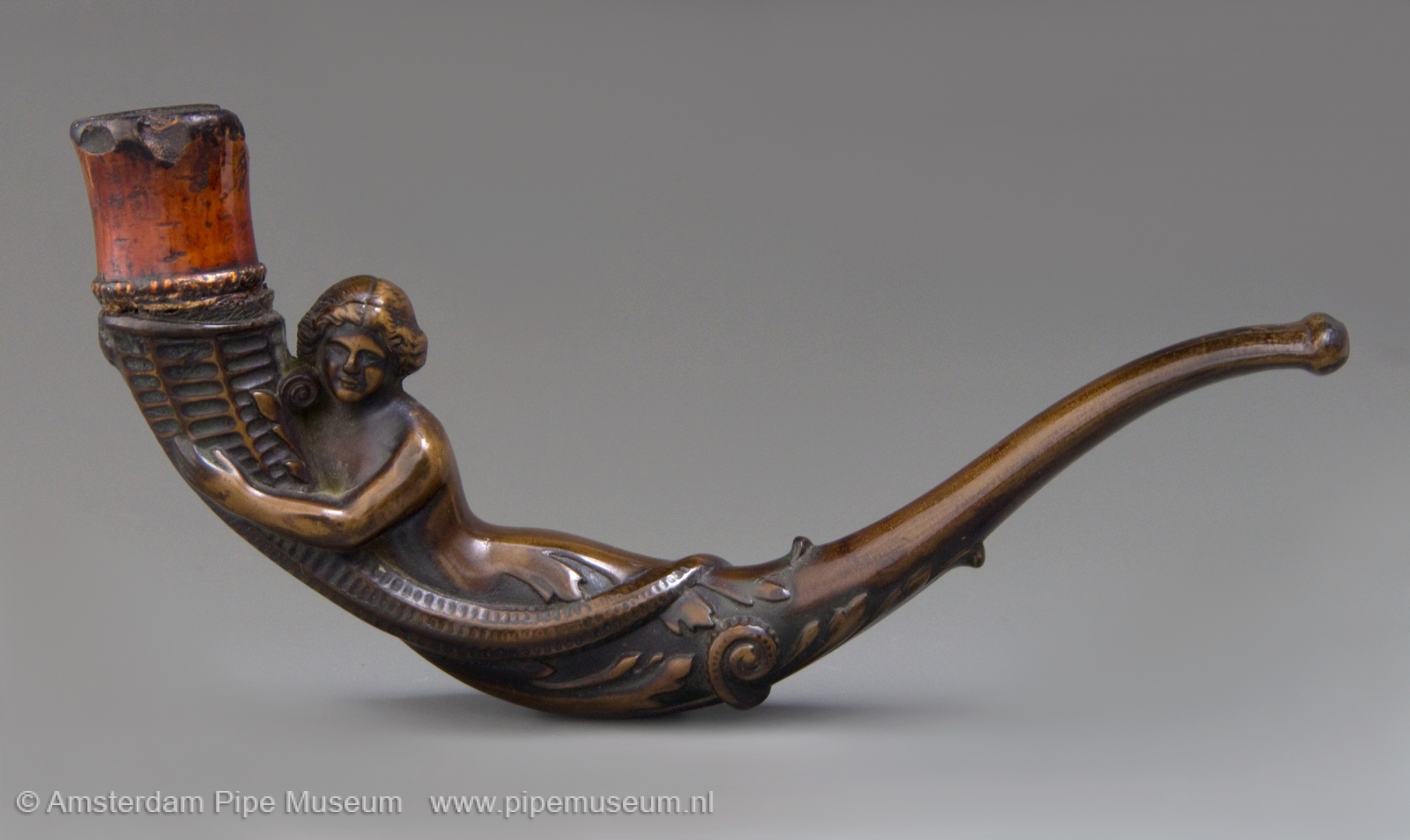
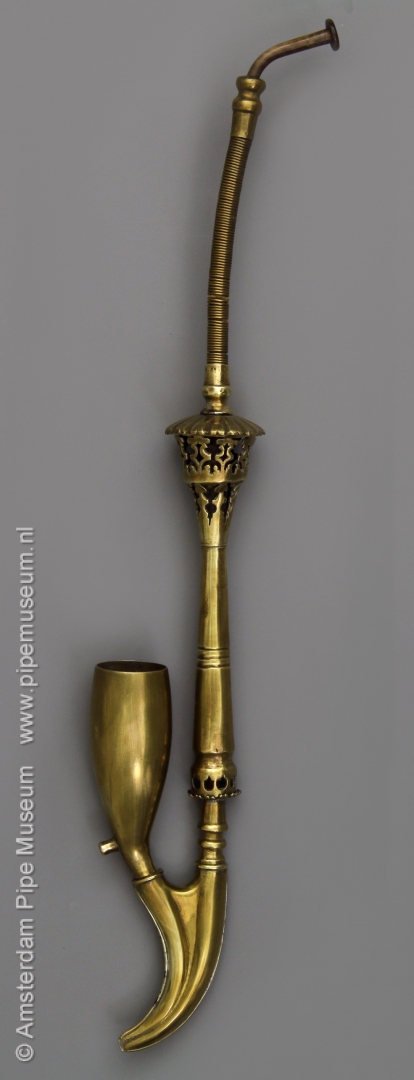
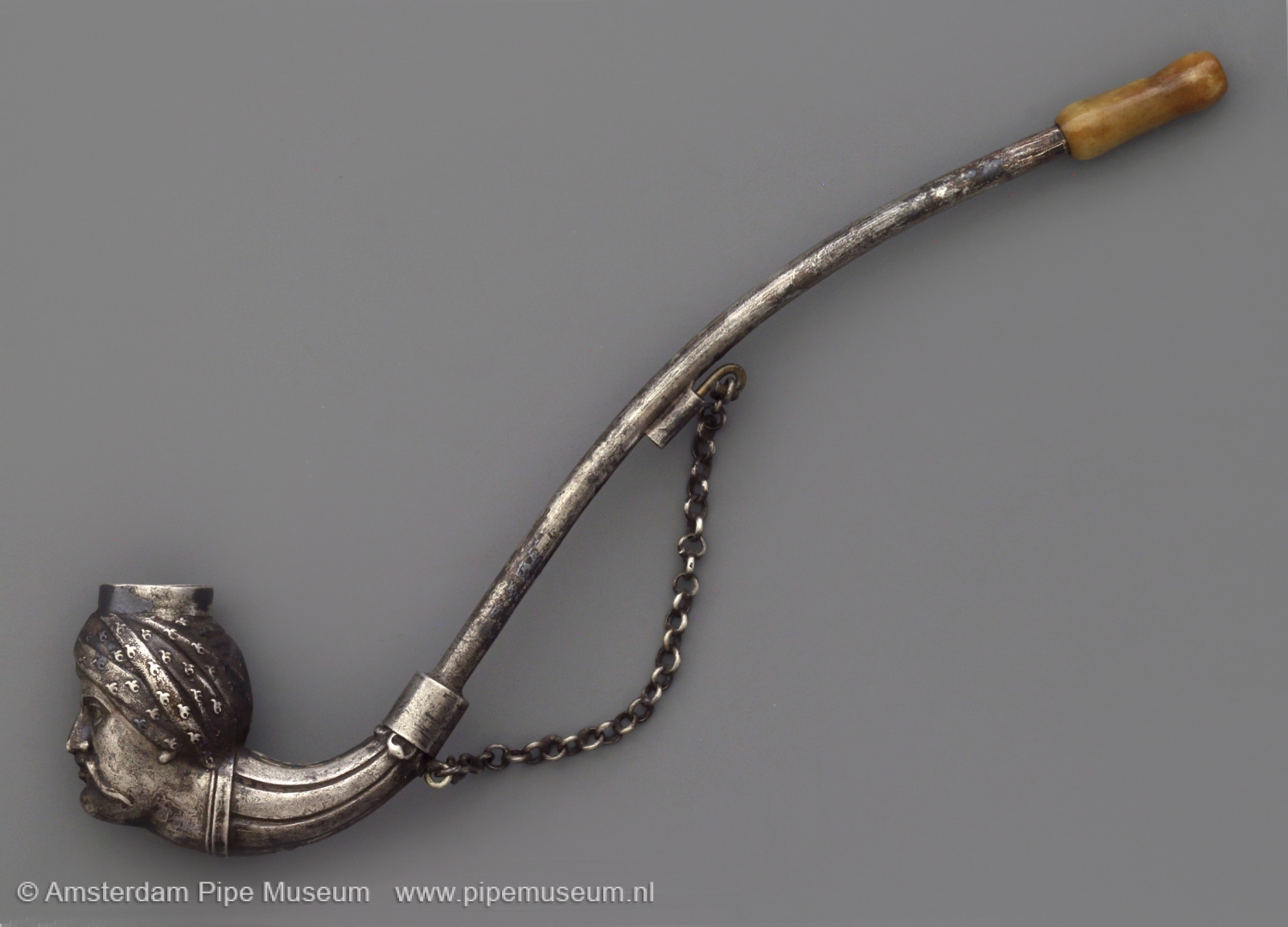
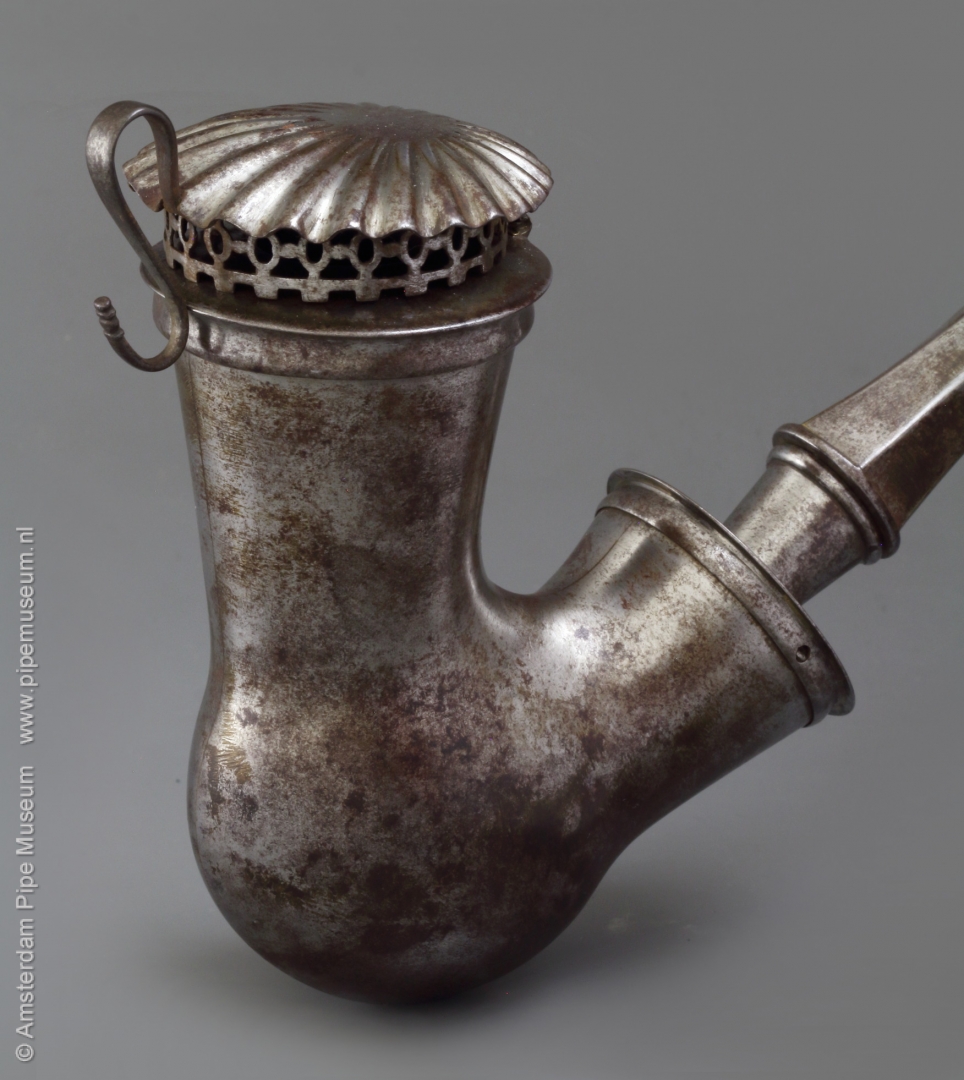
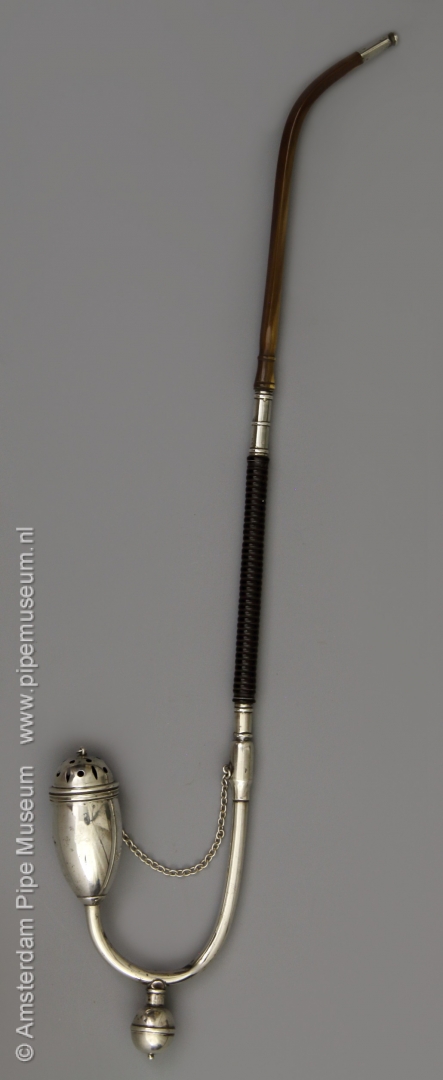
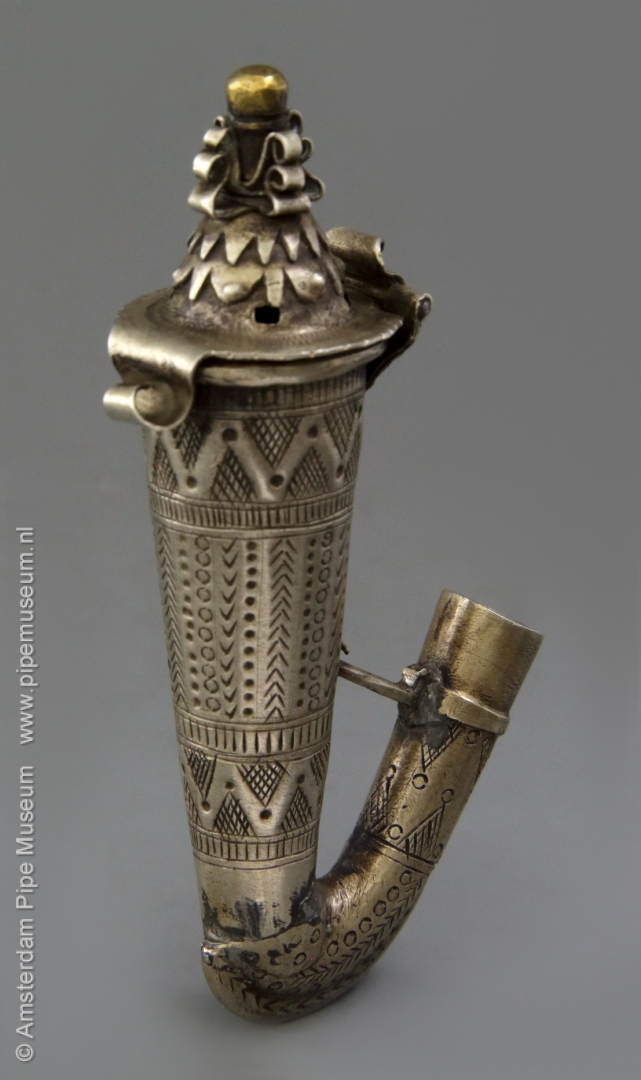
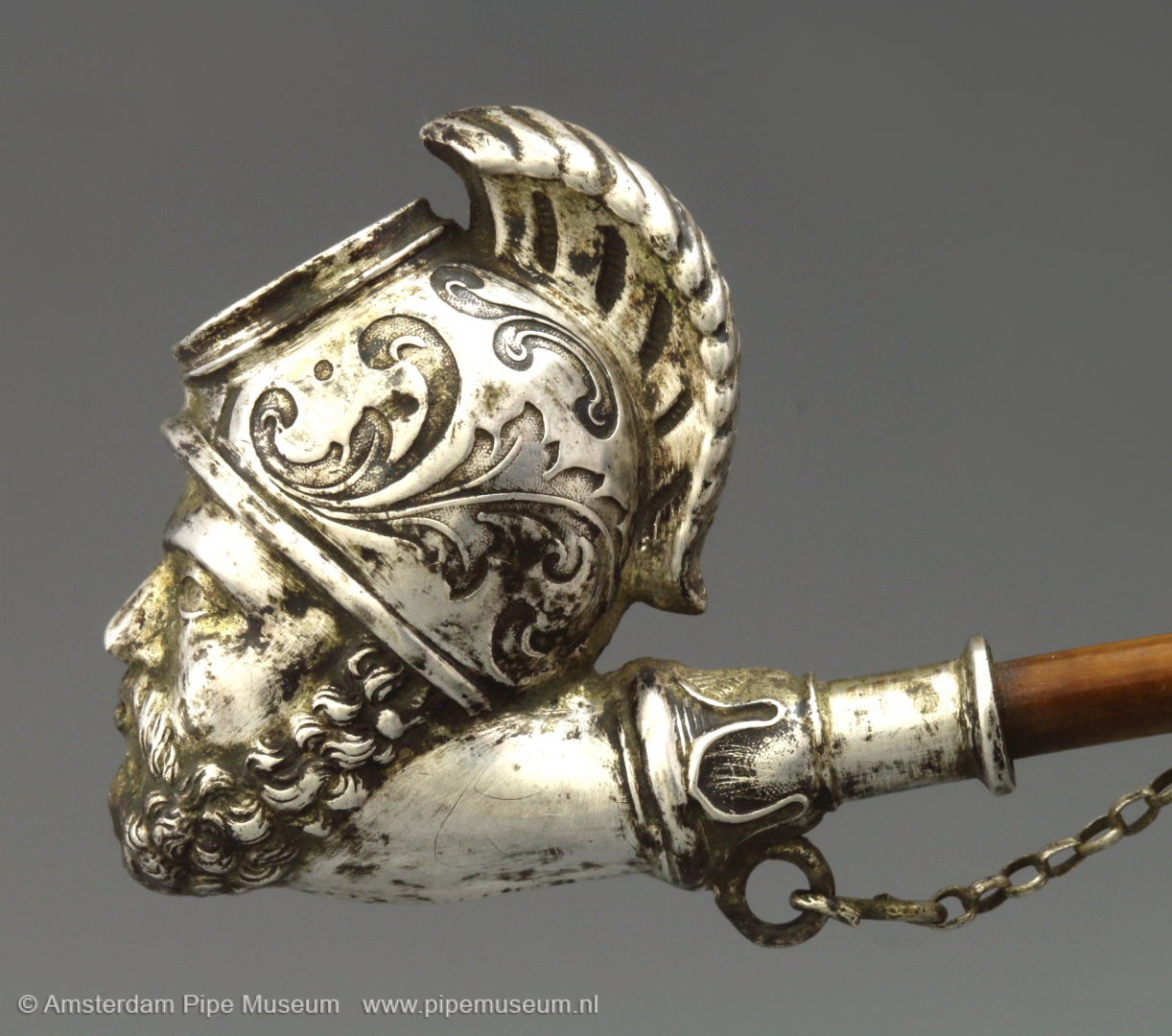
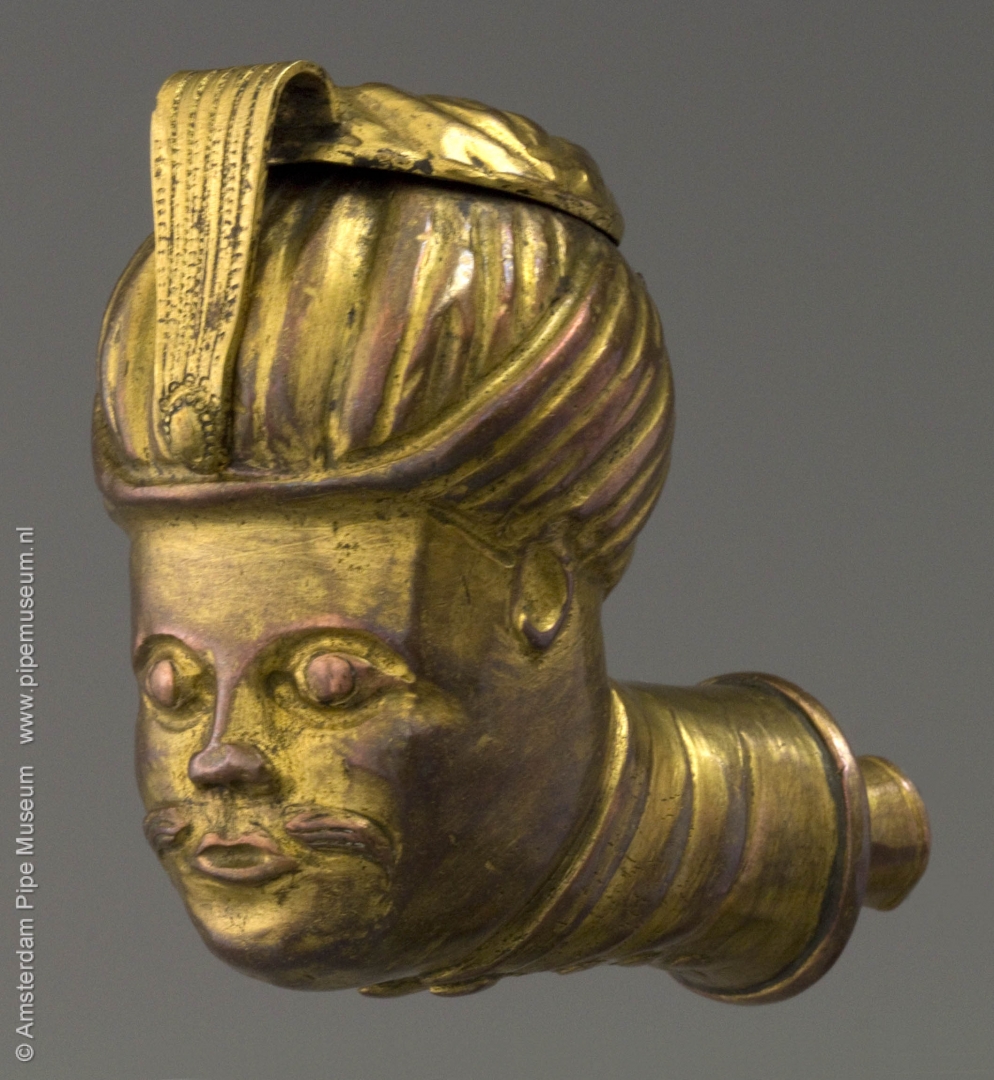
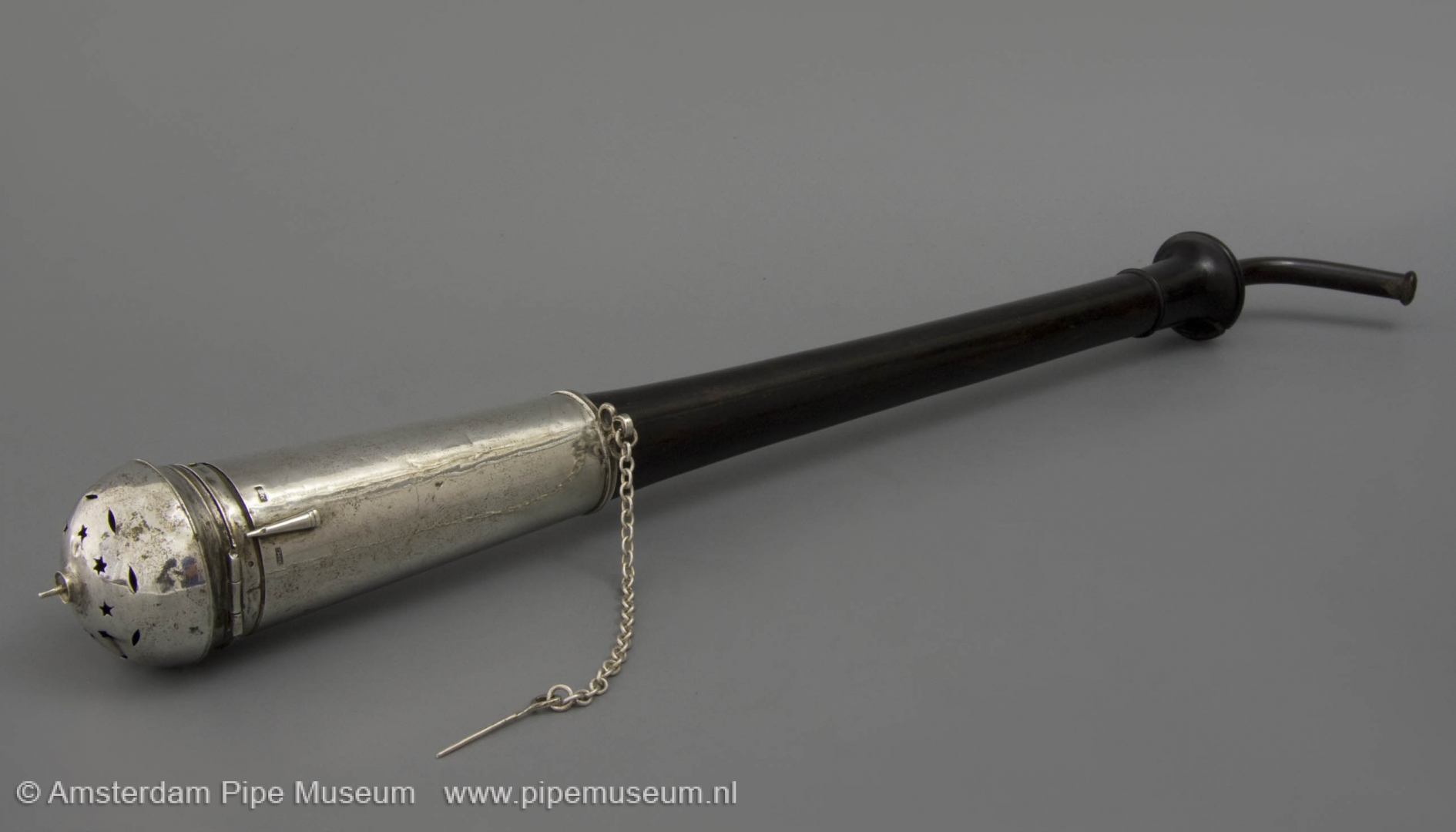
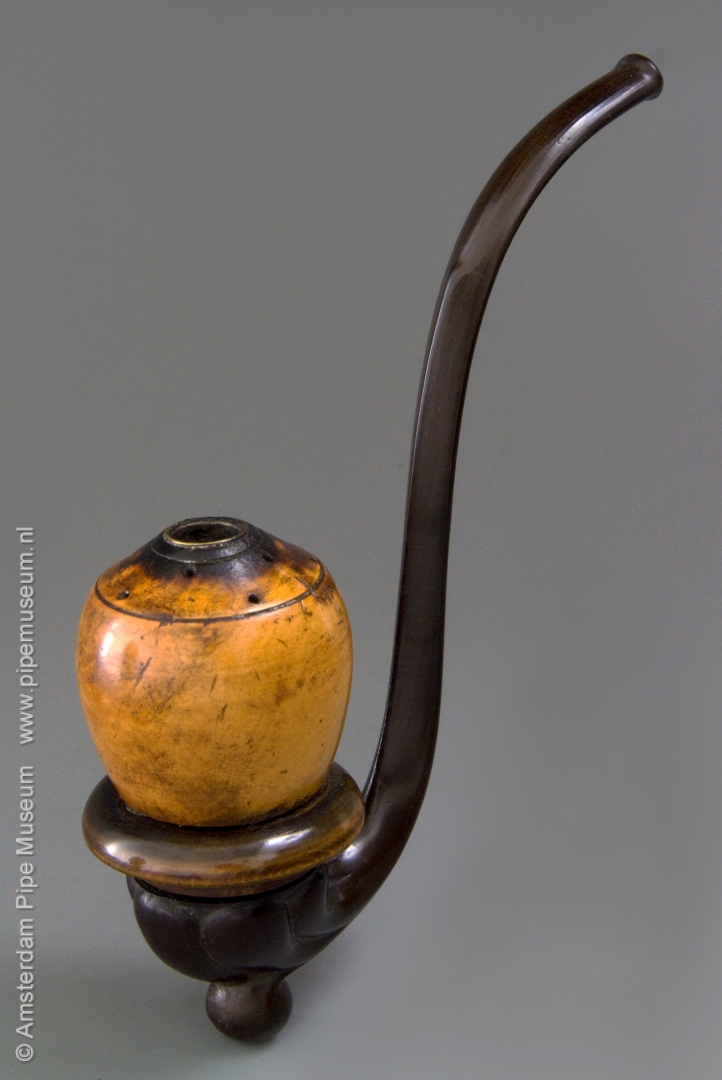
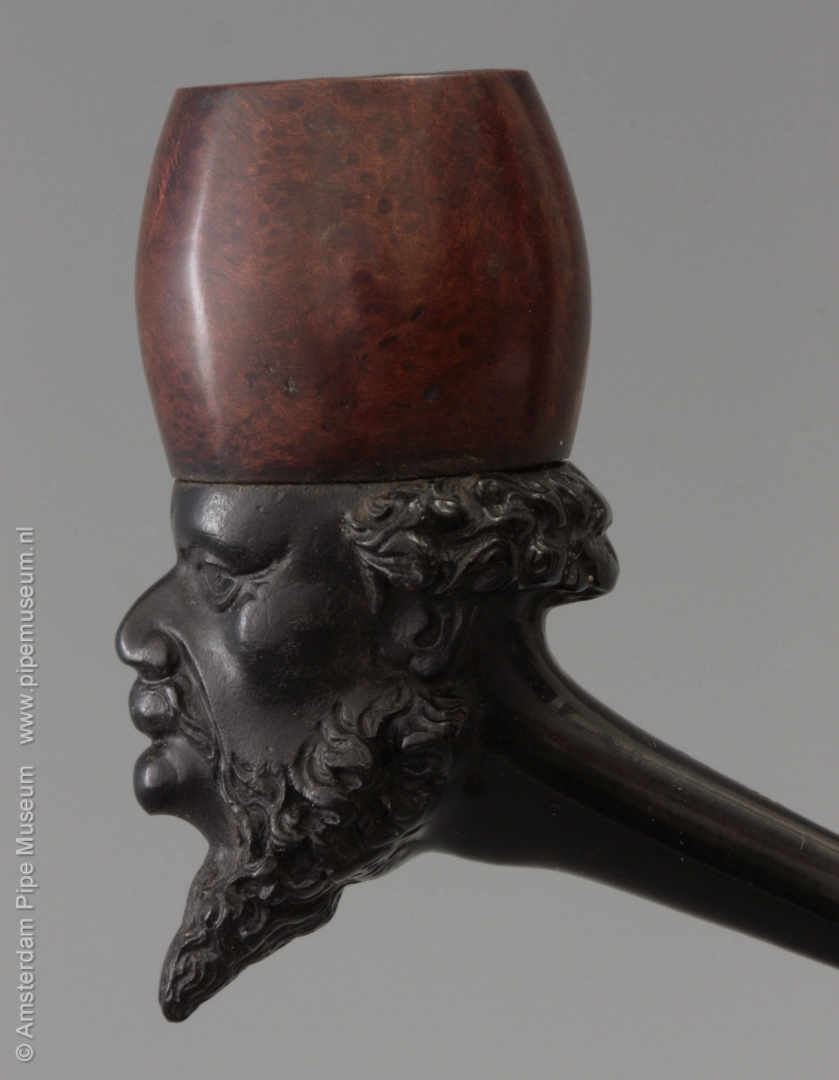
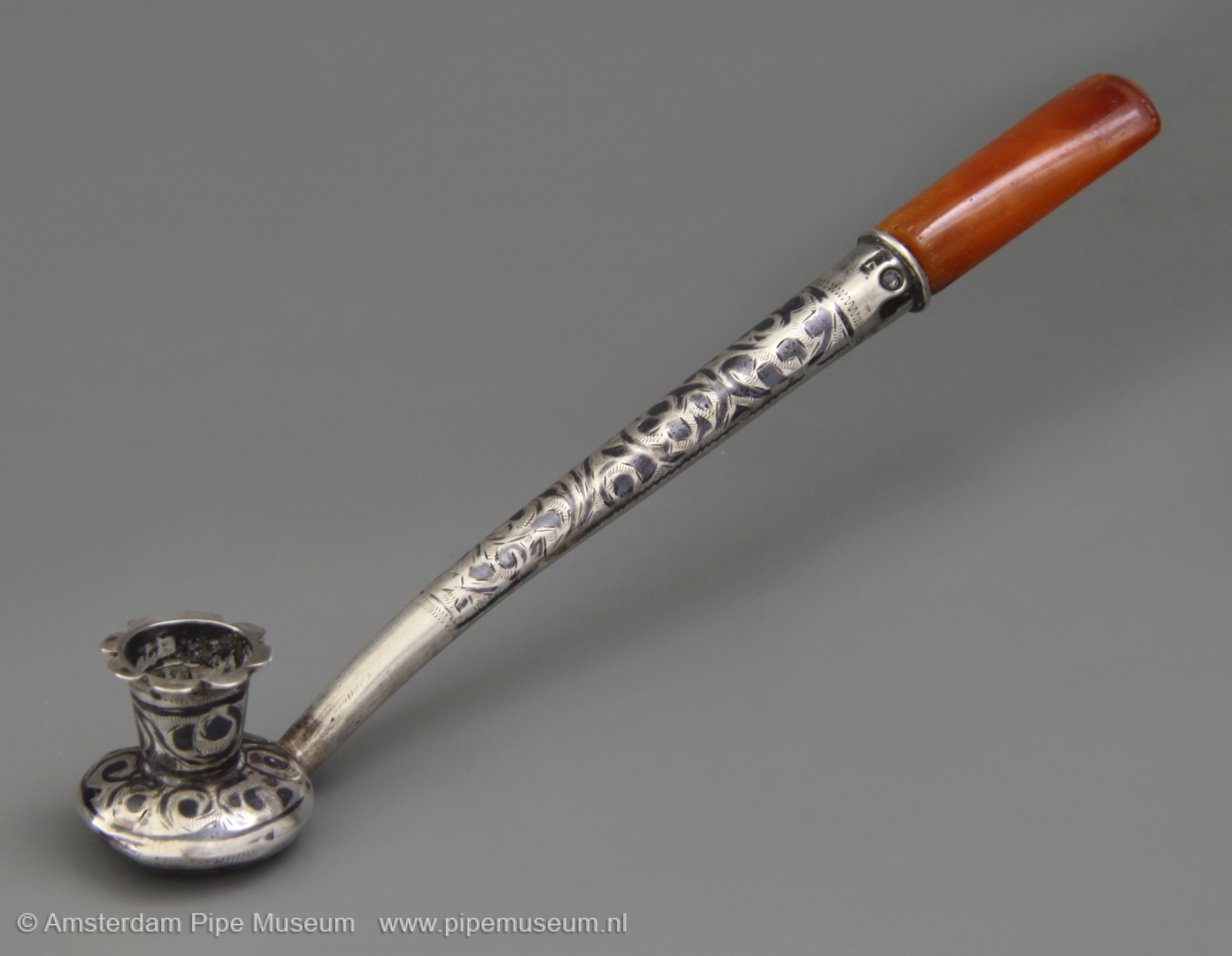
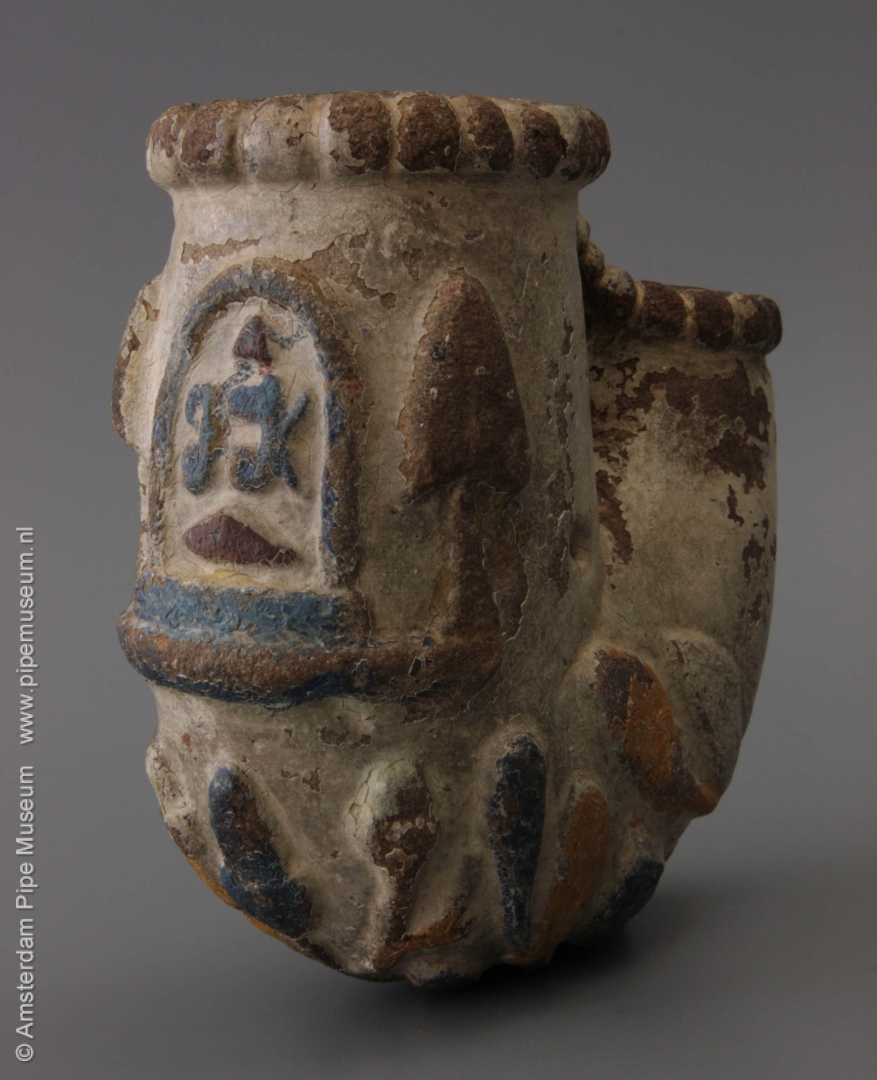
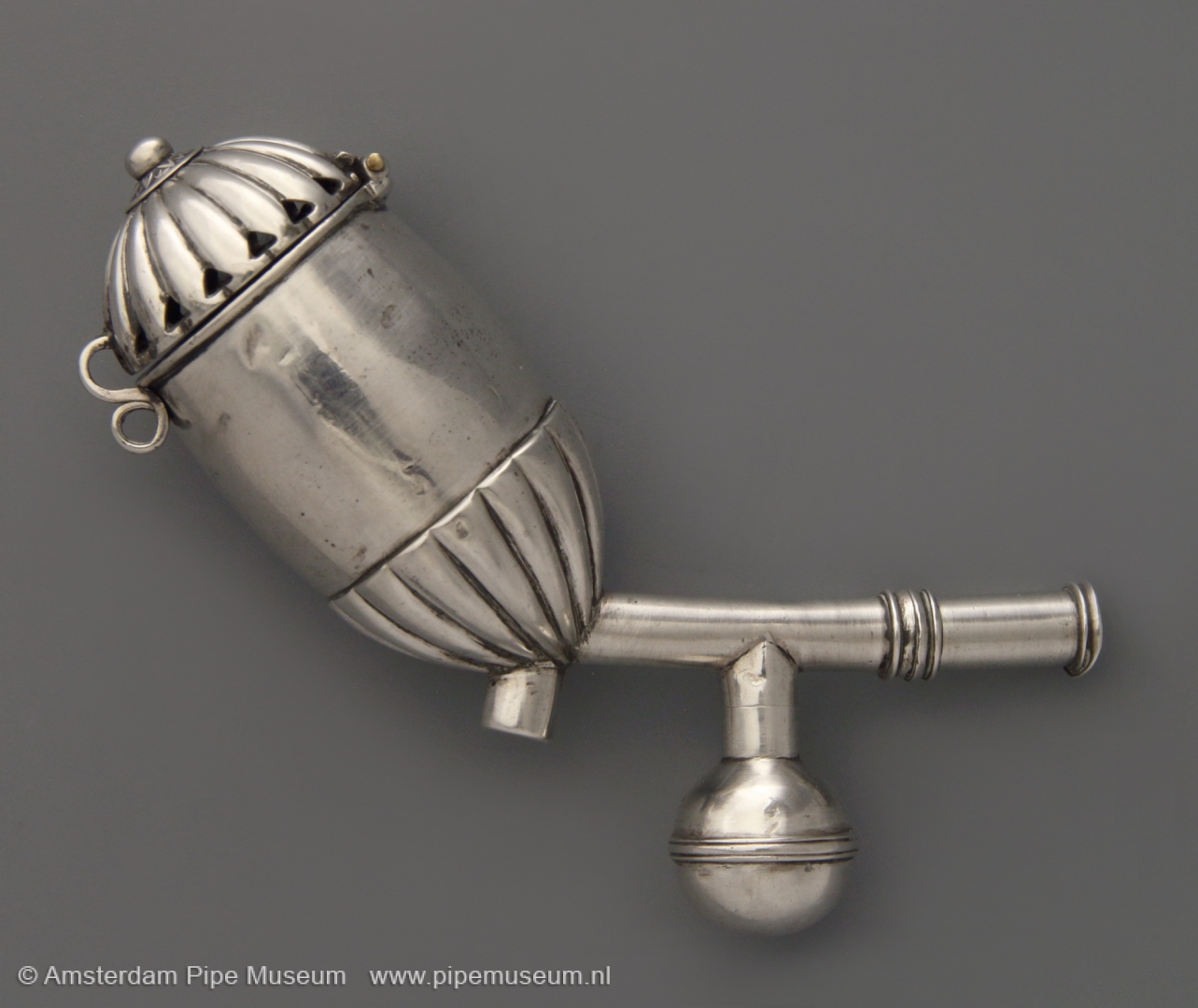
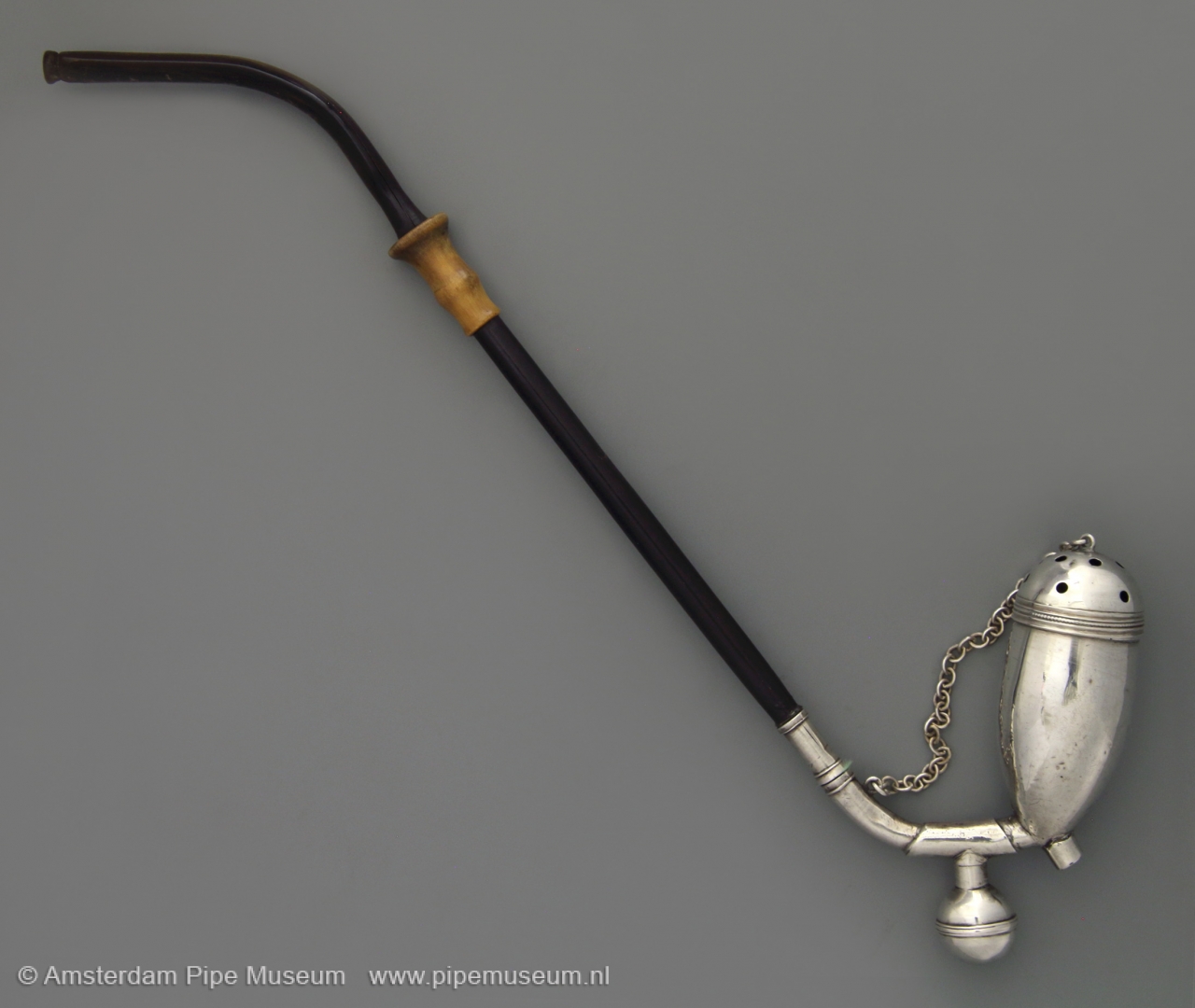
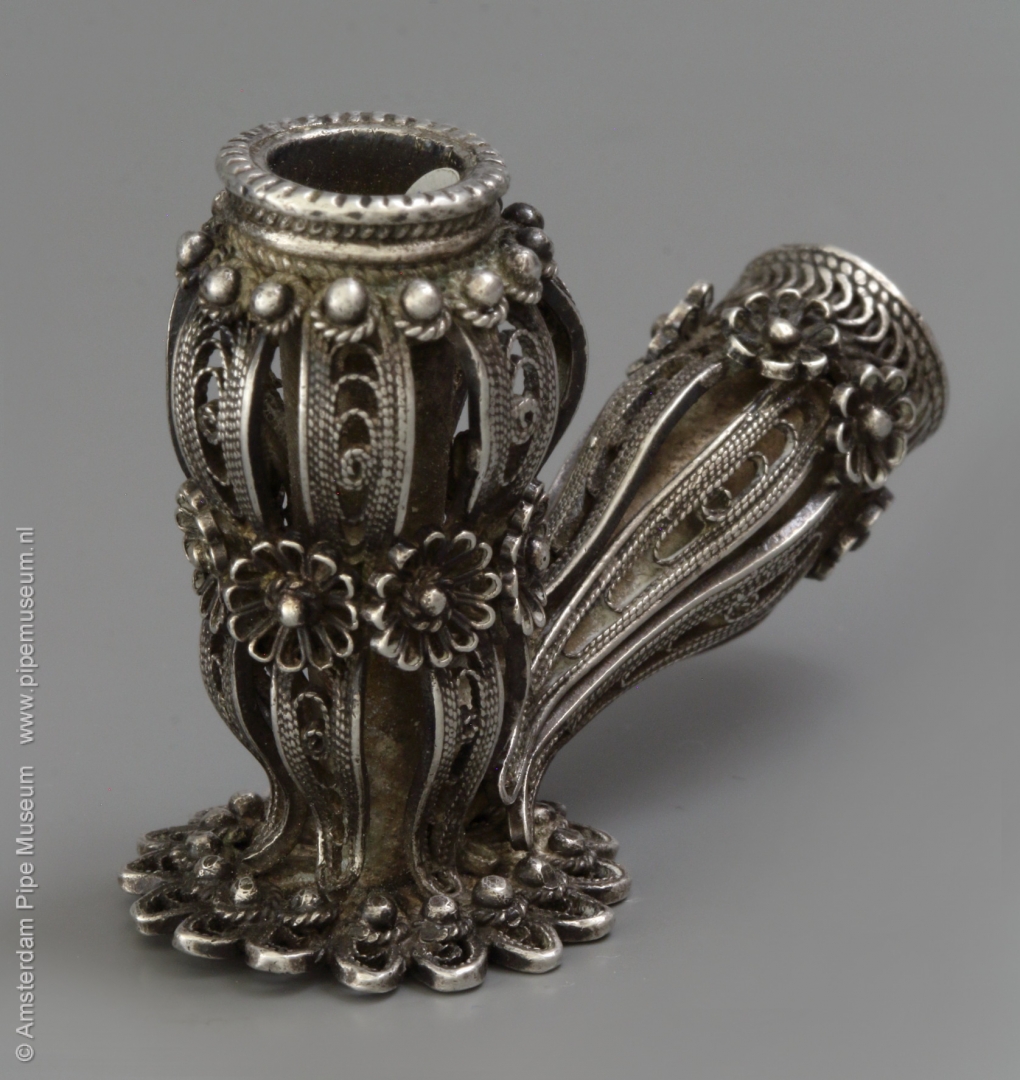
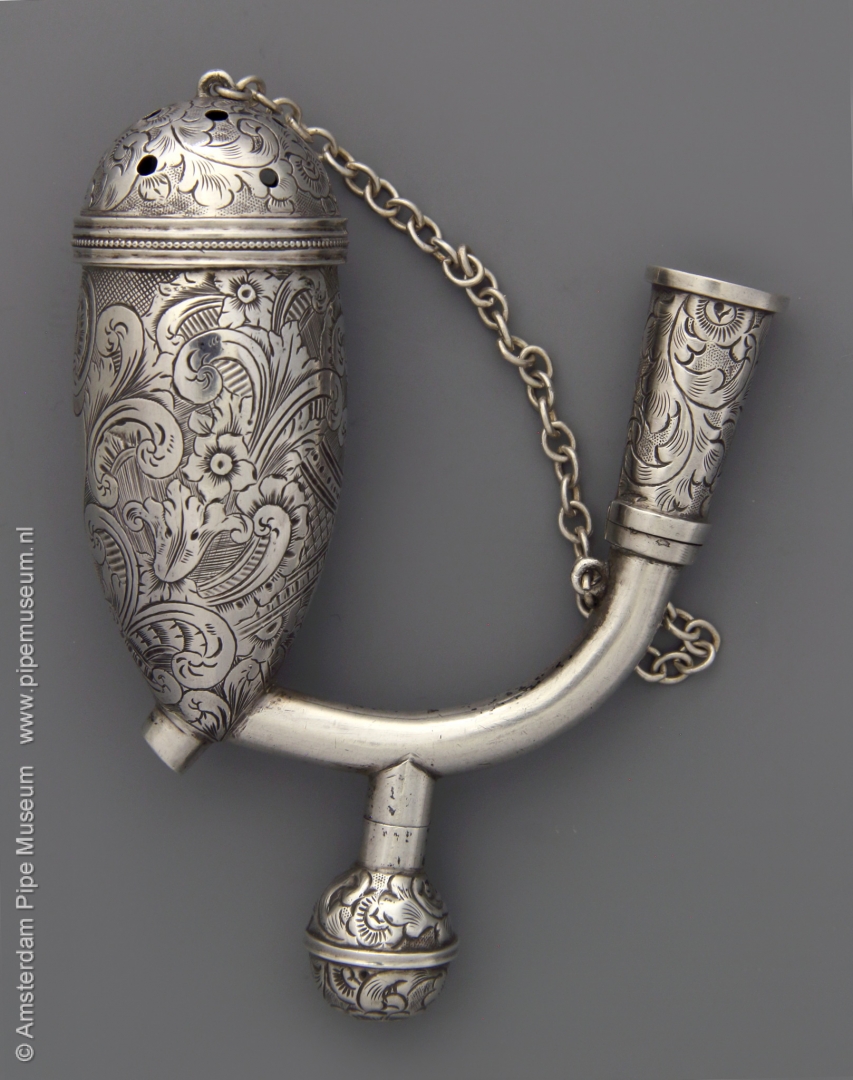
Zijn de materialen klei, meerschuim en hout voor tabakspijpen het meest toegepast, daarnaast bestaan er nog genoeg andere mogelijkheden. Ze zijn duidelijk minder courant omdat veel materialen geen goede rookeigenschappen bieden. Zo geleidt metaal de hitte van de smeulende tabak. Toch zien we pijpen van brons, ijzer, aluminium of zilver. Kleine pijpjes van ijzer deden al in de zeventiende eeuw dienst als alternatief voor de breekbare kleipijp. Ze werden toen als soldatenpijpen gekwalificeerd, dankzij hun duurzaamheid. In latere tijden kwamen daar om de status pijpen van zilver bij. Die fungeerden als luxe alternatief voor de kleipijp en niet verwonderlijk is hun vormgeving daarop ook gebaseerd.
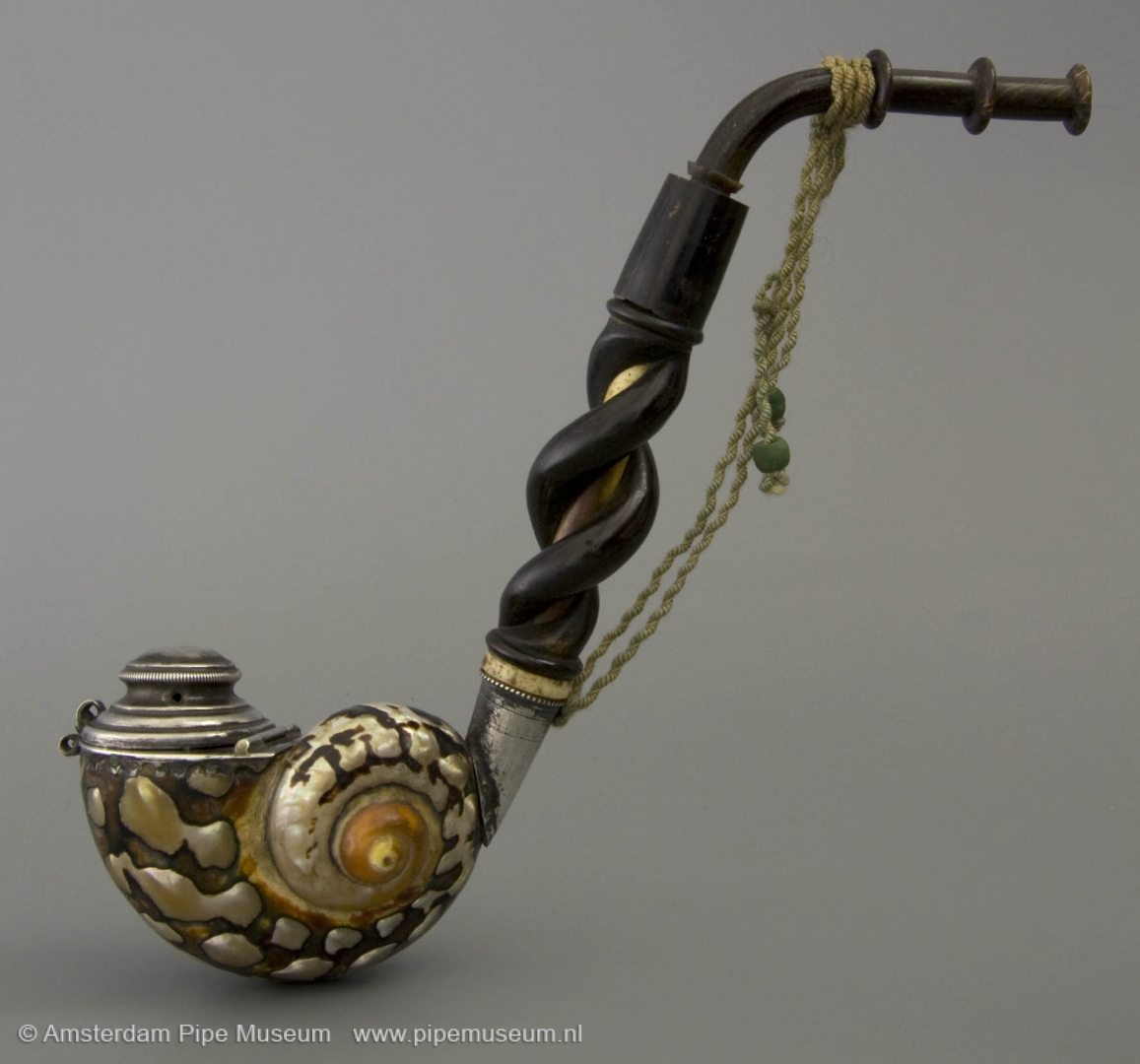
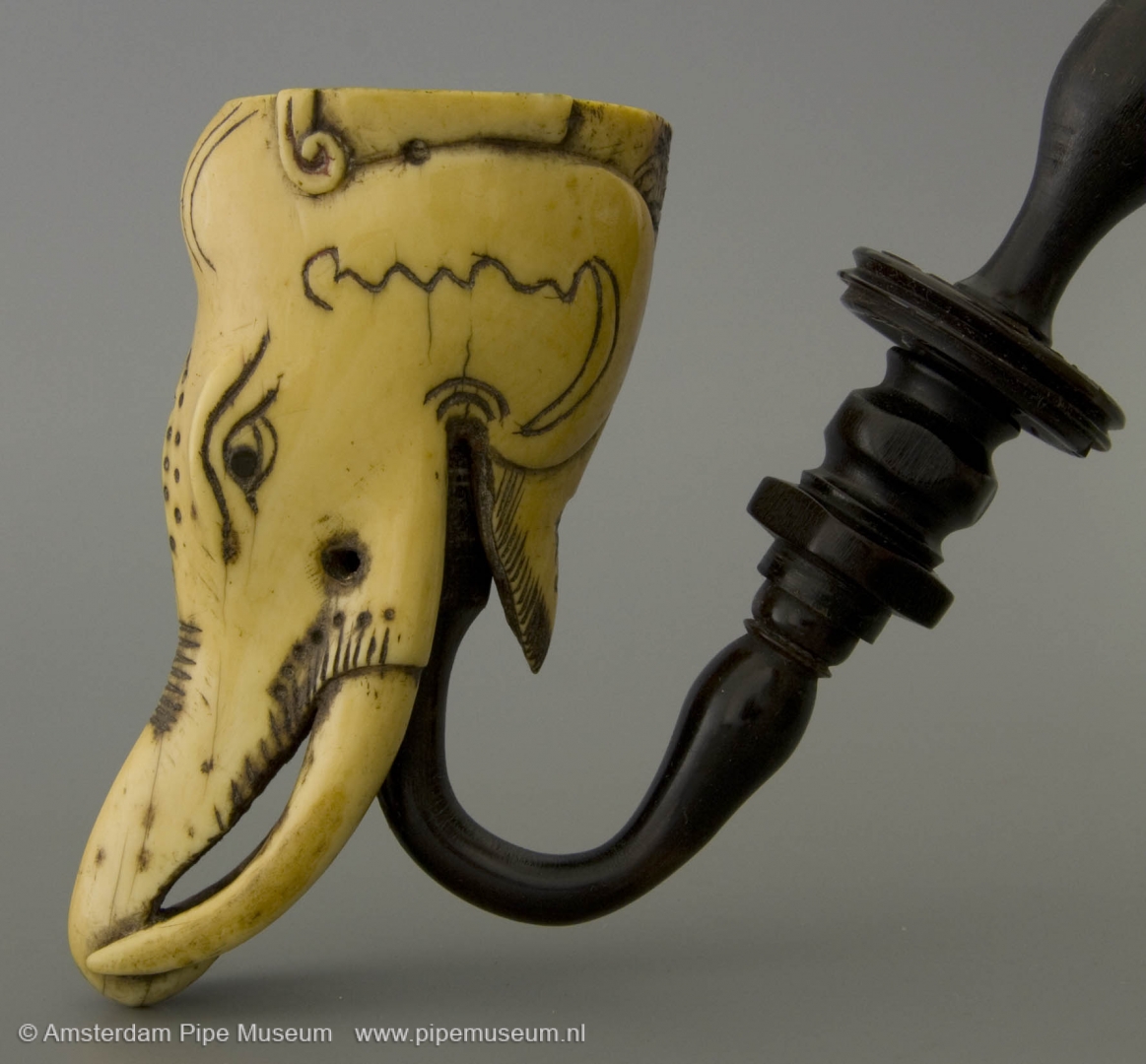
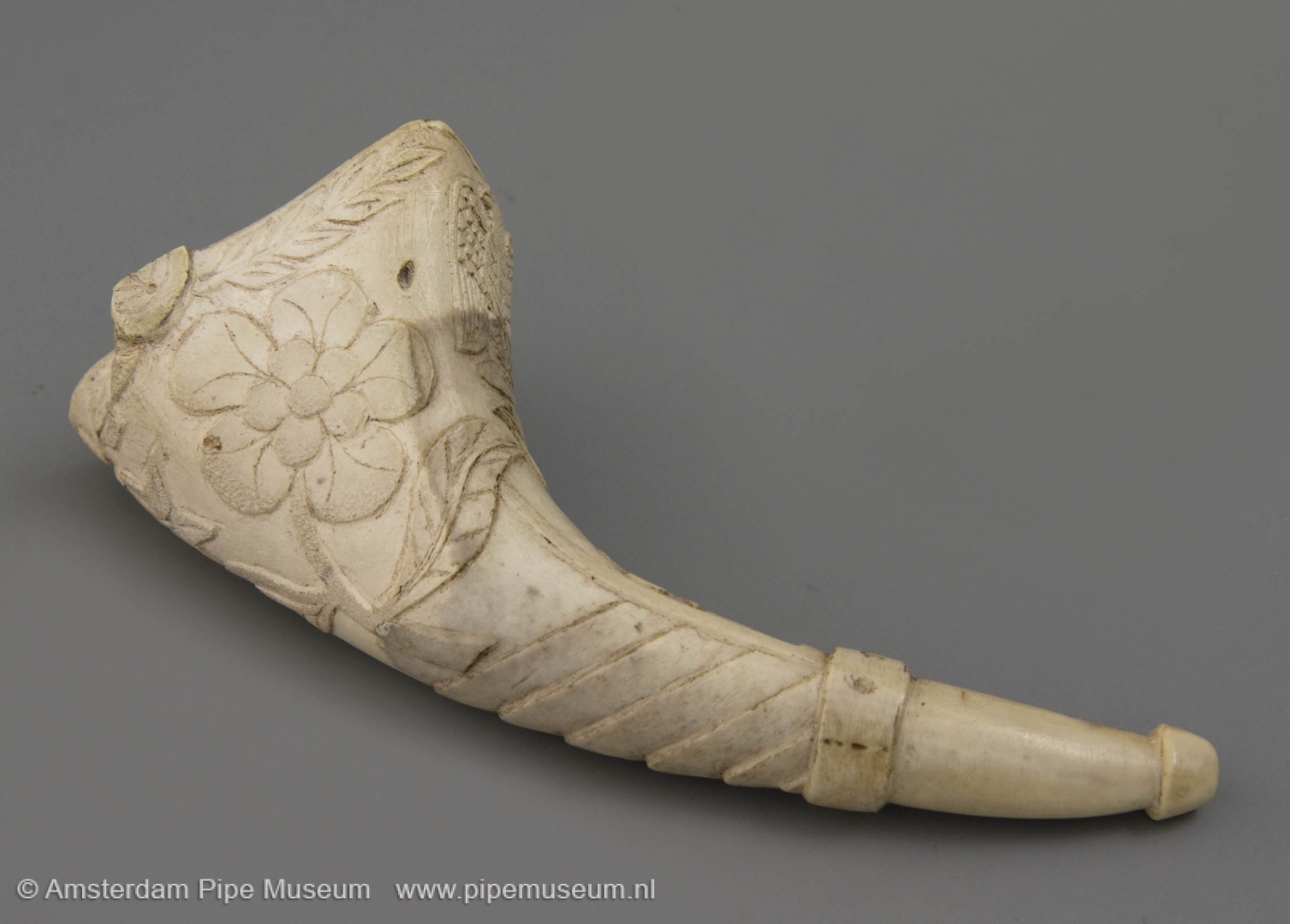
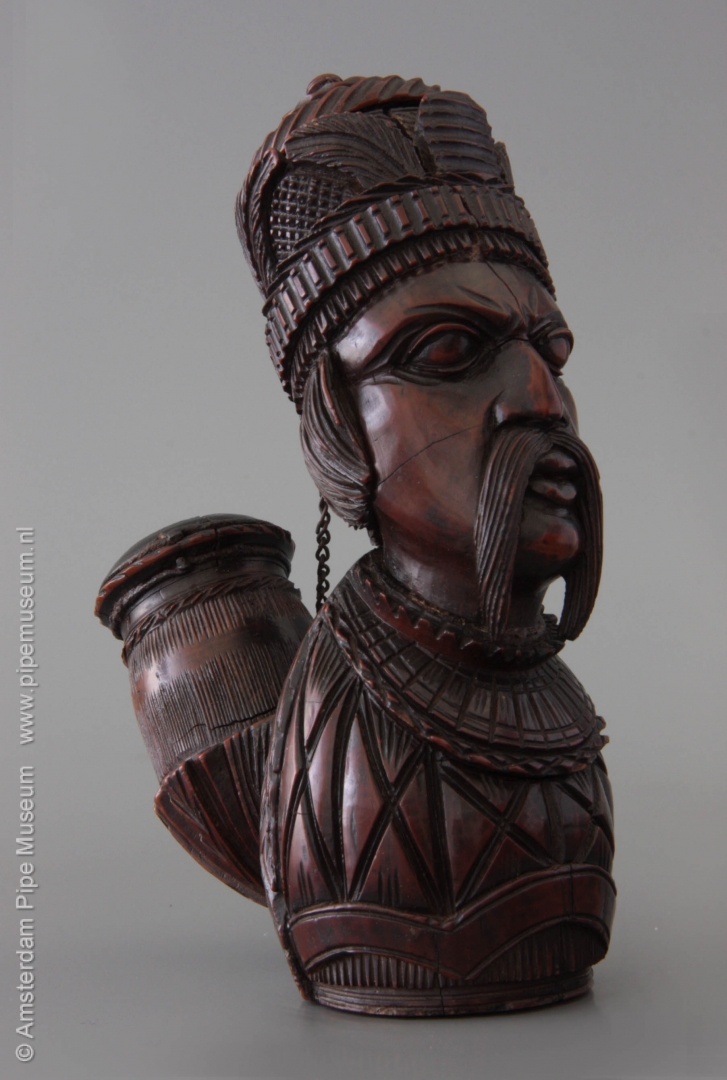
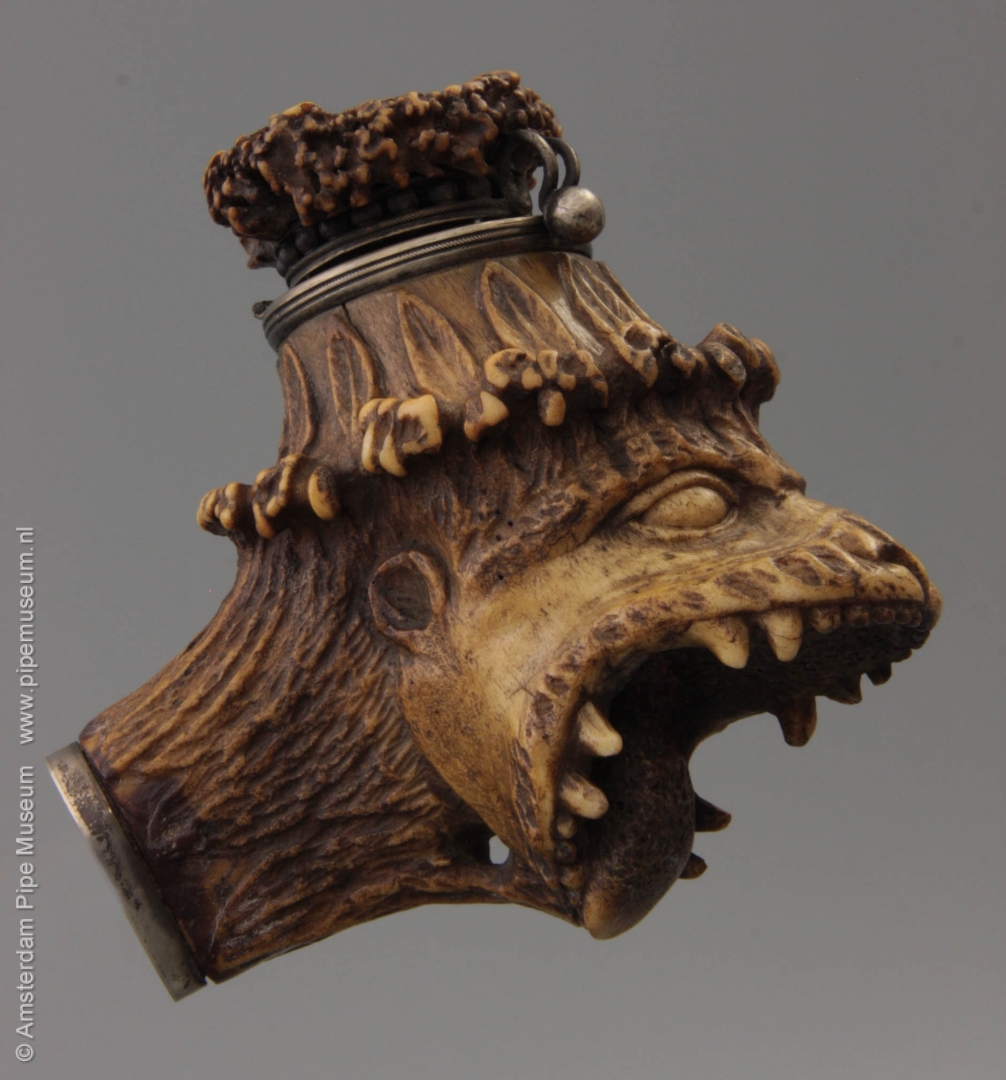
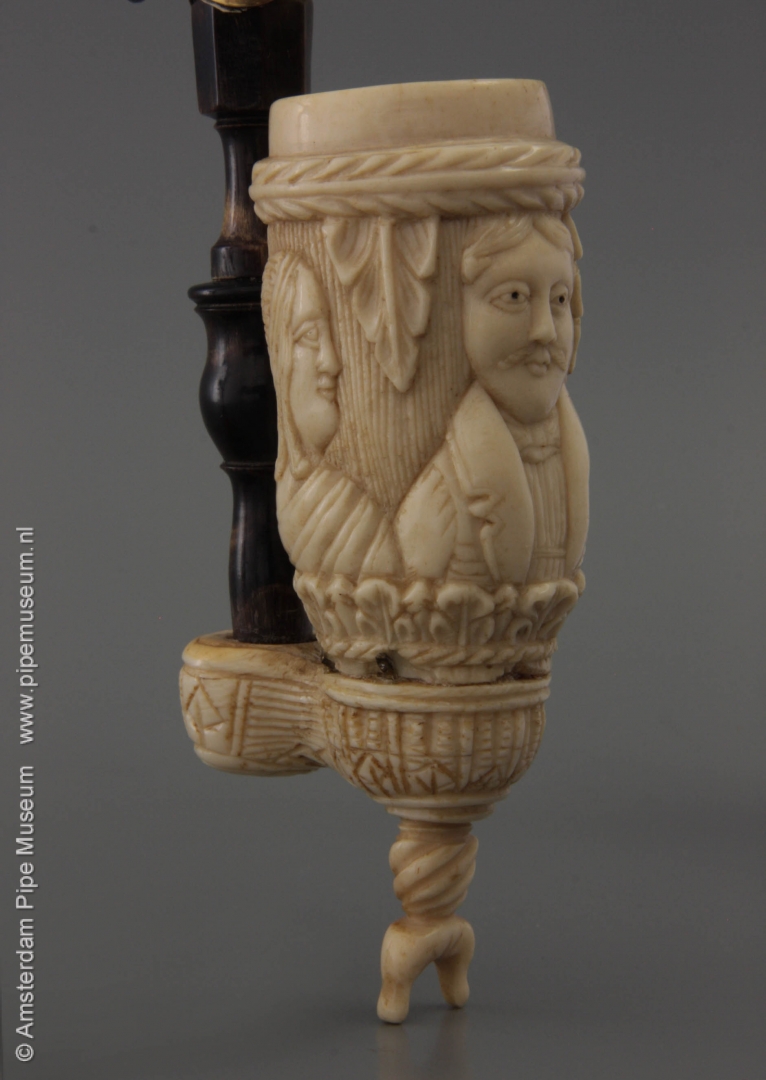
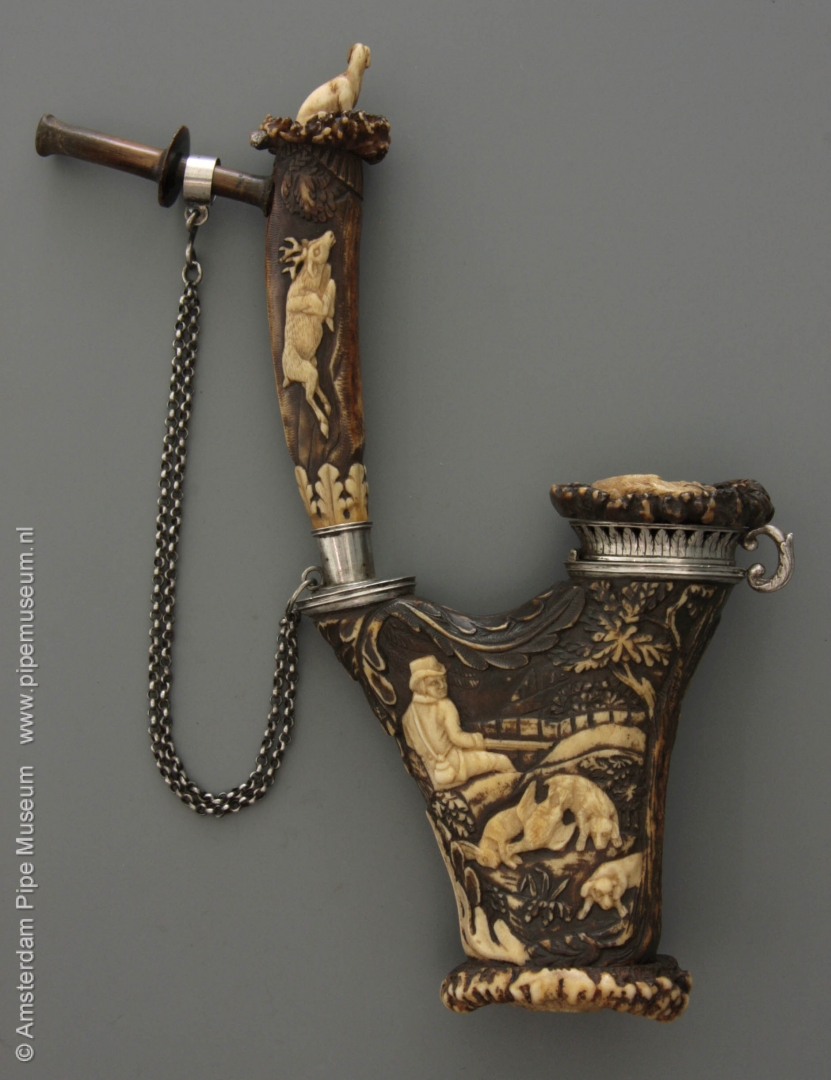
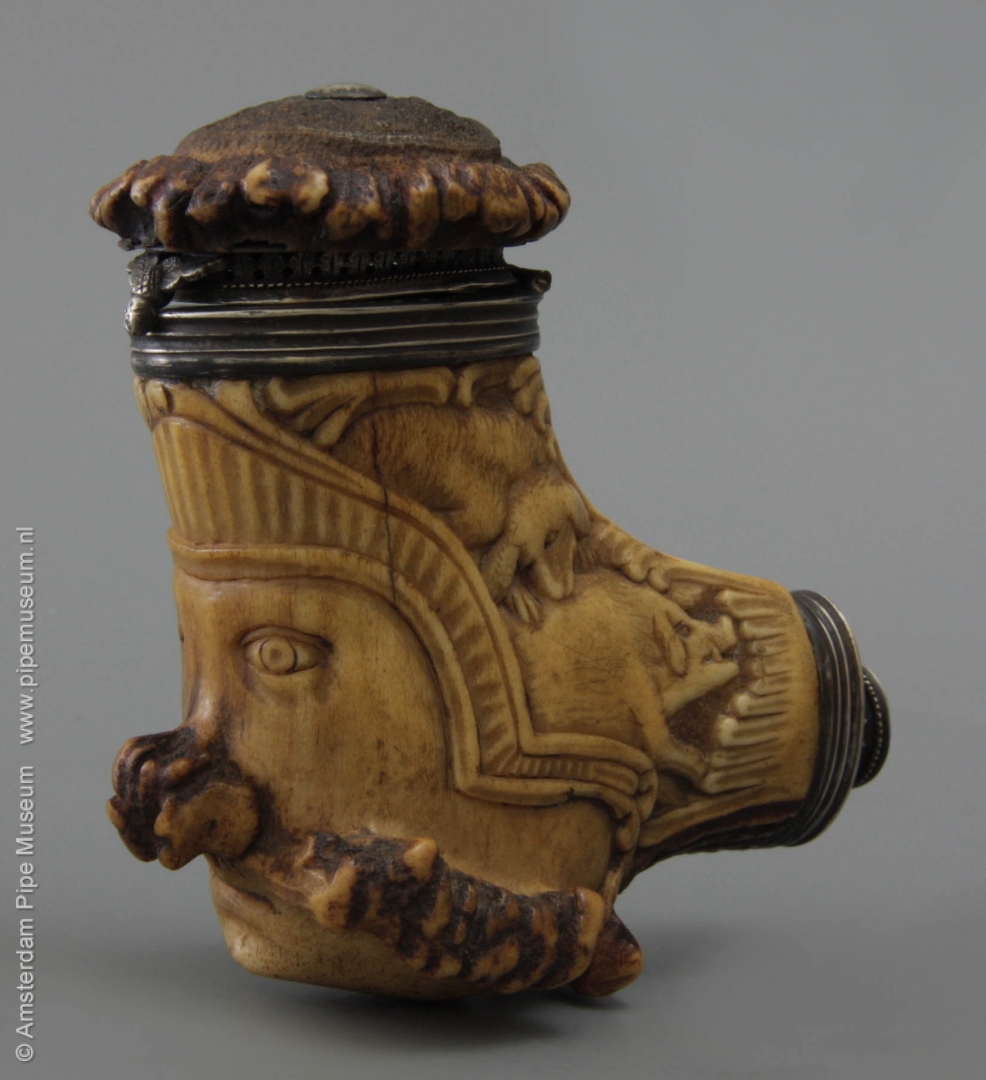
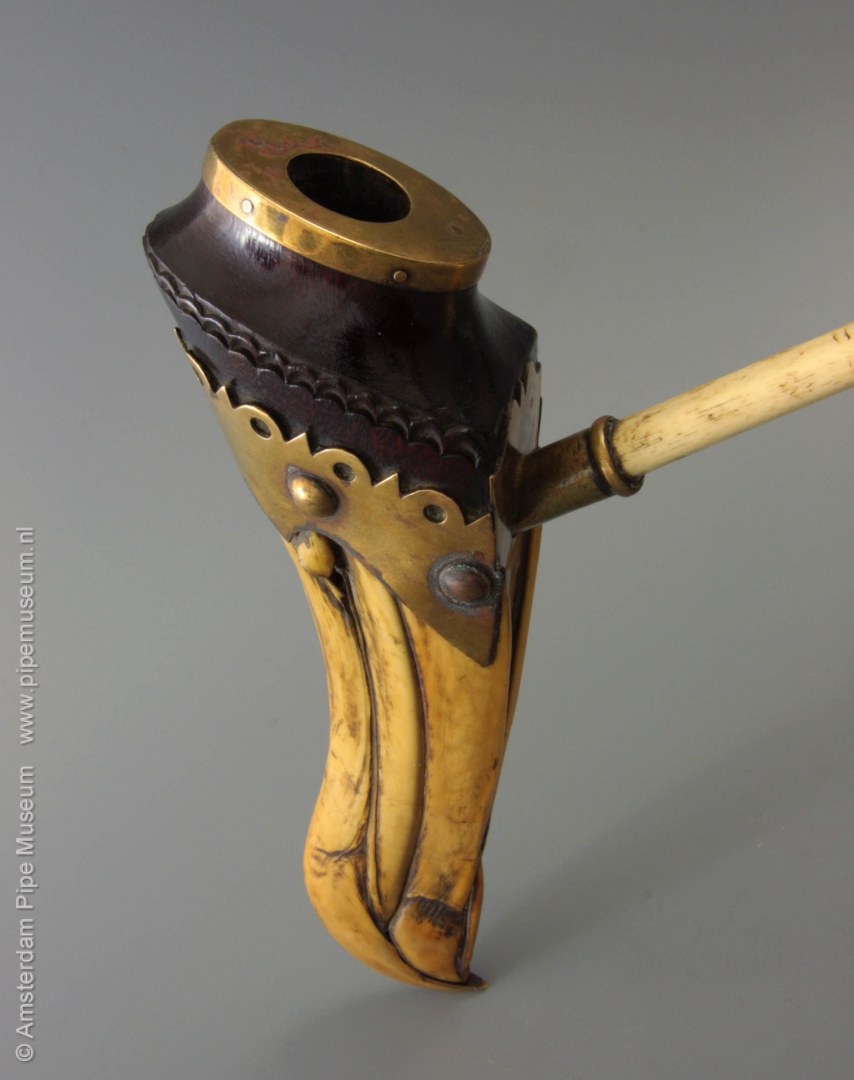
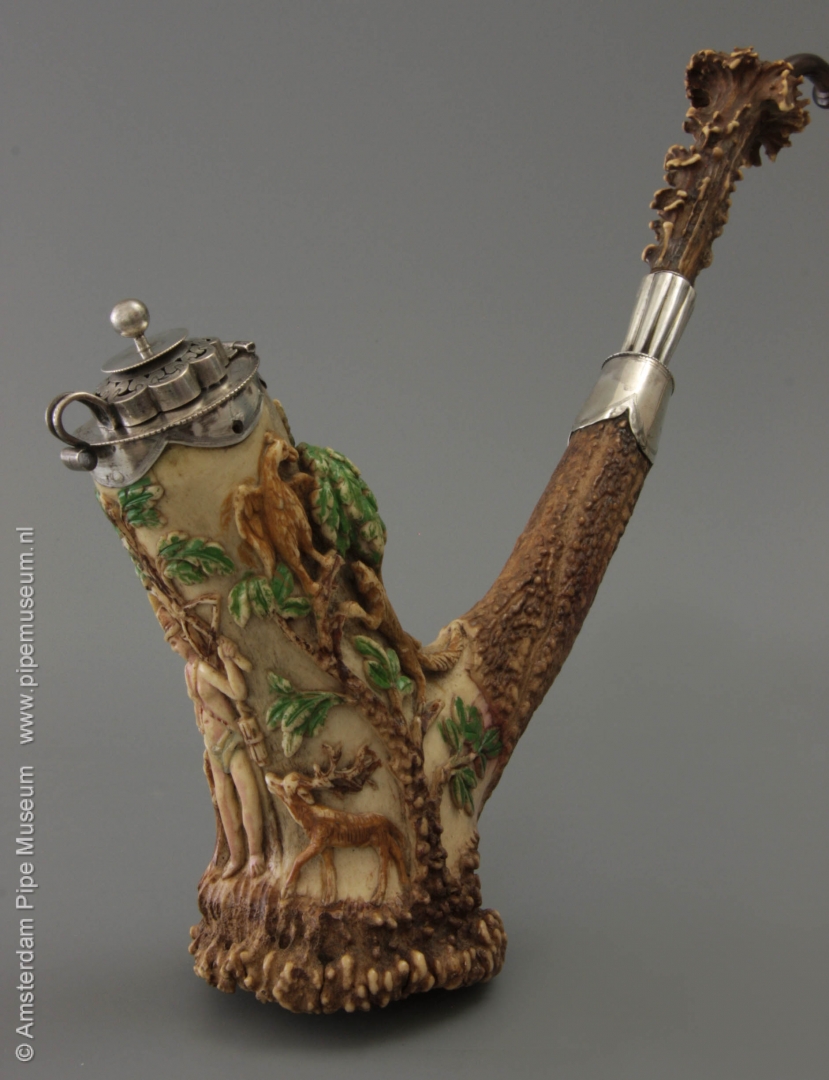
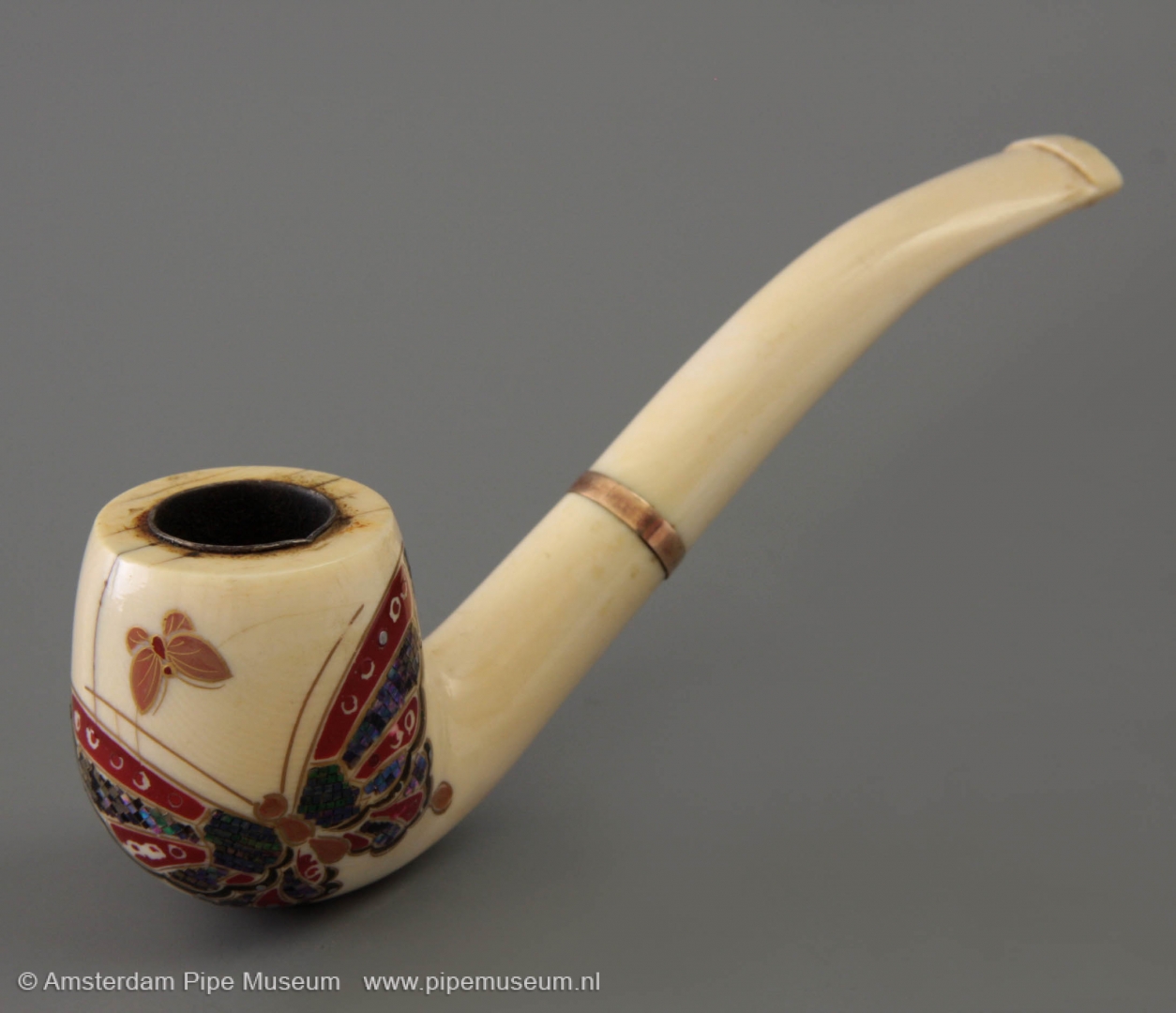
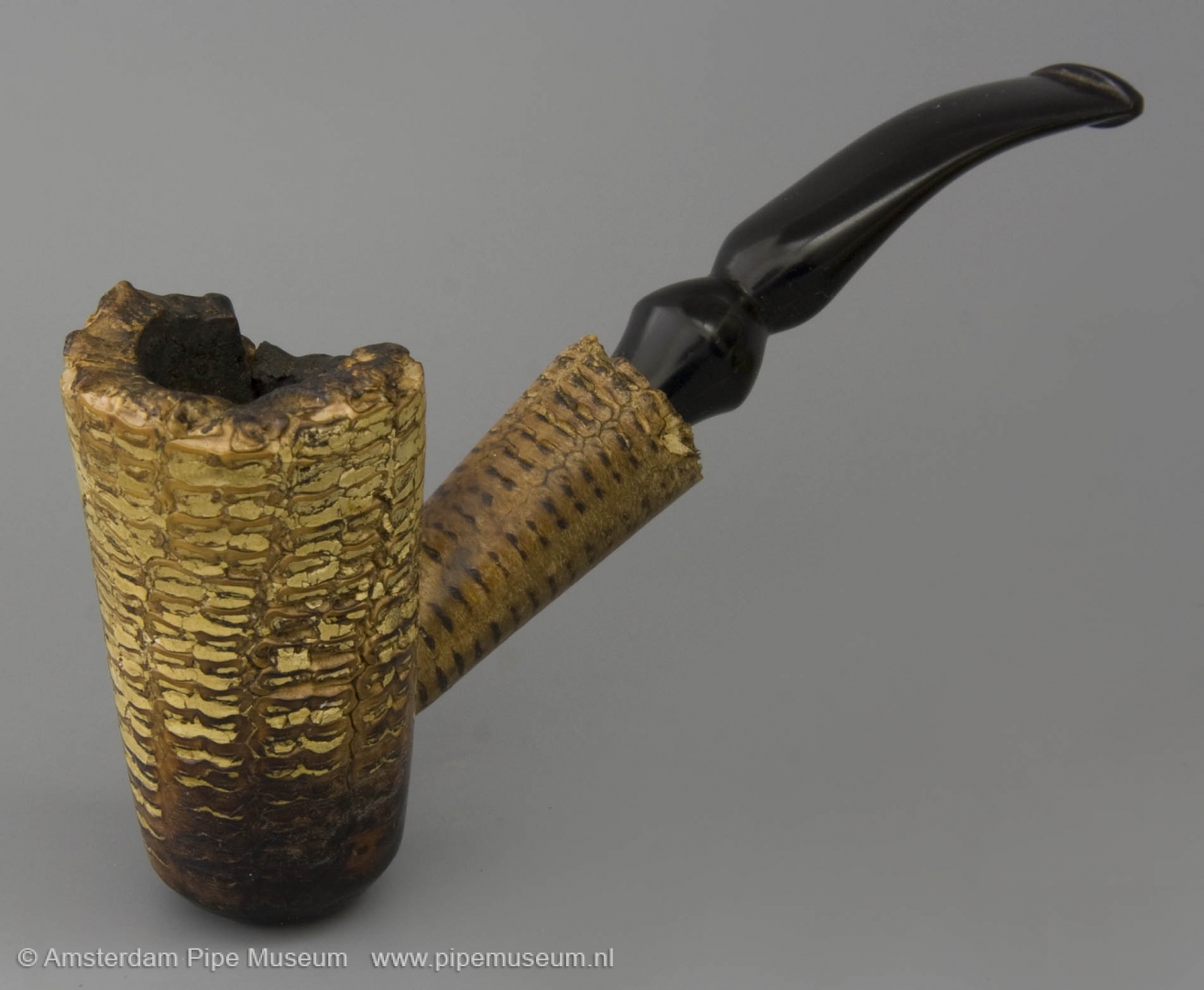
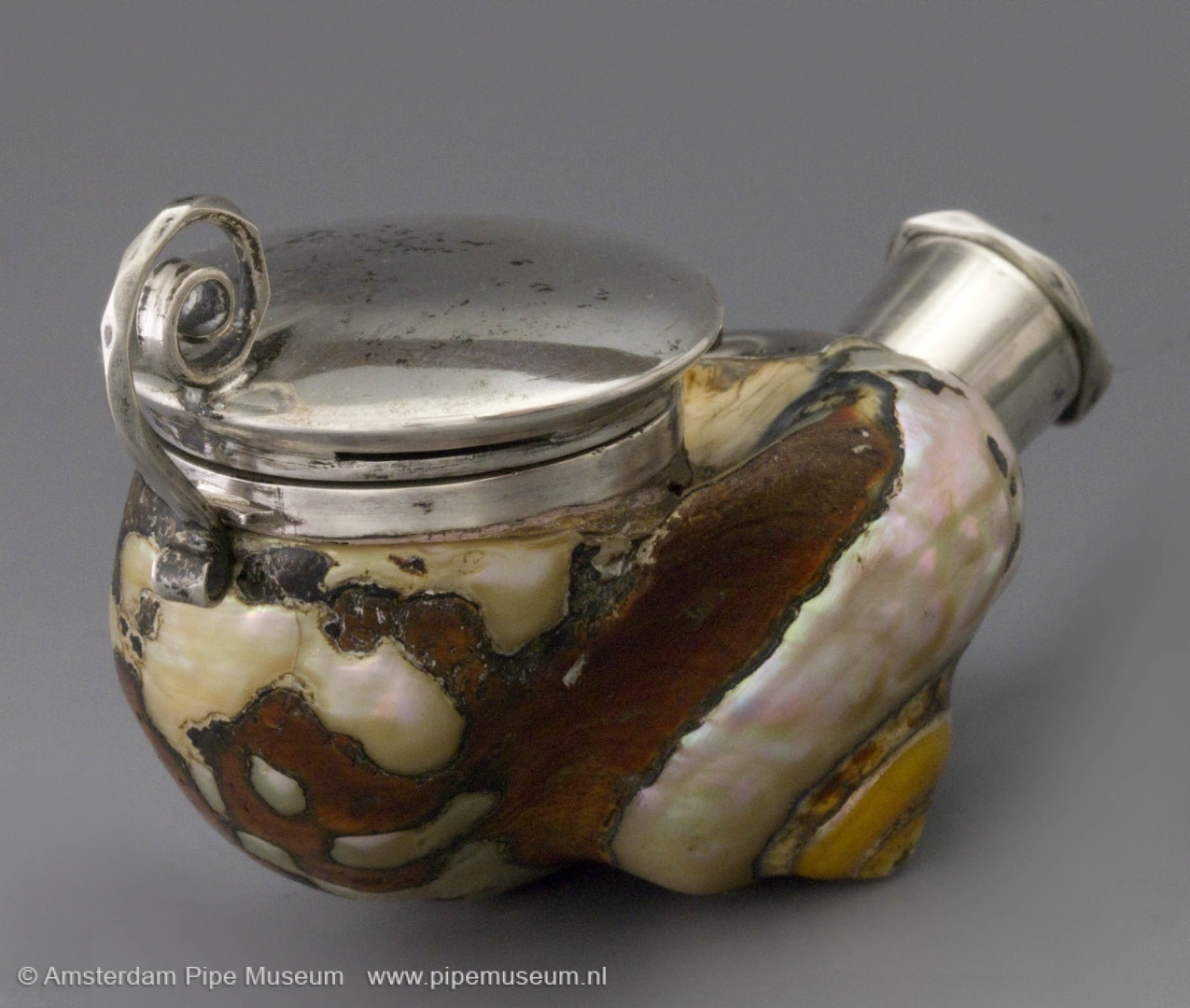
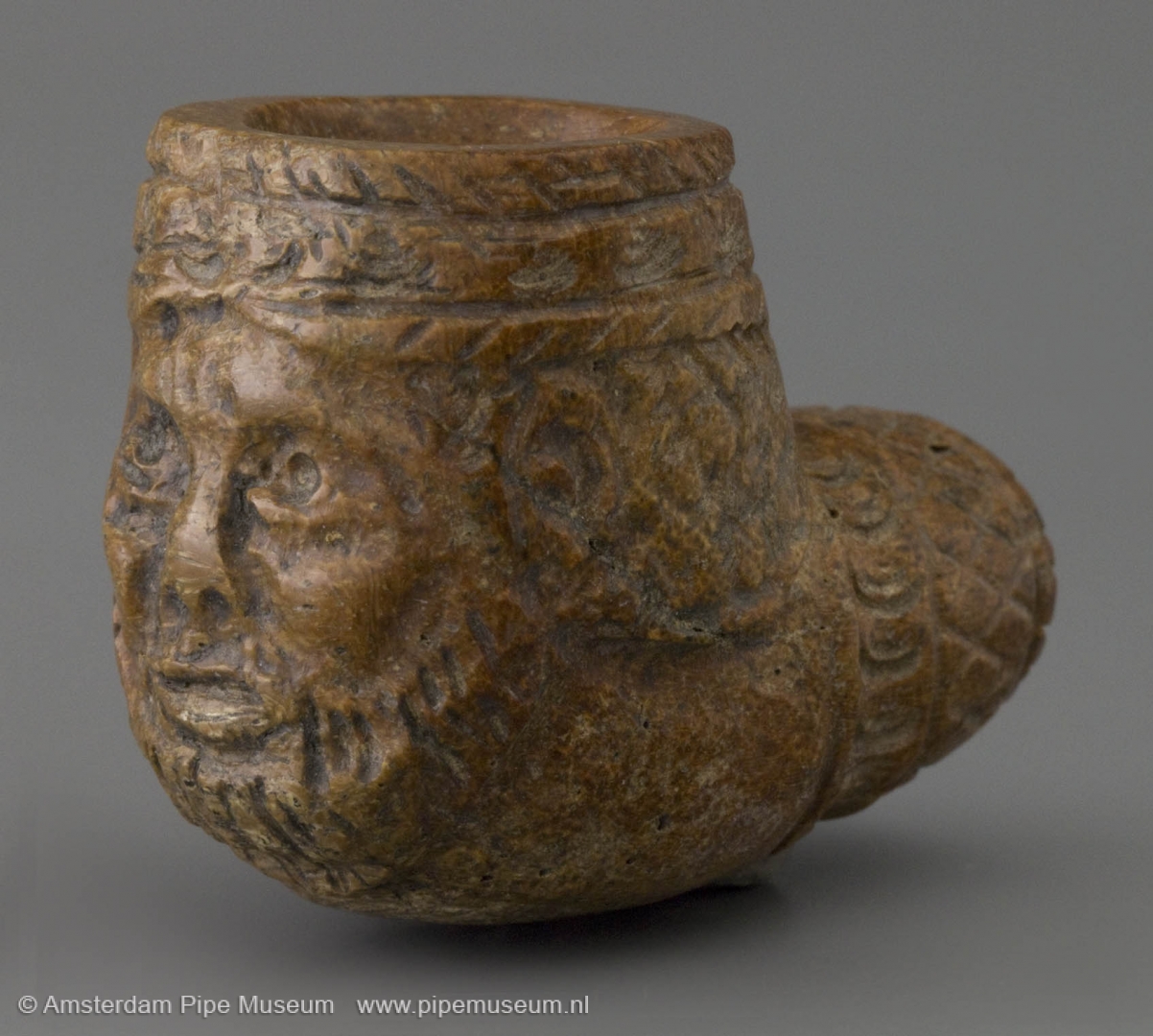
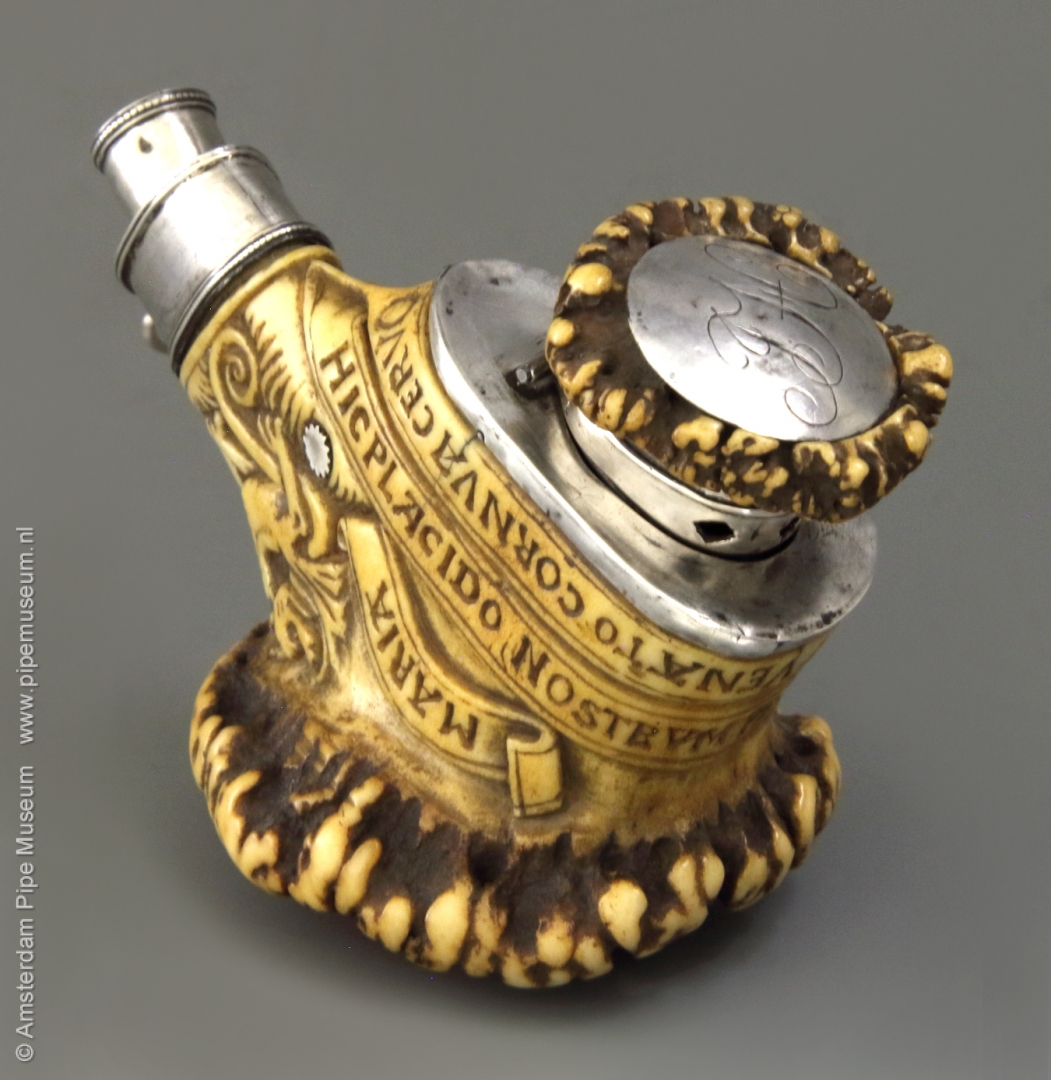
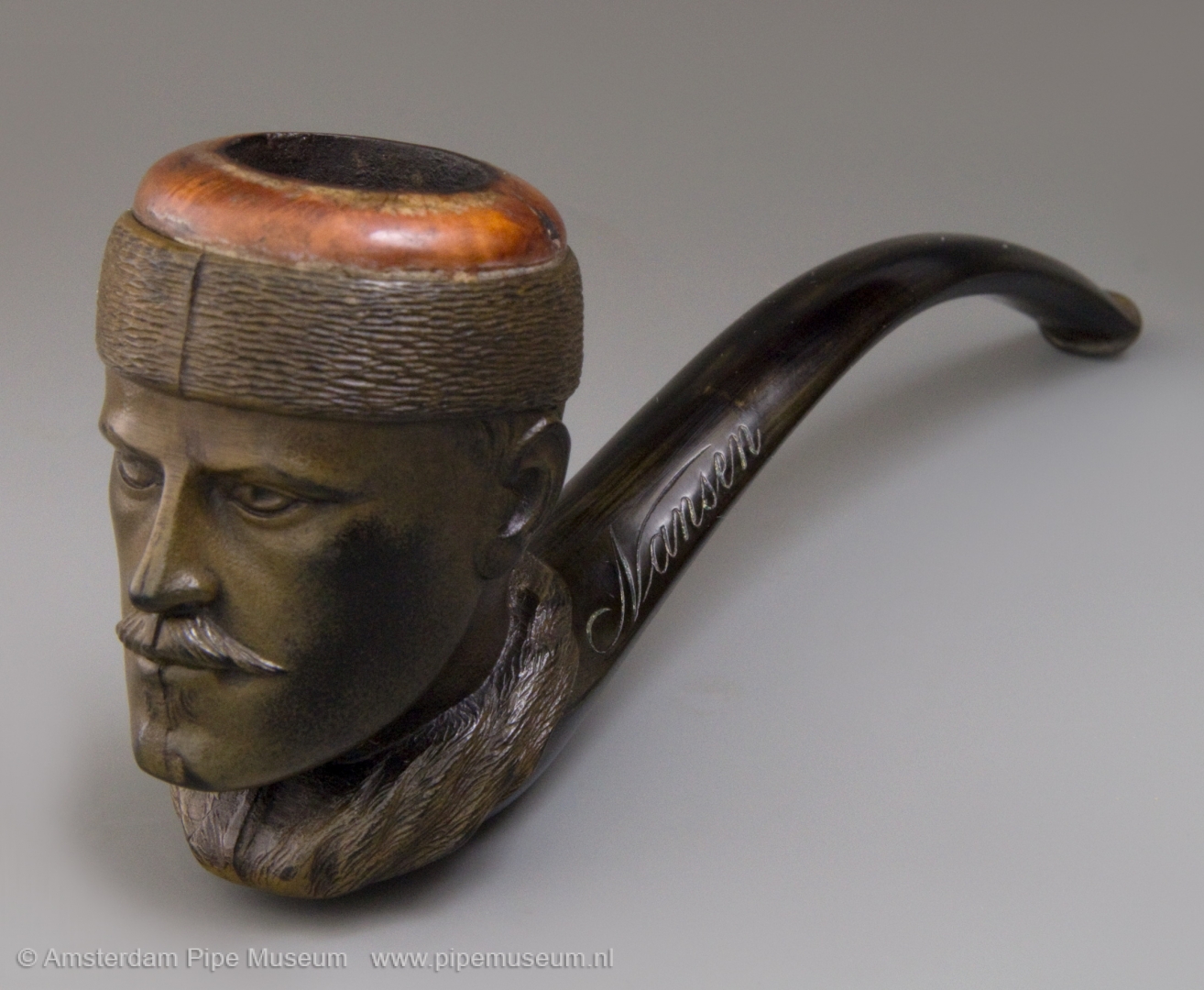
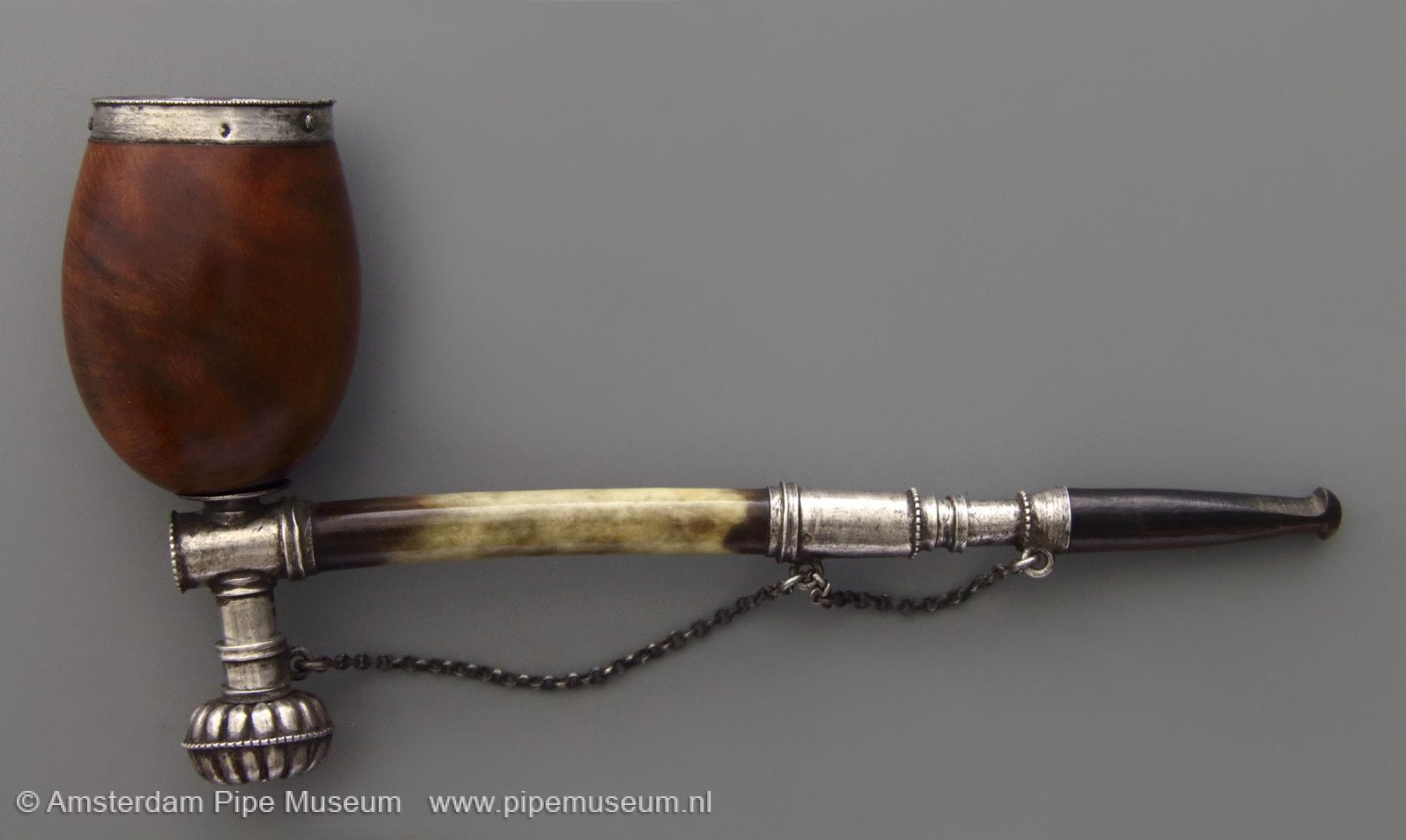
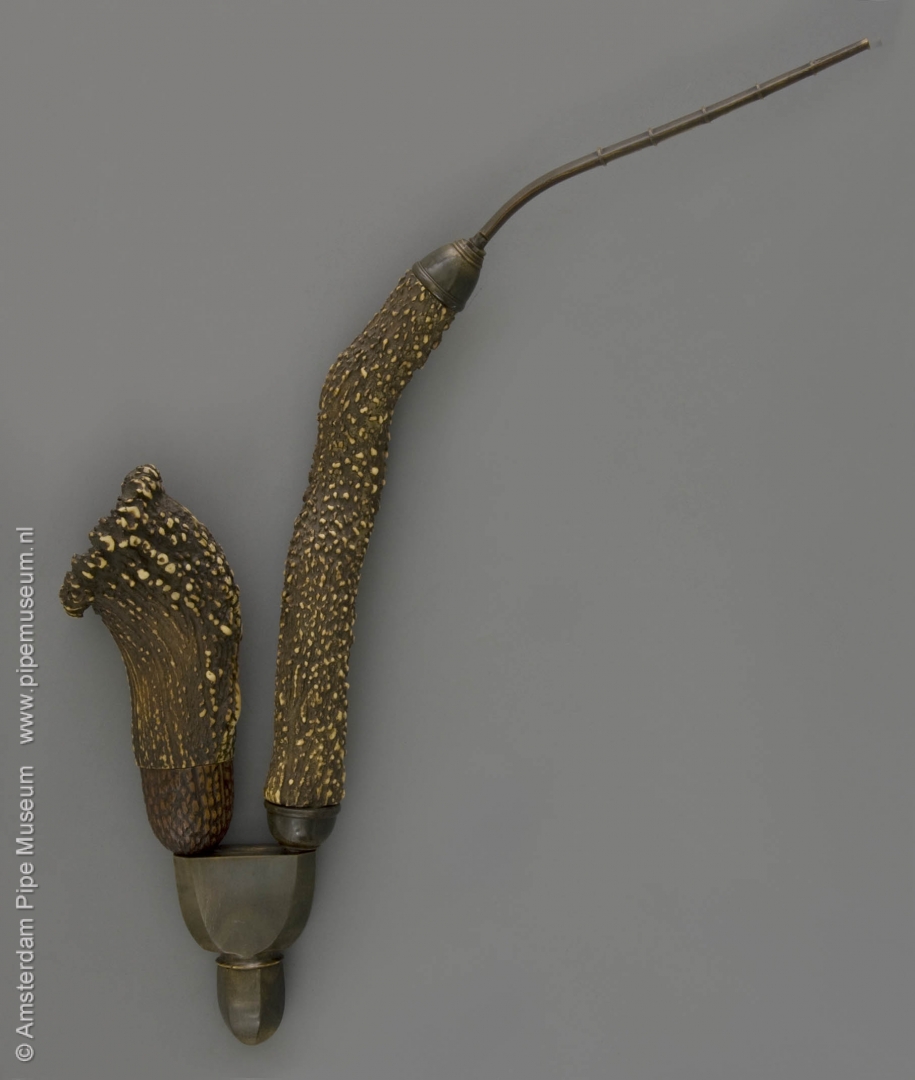
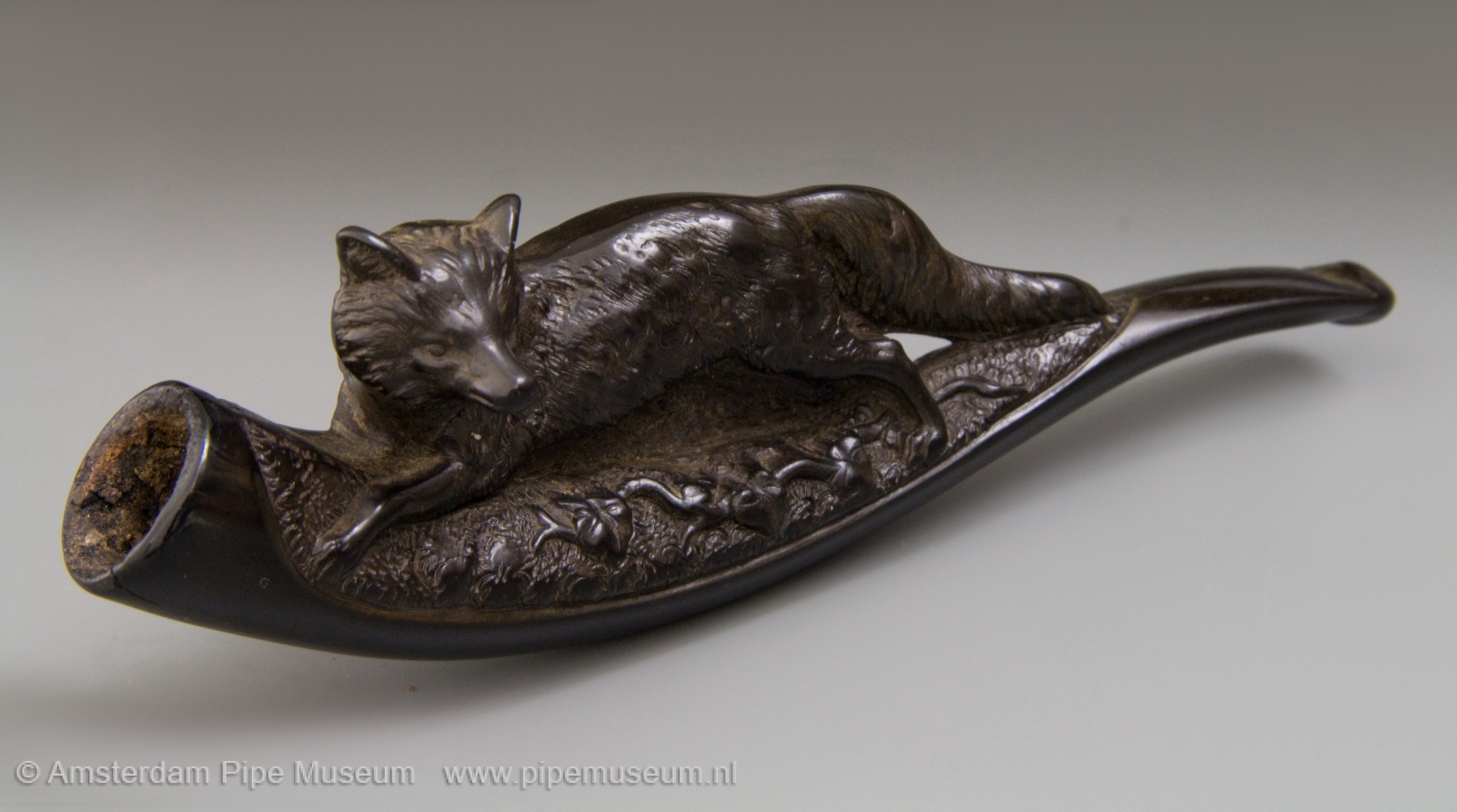
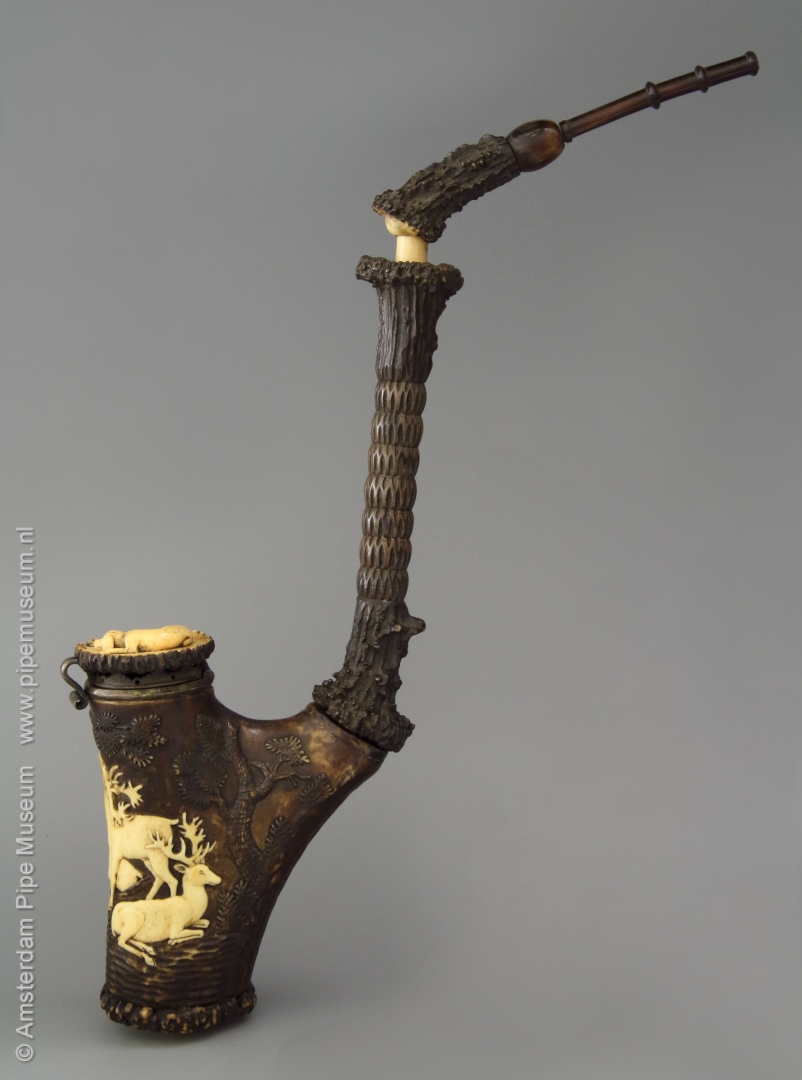
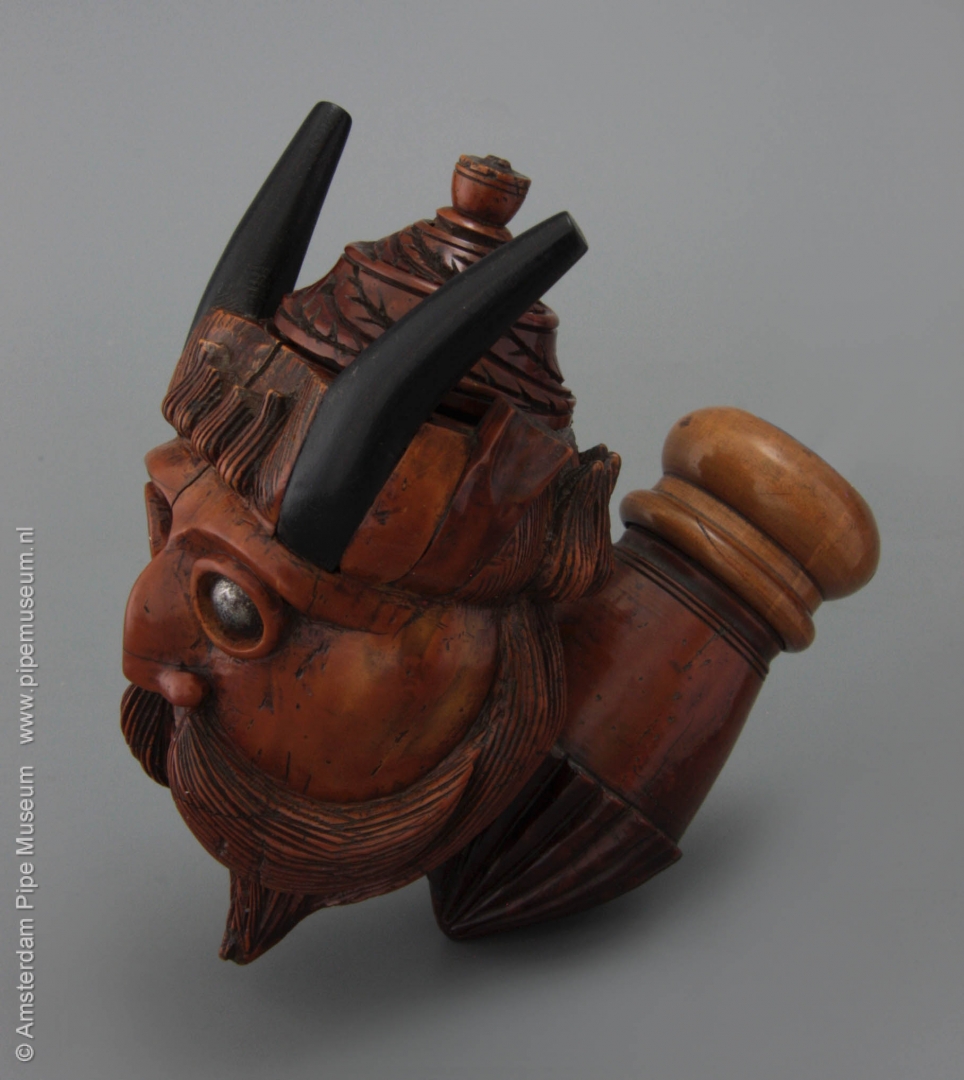
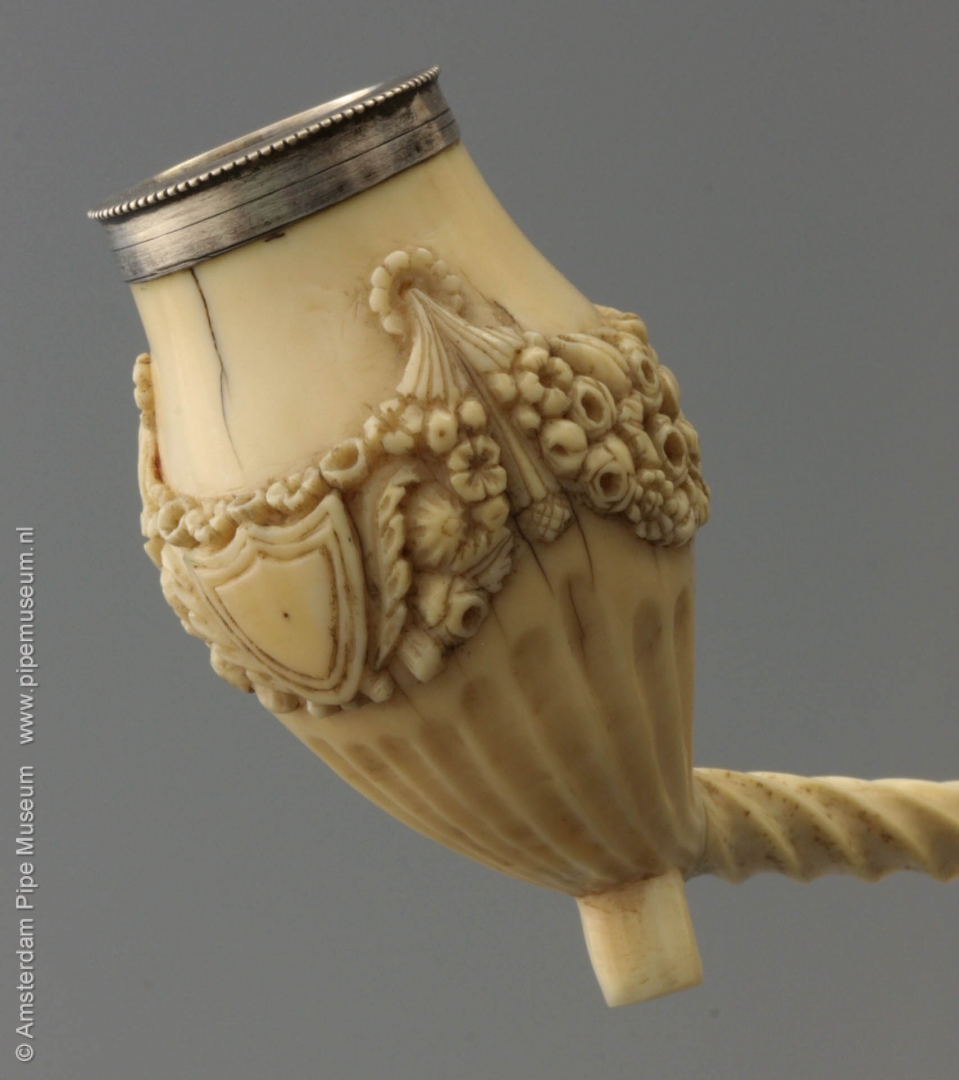
Een andere populaire materiaalgroep vormen organische grondstoffen. Hertshoorn dient bijvoorbeeld al twee generaties lang als inspiratie voor heel specifieke pijpen, kunstig gesneden in twee kleuren. De Duitse oorsprong zorgde ervoor dat overwegend jachttaferelen zijn afgebeeld, dat past heel goed bij de rustieke uitstraling van het materiaal. Zeldzamer zijn pijpen van ivoor, potvistand, buffelhoorn, koraal of schelp gemaakt. Meest curieus is wel de schaar van een krab die tot pijp is getransformeerd. Aardig is dat de vormgeving steeds nauwgezet de mogelijkheden van het materiaal volgt.
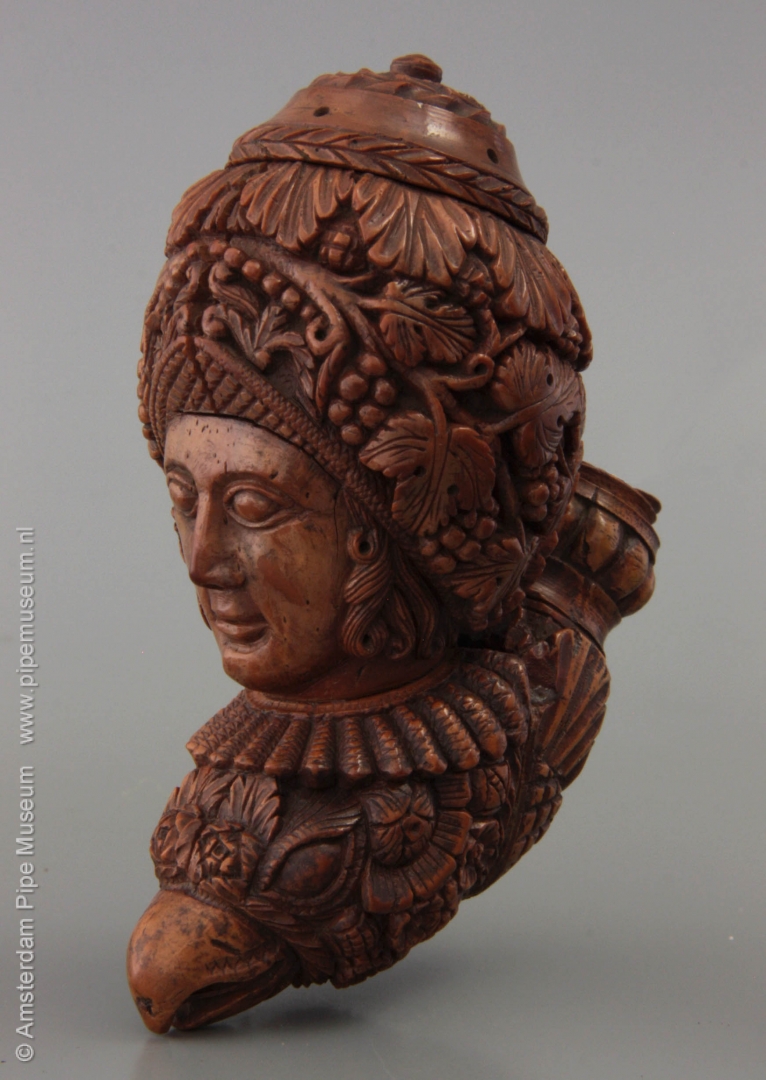
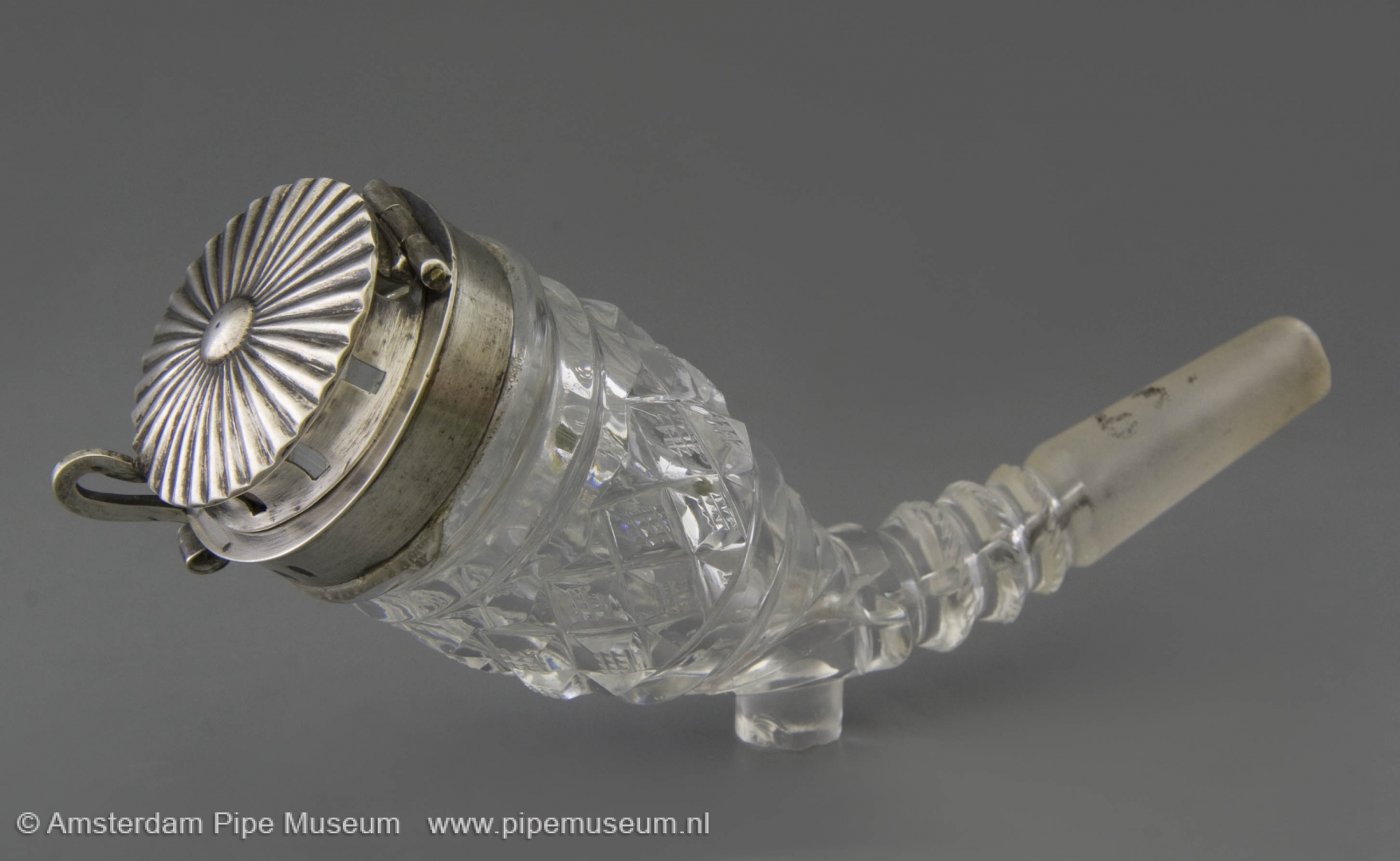
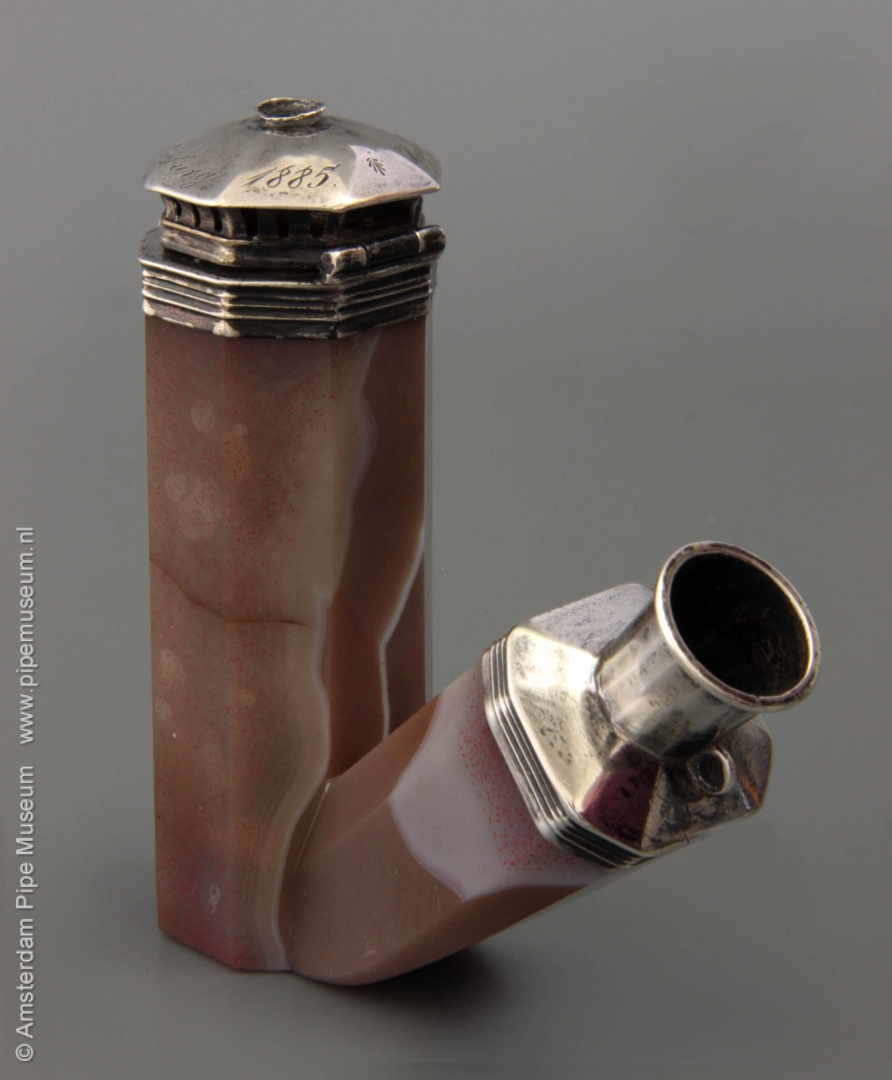
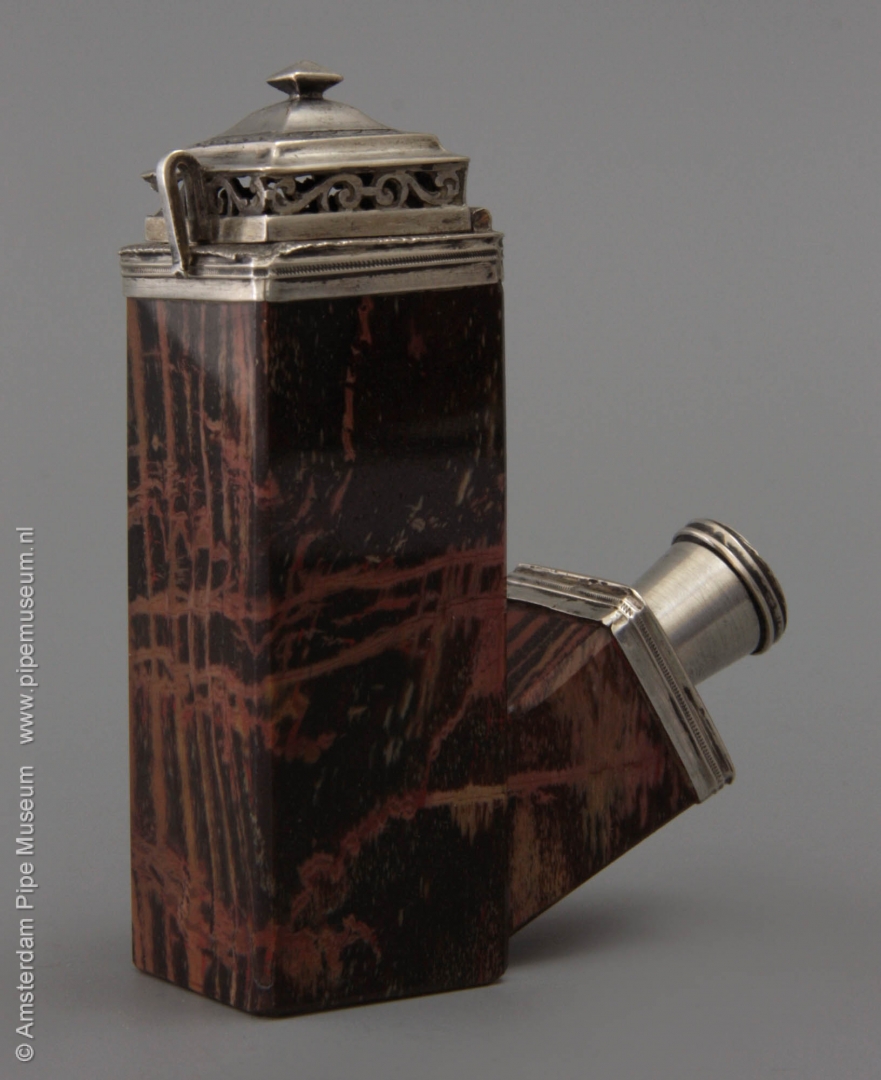
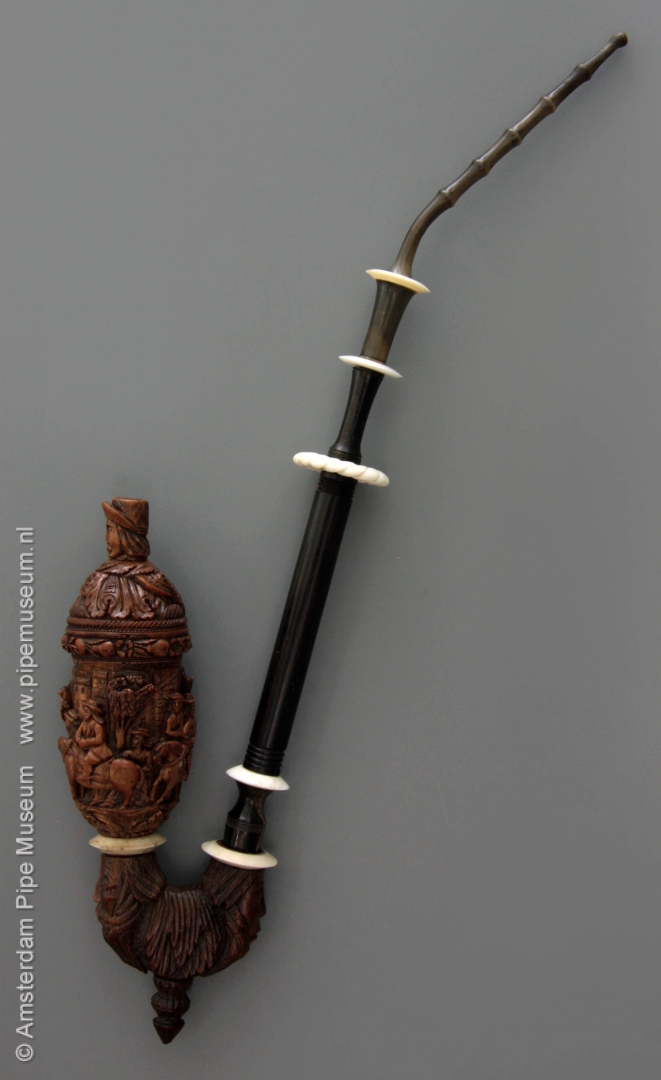
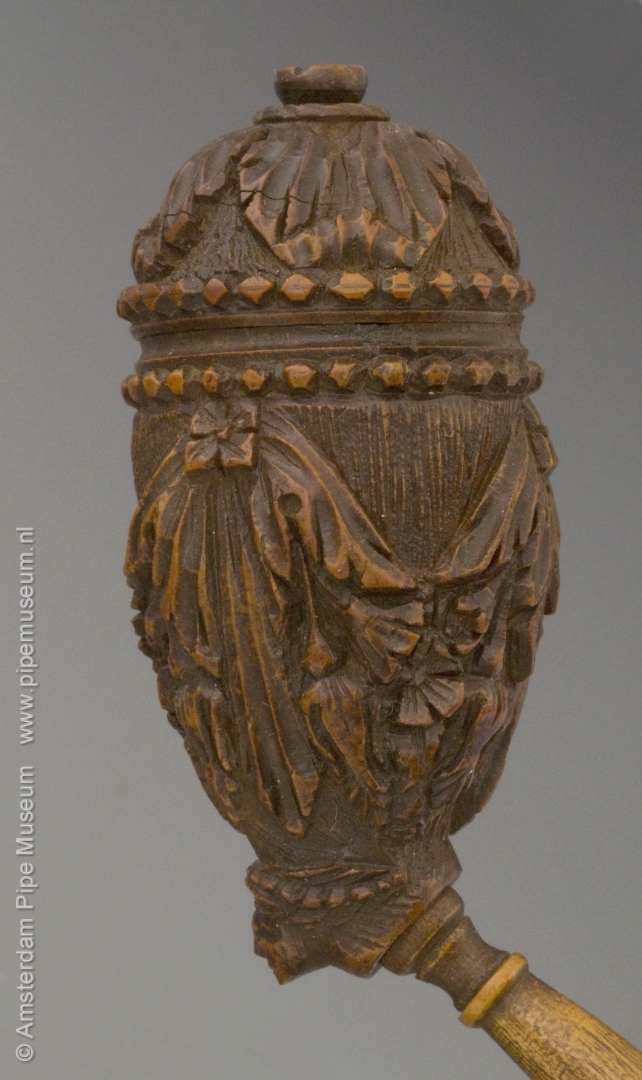
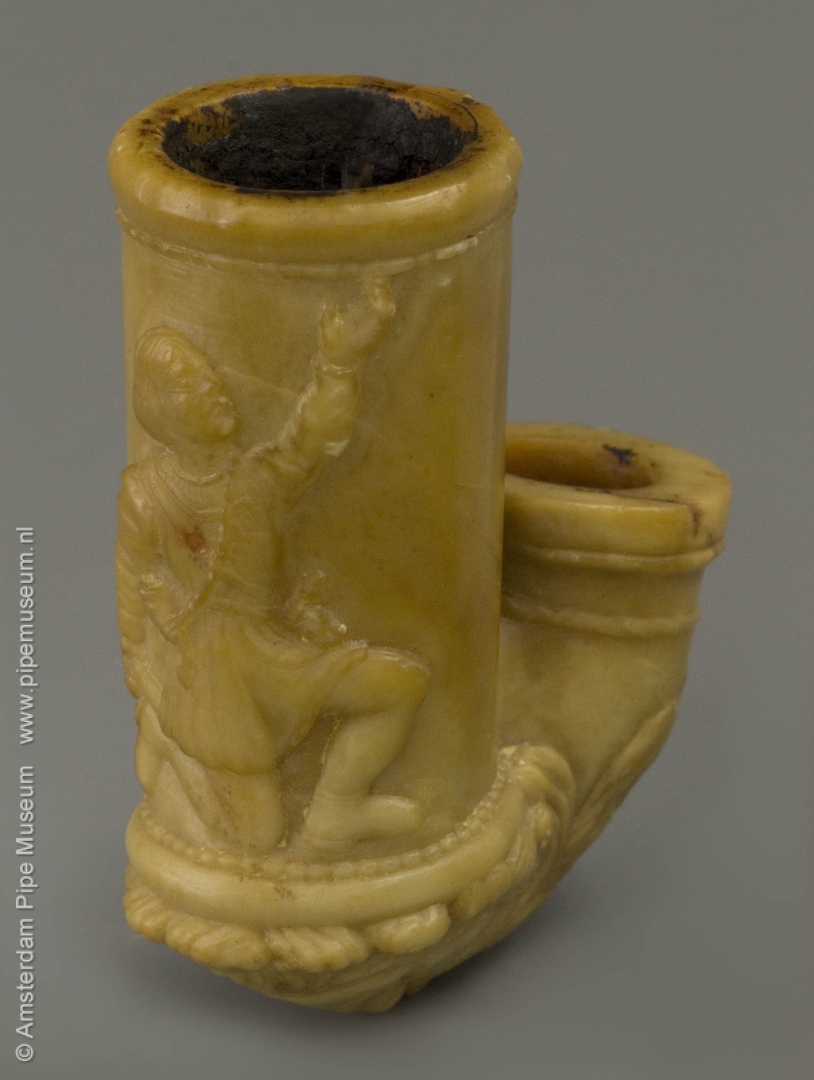
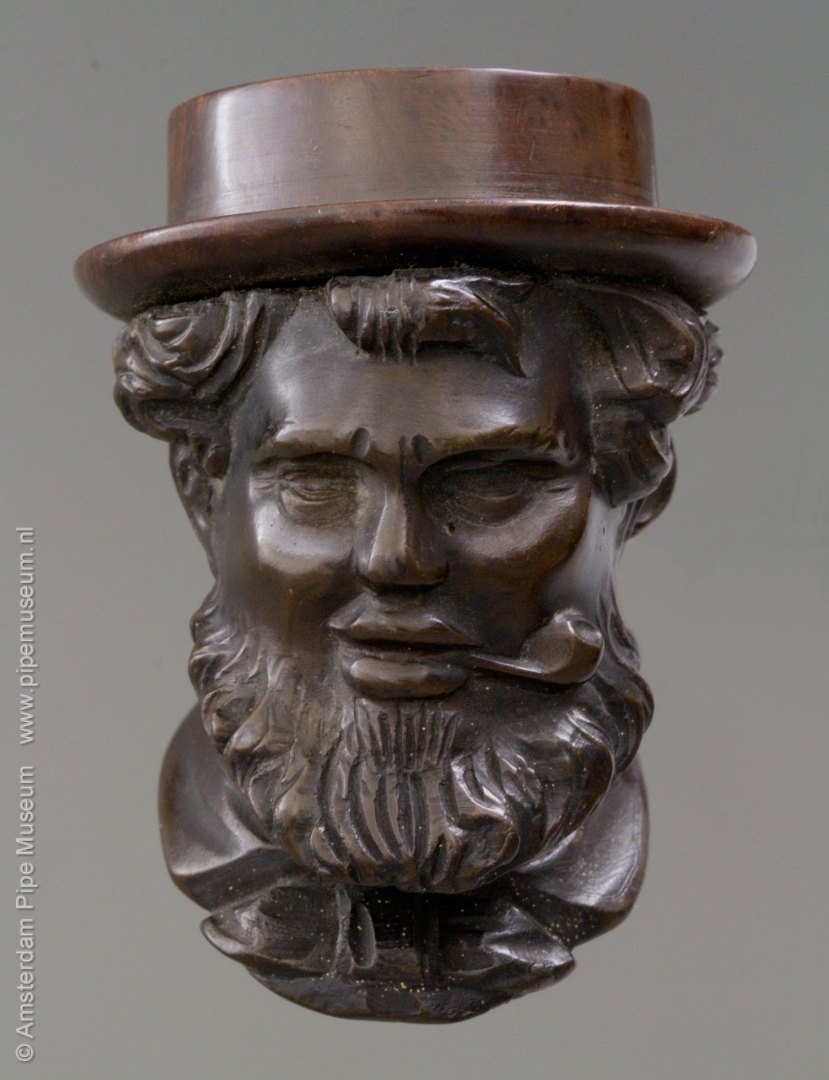
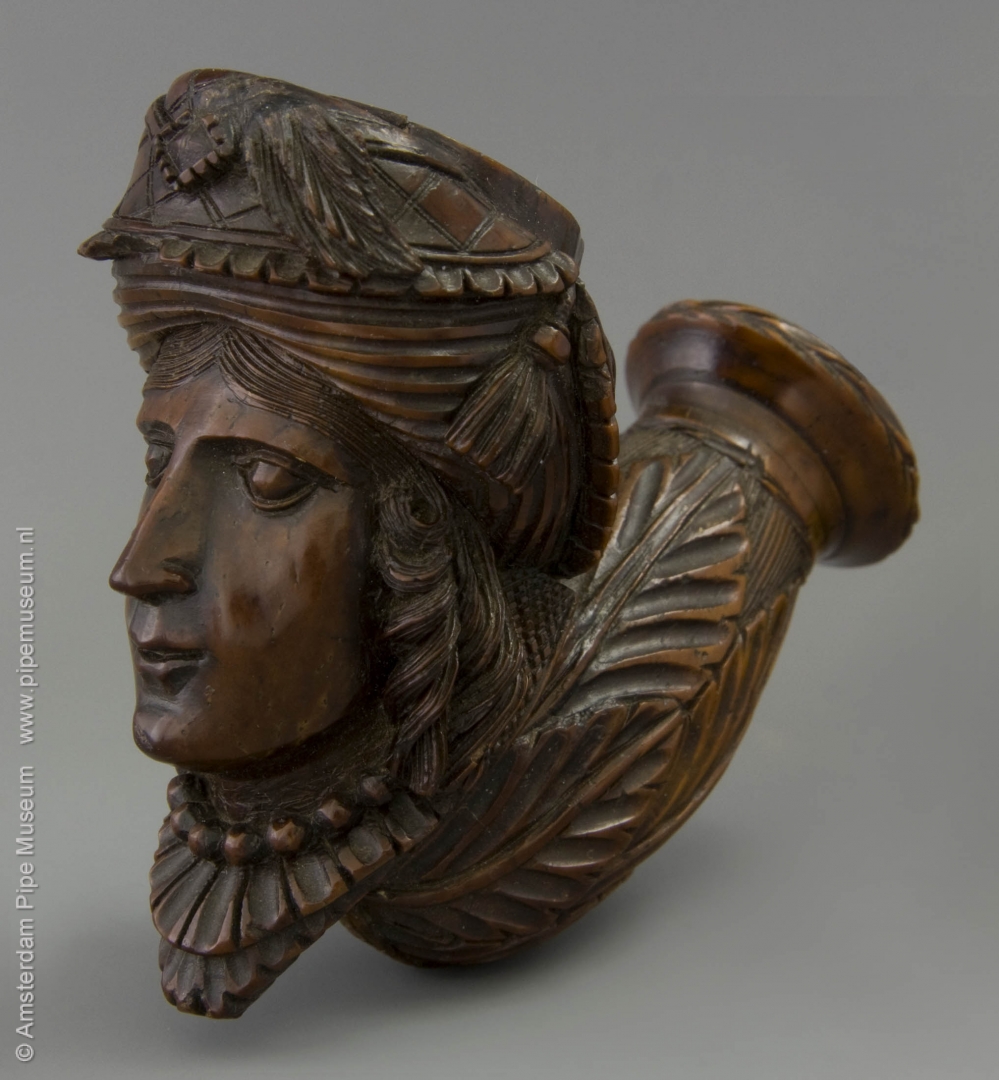
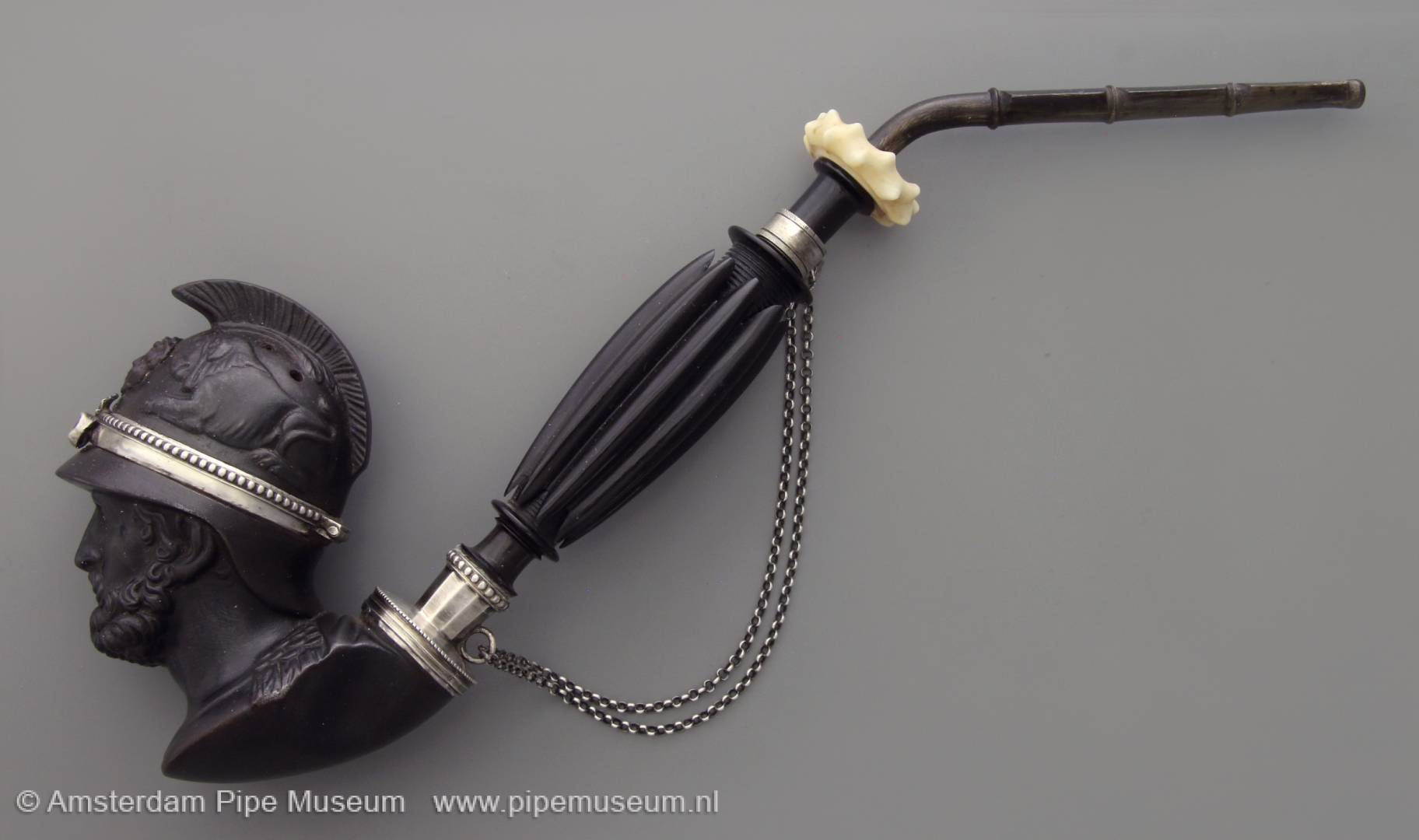
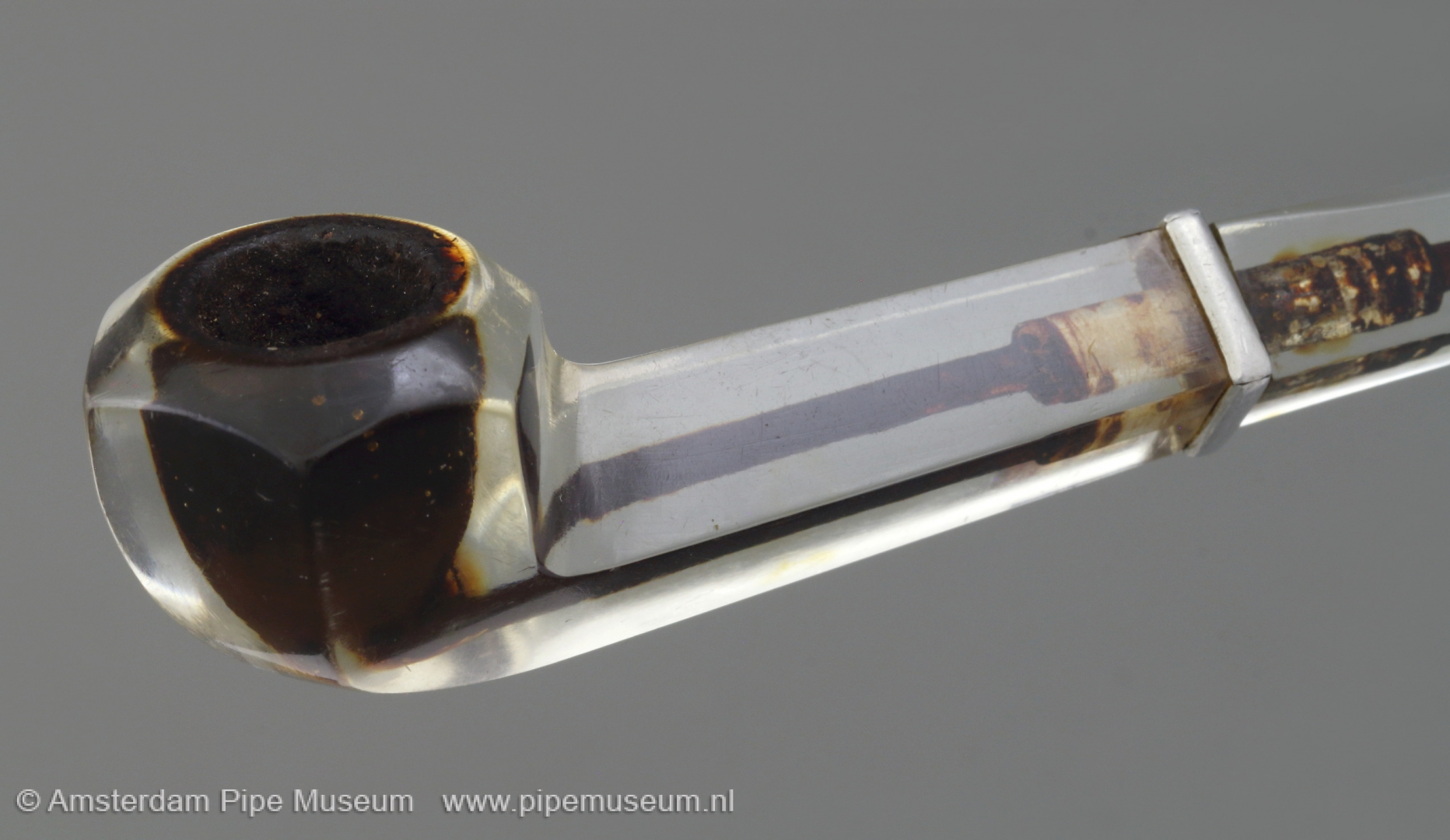
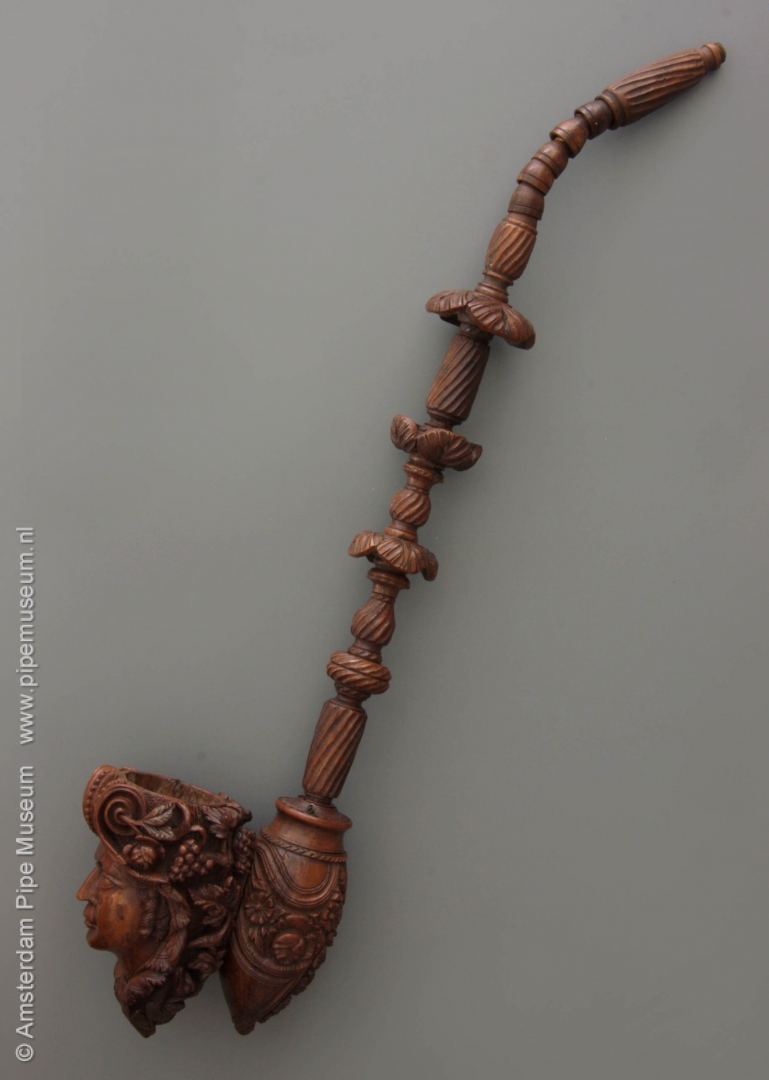
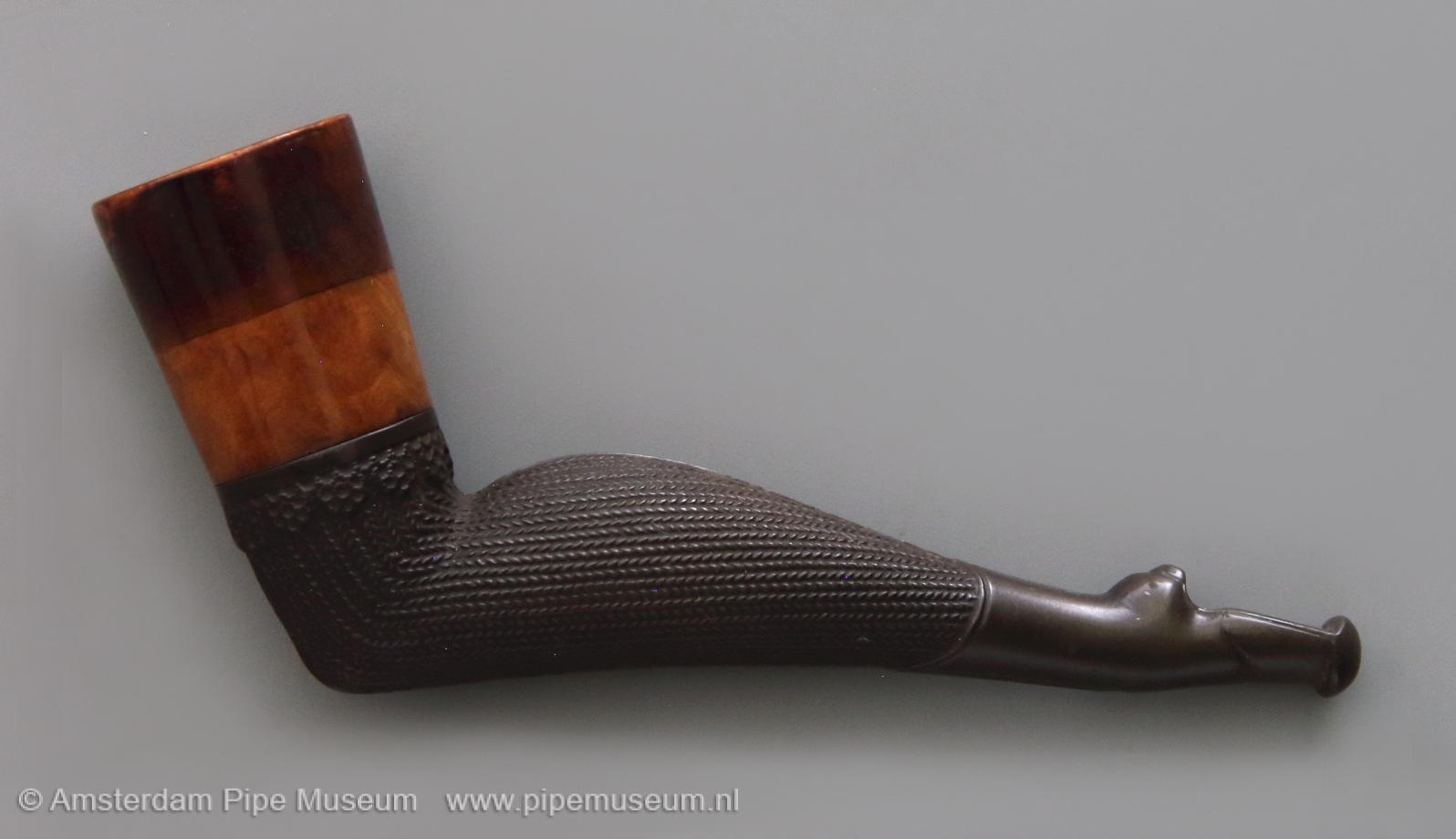
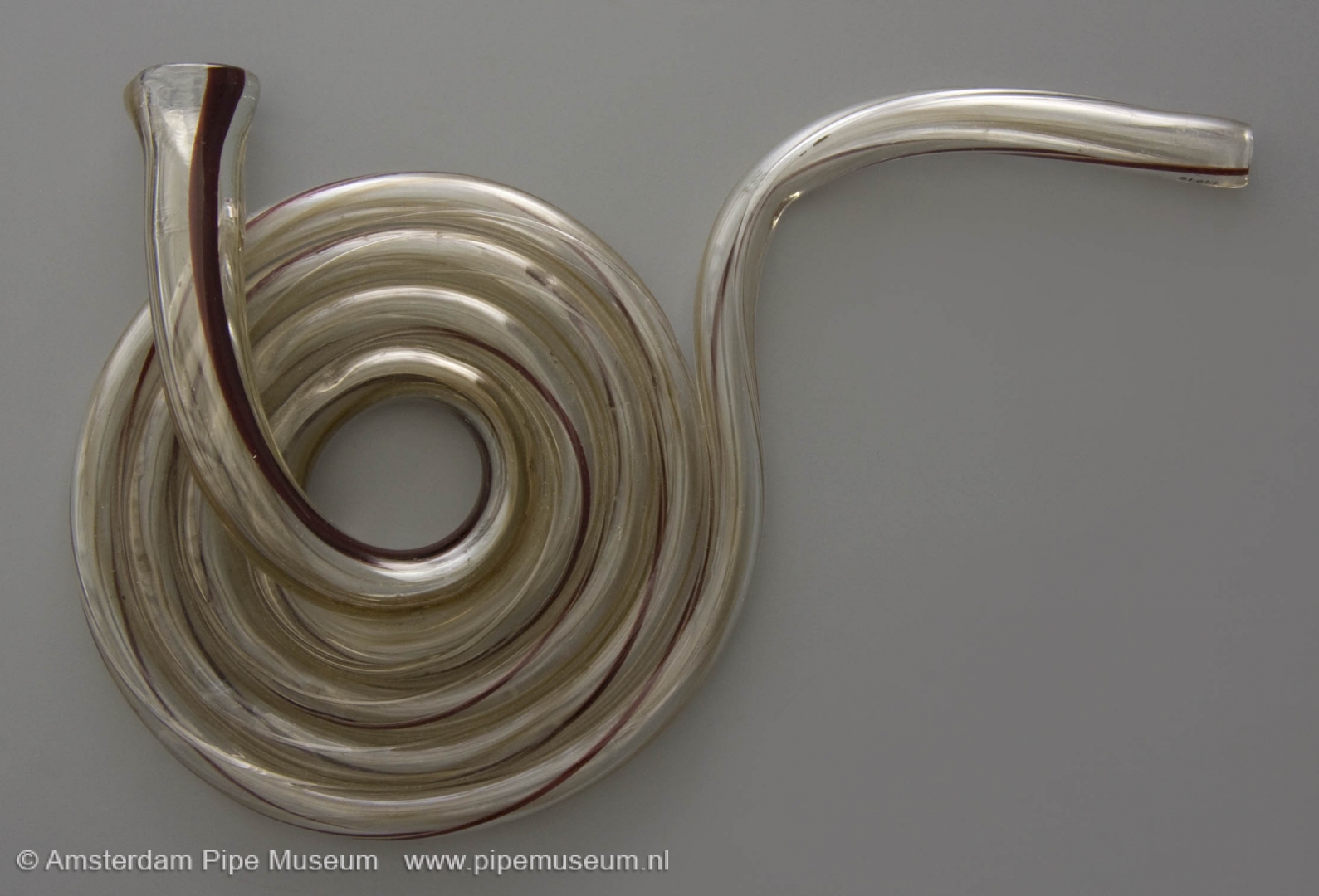
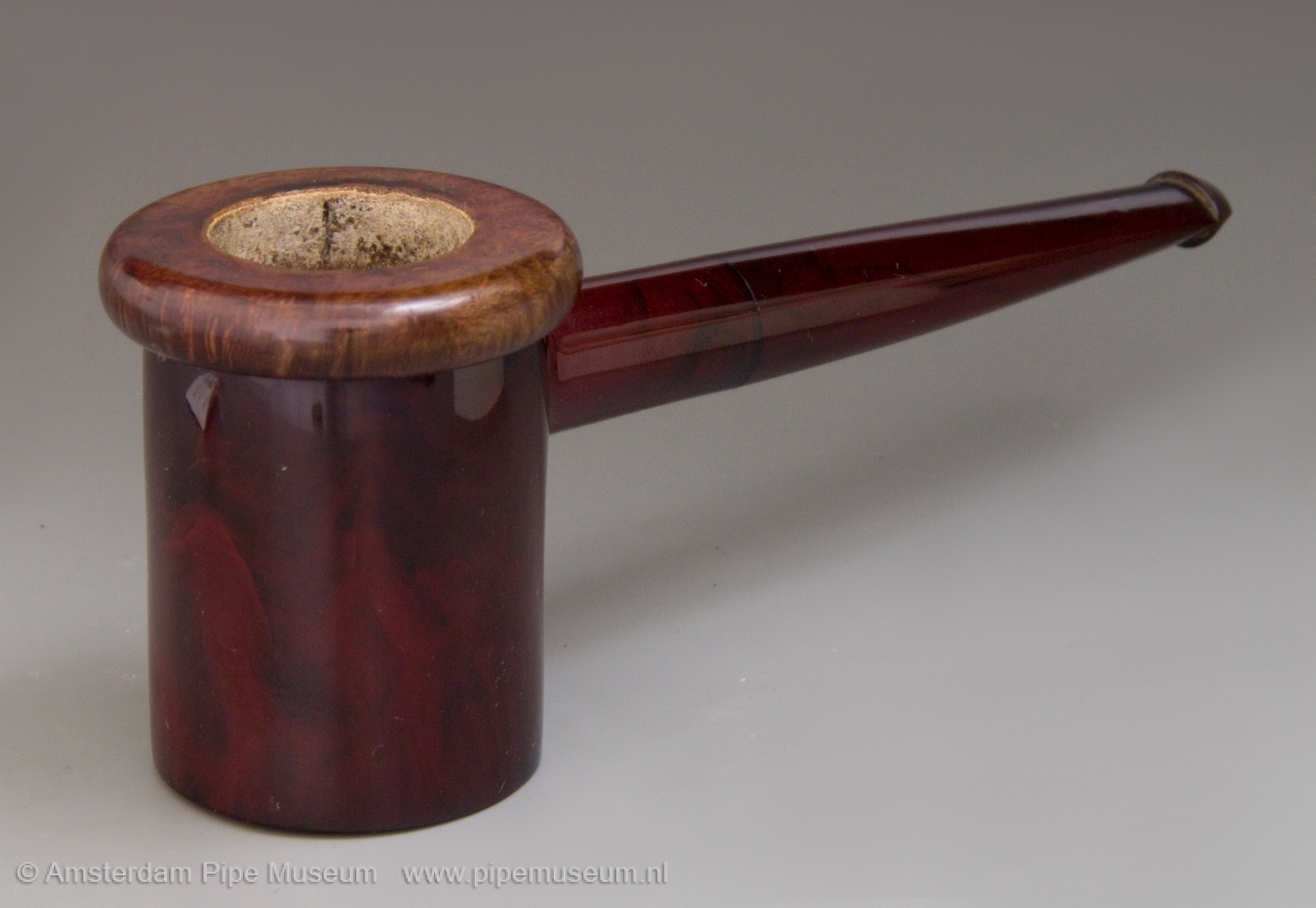
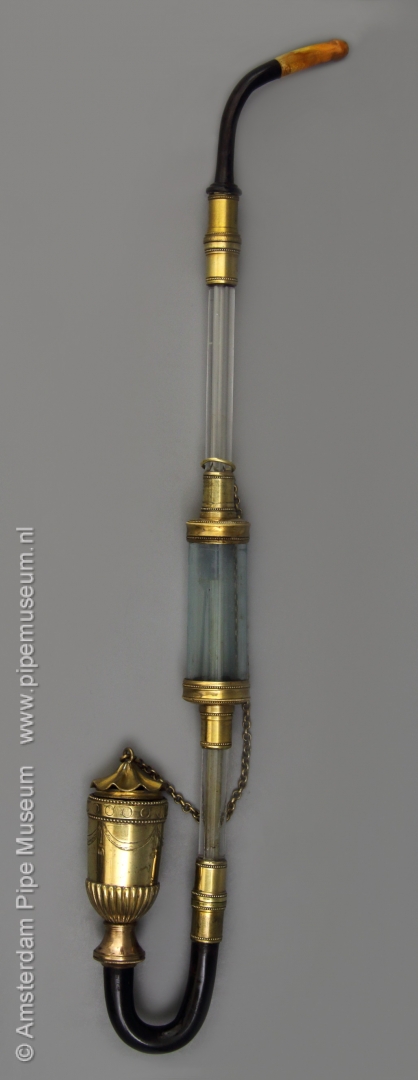
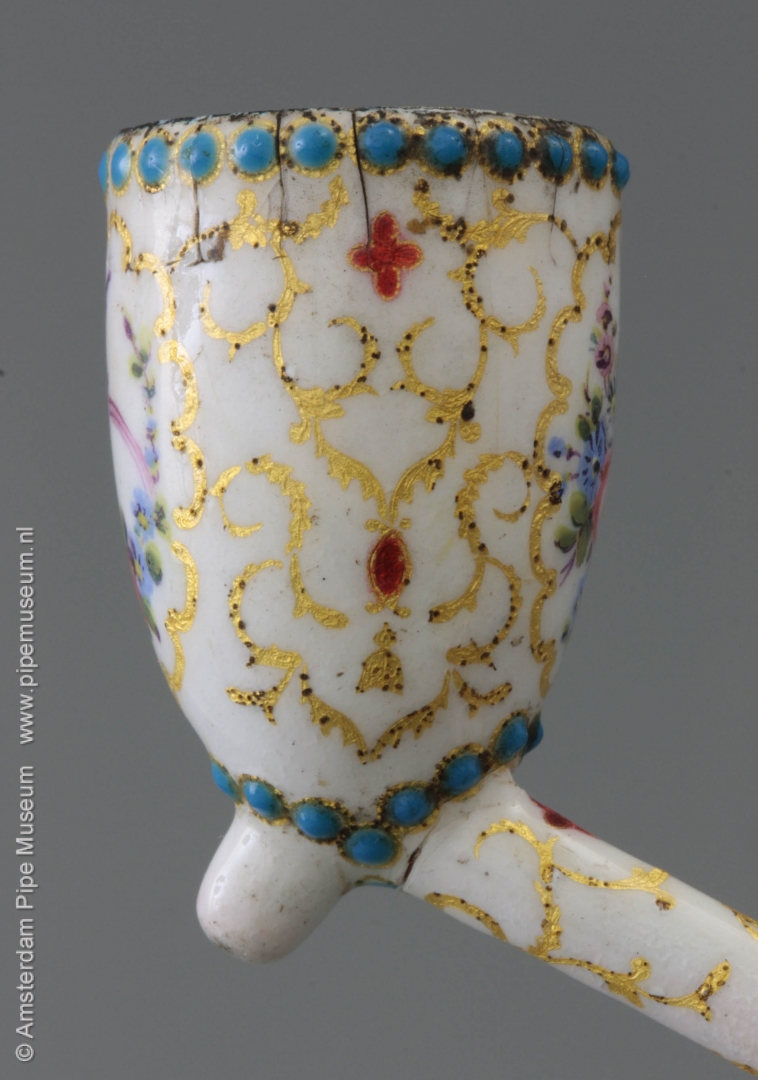
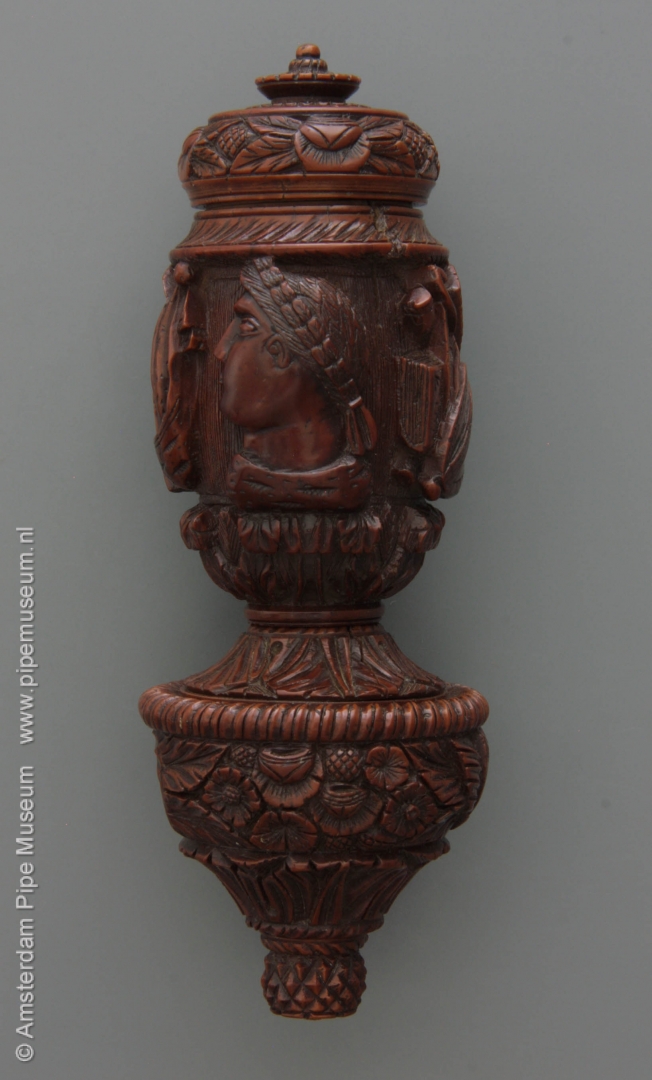
Minder geschikt voor pijpen zijn steensoorten, die wel zeer aantrekkelijk kunnen zijn, maar vanwege de ondoordringbaarheid nooit comfortabel zullen roken. Bovendien zijn dergelijke pijpen zwaar. Agaat en bergkristal zijn tot luxe pijpen verwerkt, lekkere rokertjes zijn het niet geweest. Hetzelfde geldt voor glas. Een onverwachte materiaal is coquillanoot, een forse keiharde Braziliaanse noot, zeer geschikt voor draaiwerk of fijne sculptuur. Van dit materiaal ontstond een hele nijverheid met bijzondere en vooral artistiek gesneden pijpen en snuifdoosjes als resultaat.
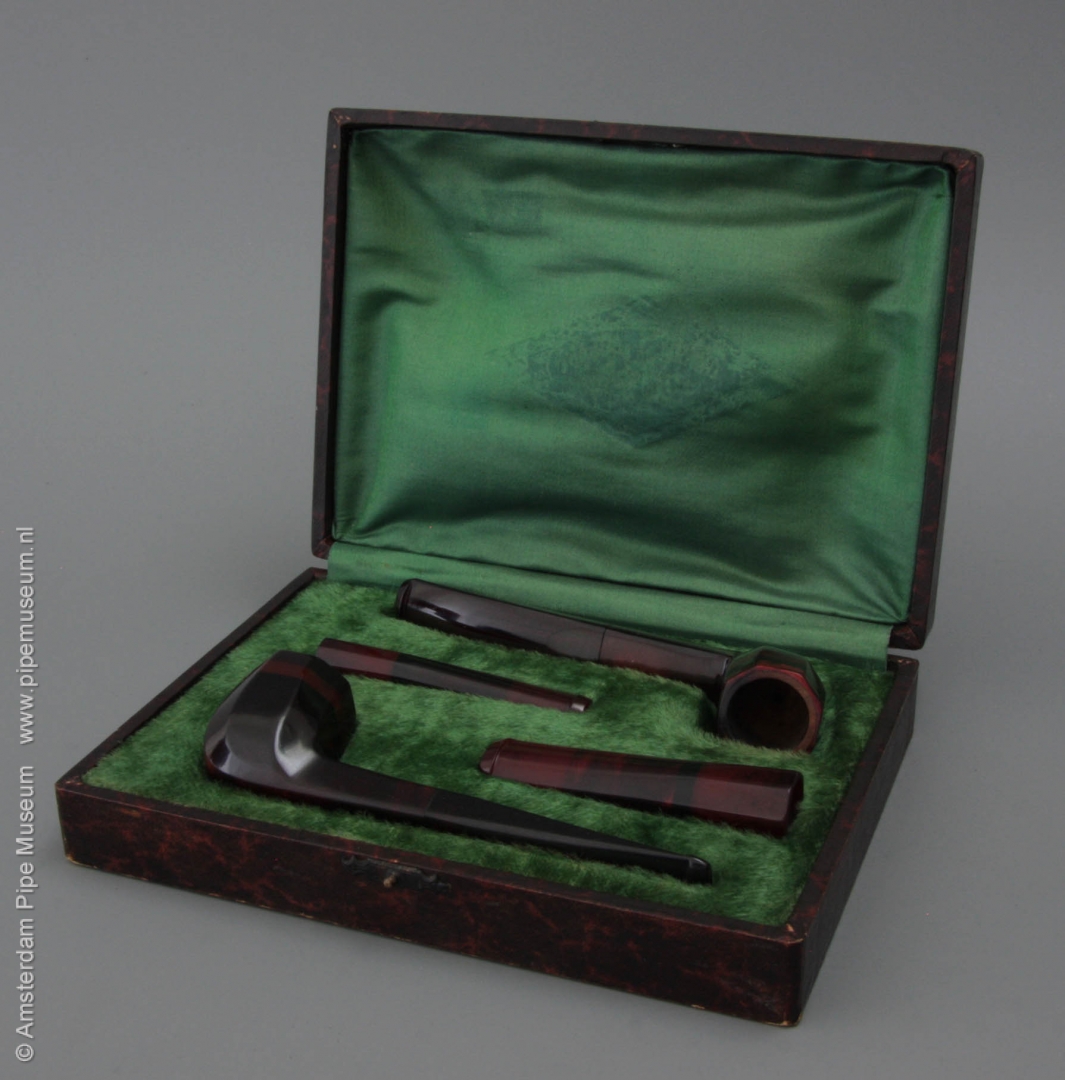
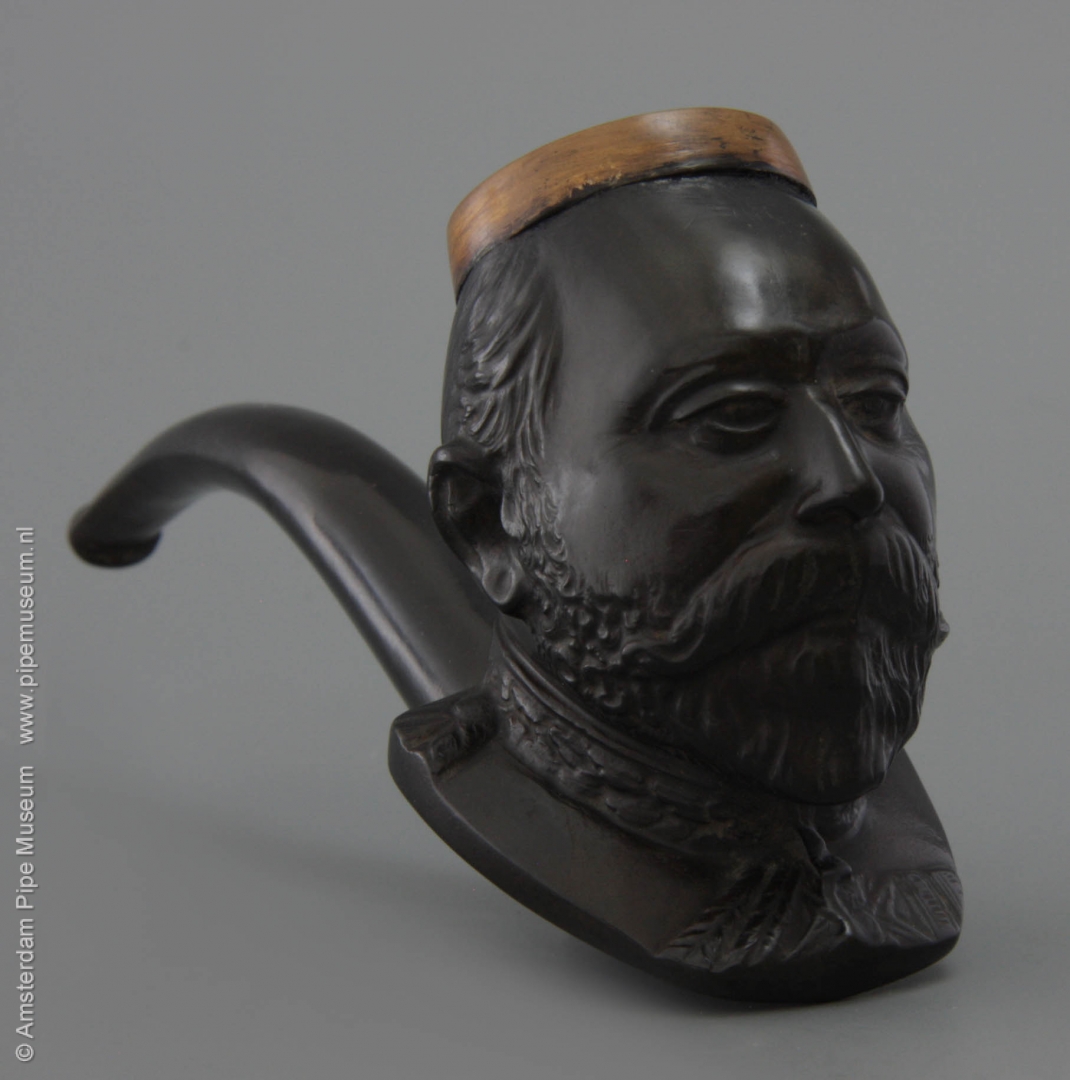
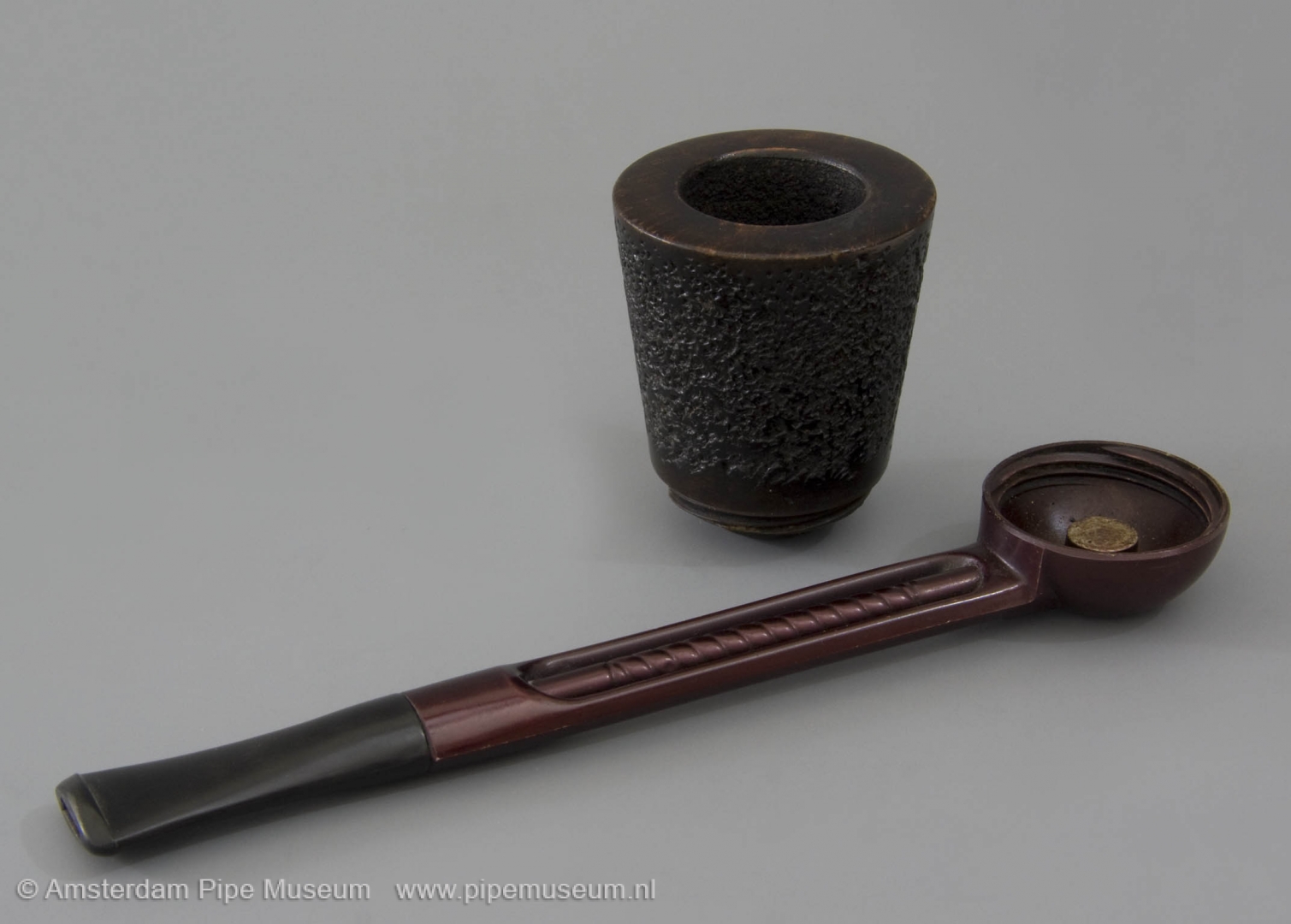
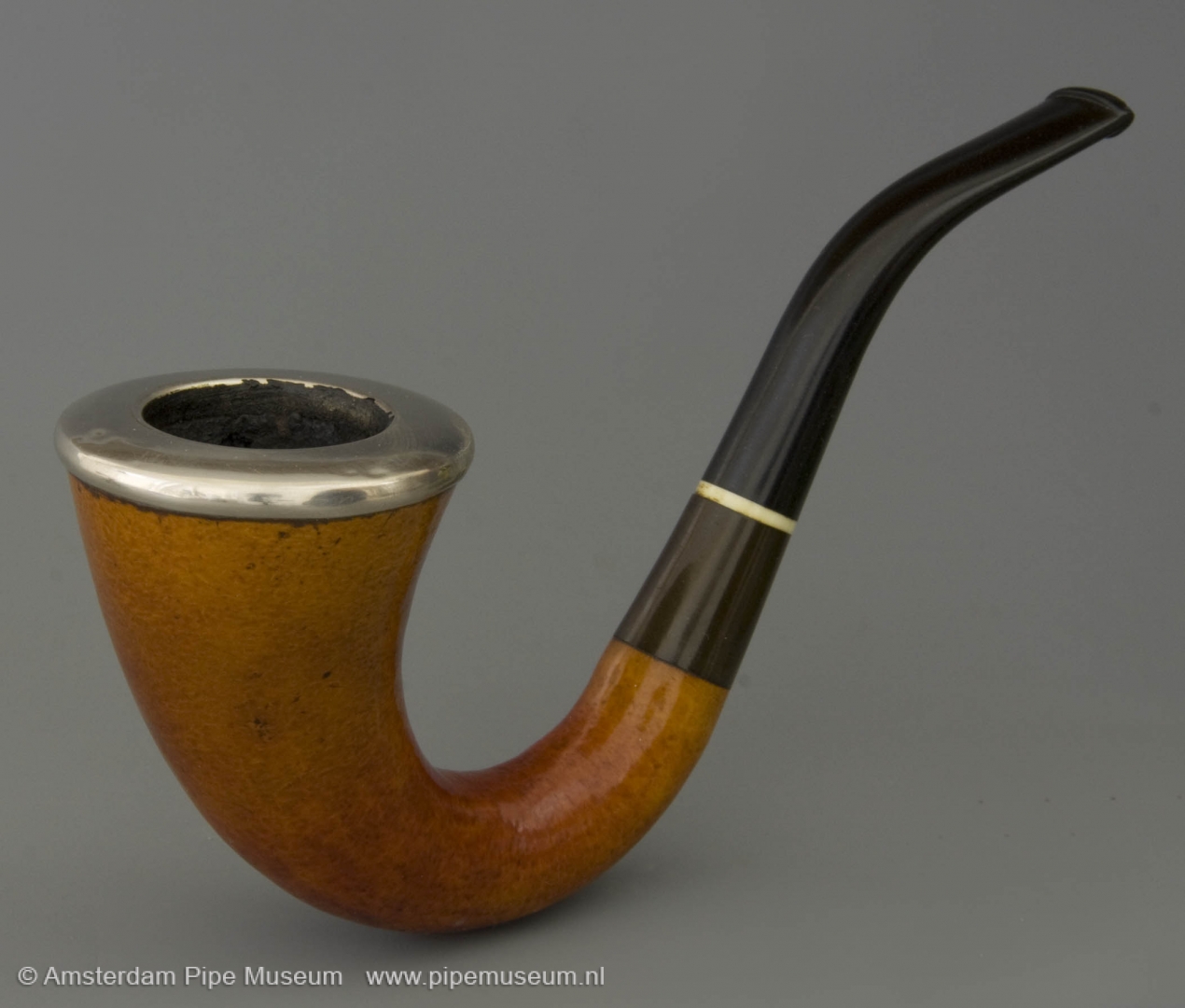
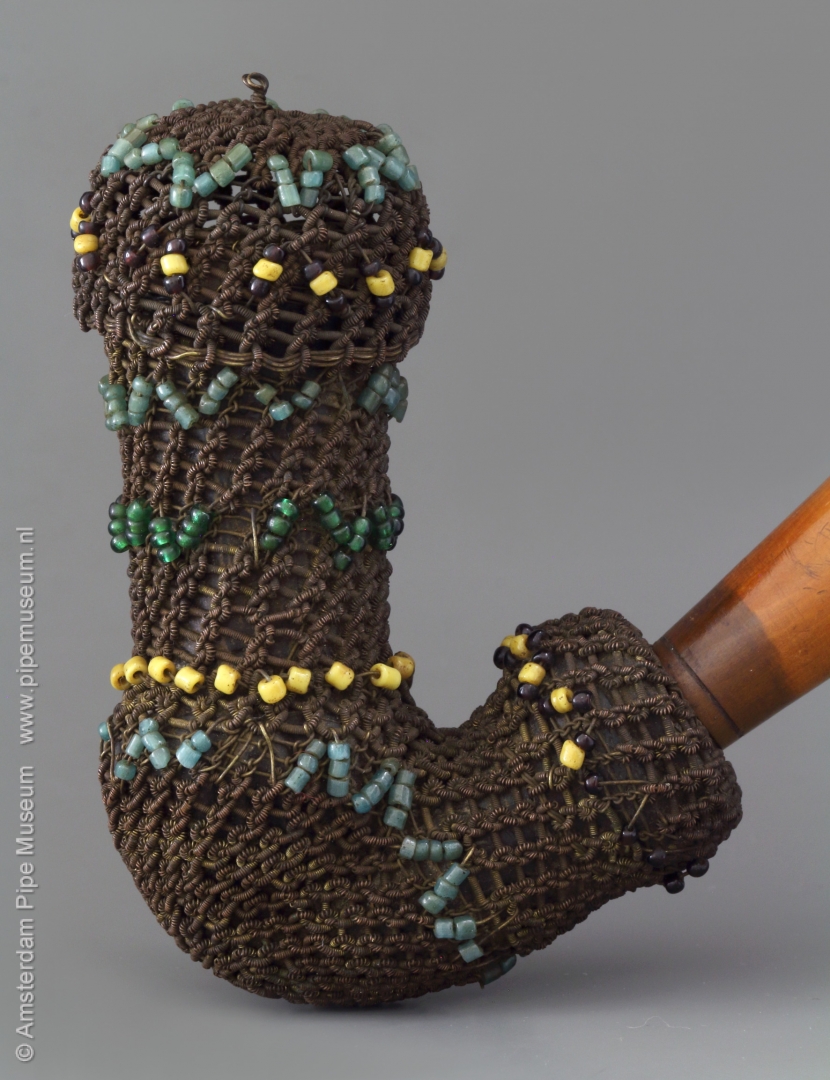
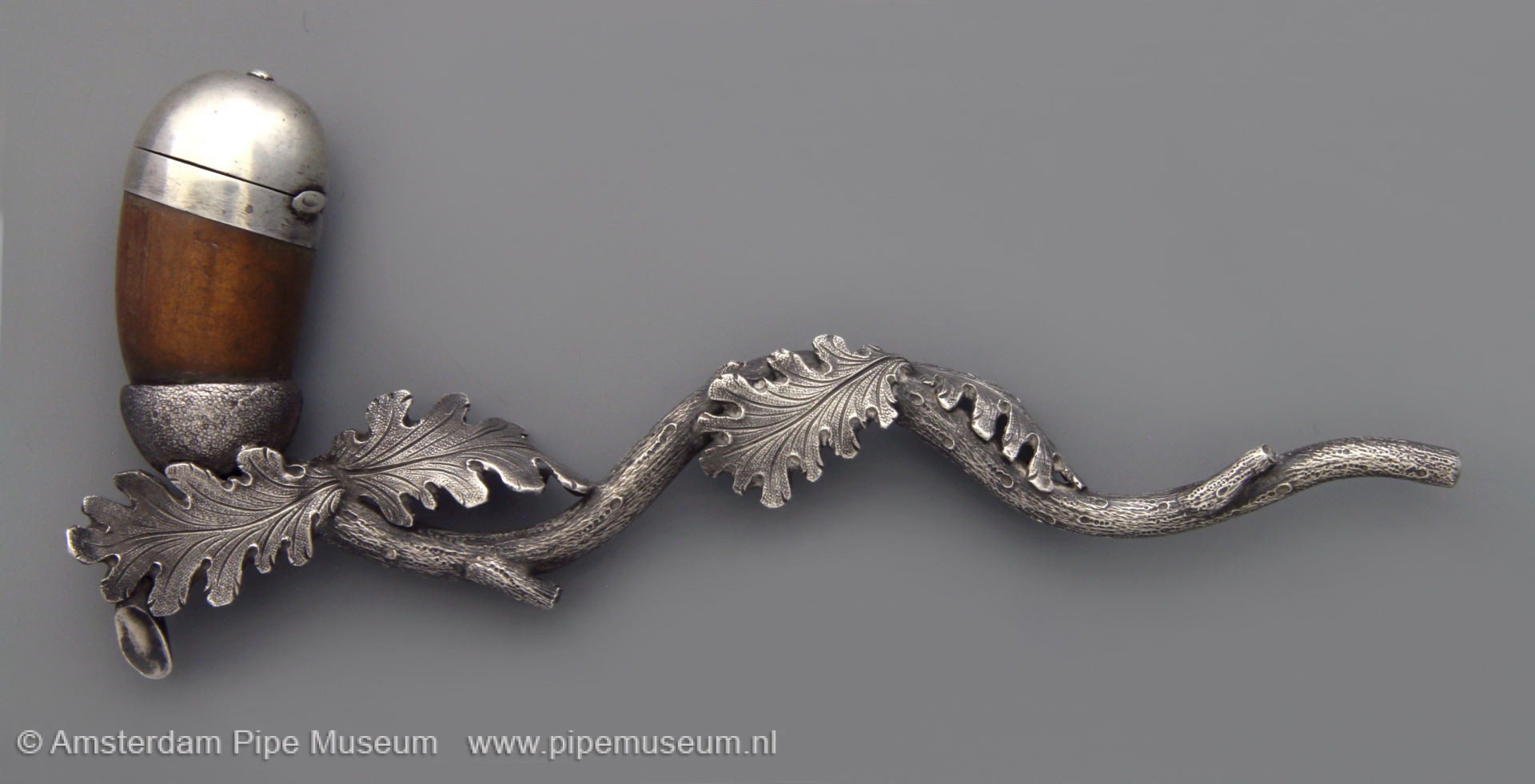
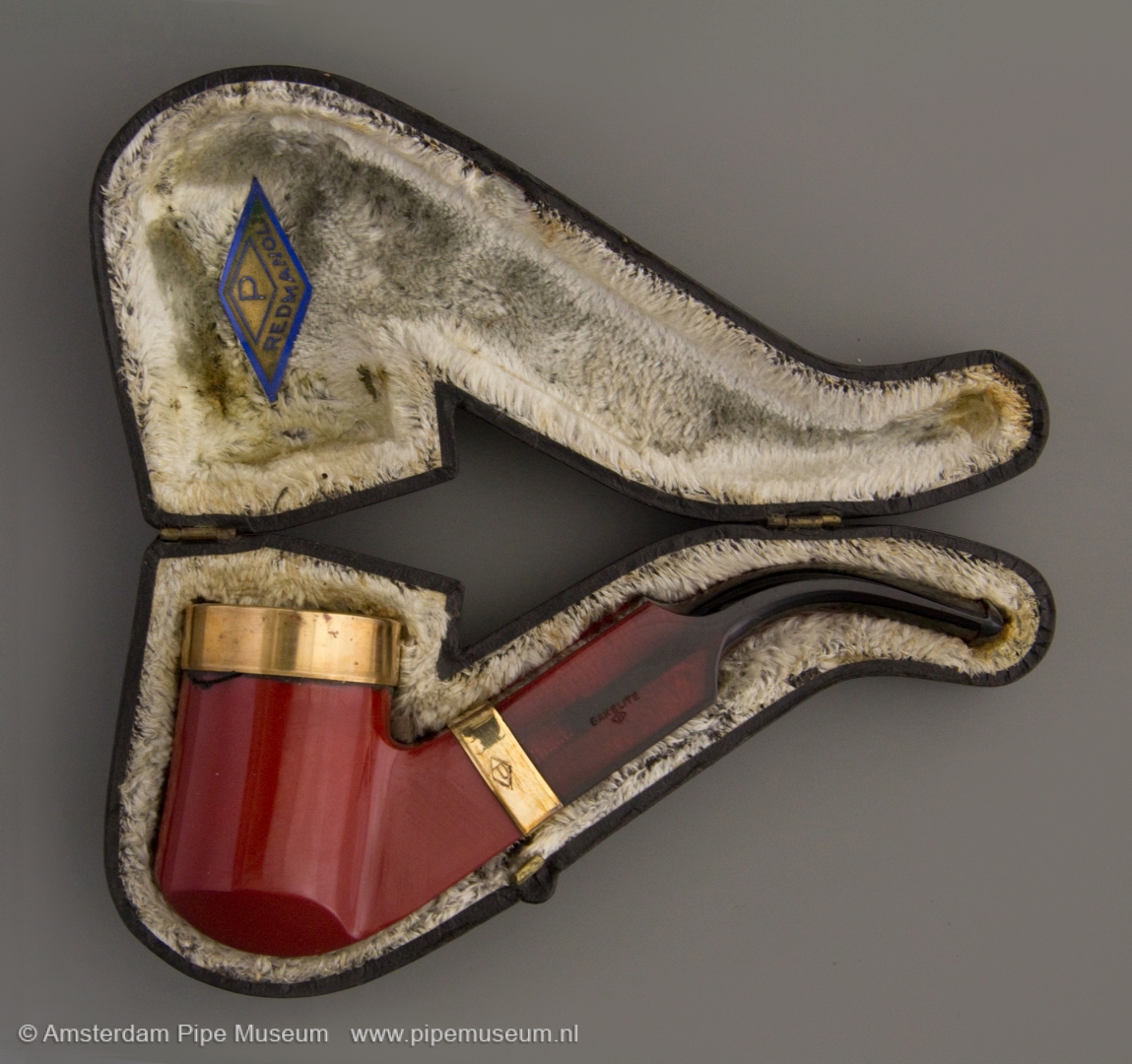
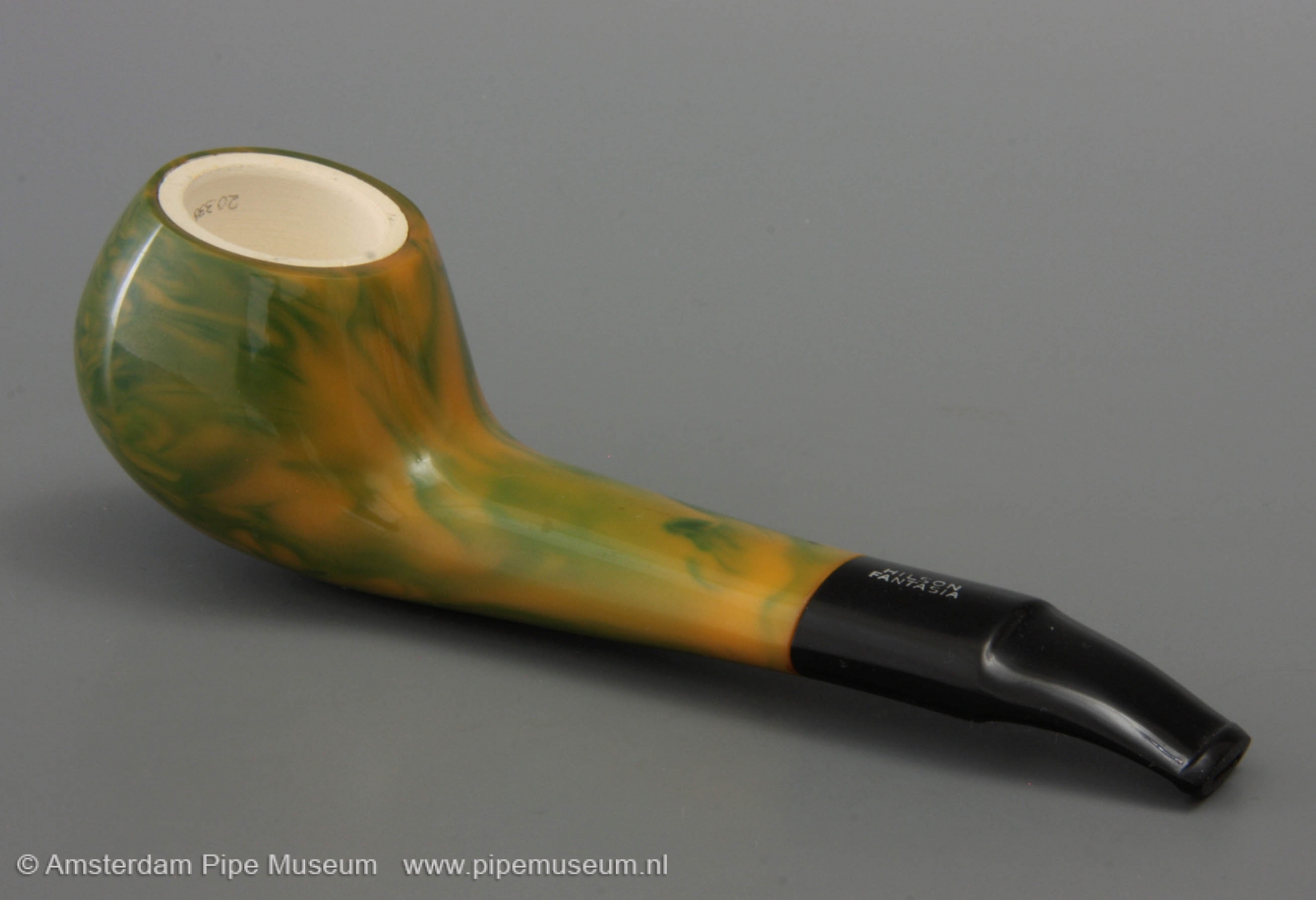
Vanwege de beperkingen bij gebruik, zoals warmte, smaak of condens, zijn veel van dergelijke alternatieve pijpen eerder curiosa dan standaard gebruiksvoorwerp geweest. Veel scheppingen staan lang niet altijd garant voor optimaal rookcomfort. Wat dat betreft gaat er niets boven een gewone pijp van de gangbare materialen.